The Land of the Pharaohs: Nile Cruises & Pyramids — Explore Egypt’s Three Great Ancient Sites
Text by Qidou Travel Network | Photos by Shutterstock.com
Dreaming of a pyramid adventure like in *The Mummy*? Experience it firsthand in Egypt.
Whether you start from Africa’s largest city — Cairo — or journey north along the Nile from Aswan, the essence of ancient Egyptian civilization unfolds before you. The trip feels like a journey back to a glorious era. Though the mysteries of ancient Egypt remain unsolved, the heritage left behind over millennia is very real.
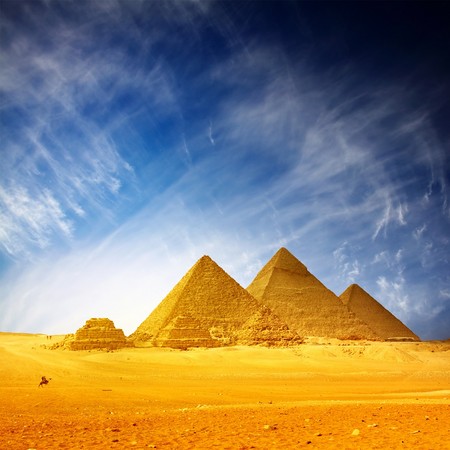
Pyramids seem like tools for the pharaohs’ resurrection. Ancient Egyptians firmly believed that participating in pyramid construction would earn them divine protection. With simple faith and conviction, they built the most enduring and perfect conical structures on Earth. Along the Nile’s north-south route, the Pyramids of Giza, the Temple of Karnak, and the Temple of Abu Simbel stand as Egypt’s three must-see ancient wonders — lifetimes must-visit destinations.
The world-famous Giza Pyramid Complex, one of the Seven Wonders of the Ancient World, features three exquisitely shaped pyramids — Khufu, Khafre, and Menkaure — aligned on the same horizon. Against the azure sky and golden dunes, they captivate travelers whether viewed from afar or up close, making them the ultimate photo-worthy spectacle. Within the Giza Pyramid area, you can even enter the pyramids for an unforgettable experience in these mysterious structures.
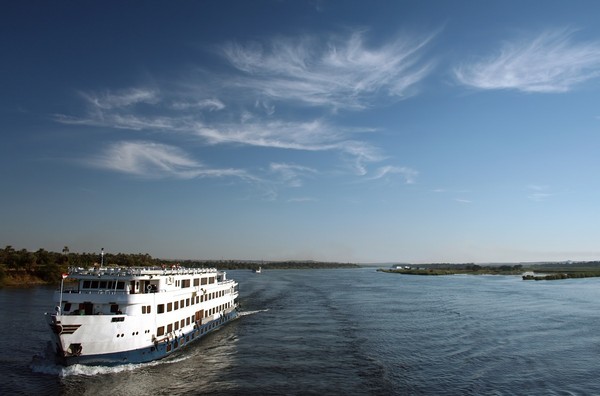
They say once you’ve tasted the waters of the Nile, you’ll always return to Egypt. Travel experts say if you haven’t cruised the Nile, you haven’t truly been to Egypt.
Under the sky of the pharaohs, the sun relentlessly scorches the land, slowly turning the horizon gold before sinking into the western bank of the Nile. The sailboats, now silhouetted, continue their gentle journey. As evening falls, board a five-star Egyptian cruise and embark on a Nile adventure. Are you ready?
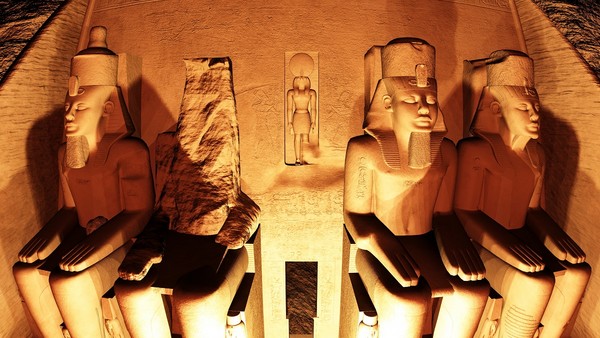
In the world of ancient Egypt, temples symbolized the universe — miniature replicas of the cosmos. Temples were not only places to worship the gods but also spaces where pharaohs asserted their divine status. For this reason, successive pharaohs dedicated their lives to building temples, venerating the heavens, the gods, and themselves, thus creating architectural marvels in human history.
The cruise takes you to the Temple of Abu Simbel, built in 1275 BC, whose grandeur showcases the might of ancient Egypt. The Great Temple was built by Ramses II for himself, while the smaller one was constructed for his beloved Queen Nefertari. Behind these magnificent structures lie many legendary tales.
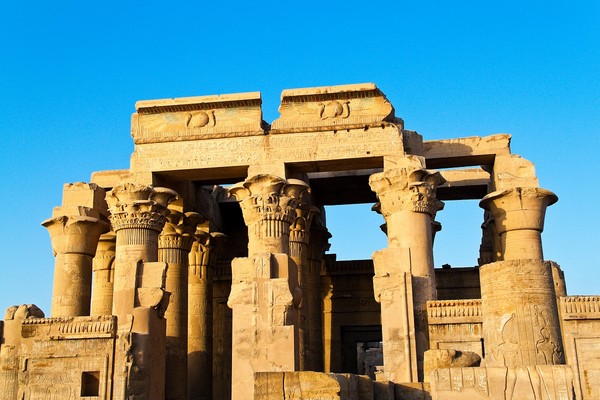
Further north of Aswan lies the Kom Ombo Double Temple, the site of ancient Egypt’s Golden City. Since prehistoric times, this area has been a bustling town, as trade caravans frequently passed through between Nubia and the gold mines.
The Kom Ombo Double Temple is dedicated to two deities: the crocodile god Sobek and the falcon god Horus. This unique dual-deity temple structure is unparalleled in Egypt. While crocodiles were once commonly seen basking on the sandy banks of the Nile, the construction of the Aswan Dam blocked their northward movement, and now the Nile north of the dam is crocodile-free.
Research suggests the temple may have been built atop ruins from the Middle or New Kingdom periods. Most of the reliefs inside were completed during the reign of Ptolemy XII and the Roman era. Despite centuries of sand burial and damage by Christians, the main structure remains intact. The temple sits on a traditional east-west axis, with the falcon god’s temple in the north and the crocodile god’s in the south, both equally sized and symmetrical. Additionally, there’s a museum housing crocodile mummies, witnessing the changes in Egypt’s ecosystem.
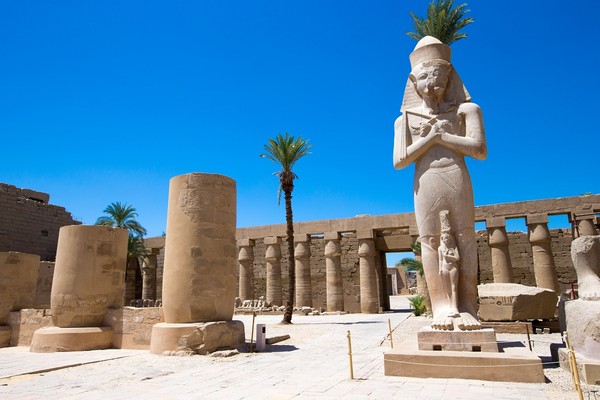
The cruise continues from Aswan, Kom Ombo, and Edfu toward Luxor, where you’ll explore ancient sites while admiring the rural landscapes and desert wonders along the riverbanks. Passing through the controlled entrance of Esna, you’ll witness the unique sight of ships navigating the locks. The cruise also hosts costume parties — don’t forget to use traditional trinkets bought from vendors near the temples to craft a cool outfit and become the life of the party.
The world’s largest stone-columned temple, the Temple of Karnak in Luxor, is also Thebes’ most important shrine. This was the worship site for pharaohs during Egypt’s Middle and New Kingdom periods. Combining altars, columns, pylons, and obelisks, the temple evolved over 1,500 years with contributions from multiple pharaohs. Ten massive pylons guard over 20 halls, with enough space to fit ten cathedrals.
The most captivating part of the Karnak Temple is the Hypostyle Hall, featuring 134 towering columns, each 12 meters high and requiring five people to encircle. Each column is adorned with colorful reliefs depicting the achievements of ancient Egyptian pharaohs.
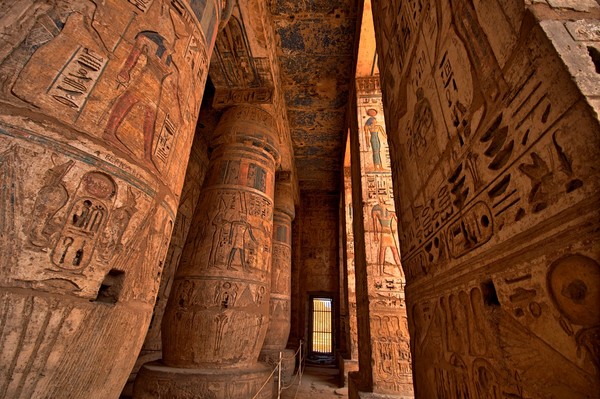
The cruise ends in Luxor, home to the iconic Luxor Temple, built by Ramses II to commemorate his victory over the Hittites and annual festivals. Through these celebrations, ancient Egyptian pharaohs reinforced their divine connection and solidified their rule. The temple’s entrance once featured statues of Ramses II, one of which stands at the heart of Luxor’s modern square.
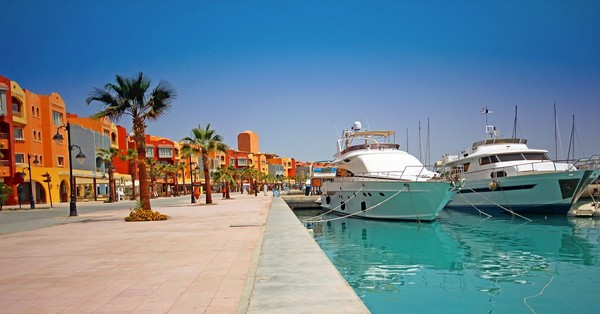
Finished with your Nile cruise? Still not ready to leave? Head to Hurghada on Egypt’s Red Sea coast, where endless beaches, turquoise waters, and white sands shatter your preconceptions of Egypt.
The relaxed resort vibe makes Hurghada a top holiday destination. Here, you can explore Bedouin villages on desert adventures or take a glass-bottom boat tour to marvel at the vibrant underwater world of the Red Sea, adding unforgettable memories to your Egyptian journey.
More related information
Recommended itinerary: 10-Day Luxury Egypt Red Sea & Nile Cruise
Giant Travel (02) 2562-3859
Websitewww.gianttour.com.tw
Share
This article is published by HowToTrip. Sharing and reposting are welcome — please credit the source.
Article URL: https://www.howtotrip.net/views-5851
Related Articles
- Shaoxing's "Grandpa Gourd" hangs the gourds back up: "If there are too many people, we'll interact less — just take a quick look from afar"
- Chinese authorities announce "reciprocal adjustment" to Japan visa fees — single-entry visa jumps from 2,250 to 16,750 yen!
- The "health stones" carried by a traveler were found to have radiation levels exceeding safety limits by a thousand times, potentially endangering fellow passengers on the same flight. Customs issues warning!
- Shenzhen Airport Issues Late-Night Notice: Unidentified Aerial Object Detected, Causing Widespread Flight Delays!
- “They only said it cost money after I opened the box and washed it!” 200g of grapes sold for 60 yuan on a high-speed train—12306 responds!
- Can't buy an airline ticket? Denied exit? Blocked from boarding? A large number of Chinese tourists have mysteriously become "discredited individuals"
- Adverse weather and economic fluctuations impact Colombia's coffee market
- Beach bathing area responds to 2 yuan/30 seconds fee for freshwater foot rinsing: Clearly priced!
- Taking off with an improperly closed cabin door? Wing malfunction? Multiple flights made emergency returns mid-journey!
- Experience the gifts of nature! A countdown of the world’s ten most stunning coastlines