Reasons to Drive Here
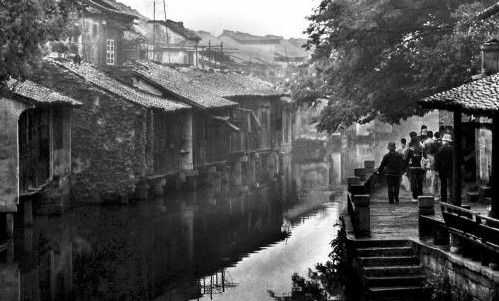
Once the ancient capital of the Wu and Yue states in Kuaiji, and the hometown of the modern literary giant Lu Xun, this ancient city lets you order a few plates of aniseed beans and sip on a pot of aged yellow wine in its small shops, experiencing the leisurely life of the people from the land east of the Yangtze River.
Impressions
Lu Xun’s Former Residence — Shen Garden — East Lake — Zhou Enlai’s Former Residence — Xianheng Hotel — Herb Garden — Sanwei Study — Drunken Chicken — Shaoxing Aged Yellow Wine
Luzhen: Walk past the grand Luzhen government mansion, enjoy a traditional opera at the theater stage, swap a silver dollar for a drink at Xianheng Hotel, listen to Xianglin’s Wife talk about her A’mao, and chat with the bamboo-hat-wearing Ah Q... In Luzhen, both on and off the stage, everything feels real.
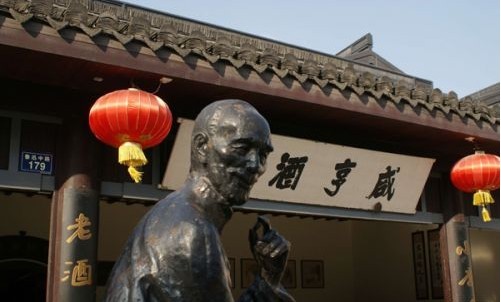
Xianheng Hotel: At “Xianheng Hotel,” if you opt for the working-class style meals, you can enjoy a very comfortable meal for just 20–30 yuan per person. Recommended dishes include stinky tofu, aniseed beans, salted peanuts, and dried vegetable braised pork — all authentically prepared.
Herb Garden: The Herb Garden was the backyard of the Zhou family and also the playground of Lu Xun’s childhood. Though the original sights are hard to find, being in the garden still brings to life the vivid imagery and rich atmosphere described in Lu Xun’s writings.
Sanwei Study: From the Herb Garden to Sanwei Study, even if you may not have been there before, you’ve surely heard of it. Step into the place where Lu Xun once studied, and explore the classic Chinese architecture to trace the footsteps of this literary master.
Lu Xun Memorial Hall: The current Lu Xun’s Hometown has become a unique historical district with distinct Jiangnan charm, offering an authentic setting to interpret Lu Xun’s works, experience the scenes he wrote about, and feel the atmosphere of his life.
Lu Xun’s Former Residence: A historical district with distinctive Jiangnan characteristics, it serves as an authentic place to understand Lu Xun’s works, appreciate the settings from his stories, and experience the life he led.

Qingteng Study: With a history of over 400 years and having undergone many changes, though once neglected, the square pond, stone railings, inscriptions, green vines, couplets, the plaque inscribed with “Untouched by a Single Speck of Dust” by Xu Wei himself, and the “Qingteng Study” plaque written by Chen Hongshou have all been preserved.
East Lake: Located at the foot of Ruokui Mountain in the eastern part of Shaoxing City, the lake shimmers with light, surrounded by dark waters and green hills. It is said that Emperor Qin Shi Huang stopped here to rest and water his horses during his eastern inspection tour.
Orchid Pavilion: Surrounded by lofty mountains and dense forests, with tall bamboos and clear, rushing streams, this was where King Goujian of Yue planted orchids, and where Wang Xizhi composed his famous “Preface to the Poems Composed at the Orchid Pavilion.”
Monument to Martyr Qiu Jin: The Monument to Martyr Qiu Jin is located at Xuandingkou in the center of Shaoxing City, Zhejiang Province. The ancient Xuandingkou is said to have had a pavilion first built in the Tang Dynasty. Though it was built and destroyed many times, nothing now remains.
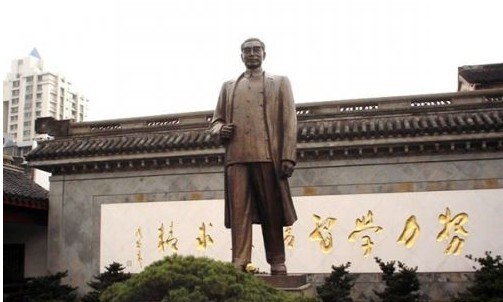
Zhou Enlai’s Former Residence: A brick-and-tile house built in the Ming Dynasty style, featuring a traditional black bamboo-screen gate. This is where Premier Zhou’s ancestors lived, which is why he often referred to himself as a native of Shaoxing.
Shen Garden: Once a private garden of the Shen family, this renowned garden in Yue region features the delicate and refined style of Song Dynasty gardens, with pavilions, terraces, and ponds that conceal the poignant love story between poet Lu You and Tang Wan.
Drunken Chicken: Shaoxing is famous for its huadiao (flower carving) wine. Naturally, “Drunken Chicken,” cooked with huadiao wine, has become a renowned dish in the Jiangsu-Zhejiang region. Not only does the “Drunken Chicken” smell intoxicatingly of wine, but it also tastes tender and juicy, leaving a lingering aftertaste. On a hot and stuffy summer day, enjoying ice-cold, fragrant huadiao-drunk chicken is truly a delightful experience.
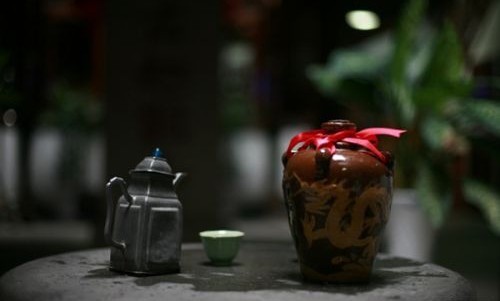
Shaoxing Yellow Wine: Locals in Shaoxing also call yellow wine “laojiu” (old wine). When visiting Shaoxing, you absolutely must try the local laojiu. The region’s winemaking history dates back to the Spring and Autumn Period. Made using a unique traditional process with the naturally superior water of Jianhu Lake, Shaoxing old wine serves as a beverage, medicine, and seasoning all in one, and is considered the finest of Chinese yellow wines. Among them, the Gu Yue Long Shan brand Jiufan Wine and Shaoxing Huadiao jar wine are used exclusively for state banquets and have won numerous international gold awards.
Share
This article is published by HowToTrip. Sharing and reposting are welcome — please credit the source.
Article URL: https://www.howtotrip.net/views-58246
Related Articles
- Harbin applies for the implementation of a 72-hour visa-free transit policy for Chinese passport holders transiting through Russia
- A super detailed one-day hiking guide summary for the White River Canyon for seasoned hikers. Can you camp in Beijing’s White River Canyon?
- A young man from Jinan, Wang Xingguo, hiked the Sichuan-Tibet Highway on foot and hitchhiked for 15 days with just 4,000 yuan
- Parking Guide for Self-Drive Tours to Scenic Spots in Yunnan
- Go camping and road-tripping now – Recommended overnight camping spots in Xi’an!
- 2017 China Hot Air Balloon Club League "Lanzhou Bank Cup" Opens Its Second Consecutive Anning Station
- A man trapped under a 100-meter-deep cliff on Guangzhou’s Baiyun Mountain was examined by doctors who said he had not eaten for seven days
- A cycling wedding ushers in a new trend of frugal weddings—romantic, eye-catching, and eco-friendly!
- The Opening Ceremony of the 4th Yueyang Xiangyin Rural Tourism Festival & Zhangshu Port Chili Festival
- The press conference for the Chengdu International RV Camping and Outdoor Tourism Exhibition was held at the Beijing RV Expo Center.