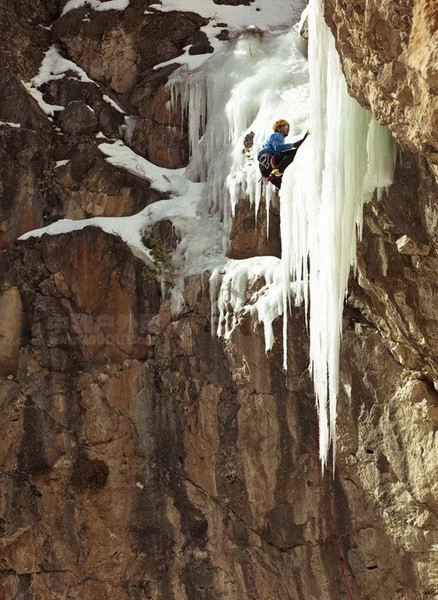
Recently, a mountaineering team experienced hypothermia during their crossing of the main ridge pass of the Helan Mountains. Due to the extremely low temperatures, some team members suffered from body hypothermia, and two climbers had to be hospitalized after their fingers were frostbitten because they lost their gloves. One of the climbers revealed that the frostbite was caused by insufficient gear and experience when dealing with the cold temperatures encountered during rock climbing, as everyone was only wearing windbreakers.
According to a reporter’s investigation, when the human body temperature drops to 30°C, hypothermia sets in, and extremities may become frostbitten or even necrotic. Windbreakers only offer waterproof and breathable functions, making them suitable for wet environments such as rainy or foggy days. However, in high-altitude, low-temperature environments, wearing a windbreaker for rock climbing can cause a large amount of sweat to freeze in the cold, leading to the risk of hypothermia.
Mr. Xie, a long-time rock climber, told reporters that in low temperatures, moisture clings to the windbreaker. The outer layer below 0°C quickly forms dew and then gradually freezes. Moisture cannot be properly released, and sweat soaks through the inner layer of the windbreaker. The cold can rapidly transfer through damp clothing to the body. Once movement stops or slows slightly, the body quickly becomes hypothermic. He believes that for snowfield rock climbing, wearing other types of warm and breathable down jackets is far better than relying on a windbreaker.
Mr. Bai, who has worked in the marketing department of a professional outdoor brand for many years, also believes that winter outdoor rock climbing carries a high level of risk, which means the requirements for both gear and experience should be raised. He recommends that climbers wear professional outdoor thermal underwear to effectively wick away sweat and maintain body warmth. Layering with a fleece jacket over the thermal base, then adding a down jacket, and finally wearing a windbreaker on the outside, can generally help retain body heat. Gloves and socks should be professional-grade, offering windproofing, sweat-wicking, and quick-drying properties, along with good insulation. It's also wise to carry extras just in case.