A luxury metropolis steeped in traditional culture – 8 things to know before visiting Dubai
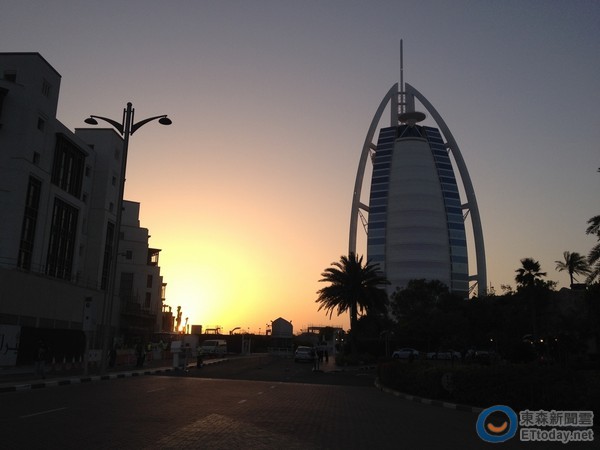
▲ The Burj Al Arab in Dubai is one of the city’s most iconic landmarks. (Photo provided by Tseng I-Ching, the same below)
Travel Center / Comprehensive Report
Among the seven emirates of the United Arab Emirates, Dubai—with its bustling urban life and numerous tourist attractions—is undoubtedly the brightest pearl, attracting tens of millions of visitors every year. In this modern, high-tech yet tradition-respecting city, many Arabian customs and taboos are still observed. These practices actually reflect the residents' reverence for local religion and historical culture, further highlighting Dubai's mystique and charm.
Dubai’s social environment is largely based on Islamic culture, so dress codes and gender interactions must adhere to local customs. When visiting mosques, overly revealing clothing is not allowed and may result in being denied entry. Additionally, table manners also differ significantly from those in Taiwan. Therefore, ETtoday News Cloud has compiled a list of important considerations for traveling to Dubai to help people better understand the city.
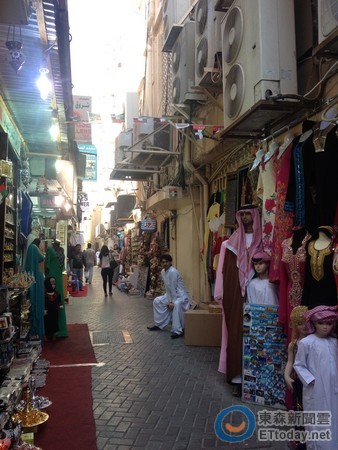
▲ Traditional clothing shops can be seen on the streets of Dubai.
[Dress]
Dubai has a hot climate, so breathable and comfortable clothing is recommended. However, when visiting upscale restaurants or formal venues, sandals, shorts, and sleeveless tops are not permitted—you will need to wear formal attire. Travelers should therefore pack collared shirts with sleeves, semi-formal long pants, and appropriate shoes. Women should avoid overly revealing outfits. While headscarves are not required outside mosques, it’s best to wear long-sleeved tops and long pants to show respect for the local culture. Avoid wearing overly tight clothing to prevent revealing body curves.
[No random photography of women]
In Arab countries, women often wear veils, which piques the curiosity of foreign travelers. However, it is not permissible to take photos of women without their permission, and taking pictures of veiled women is especially prohibited—it could even lead to legal trouble. Some tourist sites or religious areas may also have restrictions on photography.
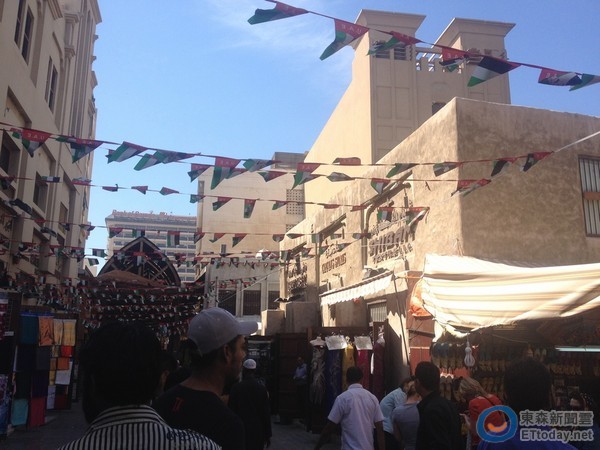
▲ The old town of Dubai retains a traditional Arabian atmosphere.
[Visiting mosques]
Mosques are the spiritual centers of Islamic followers. Female visitors must wear long pants or skirts, as well as a headscarf and robe, to enter a mosque. Men are also prohibited from wearing sleeveless shirts or shorts that do not reach the knees. If your clothing does not meet the requirements, you can borrow a robe or head covering from the mosque staff. Visitors must remove their shoes upon entering and maintain silence—smoking is not allowed. Women who are menstruating are also not permitted to enter mosques.
[Sunday is a workday]
In Taiwan, the workweek runs from Monday to Friday, but in Dubai and other Arab countries, the workweek is Sunday to Thursday, with weekends on Friday and Saturday. Most shops and public transport services are closed or operate on altered schedules on Fridays, so travelers should plan accordingly. For example, the Dubai Metro starts operating at 05:30 AM on weekdays but doesn’t begin until after 10:00 AM on Fridays.
[Left hand vs. right hand – big differences]
In Islamic society, the "right" side is considered honorable. Therefore, when entering a building or a mosque, step in with the right foot first. Eat with your right hand, and use it when exchanging business cards or receiving gifts to show respect. Using the left hand is considered impolite and disrespectful.
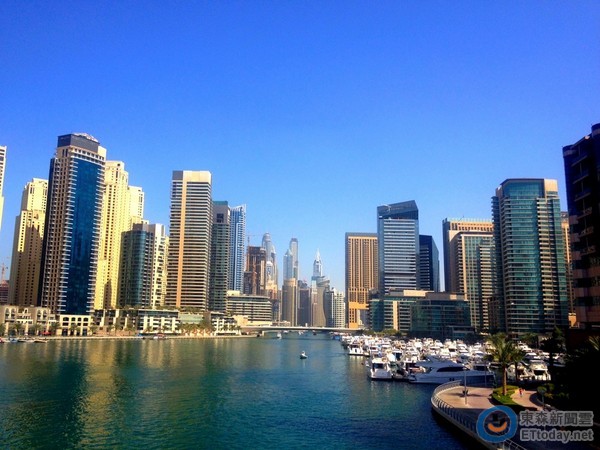
▲ Along Dubai’s man-made canal, you can admire skyscrapers and yacht harbors on both sides.
[No pork consumption]
As an Islamic country, Dubai prohibits the consumption of pork. The main meats consumed are beef, lamb, and chicken. Travelers are also not allowed to bring dried pork, pork floss, or pork-flavored instant noodles into the country. However, due to Dubai’s rapid development, besides traditional Middle Eastern cuisine, there are many other dining options available. Additionally, do not use napkins to wipe utensils during meals, as it implies that you think the restaurant’s tableware is unclean.
[Strict alcohol rules – toasting is frowned upon]
Most Arab countries prohibit alcohol consumption. In Dubai, alcohol can only be purchased at specific restaurants and locations and is not allowed in other public settings. If you wish to buy alcohol privately, you must have an alcohol license. Toasting by clinking glasses is also considered bad manners.
[The annual Ramadan]
According to the Islamic calendar, the ninth month is the holiest time for Muslims, believed to be when Allah revealed the Quran to Prophet Muhammad. This period is known as Ramadan. During Ramadan, from sunrise to sunset, Muslims voluntarily fast, abstain from alcohol, and refrain from smoking. Most restaurants also close or adjust their hours in observance. Travelers should also avoid eating in public during this time to show respect for the local culture. The dates of Ramadan change each year, so travelers should check in advance when planning their trip.
When traveling abroad, one of the most fascinating aspects is experiencing the local culture firsthand. Respecting each country’s customs and taboos can help you integrate into the local culture more quickly. Emirates, the airline that knows Dubai best, offers daily direct flights from Taipei to Dubai on its A380 aircraft. With its comfortable cabin space, passengers can feel as if they’ve already entered Dubai’s magical and wonderful world—even before stepping off the plane. Your journey to Dubai can truly begin the moment you board an Emirates flight. For more details, please visitthe Emirates Airlines official websiteto check flight booking information.
Share
This article is published by HowToTrip. Sharing and reposting are welcome — please credit the source.
Article URL: https://www.howtotrip.net/views-5779
Related Articles
- Shaoxing's "Grandpa Gourd" hangs the gourds back up: "If there are too many people, we'll interact less — just take a quick look from afar"
- Chinese authorities announce "reciprocal adjustment" to Japan visa fees — single-entry visa jumps from 2,250 to 16,750 yen!
- The "health stones" carried by a traveler were found to have radiation levels exceeding safety limits by a thousand times, potentially endangering fellow passengers on the same flight. Customs issues warning!
- Shenzhen Airport Issues Late-Night Notice: Unidentified Aerial Object Detected, Causing Widespread Flight Delays!
- “They only said it cost money after I opened the box and washed it!” 200g of grapes sold for 60 yuan on a high-speed train—12306 responds!
- Can't buy an airline ticket? Denied exit? Blocked from boarding? A large number of Chinese tourists have mysteriously become "discredited individuals"
- Adverse weather and economic fluctuations impact Colombia's coffee market
- Beach bathing area responds to 2 yuan/30 seconds fee for freshwater foot rinsing: Clearly priced!
- Taking off with an improperly closed cabin door? Wing malfunction? Multiple flights made emergency returns mid-journey!
- Experience the gifts of nature! A countdown of the world’s ten most stunning coastlines