How much do tourists know about the Tsukiji relocation? Experts advise: stop obsessing over Tsukiji food
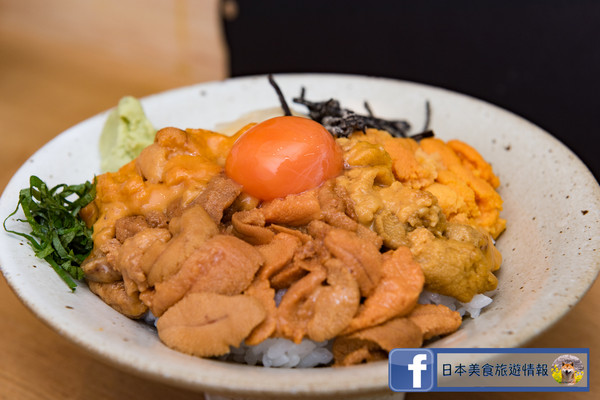
▲Tsukiji Uni Tiger U Ah
Text & Photo by Nathan Yung
Governor Yuriko Koike officially held a press conference on August 31, 2016, announcing the delay of the Tsukiji relocation, citing three main factors: "safety concerns, continuously rising costs, and insufficient information disclosure." The most direct impact on tourists? It comes down to one key question—what exactly is Tsukiji?
Japanese news sources:http://www.huffingtonpost.jp/2016/08/31/yuriko-koike_n_11788726.html
What exactly is Tsukiji?
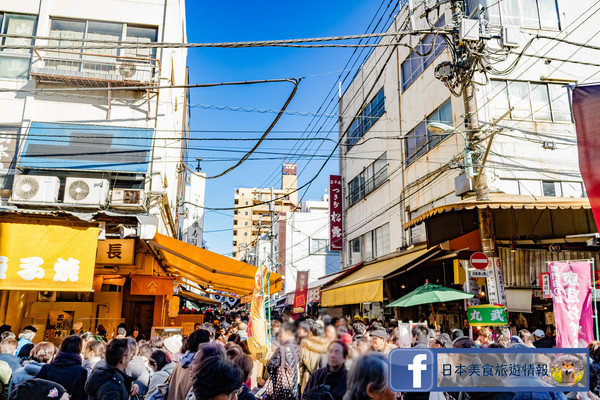
Why does it seem like people in Taiwan are also joining the hype and heatedly discussing the relocation? It’s like Tsukiji is a night market—just cram from one end to the other, right?
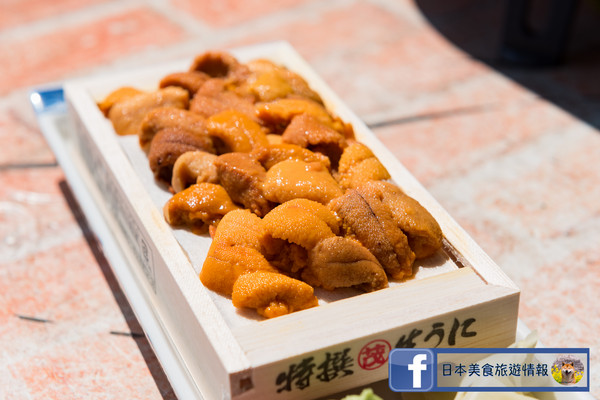
▲Tsukiji Suzuki Suisan
Let’s revisit an article written by our editor on January 5, 2016.
Tourists’ View of Tsukiji
The relocation of Tsukiji Market is a done deal, scheduled to move to the new market in Toyosu on November 7, 2016. What impact does this have on tourists? Business owners have their considerations—but what about tourists?
The biggest issue lies in itinerary planning. Previously, after visiting Tsukiji, you could easily head to nearby areas like Ginza. Now, it’s different due to transportation issues.
First, before discussing “transportation,” you need to understand the “structure” of Tsukiji:
1. There are many vendors, densely packed, where even slight foot traffic can create a bustling market atmosphere, attracting even more visitors.
2. There is a huge variety of food.
3. Tsukiji is divided into the inner market and the outer market. What most tourists commonly experience as “visiting Tsukiji” is actually the outer market. Only a few spots in the inner market are worth lining up for, which is a bit of a shame because there are some great shops, such as Iwasa Sushi, Iseno-ya, and Ryuu Sushi. But honestly, these have already been overshadowed over the course of 2014 by the outer market and surrounding developments, losing quite a few customers.
4. The outer market doesn’t seem to be relocating.
Therefore, moving the Tsukiji inner market isn’t exactly like the Shilin Night Market case in Taiwan—after all, the most eye-catching (and money-drawing) part is the outer market. But does relocating the inner market to Toyosu mean it will lose its business appeal? According to official information, the new market includes a food area that will definitely create new business opportunities. For tourists, that means two separate attractions.
Second, now that we understand there are two tourist spots, we can revisit the “transportation” issue:
Going from Tsukiji to the new market isn’t as simple as taking just two stops from “Shin-Tsurumi”—because you’ll arrive at “Market Front,” not “Toyosu.” By then, you’ve already exceeded the coverage of the “three-day metro pass,” and you’ll need to transfer once to the Yurikamome Line (a 1-stop ride costing ¥190).
Wow—tickets are so expensive. Otherwise, you could walk from Tsukiji for 16 minutes. Tourists cry: my legs are broken, but hey, they’re both markets—let’s just go to one.
Third, the crux of the issue: choice
Because the new market and the current Tsukiji Market will complement each other while also competing, those who want to visit both—and those who want to visit just one—will need to adjust their itineraries accordingly.
Sightseeing combinations near the new market: for example, visit Tsukiji in the morning, then the new market, or head straight to the new market, then go to Odaiba, enjoy shopping and delicious tsukune at Tsukishima in the evening, or experience the rich izakaya culture in Shimbashi.
Transportation cost calculation:
Tsukiji -> Market Front ¥190
Market Front -> Odaiba (nine stops) ¥320.
Odaiba -> Tsukishima or Shimbashi, Yurikamome segment costs ¥320.
Total fare ¥830
Yurikamome one-day pass ¥820—depending on whether you need to buy it.http://www.yurikamome.co.jp/fare_ticket/other_ticket/
Summary: For businessmen, new markets are full of promise and challenges, a gamble where those with capital are often willing to bet because they can't afford the potential decline of the old Tsukiji Market and are even more eager for the wealth the new market may bring. For tourists, flocking to the new market is an inevitable trend, though not absolute. However, bringing an overwhelming number of tourists to the otherwise quiet Tsukishima is certainly something to look forward to.
Stop obsessing over Tsukiji 2016.09.01
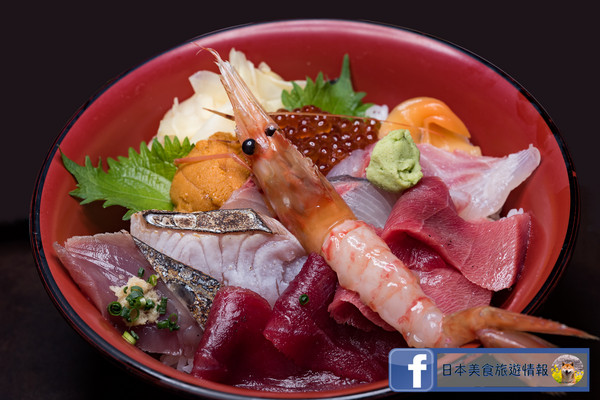
▲ Tsukiji Sora Sandaime (Third Generation Tsukiji)
The first impression most tourists have of Tsukiji is... the seafood here must be super fresh. But I’m here to break that impression—Is Tsukiji really that fresh? Not necessarily. Having visited Japan frequently in recent years to research for a Japanese food book, I’ve been to Tsukiji more often than usual. I’ve personally tried almost all the famously reported delicacies here. The truth is, stop obsessing over Tsukiji.
I’m not being alarmist—everything should be judged by business logic. From a restaurant’s menu sales model, store layout, ingredient presentation, and customer traffic, you can predict how much logistical work is needed. How are the ingredients stored and handled after delivery? As many know, the more customers a place has, the more likely the quality drops—and reality reflects that. I’ve encountered a place where N<店,直接打开冰箱,拿出一盒又一盒切好的生鱼片,东拿拿西拿拿,摆好一碗海鲜N<,要价不匪,吃起来是索然无味;也遇过整碗海鲜N<内的鱼肉已经品质不佳,更遇过寿司品质不如中价位的回转寿司,千奇百怪都有!但团长故意踩雷为了真实呈现筑地的食材鲜度等情况(是的,绝非偶尔来个一次日本,看到什么什么都说是好吃新鲜的报导 ! 团长不知道刻意做了多少这种一般人认知是无谓的消费,烧掉的钱虽然还叠不到101的高度,仅心里的X字应该喷到月球去了)。
Tsukiji’s tourists, based on long-term observation and eavesdropping on conversations, can be summed up in two words: “clueless.” Not an insult—many truly know next to nothing. Even those who prepared still get overwhelmed by the crowds, often ending up lost, unable to find their target shops, or duped by street vendors into eating something subpar. There are probably way too many of these cases. If it’s a girl, I’d gladly help her find where to go and how. But if it’s a couple and there’s a guy around, I won’t step in—too many scowls. Crowded, chaotic, and unable to find where they’re going, the worst is when an informed girl argues with her angry boyfriend, turning Tsukiji into a microcosm of human drama. Ahem.
There are definitely good shops in the Tsukiji area, but on the main, crowded pathways, please stay alert. Also, Tsukiji neighbors are Higashi-Ginza and Ginza, where some high-end traditional restaurants offer amazing lunch deals. Consider dining at such spots for quality seafood.<、寿司,会是不错的优质选择。
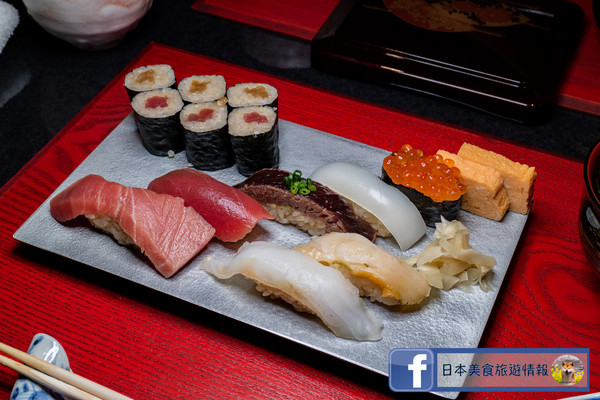
▲ Ginza – Some restaurant, 1900 yen
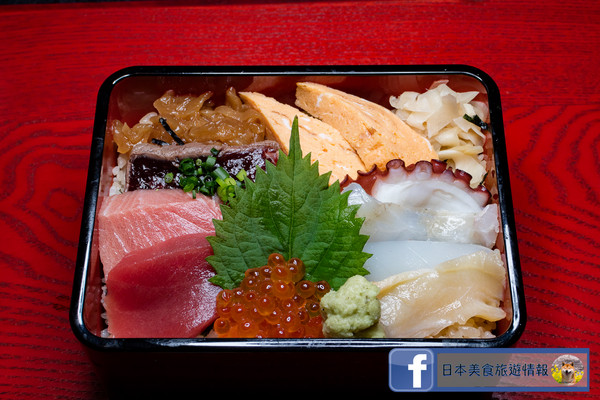
▲ Ginza – Some restaurant, 1900 yenWhy suffer through the crush of Tsukiji for mediocre seafood when you can have such refined seafood bento boxes?<。
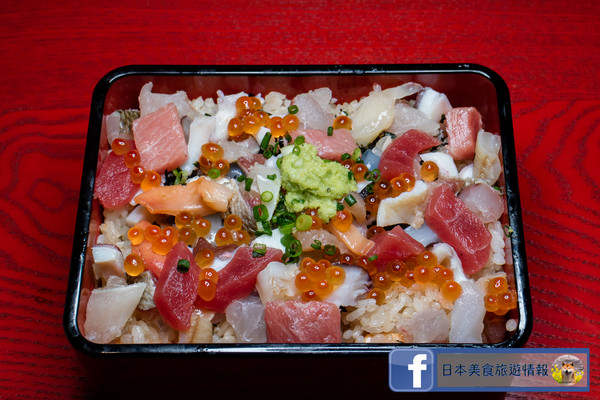
▲ Ginza – Some restaurant, 1000 yen
Tourists treat Tsukiji like a night market or a spectacle. Those seeking genuine culinary experiences should dig deeper. Otherwise, come ask me—I’ve already recommended plenty of carefully selected, top-notch spots.
Nathan Yung, leader of “Japanese Gourmet Travel Intelligence,” has since 2012 self-funded and invested millions, using Taiwanese taste preferences as a base and Japanese cuisine as inspiration. With exceptional taste bud talent, he has traveled across Japan, sampling its foods. Back in Taiwan, he also tirelessly reads and cooks hands-on. He is now compiling his insights into a book, scheduled for release by the end of 2016.
For more Japanese travel info, check out
Japanese Gourmet Travel Intelligence's Facebook Fan Page
Japanese Gourmet Travel Intelligence's Facebook Group
Share
This article is published by HowToTrip. Sharing and reposting are welcome — please credit the source.
Article URL: https://www.howtotrip.net/views-5697
Related Articles
- Shaoxing's "Grandpa Gourd" hangs the gourds back up: "If there are too many people, we'll interact less — just take a quick look from afar"
- Chinese authorities announce "reciprocal adjustment" to Japan visa fees — single-entry visa jumps from 2,250 to 16,750 yen!
- The "health stones" carried by a traveler were found to have radiation levels exceeding safety limits by a thousand times, potentially endangering fellow passengers on the same flight. Customs issues warning!
- Shenzhen Airport Issues Late-Night Notice: Unidentified Aerial Object Detected, Causing Widespread Flight Delays!
- “They only said it cost money after I opened the box and washed it!” 200g of grapes sold for 60 yuan on a high-speed train—12306 responds!
- Can't buy an airline ticket? Denied exit? Blocked from boarding? A large number of Chinese tourists have mysteriously become "discredited individuals"
- Adverse weather and economic fluctuations impact Colombia's coffee market
- Beach bathing area responds to 2 yuan/30 seconds fee for freshwater foot rinsing: Clearly priced!
- Taking off with an improperly closed cabin door? Wing malfunction? Multiple flights made emergency returns mid-journey!
- Experience the gifts of nature! A countdown of the world’s ten most stunning coastlines