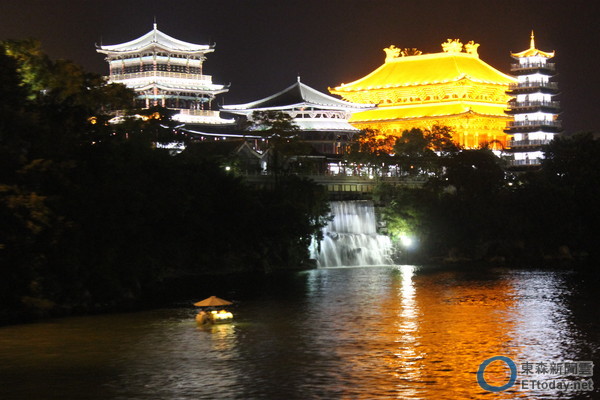
The scenery melts into the water surface at night—mooring in Dragon City by the Liujiang River, with the Confucius Temple standing before your eyes, exuding a “radiant cultural aura.”
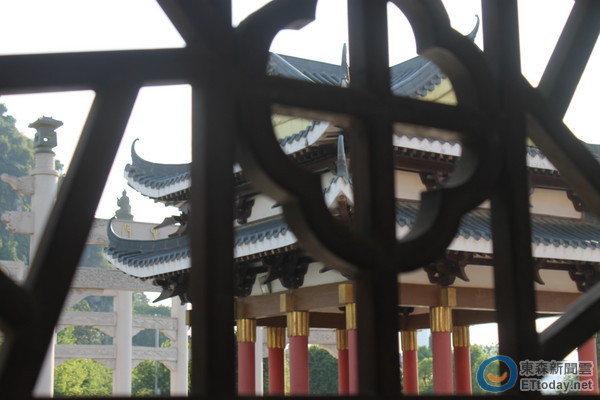
▲Liuzhou has a history of over 2,100 years as a city and is a renowned historical and cultural city. (Photo / Reporter Huang Weijia)
Reporter Huang Weijia / Reporting from Guangxi
Liuzhou is located in the central-southern part of the Guangxi Zhuang Autonomous Region, covering a total area of 18,707.25 square kilometers, with a population of 3.7587 million. The terrain is flat, surrounded by mountains on the east, west, and north, which is why it is also known as “Pot City.” Liuzhou has a developed industrial sector and was the third city in China, after Beijing and Shanghai, to produce over one million cars annually. Despite this, the area also features karst landforms, prompting former Chinese Premier Wen Jiabao to describe it as having “beautiful mountains and clear waters, and clean land.”
“Wear in Suzhou, play in Hangzhou, eat in Guangzhou, die in Liuzhou.” Coffins are one of Liuzhou’s specialties. Made from a single piece of oil-sand fir without any joints and then coated with cooked tung oil or raw lacquer, the wood is solid, lightweight, and resistant to rats and termites. These coffins do not decay even when buried for a hundred years and were bestsellers across the country since the Northern Song Dynasty. After the local government promoted cremation, the traditional coffin industry gradually declined but reinvented itself by crafting exquisite “mini coffins.” Taiwanese people might find them a bit taboo, but locals believe they symbolize “promotions and wealth,” often giving them as gifts.
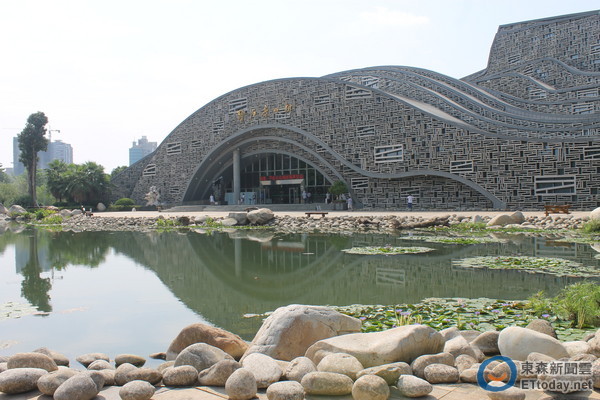
▲Liuzhou Qishi Museum. (Photo / Reporter Huang Weijia)
“Liuzhou Qishi (exotic stones) are the best under heaven.” Liuzhou is abundant in unique tourist-attracting exotic stones. With large reserves, diverse types, and vivid characteristics in shape, color, texture, and pattern, the local “stone-playing industry” is particularly well-developed. The Malushan Qishi Expo Park is a national 4A-level scenic spot in China, centered around the Liuzhou Qishi Museum—the largest specialized Qishi museum in the country. It has three floors and is divided into more than 10 exhibition areas based on stone types or regions. The museum displays thousands of items, all “rare treasures,” making you feel as if you’ve stepped into a dreamlike hall of natural art.
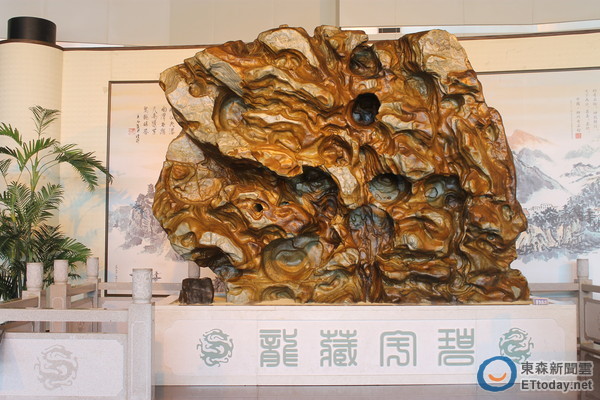
▲Azure skies hide dragons—Liuzhou has a legend about eight dragons appearing in the river, hence it was also called “Dragon City Commandery” during the prosperous Tang Dynasty. (Photo / Reporter Huang Weijia)
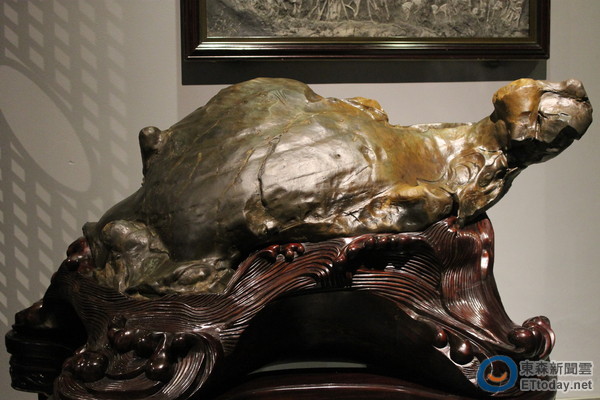
▲Divine Turtle, appearing as if freely swimming in the sea. (Photo / Reporter Huang Weijia)
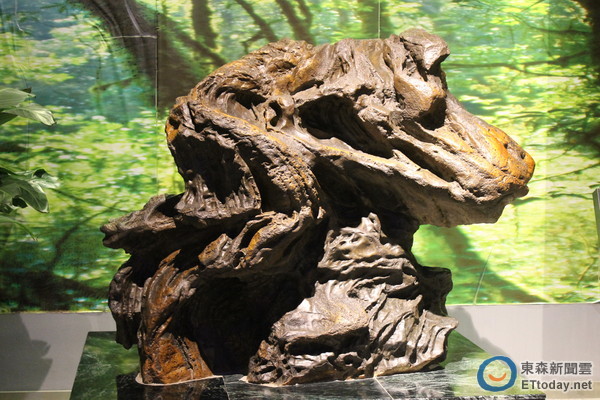
▲Majestic Aura, from afar resembling the head of a lion, radiating strength and dominance. (Photo / Reporter Huang Weijia)
The Liuzhou Confucius Temple was first built during the Zhenguan era of the Tang Dynasty. In the tenth year of the Yuanhe era, Liu Zongyuan renovated the temple and wrote the “Inscription for the Newly Renovated Temple of Confucius, Lord of Culture, in Liuzhou.” In 1928, the temple was destroyed in a citywide fire, with its main structures reduced to ashes. To promote local history, in 2009, the Liuzhou Municipal Government decided to rebuild the temple at the foot of Dentai Mountain, beside Jiahe Mountain, and along the Liujiang River. Construction began in March 2010, and miraculously, it stood majestically before the public in just over half a year.

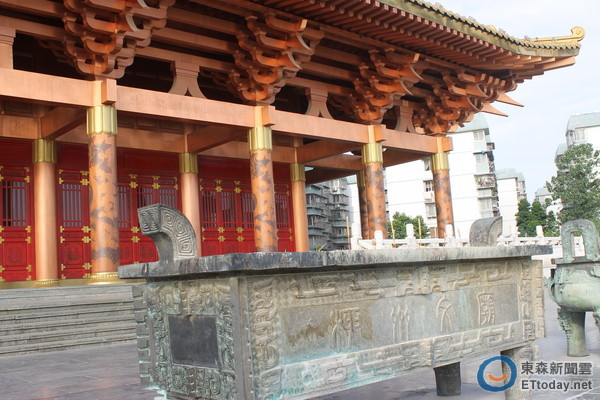
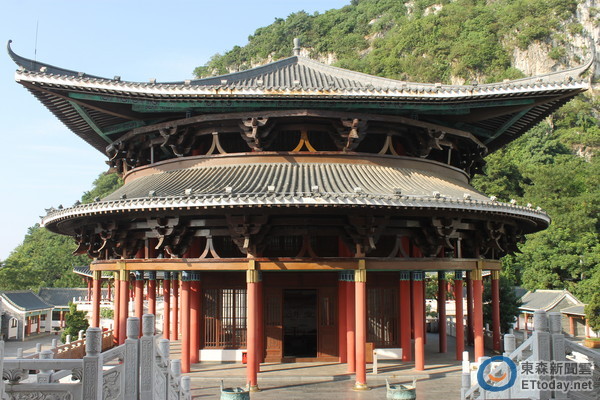
▲The Liuzhou Confucius Temple is primarily composed of major architectural elements such as the mountain gate, Dacheng Hall, Chongsheng Hall, and Lizheng Hall, integrating both northern and southern Chinese architectural styles. (Photo / Reporter Huang Weijia)
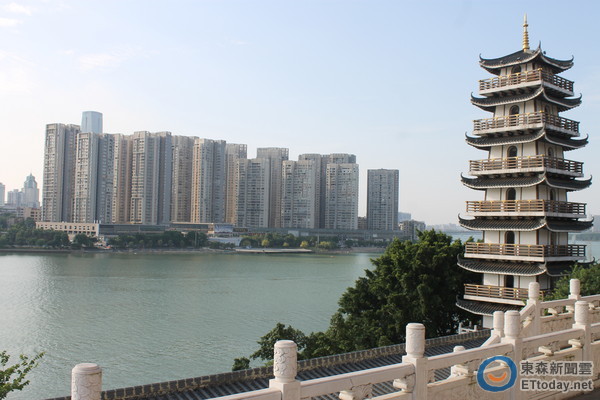
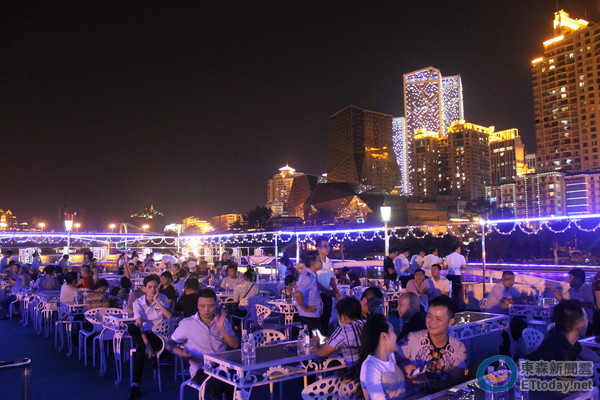
“A hundred li (50 km) of the Liujiang River is a hundred li of painted corridor.” The main course of the Liujiang River stretches 751 km, with winding and twisting sections. Liu Zongyuan described it as “a river that curves like nine loops of intestines.” At night, take a sightseeing boat departing from the eastern embankment dock of Hudu Bridge. The riverbanks, buildings, and bridges are illuminated by colorful neon lights. A gentle breeze brings a breathtaking night scene that seems to melt into the water. Modern skyscrapers and the classic Chinese-style Confucius Temple complement each other, deeply immersing you in the charm of Dragon City, Liuzhou.

▲A stunning night view unfolds on the Liujiang River. (Photo / Reporter Huang Weijia)
%The Reed Flute Cave is the largest man-made cave in the world and has been listed as one of the New Seven Wonders of Nature in China. (Photo / Reporter Huang Weijia)
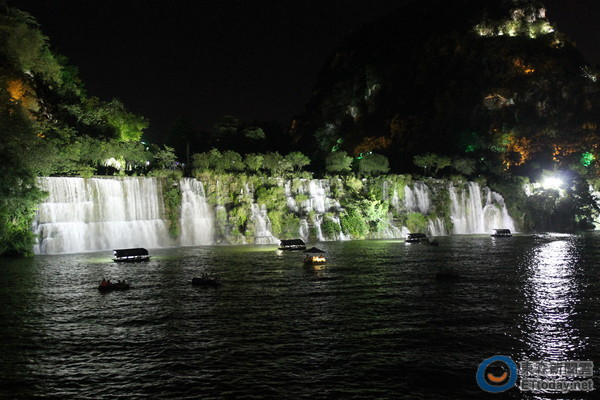
%The melody drifting through the night sky creates an ethereal atmosphere. (Photo / Reporter Huang Weijia)
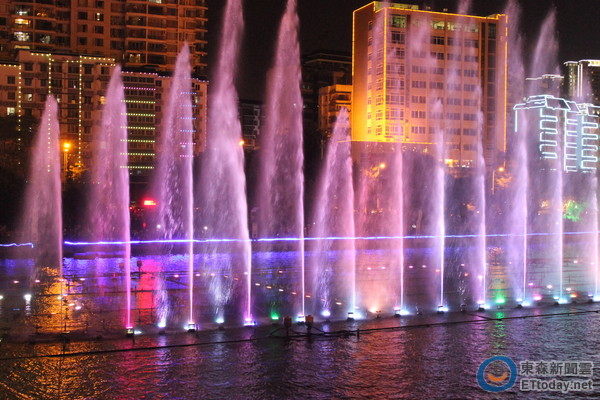
%The music fountain dances to the rhythm of the music, with jets shooting over 100 meters high. (Photo / Reporter Huang Weijia)
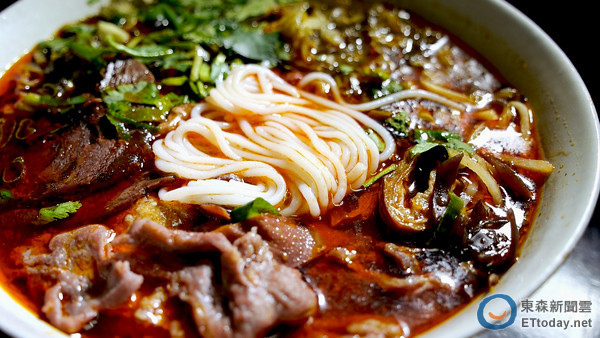
After a full day of activities, you’re probably famished. This is the perfect time to try Liuzhou’s signature snack—Luosifen (snail rice noodles), a unique local rice noodle dish. The snail soup is made by simmering Liuzhou green snails, then adding dry rice noodles, vegetables, pickled bamboo shoots, peanuts, scallions, and dried tofu skin. You can adjust the flavor to your liking. It’s spicy, sour, savory, and pleasantly chewy—yet never greasy—making it especially suitable for those who enjoy bold flavors.
%The fragrant aroma wafts through the night air. (Photo / Reporter Huang Weijia)
“Guilin’s scenery is the best under heaven, but Guangxi is full of Guilins.” It’s a pity to visit Guangxi and only go to Guilin. Spend 8 days to deeply explore the region’s ethnic culture. The “Taiwan-Guangxi New Alliance” has conducted years of on-site research and, together with Guangxi’s tourism development committees, has designed a series of routes. The tours are completely free of shopping stops and hidden fees, offering VIP treatment to bring you back to the essence of travel and a truly unique experience.%Scan the QR code to join the tour.
Share
This article is published by HowToTrip. Sharing and reposting are welcome — please credit the source.
Article URL: https://www.howtotrip.net/views-5580
Related Articles
- Shaoxing's "Grandpa Gourd" hangs the gourds back up: "If there are too many people, we'll interact less — just take a quick look from afar"
- Chinese authorities announce "reciprocal adjustment" to Japan visa fees — single-entry visa jumps from 2,250 to 16,750 yen!
- The "health stones" carried by a traveler were found to have radiation levels exceeding safety limits by a thousand times, potentially endangering fellow passengers on the same flight. Customs issues warning!
- Shenzhen Airport Issues Late-Night Notice: Unidentified Aerial Object Detected, Causing Widespread Flight Delays!
- “They only said it cost money after I opened the box and washed it!” 200g of grapes sold for 60 yuan on a high-speed train—12306 responds!
- Can't buy an airline ticket? Denied exit? Blocked from boarding? A large number of Chinese tourists have mysteriously become "discredited individuals"
- Adverse weather and economic fluctuations impact Colombia's coffee market
- Beach bathing area responds to 2 yuan/30 seconds fee for freshwater foot rinsing: Clearly priced!
- Taking off with an improperly closed cabin door? Wing malfunction? Multiple flights made emergency returns mid-journey!
- Experience the gifts of nature! A countdown of the world’s ten most stunning coastlines