 Dissolve the detergent in water no warmer than 30°C, then soak the jacket for about 5 minutes.
2. Use a soft-bristled brush to scrub dirtier areas of the jacket, but avoid using too much force.
3. Rinse thoroughly with plenty of clean water to ensure all detergent is completely washed out.
4. Do not wring the jacket. Instead, let it air dry naturally, and avoid direct sunlight.
5. Do not use high heat when ironing the jacket.
6. Unless the jacket is really dirty, there’s no need to wash it frequently, as over-washing may damage it.
7. To better maintain your jacket, regularly apply a DWR (durable water repellent) treatment to restore and preserve its water resistance.
Machine Washing
When machine washing a waterproof jacket, choose a washer that has special programs for outdoor clothing and drying, which can help protect the jacket’s waterproof and breathable membrane.
1. Washing: The washing machine should allow adjustment of the wash rhythm and intensity. While cleaning the jacket, be sure to avoid friction that could damage the waterproof coating.
2. Rinsing: The washer should have foam detection technology to thoroughly remove detergent residues and prevent chemical damage to the waterproof layer.
3. Spinning: The machine should extract water from the jacket gently without damaging its coating.
4. Drying: The washer should dry the jacket at a low temperature not exceeding 55°C to avoid damaging the waterproof and breathable membrane. Using a professional DWR treatment during drying will yield even better results.
Hiking shoes are relatively easy to clean, but if you don’t take proper care of your waterproof jacket, you might ruin a good one and have to buy another. Since we’ve already covered some basics about waterproof jackets, let’s now go over how to wash, maintain, and care for them.
1. Maintenance During Wear
Although more durable than regular clothing, even the best waterproof jackets will gradually wear down their waterproof and breathable
2. How to Fold a Hardshell Jacket
When you're not wearing your hardshell jacket regularly, you should hang it on a hanger in your closet rather than folding it and storing it alongside your other clothes. Folding the jacket can easily cause creases that will make it lose its shape and stiffness. Additionally, frequently folded areas are prone to wear and tear, which may compromise the jacket’s breathability and waterproofing performance.
3. Wash Your Hardshell Jacket When Appropriate
This is a point many people tend to overlook. Although hardshell jackets are relatively dirt-resistant, over time they will inevitably get dirty from exposure or get wet from acidic rain. If you’re not planning to wear the jacket soon, it’s a good idea to give it a wash.
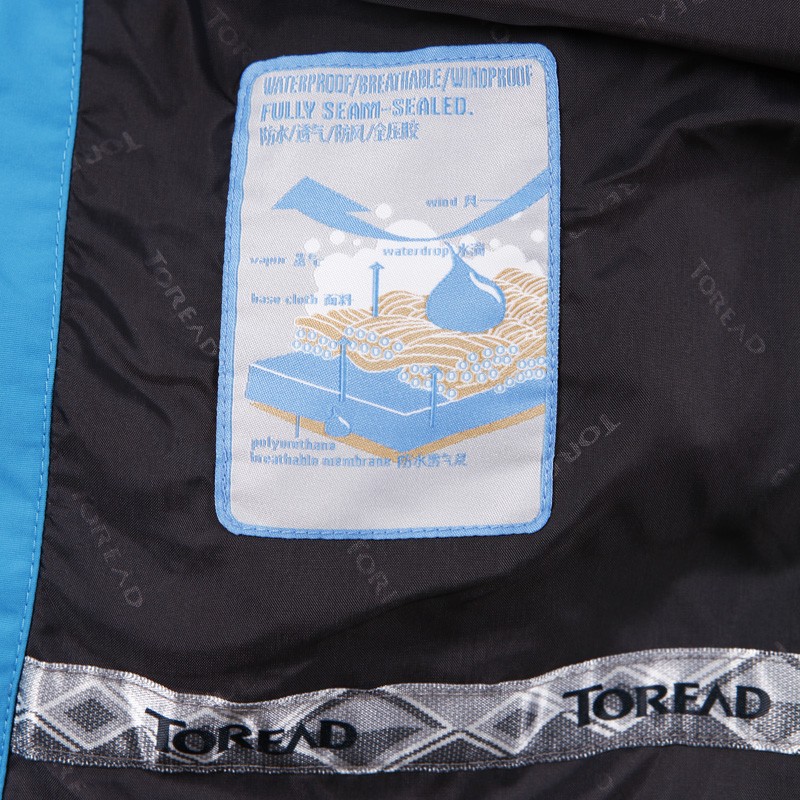
The breathable and waterproof properties of a hardshell jacket mainly come from a waterproof-breathable membrane in the fabric. This membrane is porous and loose, allowing air to pass through while blocking water droplets. However, if the jacket gets soiled with mud or grease, these contaminants can clog the pores of the membrane, reducing its breathability. Moreover, rainwater often contains mildly acidic corrosive substances that can accelerate the aging of the fabric. In such cases, it's necessary to wash the jacket.
4. Don’t Wash Your Hardshell Jacket Too Frequently
This may seem contradictory to the previous point, but it’s not. The key is washing your hardshell jacket based on actual conditions. There are two scenarios where cleaning is needed: first, after outdoor activities when the jacket is covered in mud, grease, or rainwater; second, when the jacket hasn't been worn for a long time. Outside of these situations—such as everyday casual wear—you shouldn't wash it as often as you would regular clothes. Even though proper washing methods can minimize damage, frequent washing is still quite harmful to a garment made with laminated fabrics. Instead of washing based on how long you’ve worn it, assess whether it needs cleaning based on how dirty it has become.
By following the care tips above, your hardshell jacket will serve you well for many more years—why not take good care of it?