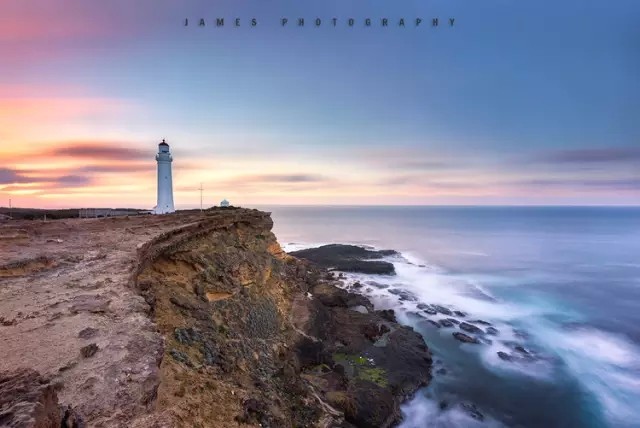
① The distribution of light and shadow—remember, where there is light, there is shadow.
② Which angle makes for a more interesting and distinctive shot? Shooting from above, below, eye level, or the side, etc.…
③ How can you use composition to make the subject stand out? The rule of thirds, leading lines, frame-within-a-frame, shallow depth of field, etc.…
④ What colors should be used? Which white balance setting should be chosen?
⑤ How can the same subject be shot with different focal lengths to give it unique characteristics? Telephoto, standard, wide-angle, etc.…
Modern cameras come with many features, such as Active D-Lighting, DRO, light optimization, image stabilization, long exposure noise reduction, etc. At the same time, you should also know when to turn these functions on or off to make shooting more effortless.
The focal length of the lens also affects the mood and visual effect you want to convey. (Ultra) wide-angle lenses can capture majestic scenes, standard focal lengths are suitable for realistic shots, and telephoto lenses can compress foreground and background, etc. In short, learn to shoot outstanding works with whatever lens you have, and don’t let the lens limit your photographic inspiration.
② CPL Polarizing Filter—removes reflections, lets you see underwater, makes the sky bluer; many effects cannot be replicated in Photoshop.
③ GND Graduated Neutral Density Filter—balances the light difference between the sky and the ground, making your landscape photos look more professional.

Photography requires lots of practice. As long as you shoot and think more often in your daily life, your photographic eye will definitely improve significantly.