Ice cubes on the "outside" make it richer — the secret to brewing great Hong Kong-style milk tea
Reported and photographed by You T-Ru / Hong Kong
"I feel off all day if I don't have my milk tea." If you visit a Hong Kong cha chaan teng and listen closely before sitting down, you might overhear a local uttering these words. For Hong Kong people, cha chaan tengs aren’t just places that serve meals from breakfast through late-night snacks — they are an essential part of Hong Kong’s food culture. In this densely populated city, there are over 2,000 cha chaan tengs, but what makes the signature element in all of them — the tea — truly outstanding? It’s not just about heat control or skill; there’s also a little secret involved.
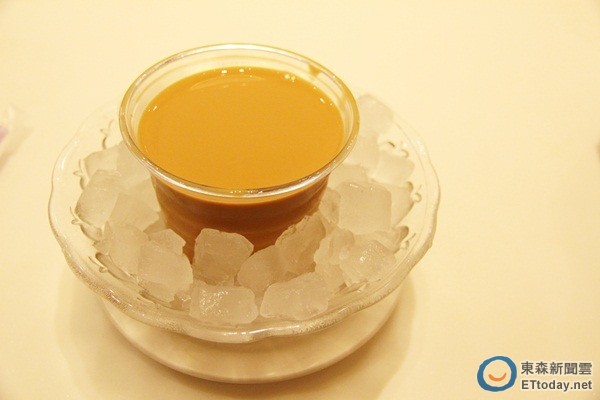
▲ The signature "Iced Milk Tea" uses a transparent bowl to hold ice cubes, then places the cup filled with milk tea inside the bowl to keep it chilled without compromising flavor.
"Every cha chaan teng has its own secret way of brewing tea, especially milk tea," says Ho Siu Fung, General Manager of Hong Kong’s renowned cha chaan teng chain Tai Hing Roast Meats, as he presents a glass of iced milk tea. This signature "Iced Milk Tea" from Tai Hing is nothing short of extraordinary — a transparent bowl holds ice cubes while the cup filled with milk tea sits inside, keeping it cool yet flavorful.
"We were afraid that adding ice directly to the milk tea would dilute the taste, so we came up with this idea — chilling the cup from the outside," Ho explains. Speaking of his commitment to milk tea, he reveals that this signature drink uses five different types of Sri Lankan tea leaves, each in varying proportions. Water temperature and steeping time are carefully controlled, and it's finally blended with specially selected Dutch-produced "Black & White condensed milk" made from pure milk. Only after being chilled is the milk tea ready to be served.
Take a sip of the "Iced Milk Tea," and the tea aroma bursts in your mouth, complemented by the smooth texture of Black & White condensed milk. The overall taste is rich, with the flavors of tea and milk perfectly integrated. As it slides down your throat, the subtle bitterness of the tea emerges, balancing the richness of the milk, ensuring it never becomes cloying no matter how much you drink.
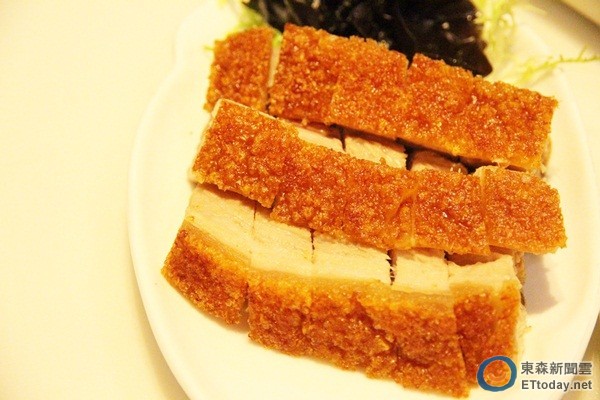
▲ Before roasting, the pork skin is brushed with maltose, then pricked, marinated for an hour, and finally placed in the oven.
Aside from milk tea, Tai Hing’s famous "roast meats" were once considered food for the nobility. Ho Siu Fung says that in mainland China, the consumption of roast meats declined over recent decades due to economic challenges, but in Hong Kong, this tradition has been preserved, making roast meats one of the city’s iconic foods. Tai Hing’s "Five-Star Roast Pork" is particularly exceptional. The process begins with selecting pigs from Shanghai that are fed only dry feed and corn. Each pig is raised for around 110 days, reaching about 70 pounds in weight — a medium-sized pig ideal for making roast pork.
"In the past, pigs were smoked in dug-out pits. Now, there are no pits to dig in Hong Kong, so we use ovens for smoking," Ho explains. Today’s method involves hot-air roasting. Before cooking, the pork skin is brushed with maltose, then pricked, marinated for an hour, and finally put in the oven. Each batch can roast up to eight pigs at a time, and the resulting meat must be sold within four hours to retain its flavor; otherwise, it deteriorates.
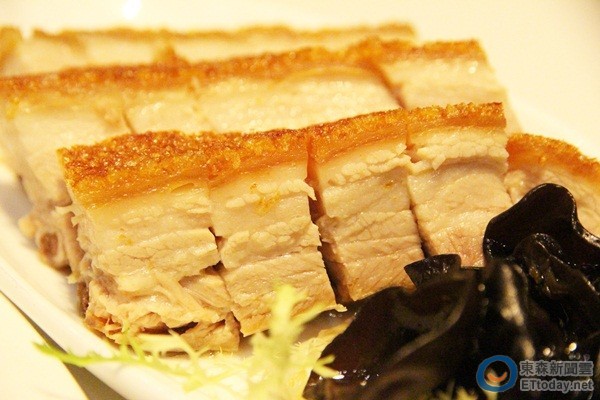
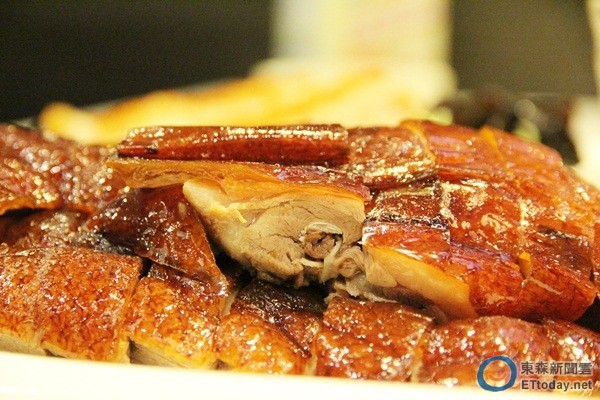
▲ The "Five-Star Roast Pork" features an extremely crispy skin, with a slight layer of fat underneath, followed by juicy meat.
The "Five-Star Roast Pork" features an incredibly crispy skin, a thin layer of fat beneath it, and then the meat itself. The meat, marinated and roasted, is incredibly juicy, paired with the sweet-malty and savory flavor of the skin — a surprising and innovative texture. Besides roast pork, Tai Hing’s popular "Roast Goose," with over ten sold per day at a single branch, is also brushed with maltose and vinegar before roasting and left to air-dry for four to six hours before sale. The result is a roast goose with thin skin, tender meat, and a savory-sweet taste, with female geese said to be the best.
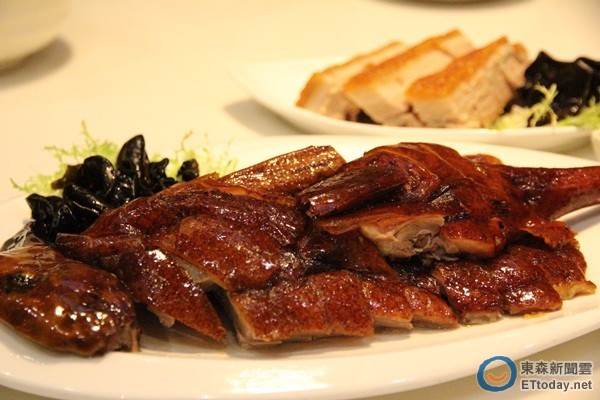
▲ %计け∪馐档纳斩欤?诟邢烫鹚晨凇</strong>
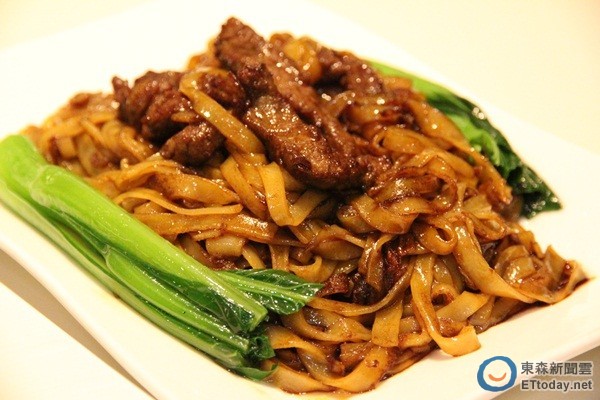
▲ Swiss Sauce Wet Chow Mein. The noodles are stir-fried first, then the sauce made from soy sauce and sugar is added, followed by shredded meat last. Every step is meticulously followed to ensure the noodles are soft yet chewy.
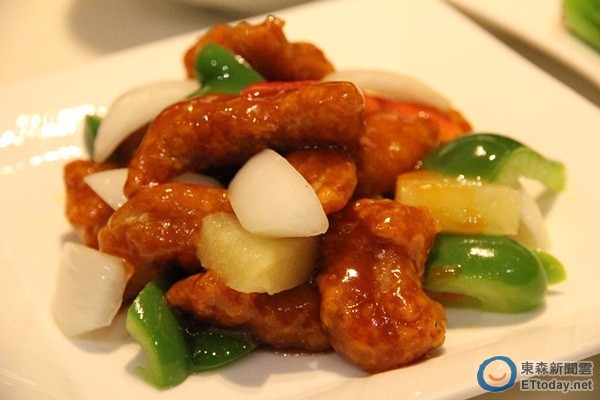
▲ Sweet and Sour Pork. Made using lean, tender pork cheek meat with no fat, prepared in a sweet and sour style. The texture is moist yet crisp.
From a roadside stall to a chain with over 50 branches, Tai Hing Roast Meats cares not only about the food but also about heritage and innovation. "My favorite dish here is the instant noodles — it's the essence of a Hong Kong man’s nostalgia," says Ho Siu Fung. Back in the day, Hong Kong boys would take their girlfriends on boat trips to Lantau Island. Onboard, they’d enjoy a bowl of instant noodles while holding hands and admiring the mountain and water scenery. That deep, indescribable sense of Hong Kong nostalgia lives not only in the heart but also in memory.
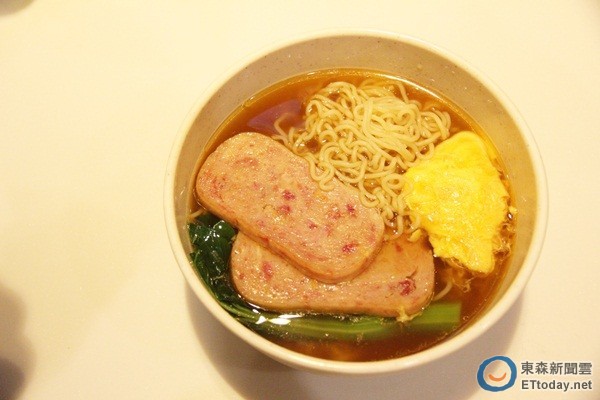
▲ Instant noodles represent a slice of Hong Kong masculinity and nostalgia.
Tai Hing’s nostalgic "instant noodles" are made with luncheon meat that contains a high proportion of Jinhua ham, paired with specially crafted noodles that are refreshing and not greasy — another fan favorite. Just two slices of meat and a ball of noodles bring back memories of holding a girl’s hand, savoring noodles on a ferry heading toward Lantau.
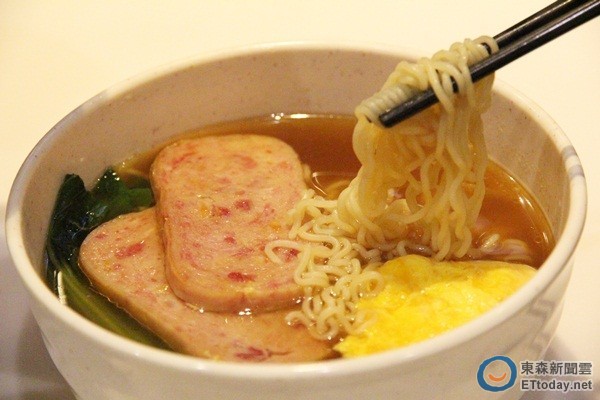
▲ The noodles use luncheon meat with a high content of Jinhua ham, and are made from a specially produced noodle type that is refreshing and not greasy.
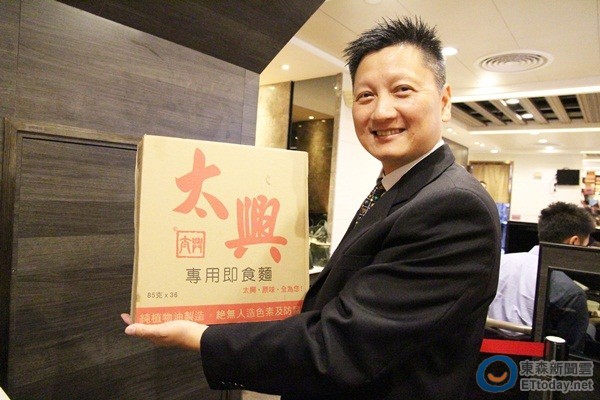
▲ The noodles are made from a special recipe created by Tai Hing. The photo shows Tai Hing General Manager Ho Siu Fung.
[Tai Hing Roast Meats]
Website:http://www.taihingroast.com/index.asp
Share
This article is published by HowToTrip. Sharing and reposting are welcome — please credit the source.
Article URL: https://www.howtotrip.net/views-27995
Related Articles
- Shaoxing's "Grandpa Gourd" hangs the gourds back up: "If there are too many people, we'll interact less — just take a quick look from afar"
- Chinese authorities announce "reciprocal adjustment" to Japan visa fees — single-entry visa jumps from 2,250 to 16,750 yen!
- The "health stones" carried by a traveler were found to have radiation levels exceeding safety limits by a thousand times, potentially endangering fellow passengers on the same flight. Customs issues warning!
- Shenzhen Airport Issues Late-Night Notice: Unidentified Aerial Object Detected, Causing Widespread Flight Delays!
- “They only said it cost money after I opened the box and washed it!” 200g of grapes sold for 60 yuan on a high-speed train—12306 responds!
- Can't buy an airline ticket? Denied exit? Blocked from boarding? A large number of Chinese tourists have mysteriously become "discredited individuals"
- Adverse weather and economic fluctuations impact Colombia's coffee market
- Beach bathing area responds to 2 yuan/30 seconds fee for freshwater foot rinsing: Clearly priced!
- Taking off with an improperly closed cabin door? Wing malfunction? Multiple flights made emergency returns mid-journey!
- Experience the gifts of nature! A countdown of the world’s ten most stunning coastlines