Stop calling me the "Heavenly Dragon Kingdom" City anymore – explore the historic yet modern Taipei
Reporter Zhu t?uan (?) reported/p>
As Taiwan’s capital, Taipei — often playfully dubbed the “Heavenly Dragon Kingdom” — blends the modern with the past, offering countless distinctive commercial districts and old streets to explore in detail. For example, the Wanhua Historic District is home to Peiliao Street, once made famous as a filming location for the movie *Monga*, which holds memories of ancient times. For those interested in modern creativity and design, the Huashan 1914 Creative Park offers sparks of inspiration.
Those who don’t visit Taipei often might find that a trip here helps clear up their impression of the so-called “Heavenly Dragon Kingdom.” Even locals in the north, despite commuting daily, might not have had the chance to notice the stories behind these little corners. The most famous Peiliao Street in the Wanhua Historic District — anyone who has seen *Monga* will know — was where timber used to be debarked, hence the name “Peiliao” (debarking street). Developed since the Qing Dynasty, it is one of the more intact historic districts in Taipei City and the only remaining Qing-era Han Chinese street in the Monga area.
%It can be described as a highly characteristic yet less-crowded night market street. (Japan, many young people come to experience the fresh atmosphere of this newly developed district?)
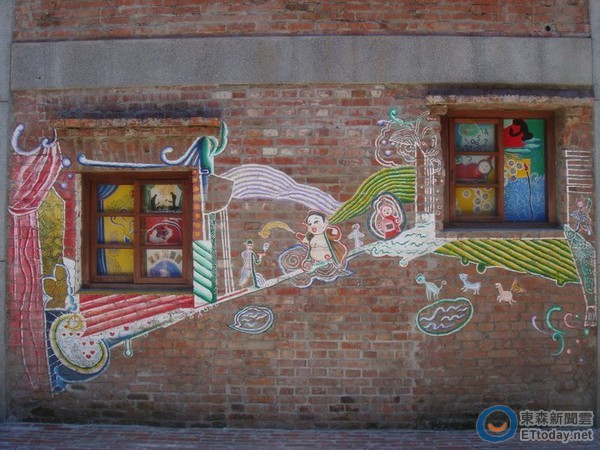
Located south of Wanhua’s Laosong Elementary SchoolPeiliao, the historical block preserves a remarkably intact Qing Dynasty street layout and traditional storefronts, including many quaint buildings such as Yongxingting Boat House, Song Xie Xing Rice Shop, Dr. Lü Acang’s Residence, Rixiang Lodge, Taiyang Bookbinding Workshop, Changshou Tea Stall, and the public bathhouse Fengxiang. Surrounding the area are historic sites like Longshan Temple, as well as traditional trades such as gold leaf shops, herbal medicine stores, Chinese herbal shops, and Buddhist supply shops. If you get hungry, nearby streets like Guangzhou Street, Sanshui Street, Xichang Street, and Xiyuan Road offer plenty of traditional snack shops.
Just a stone’s throw away isLongshan Temple, which not only houses many artistic treasures but also hosts numerous lively festivals throughout the year — a must-visit to broaden your horizons. However, visiting on a regular day allows for a more leisurely appreciation: having undergone multiple renovations, Longshan Temple has a complete “回” (return) shaped structure, a highly esteemed layout in traditional temple architecture. The uneven stones on the plaza floor may feel rough, but these irregularly cut sections actually have a history of over a hundred years.
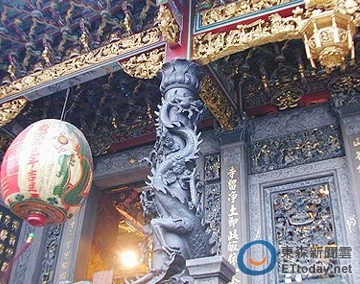
%Its interior offers a sense of solemnity, along with elegantly aged religious architecture. (Photo / Courtesy of Taipei Tourism Bureau)
Stepping into the front hall, the 1918-cast bronze dragon pillar — unique in Taiwan — immediately catches the eye, while the wooden carvings and painted decorations under the eaves are also very vivid. On the left stone-carved window by the main gate, the thrilling story of Romance of the Three Kingdoms is depicted, while on the right is an octagonal bamboo joint window with carvings of bamboo stalks symbolizing “good news conveyed by the bamboo” (a phrase meaning to report safety). Inside the temple, many devout worshippers can be seen praying and chanting scriptures, filling the space with an aura of reverence.
After a day of cultural archaeology, return to the bustling modernity of the Xinyi District. Here, you absolutely must set aside time for shopping. The alleys are filled with specialty coffee shops, snack joints, or international cuisine spots that are sure to satisfy even the most discerning palate. Whether it's clothes, jewelry, or small accessories, there's no shortage of options — you could compare five shops and still have more to check out. For accommodation, near the many MRT exits in the Xinyi District, you'll find convenient and comfortable business hotels or boutique lodgings, such as Hotel Éclat Taipei, Pacific Business Hotel, and The Jade Boutique Hotel.
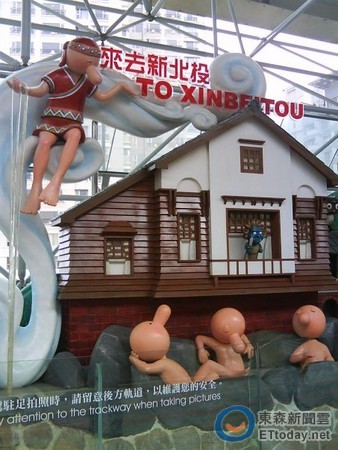
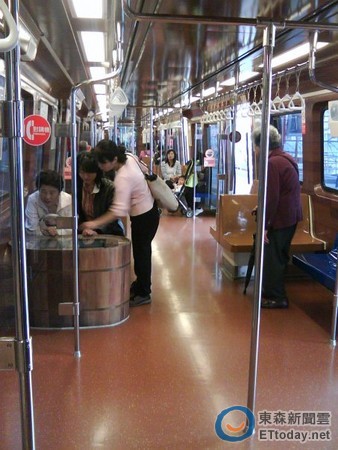
▲ The MRT station heading to Beitou features hot spring and indigenous art installations, with carriages even designed to look like wooden cabins, plus video guides featuring hot spring barrel visuals. (Photo / Reporter Zhu t?rong...)
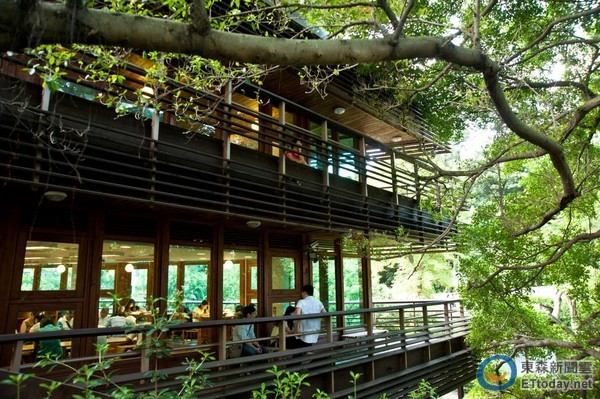
Early the next morning, head straight to Beitou to see why the renowned “The New York Times Travel Section” fell for this place. Beitou boasts abundant natural resources and a rich cultural and historical background, making it a favorite destination for both domestic and international tourists. From the unique art installations at the MRT station to the one-of-a-kind colorful train cars, you can sense the charm of the area. And when you’re here, be sure to visit the most famous Beitou Library — Taiwan’s first green architecture library, nestled in lush surroundings with a tranquil environment, and featuring a wooden exterior that adds to its serene ambiance.The Beitou Hot Spring Museumis also a must-visit. Admission is free, and you’re welcome to take photos inside, making it a favorite “I was here” spot for many young people.
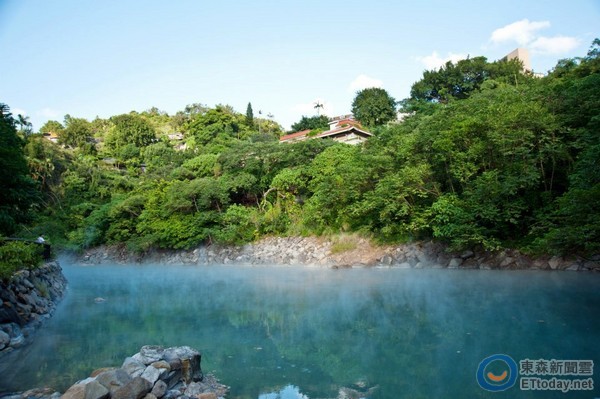
▲%The residential buildings in the vicinity (e.g., X, Y), as well as the library (Z), are all steeped in local character. (Photo / Reporter Zhu t?hui...)
After concluding your historical and cultural journey, jump back into modernity to explore creative-style Taipei. In theHuashan 1914 Cultural Parkarea,you’ll see moms taking kids for strolls, pet owners walking their dogs, elderly people soaking up the sun, and energetic youths going in and out of exhibitions and taking photos. Though it may look like a park, it’s actually a municipal historic site in Taipei. After renovation and reopening, it provides a venue for the arts, non-profit groups, and individuals to host art exhibitions and music performances. With numerous restaurants, shops, art galleries within the park, it’s a representative hub for Taipei’s diverse cultural and creative scene.
In the evening, take a stroll throughXimending, which offers a different style of hustle and bustle compared to the Xinyi District — and is also a top shopping destination for young people. It’s not uncommon to come across street performers drawing crowds. The shops tucked away in the alleys are waiting to be discovered. Go further in, and you’ll find an extensive movie street lined with three or four cinemas displaying large promotional posters. The streetlamps are also decorated with heaps of movie posters, giving off a vibe distinct from other areas. Here, you won’t have to worry about long waits for movie showtimes — even if you end up in the next screening wave, Ximending’s long streets are more than enough to kill time.
Attraction Information
1. PeiliaoHistoric District:Intersection of Guangzhou Street and Kangding Road, Wanhua District, Taipei City
Exhibition HallBusiness Hours:Tuesday to Sunday from 9:00 AM to 5:00 PM; closed on Mondays
2. Longshan TempleAddress:No. 211, Guangzhou Street, Wanhua District, Taipei City, Taiwan
3. Beitou Hot Spring MuseumAddress:No. 2, Zhongshan Road, Beitou District, Taipei City
Opening Hours:Tuesday to Sunday from 9:00 AM to 5:00 PM; closed on Mondays and national holidays, but open on Saturdays and Sundays
4. Huashan 1914 Creative ParkAddress:No. 1, Section 1, Bade Road, Zhongzheng District, Taipei City
5. Ximending Shopping AreaAddress: No. 1, Chengdu Road, Taipei City
Average Business Hours:11:00 AM to 11:00 PM
Share
This article is published by HowToTrip. Sharing and reposting are welcome — please credit the source.
Article URL: https://www.howtotrip.net/views-27964
Related Articles
- Shaoxing's "Grandpa Gourd" hangs the gourds back up: "If there are too many people, we'll interact less — just take a quick look from afar"
- Chinese authorities announce "reciprocal adjustment" to Japan visa fees — single-entry visa jumps from 2,250 to 16,750 yen!
- The "health stones" carried by a traveler were found to have radiation levels exceeding safety limits by a thousand times, potentially endangering fellow passengers on the same flight. Customs issues warning!
- Shenzhen Airport Issues Late-Night Notice: Unidentified Aerial Object Detected, Causing Widespread Flight Delays!
- “They only said it cost money after I opened the box and washed it!” 200g of grapes sold for 60 yuan on a high-speed train—12306 responds!
- Can't buy an airline ticket? Denied exit? Blocked from boarding? A large number of Chinese tourists have mysteriously become "discredited individuals"
- Adverse weather and economic fluctuations impact Colombia's coffee market
- Beach bathing area responds to 2 yuan/30 seconds fee for freshwater foot rinsing: Clearly priced!
- Taking off with an improperly closed cabin door? Wing malfunction? Multiple flights made emergency returns mid-journey!
- Experience the gifts of nature! A countdown of the world’s ten most stunning coastlines