A Shocking Baptism in India: The Theft of the Taj Mahal. Shedding Tears of Excitement
Text and photos by Liu Shiming (640)
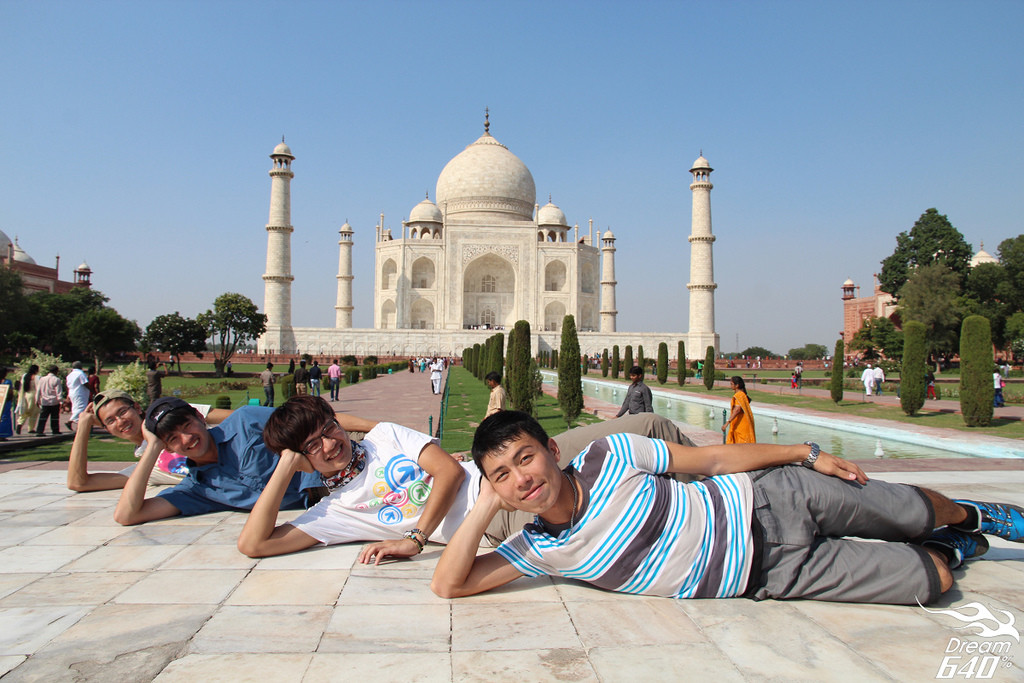
I’ve written several fragmented pieces about the scenery in India, and finally, it’s time to serve up the main course. The most important stop of this trip was the Taj Mahal, and it also turned out to be the most heartbreaking one for me.
The Taj Mahal is hailed as one of the Seven Wonders of the World. Some say, “If you haven’t seen the Taj Mahal, you haven’t been to India; if you haven’t seen the Taj Mahal under moonlight, you haven’t truly seen the Taj Mahal.” Unfortunately, I didn’t get to see the Taj Mahal under the moonlight this time—so does that mean I never really saw it? = =
%际燮笨诩/p>
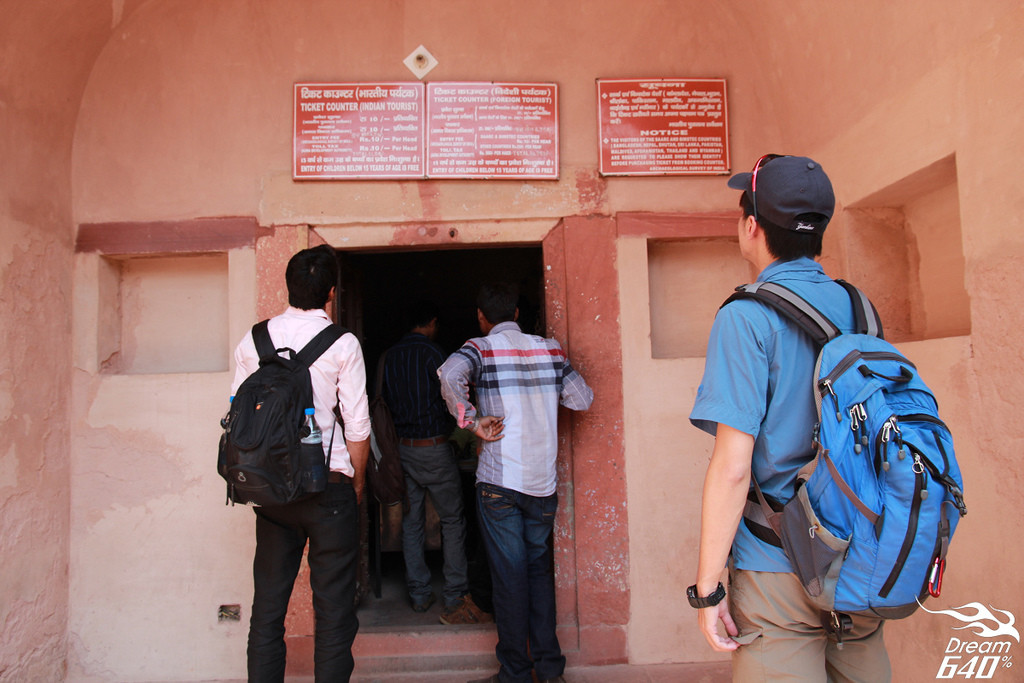
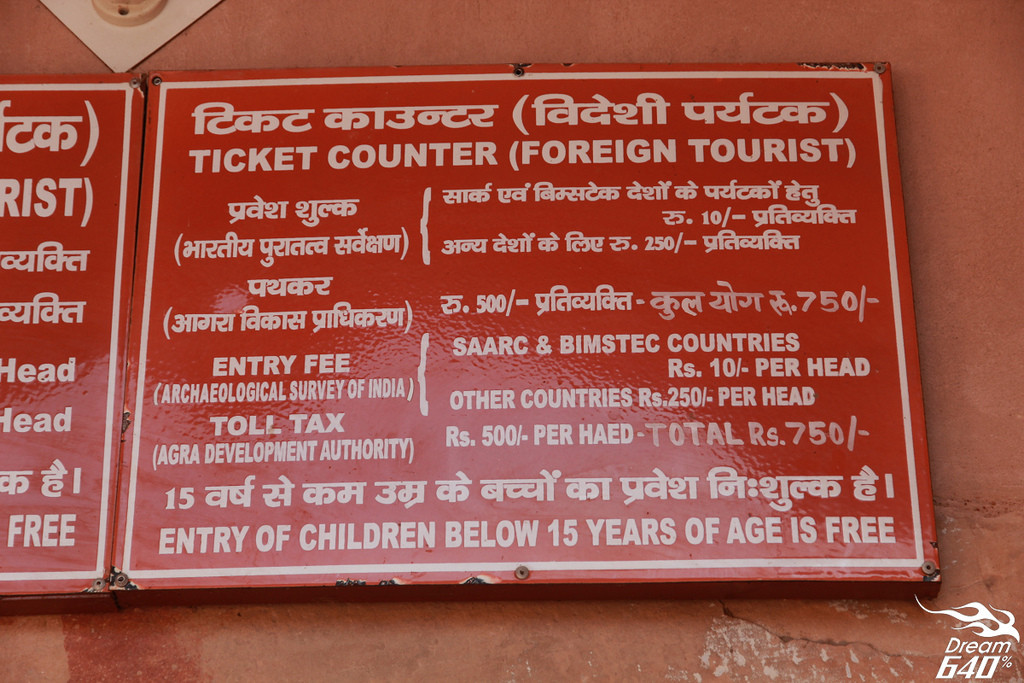
%纪夤?似奔郏?50 rupees
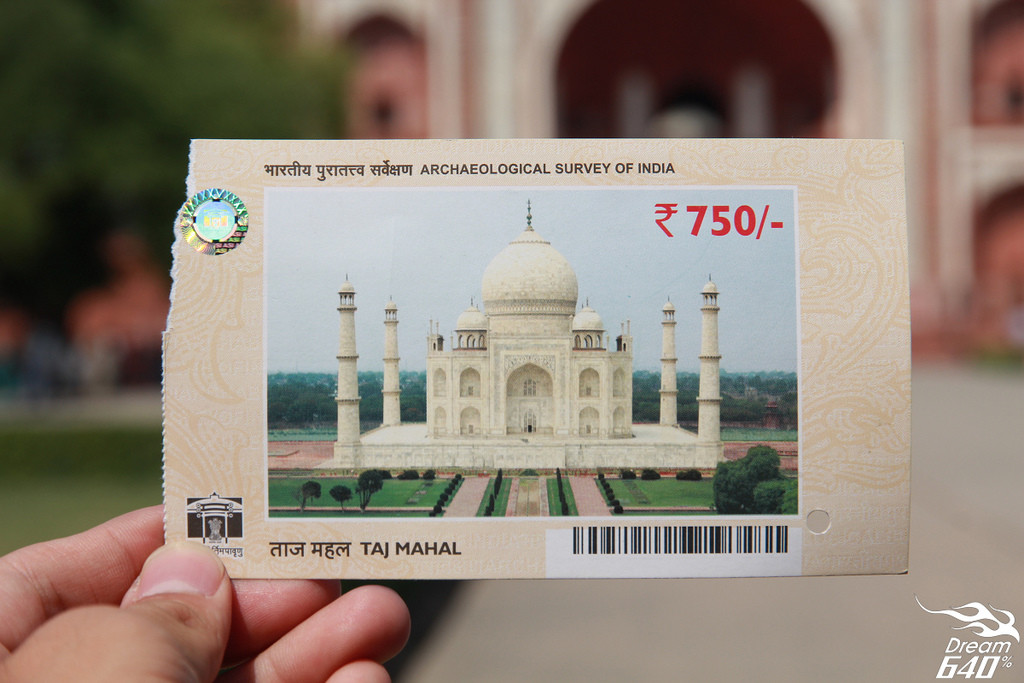
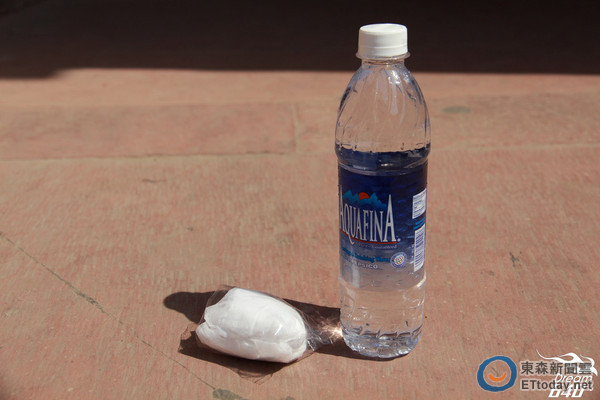
%际燮笨诨崴湍阋还薜00CC bottled water and a pair of shoe covers
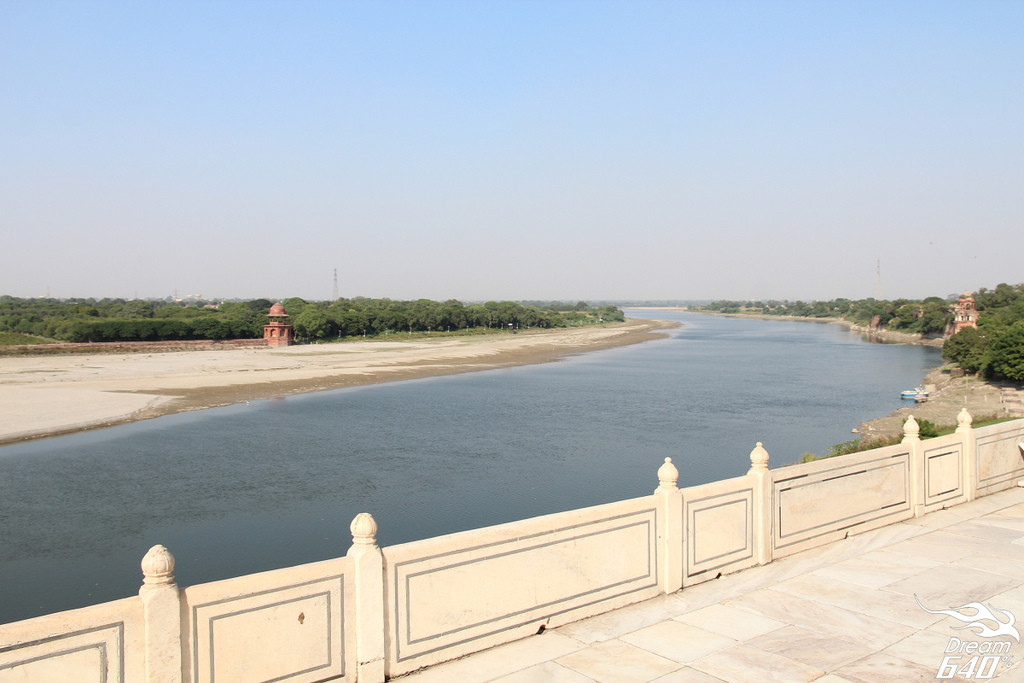
The Taj Mahal is located on the banks of the Yamuna River and was built by Mughal Emperor Shah Jahan, the fifth emperor of the dynasty, as a mausoleum for his beloved wife Mumtaz Mahal.
The word “Taj” in Taj Mahal means “crown,” so it is not accurate to refer to Mumtaz Mahal, who is buried here, as the Taj.
“Mumtaz 'Mahal” was Shah Jahan’s pet name for Mumtaz Mahal, meaning “the most beloved one in the palace.”
And the Taj Mahal means “the crown of palaces.”
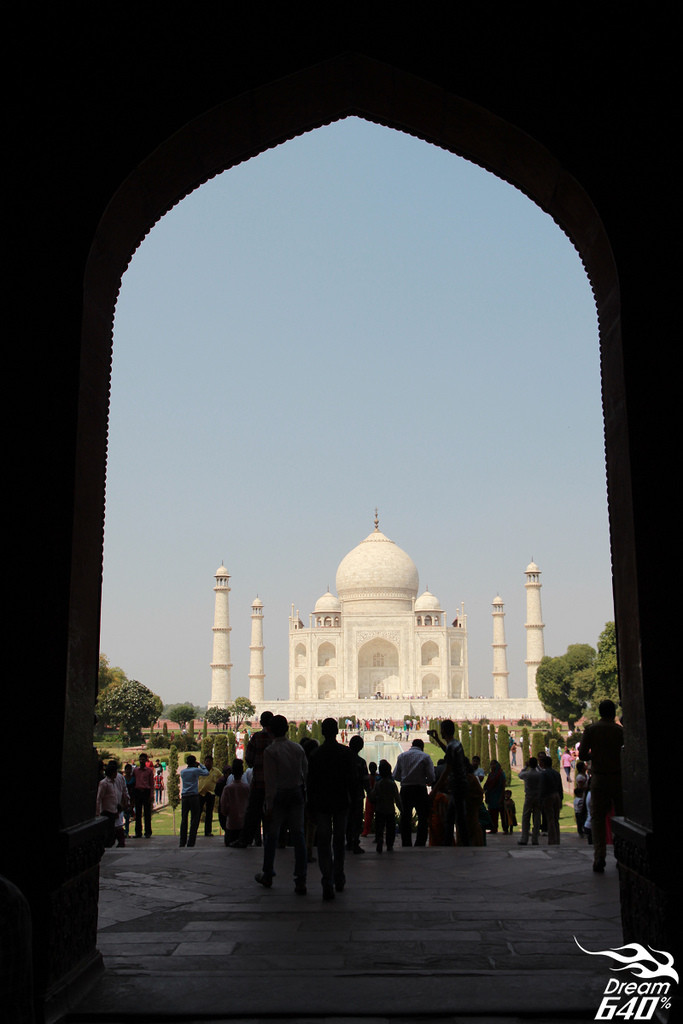
The Taj Mahal looks like a distant, unattainable white radiance. Just gazing at it from afar is awe-inspiring, let alone being there in person. The closer you get, the faster your heart beats, and you start to wonder if this is all a dream. So I punched my fellow traveler next to me, Qin Sheng, just to confirm that it was real.
Gradually, I got used to the idea that traveling means finding someone to chat with, bicker with, come up with jokes together, and act silly—there’s always laughter and some banter along the way.
Mumtaz 'Mahal and Shah Jahan were married for 19 years. She frequently accompanied the emperor on military campaigns and gave birth to a total of 14 children. In 1630 AD, Mumtaz 'Mahal died in childbirth during her 14th delivery. Before her death, she asked Shah Jahan never to remarry and to build her a beautiful mausoleum that everyone could admire.
Thus, Shah Jahan fulfilled his promise to his wife. Construction of the Taj Mahal began in 1631 AD, employing approximately 20,000 artisans from India and Central Asia. It took 22 years to complete and features a style that blends Indian, Persian, and Central Asian Islamic influences.
Historical records indicate that the building materials for the Taj Mahal came from across Asia and India. The white marble was sourced from Rajasthan, the jade from Punjab, the jade and crystal from China, the turquoise from Tibet, the colored glass from Afghanistan, and the sapphires from Sri Lanka. Over 1,000 elephants were used to transport the construction materials. Overall, about 28 types of gemstones were inlaid into the white marble, and the total cost was around 40 million rupees.
[Main Gate]
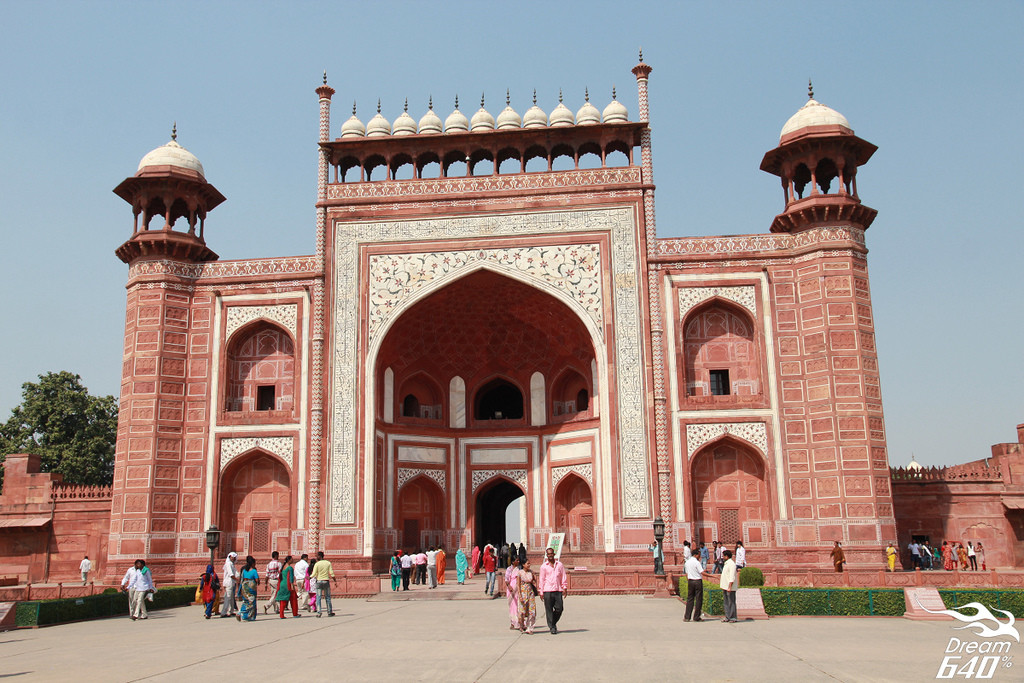
The main gate of the Taj Mahal is a red sandstone structure decorated with white borders, typical of Islamic architecture. At the top of the gate, there are 11 small white domes on both the front and back, with each dome symbolizing one year, representing the 22 years it took to build the Taj Mahal.
[Main Structure]
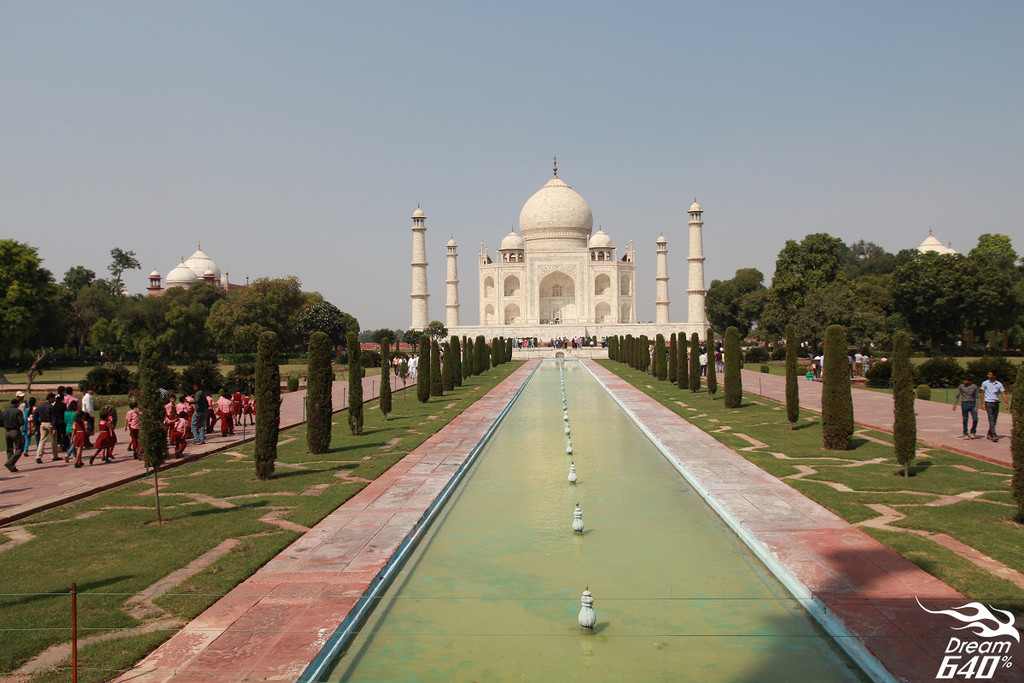
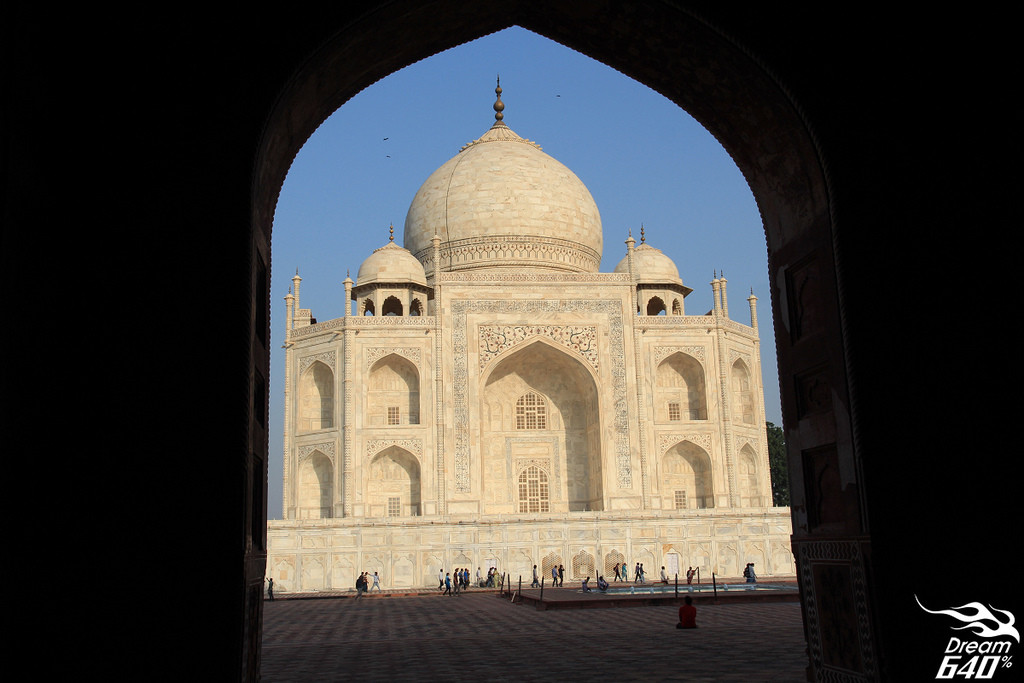
The main structure of the Taj Mahal is an irregular octagon, with a base that combines square and rectangular shapes, standing 22TN high and covering 313 square TN. At the center of the main structure is a hemispherical dome, surrounded by four smaller domes. Although the main tomb is built from white marble, it is adorned with various colored gemstones, crystals, and malachite and turquoise inlays that form intricate patterns and designs.
The architectural concept of the Taj Mahal is based on balance, symmetry, and the number “4.” In Islamic faith, the number “4” is considered very sacred, so the four minarets, the four smaller domes, and the square garden all symbolize peace and sanctity.
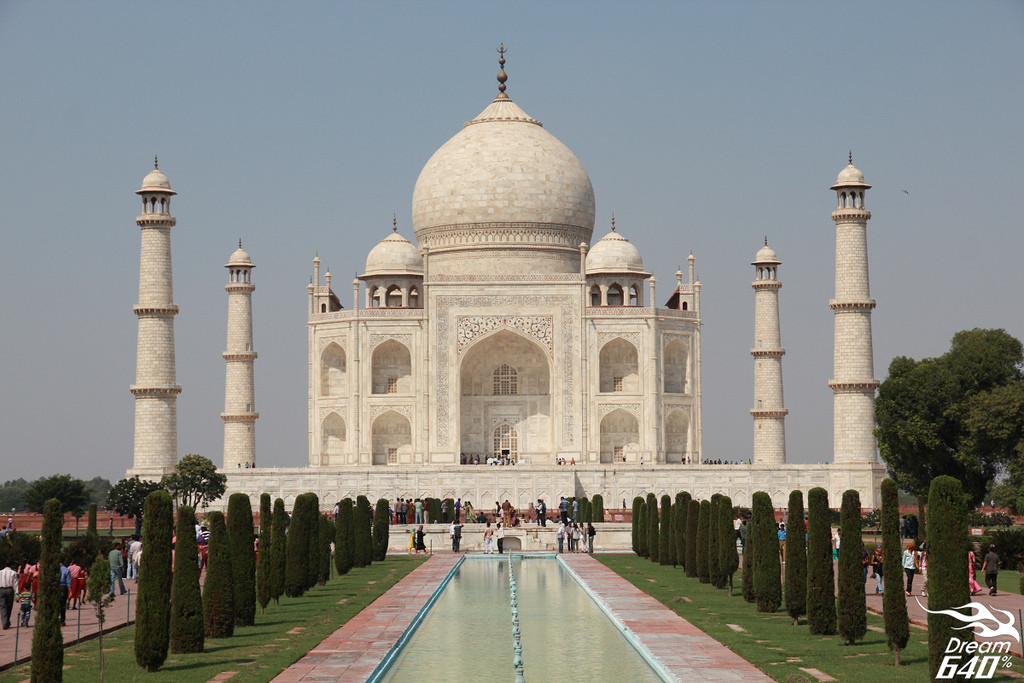
Yu Qiuyu once said in "A Sigh Travelled a Thousand Years":
“Where is the red and white anymore, where is the beauty and splendor,
It is just itself, the world’s foremost architecture, conquering everything with its fairy-tale-like crystalline simplicity.”
%急嘲?突锇椹ば置玫导/p>
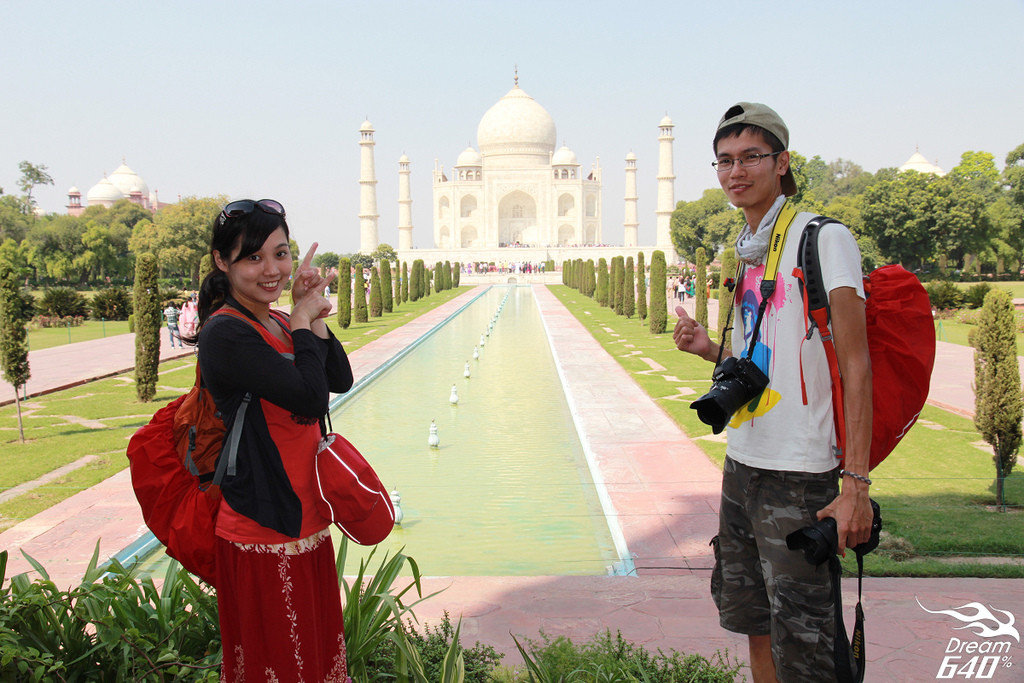
%急嘲?突锇椹ば值艿导/p>
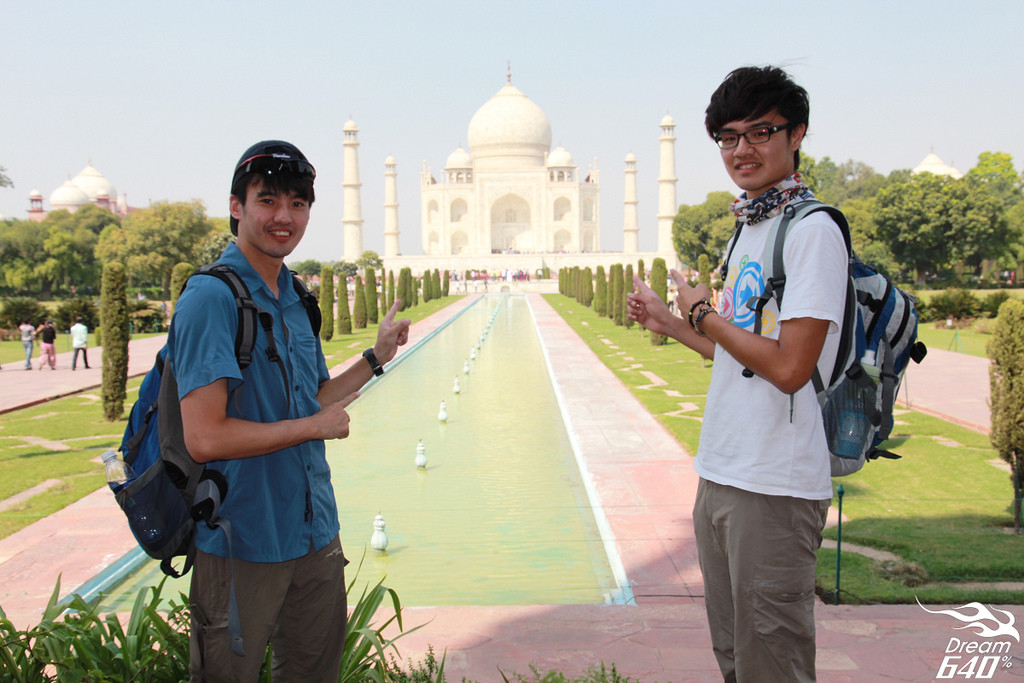
I’ve never understood why photos taken by passersby always turn out so unique and full of quirky charm that they become treasures worth cherishing.
%几行宦啡说陌锩Γ?翟谑呛苡写蟀?
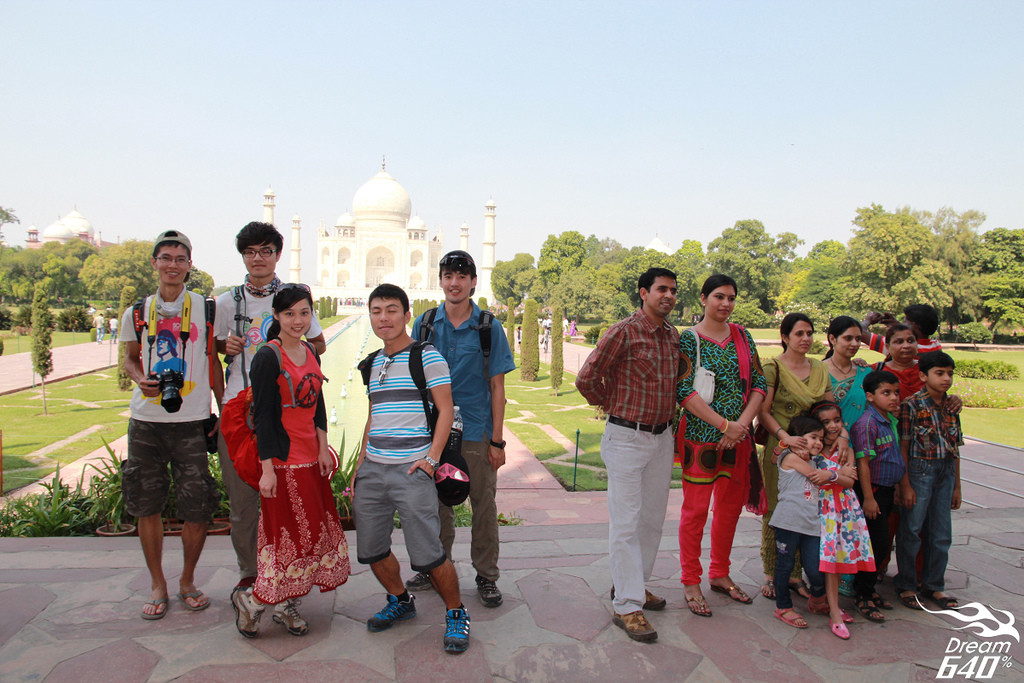
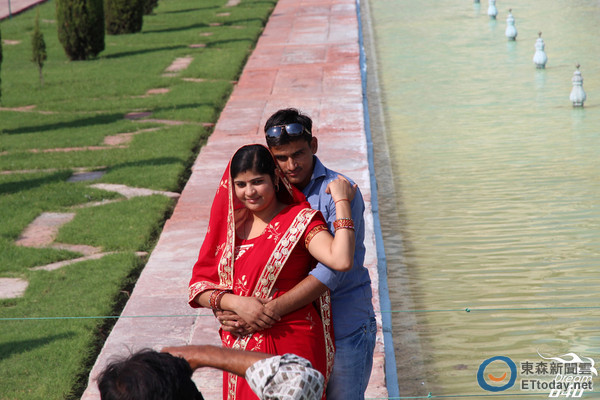
This group photo is just too heartwarming—even the Indian family next to us got included. It’s actually a super sweet multi-generational family photo.
% Collage?? Evening at the ruins/p>
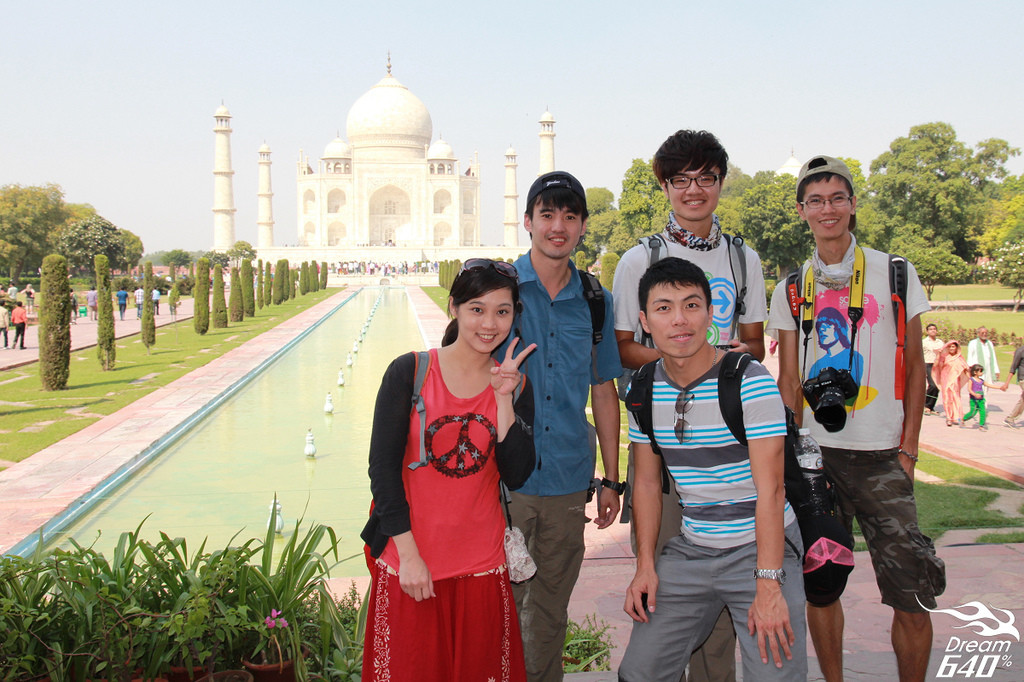
Indians are a relatively unfamiliar ethnic group to us, and their expressions and poses when taking photos are also worthy of our pilgrimage.
% The vibrant flowers blooming brilliantly in the distance are a refreshing sight after the intense humidity of the jungle.
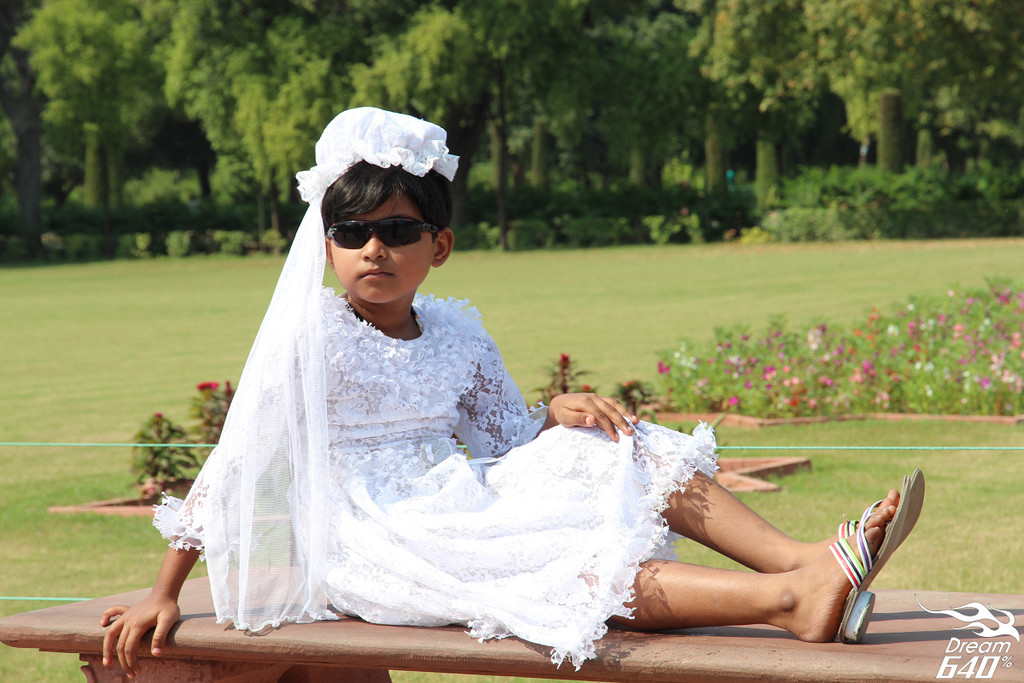
% This is the common style among locals here, all symbolizing good fortune.
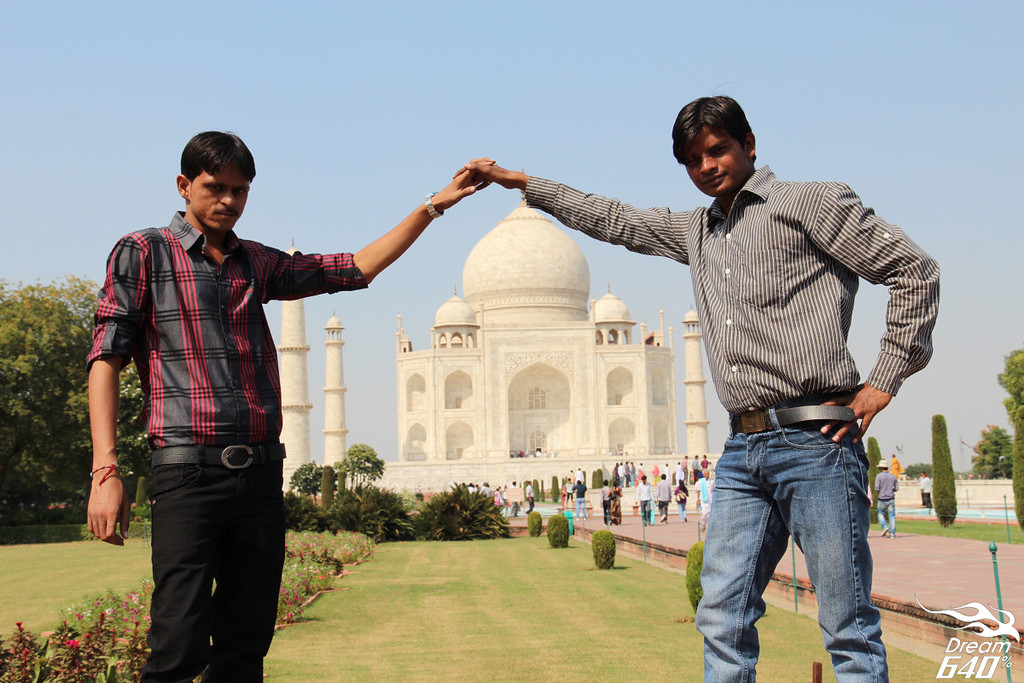
% This is the main course.
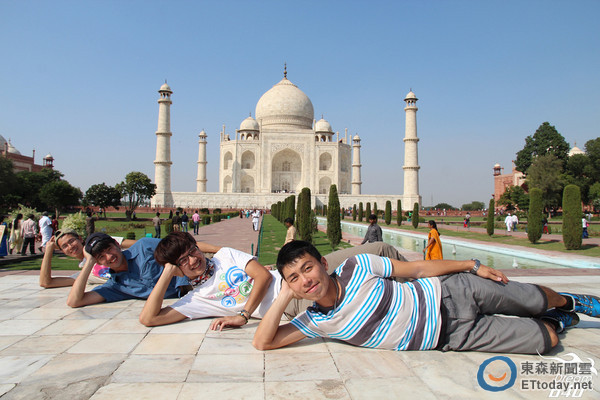
Next up, it’s our Taj Mahal photo shoot moment!
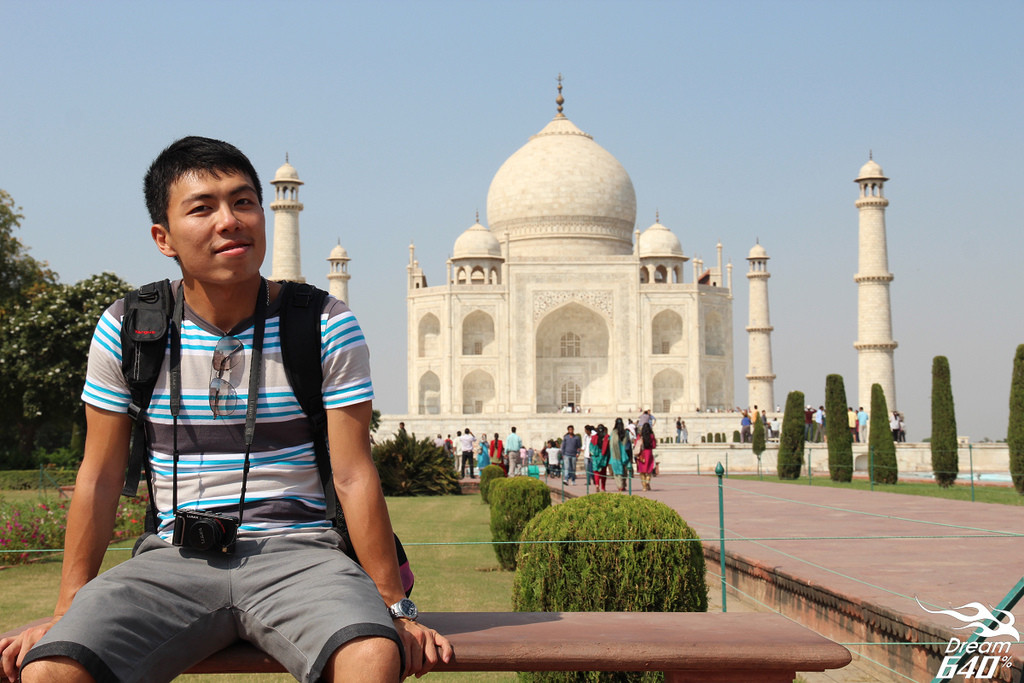
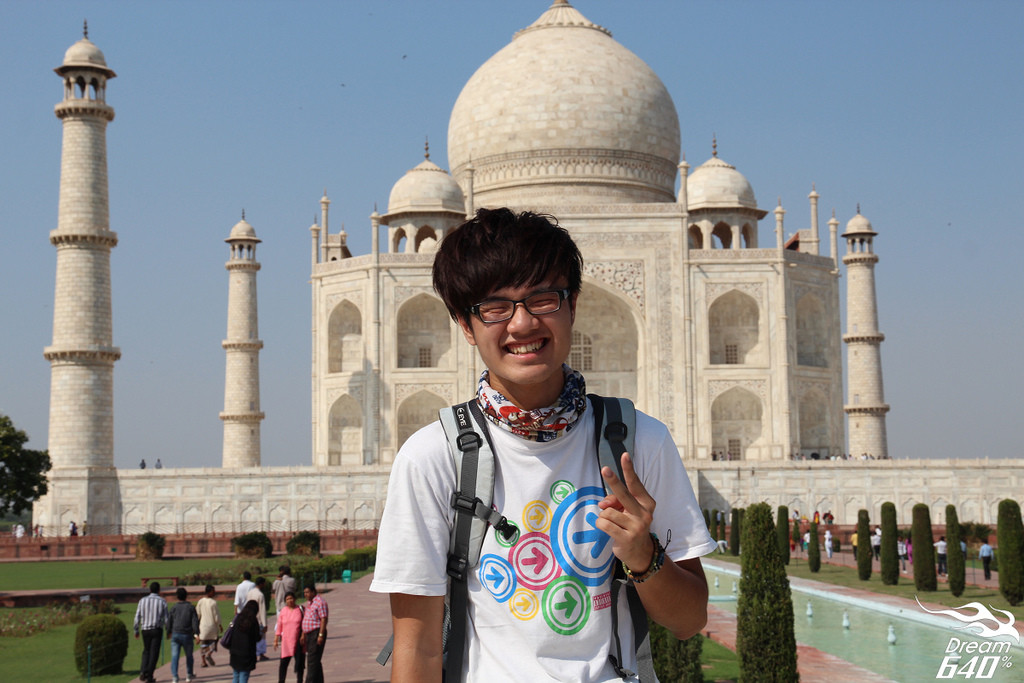
The Taj Mahal is like a white teardrop,
This teardrop of Shah Jahan’s is an eternal love of a king for his wife.
Tagore described the Taj Mahal as “a teardrop on the face of eternity”;
The Taj Mahal also resembles the shape of a crown, a preserved diadem of Shah Jahan, conveying day-and-night longing.
Tagore said: “You have placed an imperishable crown of glory upon the brow of death.”
“The whispers you breathed into your lover’s ear are now engraved upon the eternal silence of white stone.”
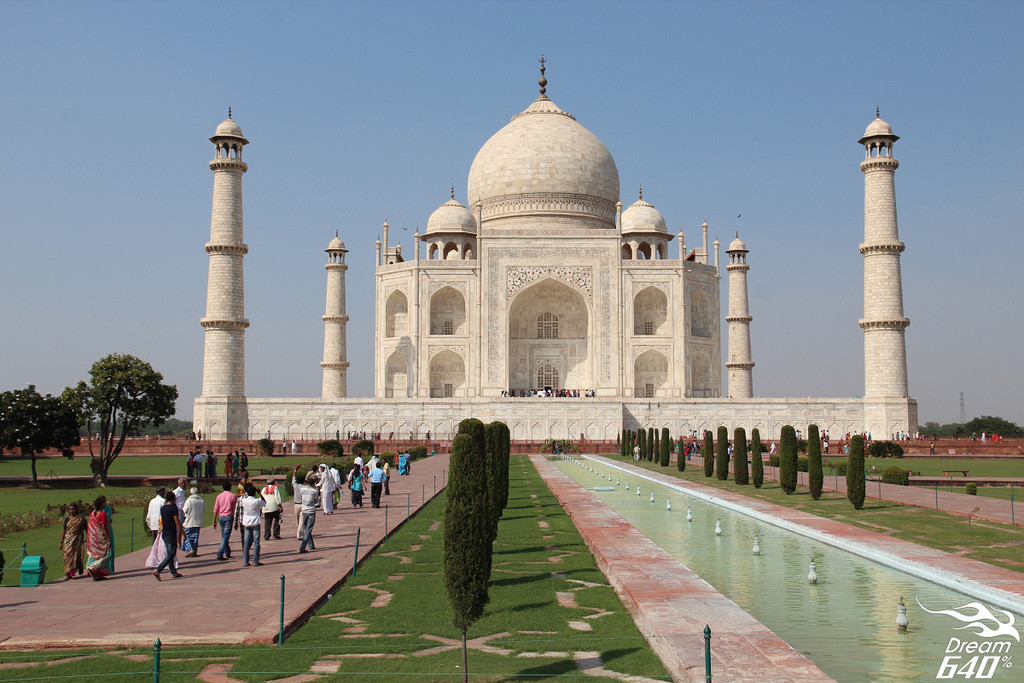
The white sorrow is crystal clear, shining continuously in my heart,
What kind of love could create such a world wonder,
Whether what is celebrated today is the architecture or the love,
Both devoted their lifelong effort and the strength of an entire nation to create an immortal miracle.
% The main hall features exquisitely beautiful tile mosaics.
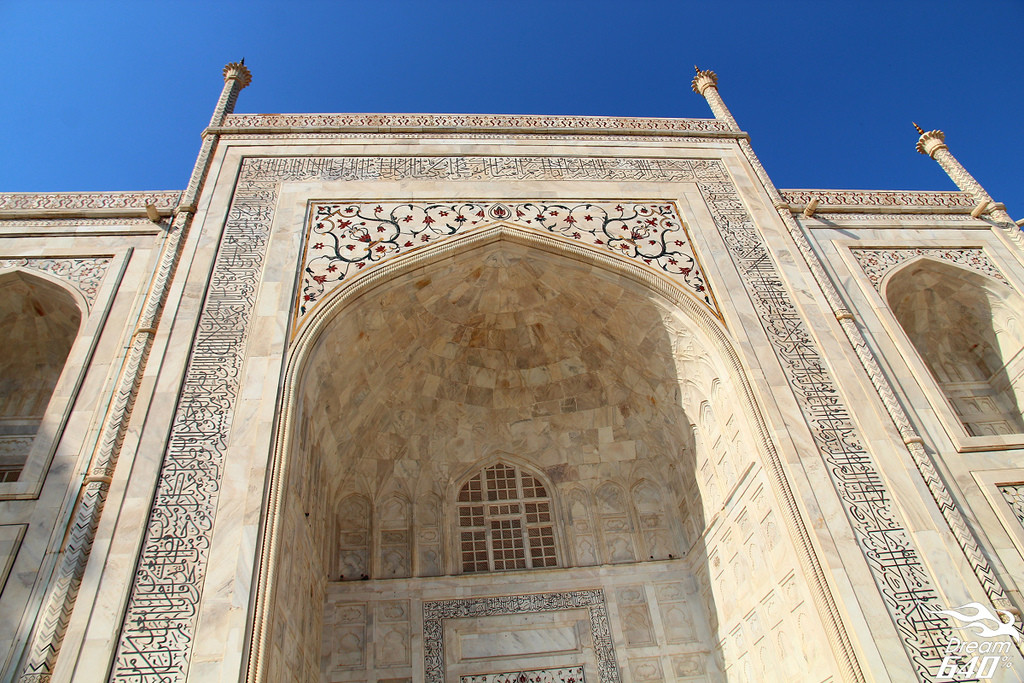
The Islamic scripture calligraphy is larger at the top than at the bottom, so when viewed from below, it appears perfectly balanced — a design utilizing the difference in human visual perception.
>>>This article is excerpted from the blog “My Sincere and Devoted Heart”
Share
This article is published by HowToTrip. Sharing and reposting are welcome — please credit the source.
Article URL: https://www.howtotrip.net/views-27406
Related Articles
- Shaoxing's "Grandpa Gourd" hangs the gourds back up: "If there are too many people, we'll interact less — just take a quick look from afar"
- Chinese authorities announce "reciprocal adjustment" to Japan visa fees — single-entry visa jumps from 2,250 to 16,750 yen!
- The "health stones" carried by a traveler were found to have radiation levels exceeding safety limits by a thousand times, potentially endangering fellow passengers on the same flight. Customs issues warning!
- Shenzhen Airport Issues Late-Night Notice: Unidentified Aerial Object Detected, Causing Widespread Flight Delays!
- “They only said it cost money after I opened the box and washed it!” 200g of grapes sold for 60 yuan on a high-speed train—12306 responds!
- Can't buy an airline ticket? Denied exit? Blocked from boarding? A large number of Chinese tourists have mysteriously become "discredited individuals"
- Adverse weather and economic fluctuations impact Colombia's coffee market
- Beach bathing area responds to 2 yuan/30 seconds fee for freshwater foot rinsing: Clearly priced!
- Taking off with an improperly closed cabin door? Wing malfunction? Multiple flights made emergency returns mid-journey!
- Experience the gifts of nature! A countdown of the world’s ten most stunning coastlines