Lifestyle, arts, and historic sites – The charm of Taipei’s Gongguan area is waiting to be explored
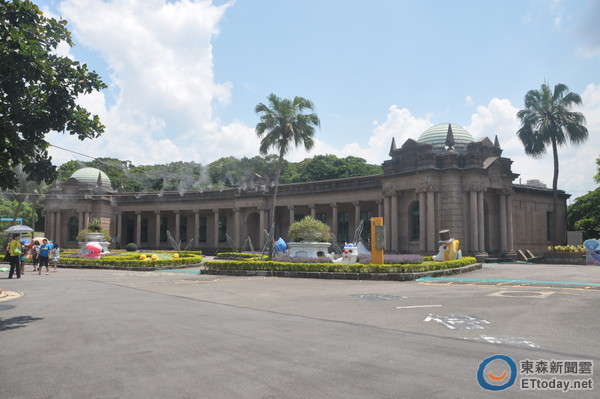
▲ Taipei Water Department Park: A Baroque-style European building with classical charm, reminiscent of the Parthenon in ancient Greece. (Photo by intern reporter Li Hanxin)
Intern Reporter Li Hanxin / Taipei Reporting
When people mention Gongguan, they usually think of food and shopping, but they overlook the traces of time preserved within this bustling commercial district. The old history standing there awaits being revisited and rediscovered.
The historical settlement “Treasure Hill,” with its irregularly arranged old houses built along the hillside, holds its own unique story in every corner. With a history of 150 years, it has witnessed the changes in Gongguan, where the past and present coexist harmoniously. The “Taipei Water Department Park” reflects the dedication of the Japanese colonial government to Taiwan’s public infrastructure. Meanwhile, the “Hakka Cultural Theme Park” evokes nostalgic memories for urban Hakka people, showcasing the simple rural life culture of Hakka communities amid the hustle and bustle of the city.
A special cultural cohabitation settlement – Treasure Hill
Writer Liu Kexiang once said, “Treasure Hill was once the ‘Little Red Cliff’ in the hearts of ancient literati who boated on the Xindian River.” Located under Fuhe Bridge, Treasure Hill covers an area of 3.97 hectares and is a designated municipal historic site in Taipei. Rows of simple houses form a small neighborhood community, quietly standing on the hillside and telling another piece of Gongguan’s history. In 1980, the Taipei City Government planned to turn Treasure Hill into a park, putting residents at risk of becoming homeless. However, the government failed to properly handle the subsequent resettlement of residents, delaying the demolition of the Treasure Hill settlement for nearly 20 years.
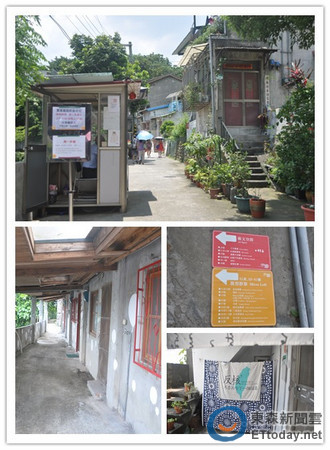
▲ The historical settlement “Treasure Hill,” with its irregularly arranged old houses built along the hillside, holds its own unique story in every corner. (Photo by intern reporter Li Hanxin)
A home built by multicultural immigrants through self-reliance, the unique humanistic history of Treasure Hill has drawn attention from the outside world. After much effort, it finally gained recognition from the Taipei City Government’s Cultural Affairs Bureau and was designated as a preservation area. In 2006, The New York Times included it among Taipei’s most distinctive attractions, ranking it alongside Taipei 101. In recent years, with the presence and openness of artists and creative studios, the public has begun to discover this special cultural cohabitation settlement that spreads unevenly along the hillside.
Treasure Hill houses 14 artist studios, serving as work and living spaces for domestic and international resident artists. Matt Rogan from Christchurch, New Zealand, is one of the invited resident artists this time, exhibiting “Room 36.” He uses locally sourced Taiwanese materials, creating works that feel full of exotic charm.Additionally, on July 20 and 21, there will be a “Spend a Night at Treasure Hill” experience camp. Over two days and one night, through shared discussions and participatory design, participants will sketch out imaginative and unrestricted future visions for the settlement’s space, serving as the first step for follow-up plans.
A classical Baroque-style European building – Taipei Water Department Park
When visiting Gongguan, you shouldn’t miss the Taipei Water Department Park. Its highly classical Baroque-style European architecture, reminiscent of the Parthenon in ancient Greece, has become a popular spot for wedding photography. Its water-friendly zone also becomes a great place to cool off in the summer heat. This year, in addition to the existing large water garden and fun splash pool for families, weekend afternoons also feature street performer shows, magic, balloons, acrobatics, and other parent-child interactive activities. These bring joy and laughter, filling the space with vitality. Amidst the busy city of Taipei, visitors can fully enjoy this rare natural park.
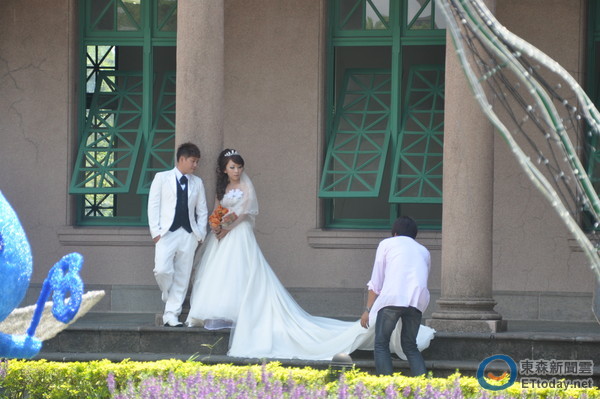
▲ The classical Baroque-style European building of Taipei Water Department Park is a popular spot for wedding photography. (Photo by intern reporter Li Hanxin)
The Taipei Water Festival opened on June 29 and runs until August 31. The Taipei Water Department has also partnered with the Taipei Daan-Gongguan commercial area. By purchasing tickets at the water park and accumulating points from shopping at local businesses, visitors can exchange them for one eco-friendly water-themed tote bag. Additionally, during the summer vacation, those who apply for an electronic bill from the water department at the water park not only receive an immediate benefit of free entry for two people, but also get two VIP tickets to the Taipei Water Park and discounts on water bills.
Most people who come here are with their children for water activities, often forgetting that there is also a quiet path leading to the “Guanyinshan Reservoir,” the oldest clean water filtration and storage facility in Taipei’s water supply history. Built in 1908 (Meiji 41), it once supplied water as far as the Dadaocheng area, making it a vital facility. The reservoir and its auxiliary buildings are constructed with reinforced concrete roofs and brick walls. The horizontal stone-laid appearance, combined with simple lines and a strikingly bright red exterior that maintains an elegant form, is both classic and solid.
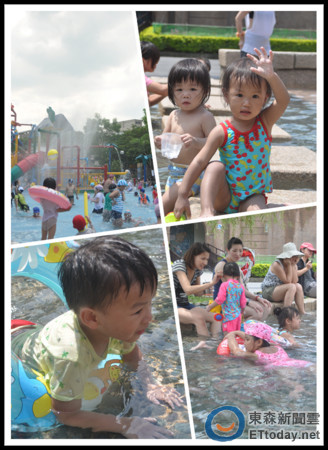
▲ The Taipei Water Festival has opened, with many parents bringing their children to play and cool off in the water. (Photo by intern reporter Li Hanxin)
Famous travel show host Lai Shanggang, after visiting, emotionally remarked that the careful preservation and maintenance of Japanese colonial-era architecture by Taiwanese people not only demonstrates a high level of inclusiveness, but also helps Japanese visitors better understand their own culture.
Share
This article is published by HowToTrip. Sharing and reposting are welcome — please credit the source.
Article URL: https://www.howtotrip.net/views-27374
Related Articles
- Shaoxing's "Grandpa Gourd" hangs the gourds back up: "If there are too many people, we'll interact less — just take a quick look from afar"
- Chinese authorities announce "reciprocal adjustment" to Japan visa fees — single-entry visa jumps from 2,250 to 16,750 yen!
- The "health stones" carried by a traveler were found to have radiation levels exceeding safety limits by a thousand times, potentially endangering fellow passengers on the same flight. Customs issues warning!
- Shenzhen Airport Issues Late-Night Notice: Unidentified Aerial Object Detected, Causing Widespread Flight Delays!
- “They only said it cost money after I opened the box and washed it!” 200g of grapes sold for 60 yuan on a high-speed train—12306 responds!
- Can't buy an airline ticket? Denied exit? Blocked from boarding? A large number of Chinese tourists have mysteriously become "discredited individuals"
- Adverse weather and economic fluctuations impact Colombia's coffee market
- Beach bathing area responds to 2 yuan/30 seconds fee for freshwater foot rinsing: Clearly priced!
- Taking off with an improperly closed cabin door? Wing malfunction? Multiple flights made emergency returns mid-journey!
- Experience the gifts of nature! A countdown of the world’s ten most stunning coastlines