It’s here! The "mythical bird" – one of only 50 in the world – spotted in Matsu
Reported and photographed by You T-Ru / Matsu
The extremely rare "mythical bird," with only 50 individuals known to exist worldwide, has been sighted in Matsu – six of them, to be exact!
At 9 a.m. yesterday (31st), a bird-watching boat set off from Matsu. About 30 minutes later, it arrived at "Tiejian Island," this year's (2013) largest gathering site of terns. After circling the island three times by sea, the bird-watchers spotted six endangered "Chinese crested terns" among the thousands of spectacular birds.
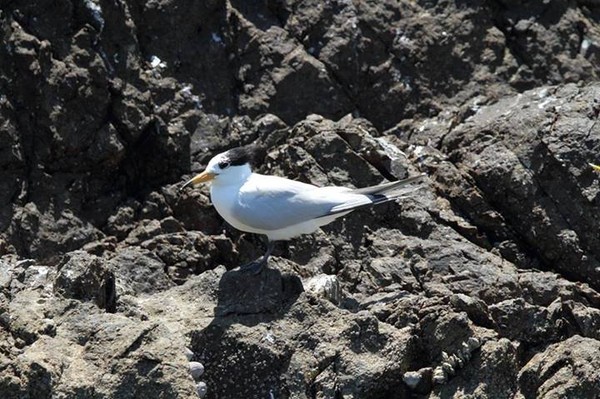
▲ The extremely rare "mythical bird" has been spotted in Matsu!
(Photo / Courtesy of Matsu Love Go; Facebook page of Wang Shuqin)

▲ With a yellow beak that is black at the very tip – that’s the mythical bird.
"See it? At 12 o'clock, the one that’s particularly white, right on the ridge." Wang Jianhua, principal of Ren’ai Elementary School and a local bird-watching enthusiast in Matsu, was able to clearly identify the world’s rare "Chinese crested tern" from an island inhabited by thousands of terns – using just his naked eye and a telephoto lens. With only around 50 individuals believed to exist in the world, the Chinese crested tern is all-white in color. The best way to identify it is by its beak: a yellow beak with a black tip, and a slightly smaller body size compared to other terns – this is the legendary mythical bird.
Spotting the presence of the "Chinese crested tern" among thousands of terns is no easy task, but the search for this bird adds an element of mystery and unpredictability to the sea bird-watching experience. Yu Zhenzhe from the Matsu National Scenic Area Administration said that this year, the bird conditions at Tiejian Islet and Zhong Islet are excellent, with the number of terns in Matsu being the highest in years. The rarely seen Chinese crested tern can also be clearly observed flying over the sea.

▲ % Seasonal retreats also reveal stunning coastal views and fatherly affection.
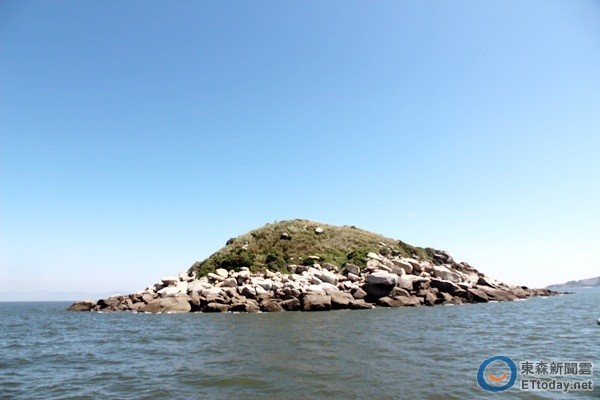
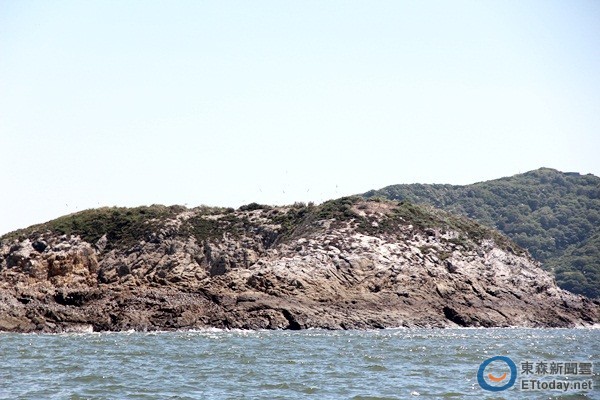
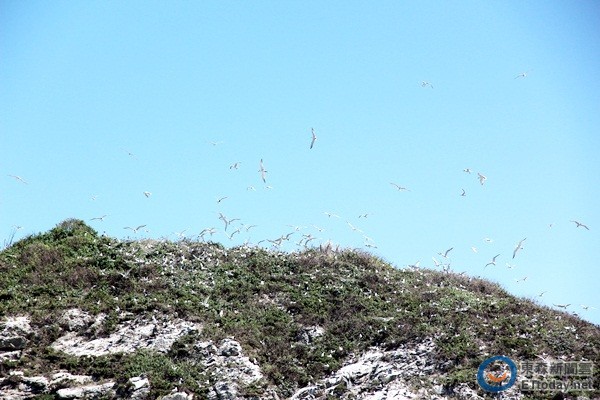
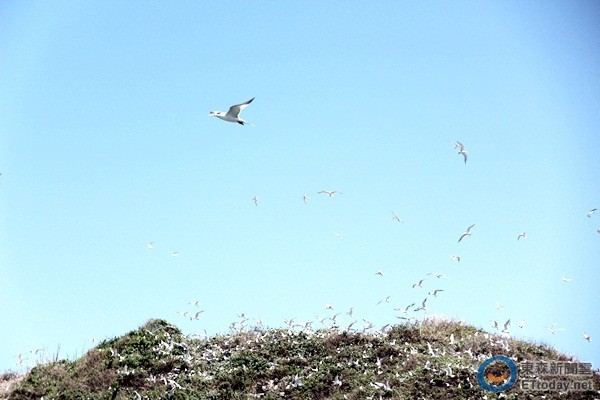
The "mythical bird" – the Chinese crested tern – was last confirmed to be observed in 1937. Before 2000, many scholars and experts suspected it had gone extinct. It wasn’t until 2000, when four pairs were discovered in Matsu and successfully bred the next generation, that proof of its continued existence emerged. This also highlighted Matsu’s importance in avian geographical distribution. As a result, the summer tern-watching trips in Matsu are now filled with anticipation and excitement.
Setting off from Fuguo Wharf in Nangan, the route circles through Jin Islet, Tiejian Islet in Beigan, and the tern protection areas of Zhong Islet. Along the way, you can enjoy Matsu’s unique sea erosion ecology and former military landscapes, as well as gain a different perspective on the terns in the region. According to on-site surveys by the Matsu National Scenic Area Administration, this year’s bird conditions are excellent. Species such as the greater crested tern, bridled tern, and sooty tern have successively arrived in Matsu to breed. It is estimated that there are currently several thousand greater crested terns nesting on Tiejian Islet.
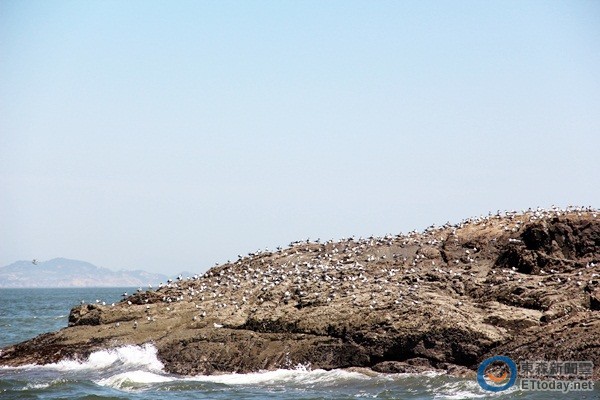
While sailing on the sea, about 100 meters outside the protected area, you can clearly hear the calls of the terns, with thousands of birds circling and feeding on fish above Tiejian Islet. In addition, sooty terns and bridled terns inhabit Zhong Islet. Currently, both terns and migratory birds are gradually arriving at the uninhabited islands in the Matsu area. As the bird-watching route approaches the tern protection zones, the onboard guide will first introduce the characteristics of various terns and migratory birds using pictures. Passengers can then use the ship’s binoculars to observe the terns’ movements from 100 meters away within the protected area. The bird-watching activity runs from now until August 30th, departing based on weather and sea conditions. Each trip lasts approximately two hours, with a fee of NT$250 per person.
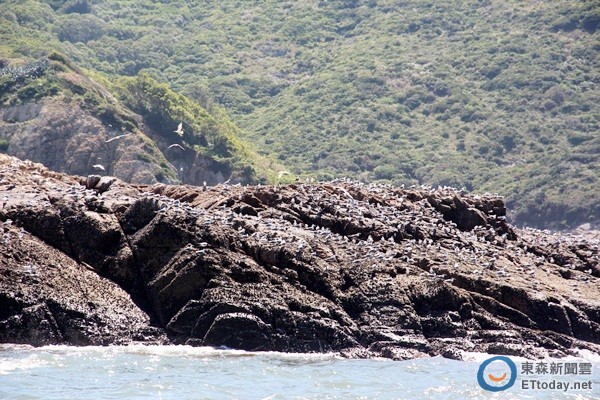
▲ % At 100 meters from the protected area, you can clearly hear the calls of the terns.
Share
This article is published by HowToTrip. Sharing and reposting are welcome — please credit the source.
Article URL: https://www.howtotrip.net/views-27222
Related Articles
- Shaoxing's "Grandpa Gourd" hangs the gourds back up: "If there are too many people, we'll interact less — just take a quick look from afar"
- Chinese authorities announce "reciprocal adjustment" to Japan visa fees — single-entry visa jumps from 2,250 to 16,750 yen!
- The "health stones" carried by a traveler were found to have radiation levels exceeding safety limits by a thousand times, potentially endangering fellow passengers on the same flight. Customs issues warning!
- Shenzhen Airport Issues Late-Night Notice: Unidentified Aerial Object Detected, Causing Widespread Flight Delays!
- “They only said it cost money after I opened the box and washed it!” 200g of grapes sold for 60 yuan on a high-speed train—12306 responds!
- Can't buy an airline ticket? Denied exit? Blocked from boarding? A large number of Chinese tourists have mysteriously become "discredited individuals"
- Adverse weather and economic fluctuations impact Colombia's coffee market
- Beach bathing area responds to 2 yuan/30 seconds fee for freshwater foot rinsing: Clearly priced!
- Taking off with an improperly closed cabin door? Wing malfunction? Multiple flights made emergency returns mid-journey!
- Experience the gifts of nature! A countdown of the world’s ten most stunning coastlines