The Wujie Tribe in Nantou County is nestled between mountains and water, a heavenly retreat away from the hustle and bustle.
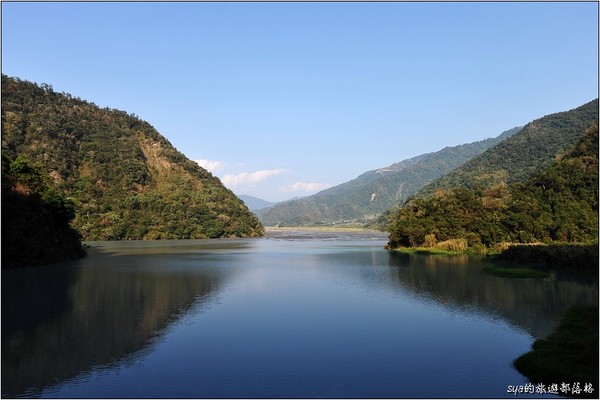
▲ Wujie Reservoir.
Photos and text bysya
The "Wujie Tribe" in Nantou County is located in Ren'ai Township, now renamed Fazhi Village, and is an indigenous community of the Bunun Dzuojhih sub-tribe. Most residents are engaged in farming, and the area boasts a simple and honest folk culture with stunning surrounding scenery, resembling a paradise on earth. The tribe is situated between Wujie Mountain and Gansehwan Mountain, with the Zhuoshui River flowing through it, and the village lies on a valley terrain.
Starting from Puli and taking Provincial Highway 83, after crossing two mountain ridges in about an hour, you can spot the Wujie Tribe nestled in the river valley between the mountains. The tribe is mainly scattered along both banks of the Zhuoshui River in this area, with most residences clustered on the right bank of the river, while the left bank is primarily used for farming. Most Wujie Tribe residents make a living through agriculture.
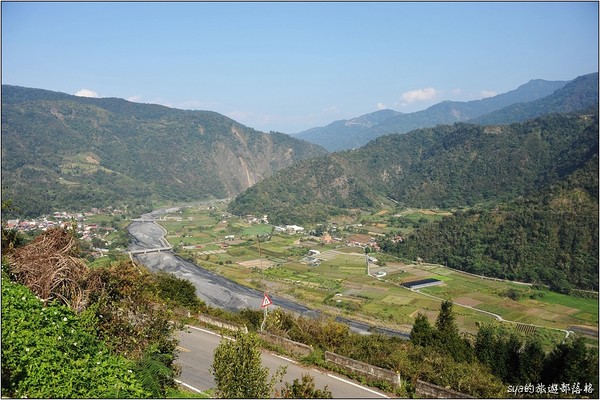
▲ Wujie Tribe.
Calling Wujie a heavenly retreat is no exaggeration. In Taiwan, outside of high-altitude areas, it’s rare to find such pristine scenery—a scene of remarkable tranquility. It’s the kind of quiet where you feel the need to lower your voice even when speaking, and drive without pressing the accelerator too hard. The calm water surface and gently resting hills create a breathtaking view as if meticulously composed. If you think this is just flowery language, you really must visit in person. Whether it’s the village, the reservoir, the streams, forest trails, mountains, or valleys, everything scattered across this village seems touched with a beautiful hue and charm.
Due to the valley terrain, Wujie is often shrouded in fog in the early morning, and the ever-changing sea of clouds has earned it the title "Hometown of Clouds." As the sun rises, the fog gradually dissipates, like a shy girl lifting her veil, revealing the tribe’s simple and peaceful character—this transformation can be clearly observed from the tribal lookout at Wujie guesthouses.
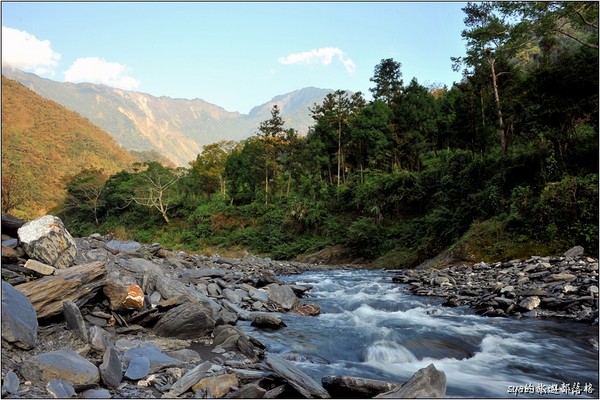
▲ Wujie Forest Trail.
Because Wujie has not undergone excessive human development, its pristine environment remains remarkably well-preserved, like a utopia untouched by time. The area features must-visit recreational spots such as the Wujie Dam, the dam summit trail, the Siyuan Suspension Bridge, the Wujie Suspension Bridge, and the Qubing Canyon. With ample time, you can also explore nearby attractions like the Wujie Forest Trail, the Stalactite Wall, the Wujie Waterfall, the Qubing Ruins, and the Bat Cave. You can choose to discover these places one by one like an explorer, or opt for an in-depth tour guided by the guesthouse owners or knowledgeable local indigenous people.
In addition, within the tribe, you can visit the Wujie Suspension Bridge, Wujie Dam, and Siyuan Suspension Bridge. Heading north out of the tribe, you can also explore the Wujie Forest Trail and the Qubing Ruins, as well as attractions like the steel pipe suspension bridge and the Qubing Canyon. In fact, Wujie isn’t far from famous scenic spots like Qingjing and Aowanda, but due to minimal human development and previously inconvenient transportation, aside from local residents, it has remained largely secluded. However, with the gradual opening of county roads and the rising trend of indigenous tourism, will Nantou’s Wujie be able to maintain its current level of primitiveness and simplicity?
※ This article is provided by "Sya (Saiya)'s Travel Blog."
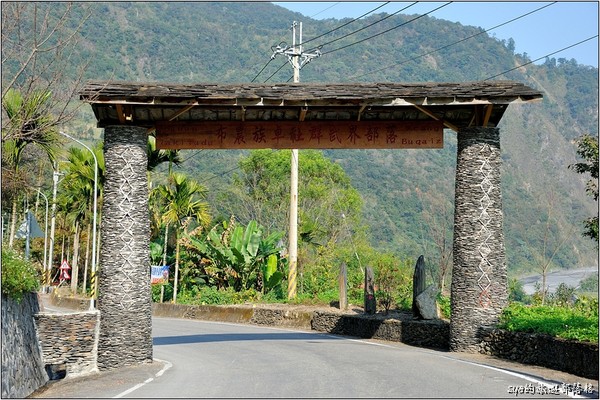 ▲ The archway at the entrance of the tribe. If you’re entering the village from the direction of Puli, before arriving at the tribe, look up and you’ll see an archway similar to those at Smangus or Zhenxi Fort—such structures are commonly seen at the entrances of indigenous tribes.
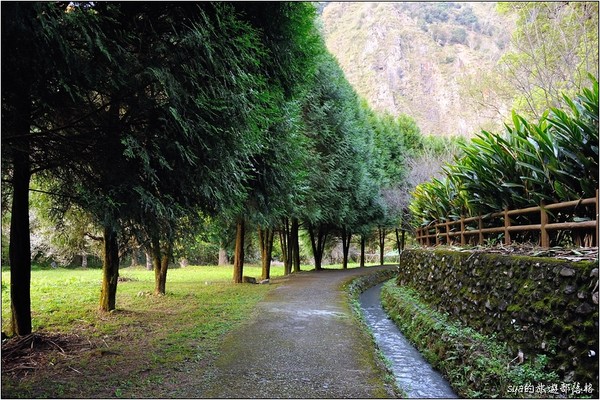
▲ A view along the Wujie Dam Summit Trail.
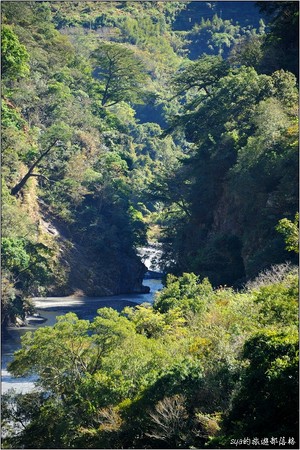
▲ Qubing Canyon.
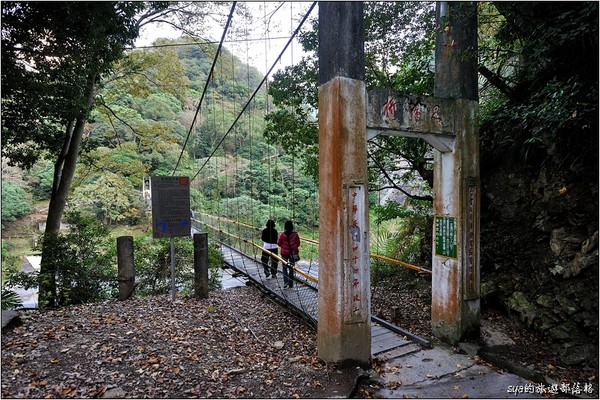
▲ Siyuan Suspension Bridge.
Share
This article is published by HowToTrip. Sharing and reposting are welcome — please credit the source.
Article URL: https://www.howtotrip.net/views-27100
Related Articles
- Shaoxing's "Grandpa Gourd" hangs the gourds back up: "If there are too many people, we'll interact less — just take a quick look from afar"
- Chinese authorities announce "reciprocal adjustment" to Japan visa fees — single-entry visa jumps from 2,250 to 16,750 yen!
- The "health stones" carried by a traveler were found to have radiation levels exceeding safety limits by a thousand times, potentially endangering fellow passengers on the same flight. Customs issues warning!
- Shenzhen Airport Issues Late-Night Notice: Unidentified Aerial Object Detected, Causing Widespread Flight Delays!
- “They only said it cost money after I opened the box and washed it!” 200g of grapes sold for 60 yuan on a high-speed train—12306 responds!
- Can't buy an airline ticket? Denied exit? Blocked from boarding? A large number of Chinese tourists have mysteriously become "discredited individuals"
- Adverse weather and economic fluctuations impact Colombia's coffee market
- Beach bathing area responds to 2 yuan/30 seconds fee for freshwater foot rinsing: Clearly priced!
- Taking off with an improperly closed cabin door? Wing malfunction? Multiple flights made emergency returns mid-journey!
- Experience the gifts of nature! A countdown of the world’s ten most stunning coastlines