The poet’s hatred transformed into beautiful verses—experience a century of Daegu in its alleys.

Text & photo /Music@Ben
After leaving the serene Gyesan Cathedral, hidden among the modern buildings around the futuristic Banwol-dong Subway Station is another place steeped in nostalgia—the former residences of poet Lee Sang-hwa and missionary Seo Sang-don.
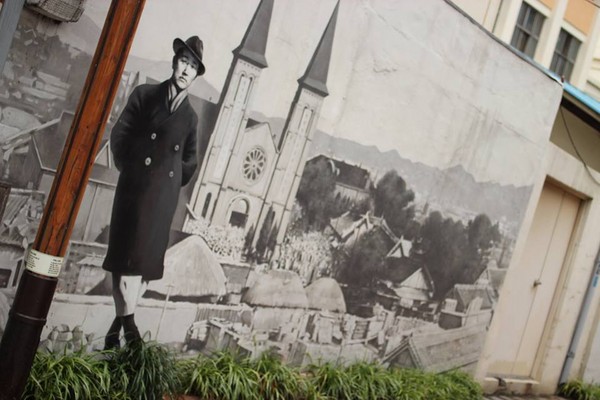
The murals along the way seem to tell the inseparable bond between the vibrant poet and Gyesan-dong (equivalent to a “district” in Taiwan). Lee Sang-hwa was a renowned patriotic poet of the independence movement. In his short 41-year life, he wrote many melancholic, decadent, and despairing poems, channeling through his pen the helplessness and indignation of living under Japanese colonial rule. In “Lament of the End Times,” he wrote:
In the blood-stained cave of the night
Ah—in the unbelievable cave
Not knowing when it will end
Not knowing when it will end
I, fallen to the ground
I, buried beneath
The sickly autumn breeze embracing me
Ah—the breeze of dreams embracing me
I know not day
I know not night
I stand alone in that wine-soaked home
Brewing wine from painful smiles
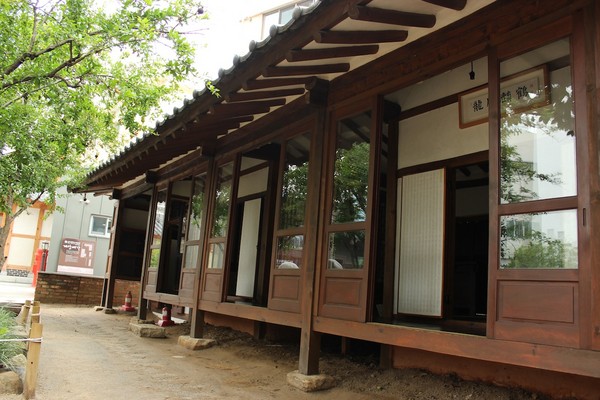
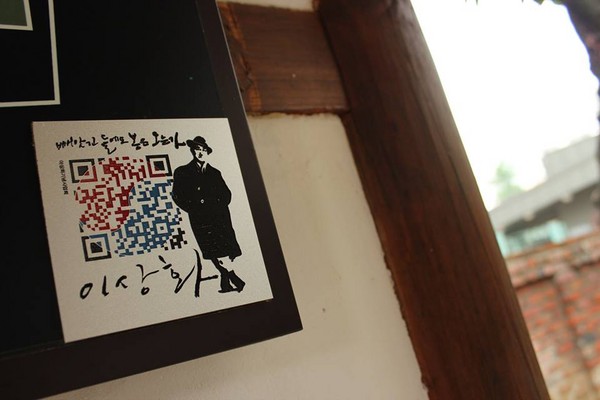
In the poet’s former home, his sorrowful sentiments can no longer be felt, and that history from half a century ago seems to only be recalled and remembered today through modern-day “barcodes.”
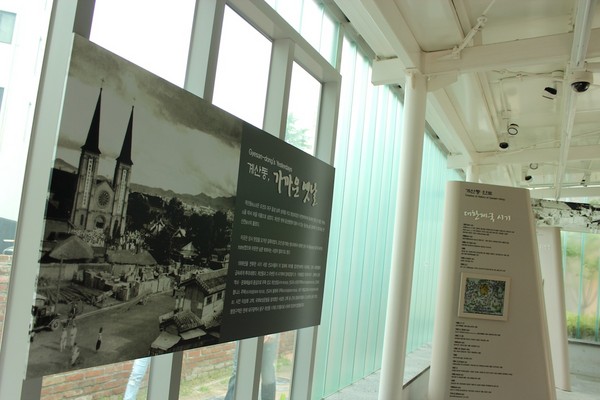
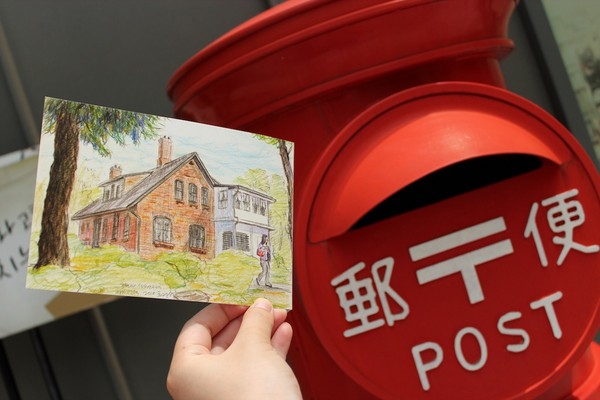
Passing through the yard of the poet’s home, you’ll find a small Daegu Modern Experience Hall, which displays images and history of modern Daegu. But what delights travelers the most is—this place sells commemorative postcards and has a “time capsule mailbox.” Write down your travel feelings and send them to yourself. A year later, perhaps at some forgotten moment, the postcard might flutter into your mailbox, bringing back memories of your journey from a year ago.
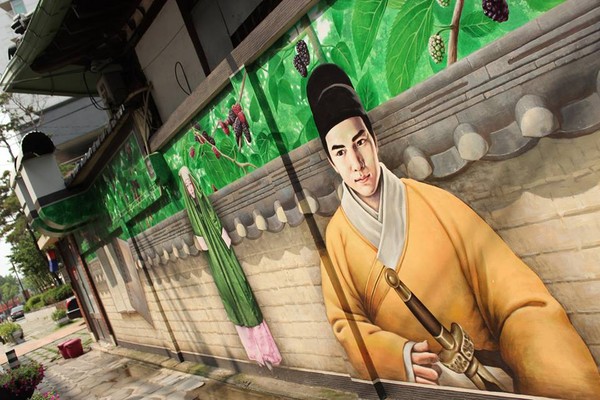
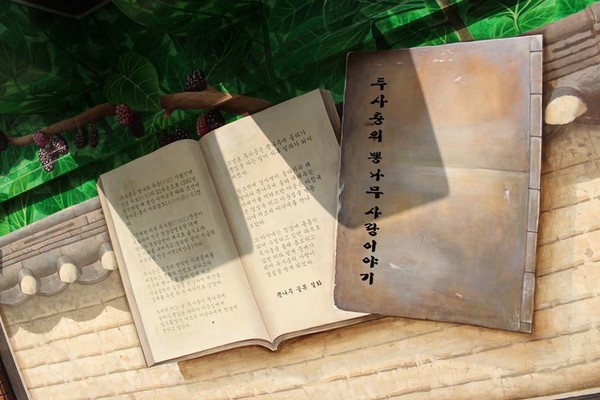
After mailing the postcard, travelers head toward “Mulberry Lane,” where the wall murals depict the stories of the street and the local artists who lived there, including painter Lee In-sung, poet Lee Sang-hwa, and novelist Hyun Jin-geon. The bright mulberries in the murals seem to symbolize the seeds sown by those before us, allowing us to taste their sweet fruit today.
Music@Ben:“Those who believe in dreams never ask how far, they only tell themselves—they’re getting closer.” Loves music, musicals, visuals, travel, and words. Attempts to create music and writing, hoping to produce more touching and memorable works.
Blog:MusiCORE=BEN's 囚劈?
Share
This article is published by HowToTrip. Sharing and reposting are welcome — please credit the source.
Article URL: https://www.howtotrip.net/views-27083
Related Articles
- Shaoxing's "Grandpa Gourd" hangs the gourds back up: "If there are too many people, we'll interact less — just take a quick look from afar"
- Chinese authorities announce "reciprocal adjustment" to Japan visa fees — single-entry visa jumps from 2,250 to 16,750 yen!
- The "health stones" carried by a traveler were found to have radiation levels exceeding safety limits by a thousand times, potentially endangering fellow passengers on the same flight. Customs issues warning!
- Shenzhen Airport Issues Late-Night Notice: Unidentified Aerial Object Detected, Causing Widespread Flight Delays!
- “They only said it cost money after I opened the box and washed it!” 200g of grapes sold for 60 yuan on a high-speed train—12306 responds!
- Can't buy an airline ticket? Denied exit? Blocked from boarding? A large number of Chinese tourists have mysteriously become "discredited individuals"
- Adverse weather and economic fluctuations impact Colombia's coffee market
- Beach bathing area responds to 2 yuan/30 seconds fee for freshwater foot rinsing: Clearly priced!
- Taking off with an improperly closed cabin door? Wing malfunction? Multiple flights made emergency returns mid-journey!
- Experience the gifts of nature! A countdown of the world’s ten most stunning coastlines