Rebuilt every 20 years, Ise Grand Shrine has been passed down through over 1,300 years of tradition.
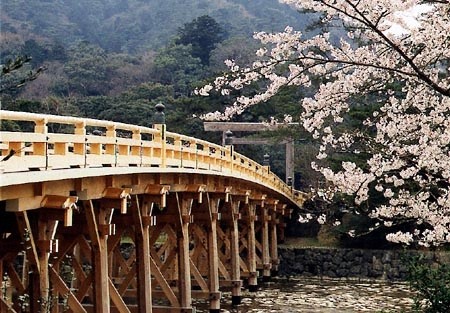
▲ The view of the Uji Bridge, which must be crossed to enter Ise Grand Shrine, is breathtaking. (Photo / fromIse Grand Shrine official website)
Travel Center / Comprehensive Report
Dedicated to Amaterasu Omikami, the highest deity in Japanese Shinto, Ise Grand Shrine is located in Ise City, Mie Prefecture. This October, it will hold its once-every-20-years Shikinen Sengu ceremony, making it the Shinto shrine with the most relocation ceremonies—62 times so far.
Established in the 4th year of Emperor Suinin's reign (33 BC), Ise Grand Shrine holds a unique and supreme status in Japan. It exclusively occupies a 5,500-hectare forest and attracts about 8 million visitors annually. The shrine mainly consists of the “Inner Shrine” and the “Outer Shrine,” which is 6 kilometers away, together comprising 125 shrines. Every element here—the plants, trees, buildings, roof tiles—is considered sacred. It is the only shrine that still fully adheres to the cycles of nature, including the movements of the sun, moon, and seasons, in conducting all its rituals.
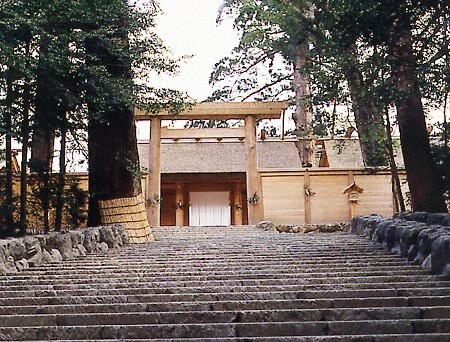
▲ Ise Grand Shrine enshrines Japan’s highest faith—Amaterasu Omikami. The photo shows the main hall of the Inner Shrine. (Photo / fromIse Grand Shrine official website)
The Shikinen Sengu ceremony began with the first relocation in the 4th year of Empress Jito’s reign (690 AD) and has been held regularly every 20 years since, symbolizing the “passing on to the next generation.” Specifically, on a vacant lot adjacent to the main hall of the Inner Shrine—equal in size to the main hall itself—the main hall and all other structures within the shrine precincts are rebuilt from scratch every 20 years following the original designs. This includes recreating, using the same craftsmanship passed down for over 1,300 years, the garments worn by the deities and the sacred treasures they use. Once completed and placed in the new shrine, the spirit of Amaterasu Omikami, along with that of Toyouke no Omikami enshrined in the Outer Shrine, is transferred from the old shrine to the new one.
Among the ceremonies, the “Niiname-sai” (Festival of First Fruits) is the most solemn. Not only are the food and clothing offered created with utmost purity, but they are also produced entirely using ancient methods within areas managed by the shrine. The Emperor dispatches an imperial envoy to present rice he has personally cultivated, as well as ceremonial silk fabrics called heihaku (symbolizing offerings), as a gesture of the highest reverence on behalf of his lineage.
The old pillars from the main hall dismantled after relocation are repurposed by the shrine—some are used to build the grand torii gate at the Uji Bridge, where they remain for another 20 years, while others are distributed to shrines across Japan.
The 62nd Shikinen Sengu ceremony is scheduled for October 2 (Inner Shrine) and October 5 (Outer Shrine) in 2013.
Share
This article is published by HowToTrip. Sharing and reposting are welcome — please credit the source.
Article URL: https://www.howtotrip.net/views-26876
Related Articles
- Shaoxing's "Grandpa Gourd" hangs the gourds back up: "If there are too many people, we'll interact less — just take a quick look from afar"
- Chinese authorities announce "reciprocal adjustment" to Japan visa fees — single-entry visa jumps from 2,250 to 16,750 yen!
- The "health stones" carried by a traveler were found to have radiation levels exceeding safety limits by a thousand times, potentially endangering fellow passengers on the same flight. Customs issues warning!
- Shenzhen Airport Issues Late-Night Notice: Unidentified Aerial Object Detected, Causing Widespread Flight Delays!
- “They only said it cost money after I opened the box and washed it!” 200g of grapes sold for 60 yuan on a high-speed train—12306 responds!
- Can't buy an airline ticket? Denied exit? Blocked from boarding? A large number of Chinese tourists have mysteriously become "discredited individuals"
- Adverse weather and economic fluctuations impact Colombia's coffee market
- Beach bathing area responds to 2 yuan/30 seconds fee for freshwater foot rinsing: Clearly priced!
- Taking off with an improperly closed cabin door? Wing malfunction? Multiple flights made emergency returns mid-journey!
- Experience the gifts of nature! A countdown of the world’s ten most stunning coastlines