Mooncakes on Mid-Autumn Festival? No—Koreans eat “songpyeon”! 🌕 Korean Mid-Autumn delicacies
Travel Center / Comprehensive Report
While Taiwanese enjoy mooncakes during Mid-Autumn, Japanese prepare tsukimi dango, but did you know Koreans actually celebrate with songpyeon? That’s right—this “song” isn’t what you think. The essential seasonal treat in Korea is a small, steamed bun-like pastry called “songpyeon.”
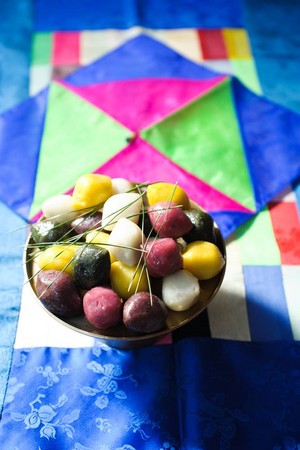
▲ Korean Mid-Autumn delicacy: Songpyeon. (Photo / Courtesy ofKorea Tourism Organization Facebook page)
In Korea, Mid-Autumn Festival is ranked alongside Lunar New Year and Dano Festival as one of the three major traditional holidays, also known as “Jungjujeol” or “Great Mid-Autumn.” In traditional Korean agricultural society, people would offer thanks to their ancestors for the year’s harvest, gather the family for meals, and strengthen bonds. Today, Koreans continue to celebrate with rich cultural and traditional events on the full moon of the 15th day of the eighth lunar month.
“Songpyeon” (Korean: 송편), a staple traditional food for Korea’s Mid-Autumn Festival, resembles small steamed buns. These are made by wrapping fillings such as sesame seeds, soybeans, red beans, or chestnuts in an aged dough, then steaming them. During steaming, a layer of pine needles is placed on top of the steamer basket, allowing the songpyeon to absorb the fragrant aroma of the pine, hence the name “pine pastry.” There’s also a Korean belief that “if you make beautifully shaped songpyeon, you’ll find a good partner or give birth to healthy, beautiful children,” which motivates everyone to craft their songpyeon as lovely as possible.
Additionally, it’s customary for Koreans to honor their ancestors with ancestral rites and tomb-sweeping during Mid-Autumn. Songpyeon is offered along with rice and rice wine made from newly harvested grain, and only after the rituals do families enjoy the offerings together—a cherished tradition of Korea’s Mid-Autumn celebration.
Share
This article is published by HowToTrip. Sharing and reposting are welcome — please credit the source.
Article URL: https://www.howtotrip.net/views-26659
Related Articles
- Shaoxing's "Grandpa Gourd" hangs the gourds back up: "If there are too many people, we'll interact less — just take a quick look from afar"
- Chinese authorities announce "reciprocal adjustment" to Japan visa fees — single-entry visa jumps from 2,250 to 16,750 yen!
- The "health stones" carried by a traveler were found to have radiation levels exceeding safety limits by a thousand times, potentially endangering fellow passengers on the same flight. Customs issues warning!
- Shenzhen Airport Issues Late-Night Notice: Unidentified Aerial Object Detected, Causing Widespread Flight Delays!
- “They only said it cost money after I opened the box and washed it!” 200g of grapes sold for 60 yuan on a high-speed train—12306 responds!
- Can't buy an airline ticket? Denied exit? Blocked from boarding? A large number of Chinese tourists have mysteriously become "discredited individuals"
- Adverse weather and economic fluctuations impact Colombia's coffee market
- Beach bathing area responds to 2 yuan/30 seconds fee for freshwater foot rinsing: Clearly priced!
- Taking off with an improperly closed cabin door? Wing malfunction? Multiple flights made emergency returns mid-journey!
- Experience the gifts of nature! A countdown of the world’s ten most stunning coastlines