A "family recipe" nearly lost from a five-star chef’s kitchen—premium turtle and duck tongues in the dishes
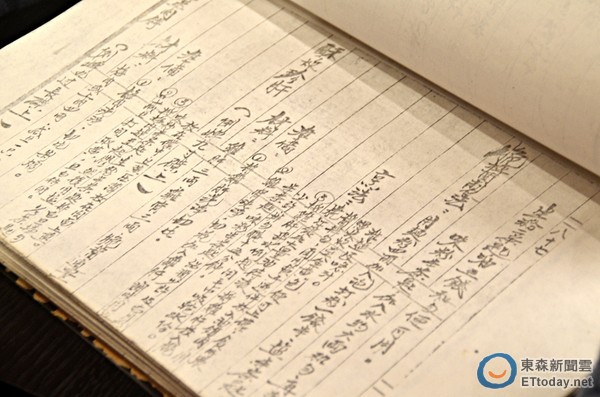
▲ This old recipe book is practically an heirloom, recounting 1950s Cantonese cuisine that you can still enjoy today, even across time. (Photo / Reporter Chen Zi-Yin, same below)
Reported by Reporter Chen Zi-Yin / Taipei
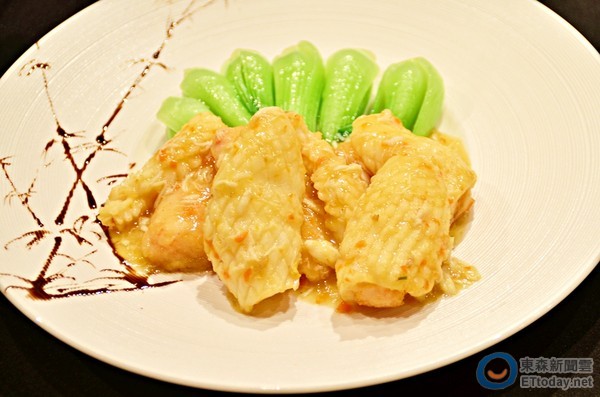
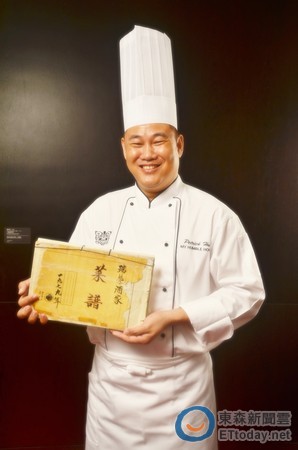 “A five-star hotel chef cooking with heirloom recipes? That’s incredibly heartfelt!” The yellowed pages of the recipe book can’t hide the marks of time.These are the precious words, spanning hundreds of pages, discovered 12 years ago by Chef Xu Wen Guang, known as “Guang Ge,” among his father’s belongings. They document the kitchen records of 1950s Cantonese cuisine. Even better, Chef Guang has now carefully selected 20 classic dishes from it, with the dish names unchanged, taken word for word from the original recipe.Among them, the most astonishing is undoubtedly the dish “Tongue Battles the Scholars,” which was one of the “Manhan Quanxi” banquet dishes enjoyed by the Guangdong upper class in the early days.
The name “Tongue Battles the Scholars” originally comes from Chapter 43 of “Romance of the Three Kingdoms.” In the past, the dish featured the skirt of a mountain turtle, paired with the rare and precious duck tongue, commonly served at banquets of wealthy families. However, the mountain turtle skirt is now a protected species, so Chef Guang uses soft-shell turtle skirt instead. But whether it’s mountain turtle skirt or soft-shell turtle skirt, both are types of turtle. Chef Guang said, “Many traditional Cantonese dishes back then were extremely labor-intensive, and many chefs nowadays are unwilling to make them. But I find that really regrettable.” For example, Tongue Battles the Scholars requires first marinating the duck tongue until flavorful and tender, and then braising the soft-shell turtle skirt with Chu Hou sauce, garlic, and char siu. Finally, everything is stir-fried over high heat to present a grand yet silky and delicate texture. The collagen-rich soft-shell turtle skirt made it a true feast of the time.
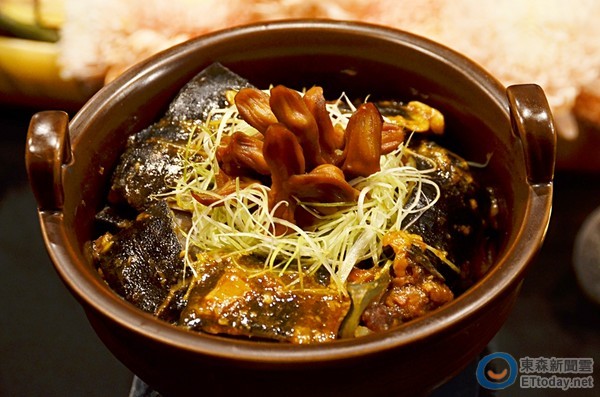
▲ The astonishing “Tongue Battles the Scholars” not only has a historically resonant name, but its ingredients also reflect the boldness of the aristocracy of the time.
Want some Cantonese-style seafood flavor? Then you absolutely can’t miss this dish, hailed by foodies as “the crispiest ever”—“Lychee Paste-Stuffed Crab Claws.” Chef Guang uses an ancient handmade method for making lychee paste, paired with Sri Lankan sand crab claws, which is also quite labor-intensive. First, the taro must be selected for its soft and delicate texture. After steaming the taro, before it cools, it must be mashed into a paste, then mixed with lard, wheat starch, baking powder, and cornstarch until smooth. The final and most crucial step is deep-frying in oil, but the oil temperature must be carefully controlled. Too hot or not hot enough will ruin the precise level of crispiness.
Another must-try is this “Dried Tangerine Peel Braised Duck.” It’s a dish highly recommended by Chinese gourmets. It selects an 8-day-old Yilan cherry duck. The fried duck body is stuffed with dried tangerine peel, ham, mushrooms, shrimp, winter bamboo shoots, dried scallops, and fat—then braised for an hour. Finally, it’s crisped up in a wok to finish. The layering is impeccable, and the taste is layered too. As soon as you open the lid, the aroma hits you. The tender meat is nestled under the crispy skin, and with every bite, the layers of flavor unfold. The crispy skin combined with the fat layer makes the whole dish truly the crowning touch.
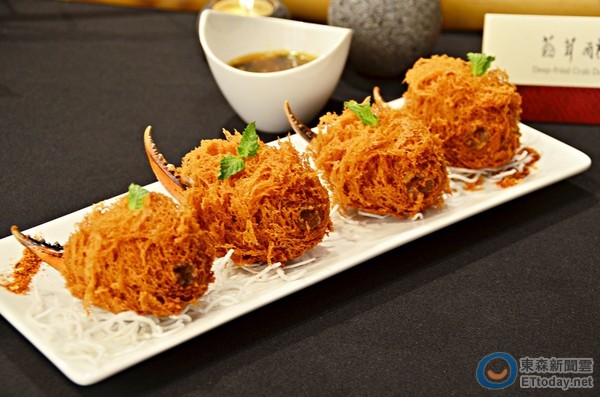
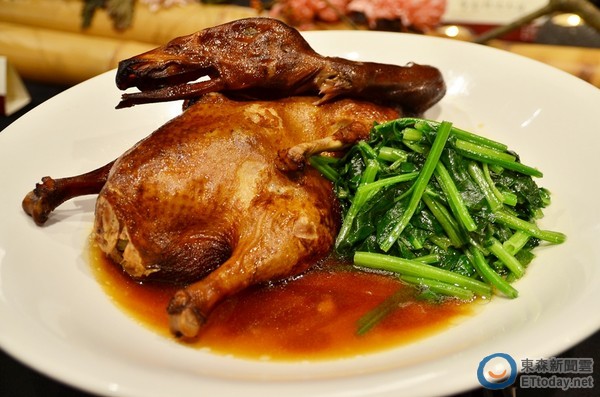
▲ The crispiest “Lychee Paste-Stuffed Crab Claws” are made with mashed taro, lard, wheat starch, and deep-fried—how can they be so crunchy? The “Dried Tangerine Peel Braised Duck” is another layered delight, creating an unforgettable mouthfeel.
Lard Stir-Fried Rice is also a common delicacy from 1950s Hong Kong, often elevated for banquets and served to guests. This time, Chef Guang elevates it further with “suckling pig pieces,” using only the two most premium parts—the belly of the suckling pig. The pork fat seeps into the fried rice during roasting, and the golden color is simply irresistible. The fragrant rice, paired with a bite into the crispy skin, combines that crunch with the fatty layer, making the whole dish truly unforgettable.
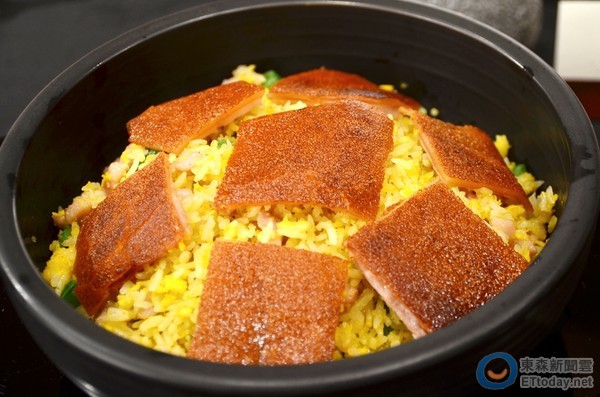
▲ The golden-hued “Suckling Pig and Chicken Liver Rice,” with the crispy skin on top being the perfect finishing touch, offering a fragrant crunch with a hint of fat.
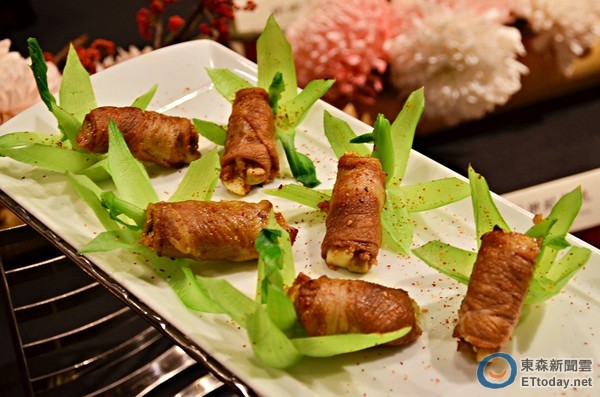
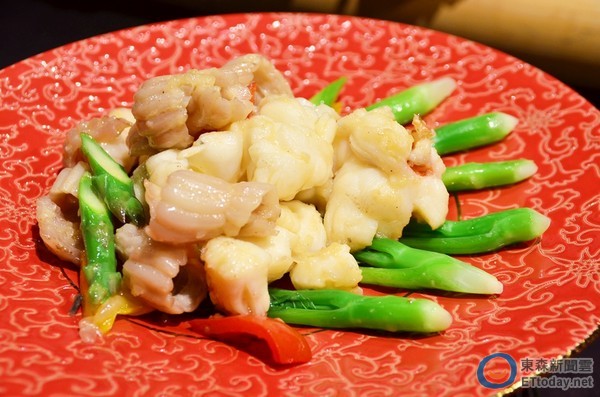
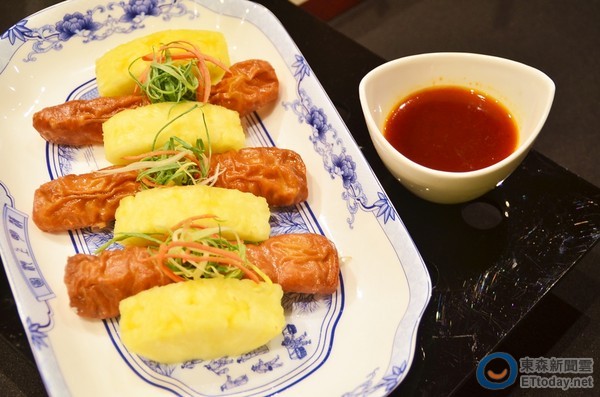
▲ Chef Guang uses recipes derived from traditional Cantonese restaurant dishes, each one astonishing and full of stories, as if taking you through time via the food.
[Consumption Information]
From now until December 30, the Le Méridien Taipei’s Hai Shan Recipe Chinese Restaurant is launching the “Taste the Golden Years of Cantonese Cuisine” event. Each dish starts at NT$380 and is available à la carte.
Share
This article is published by HowToTrip. Sharing and reposting are welcome — please credit the source.
Article URL: https://www.howtotrip.net/views-26510
Related Articles
- Shaoxing's "Grandpa Gourd" hangs the gourds back up: "If there are too many people, we'll interact less — just take a quick look from afar"
- Chinese authorities announce "reciprocal adjustment" to Japan visa fees — single-entry visa jumps from 2,250 to 16,750 yen!
- The "health stones" carried by a traveler were found to have radiation levels exceeding safety limits by a thousand times, potentially endangering fellow passengers on the same flight. Customs issues warning!
- Shenzhen Airport Issues Late-Night Notice: Unidentified Aerial Object Detected, Causing Widespread Flight Delays!
- “They only said it cost money after I opened the box and washed it!” 200g of grapes sold for 60 yuan on a high-speed train—12306 responds!
- Can't buy an airline ticket? Denied exit? Blocked from boarding? A large number of Chinese tourists have mysteriously become "discredited individuals"
- Adverse weather and economic fluctuations impact Colombia's coffee market
- Beach bathing area responds to 2 yuan/30 seconds fee for freshwater foot rinsing: Clearly priced!
- Taking off with an improperly closed cabin door? Wing malfunction? Multiple flights made emergency returns mid-journey!
- Experience the gifts of nature! A countdown of the world’s ten most stunning coastlines