Step into 18th-century Turkey – Wander through the World Heritage-listed town of Safranbolu
Reported by Hong Lingju / Special Feature
Designated as a UNESCO World Heritage City in 1994, “Safranbolu” is one of eleven cultural heritage sites in Turkey. With little human alteration or commercial influence, almost a thousand authentic Ottoman-style buildings have been preserved intact. The white facades and red-tiled rooftops shape the city’s unique character, forming some of its most eye-catching scenery and enabling visitors to walk among them and witness the charm of 18th-century Turkey.
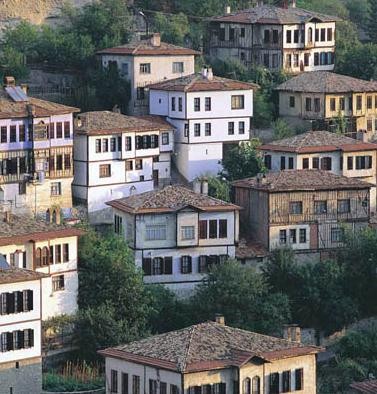
▲ In Safranbolu, you can experience the most genuine Ottoman atmosphere. (Photo / Courtesy ofTurkish Ministry of Culture and Tourism Official Website)
Safranbolu, also known as the “City of Saffron,” has been an important stop and commercial hub along the Silk Road, having experienced key historical periods under the Romans, Byzantines, Seljuks, and Ottomans. Its nickname “City of Saffron” originates from the 17th century, when the area was a center for trading and cultivating saffron. As a result, the town was named after the flower, becoming what is now widely known as Safranbolu.
The part of Safranbolu listed as a World Heritage Site refers mainly to its Old Town area. Though compact in size, it is the primary tourist destination. Notably, there are no modern high-rises—just row upon row of authentic Ottoman-style wooden houses. From their doors, windows, roofs, and entryways to interior decorations, these buildings feature exquisite wood carvings, with numerous windows allowing plenty of natural light into rooms. Their simple yet distinctive architectural beauty ensures that every street offers views you won’t want to miss.
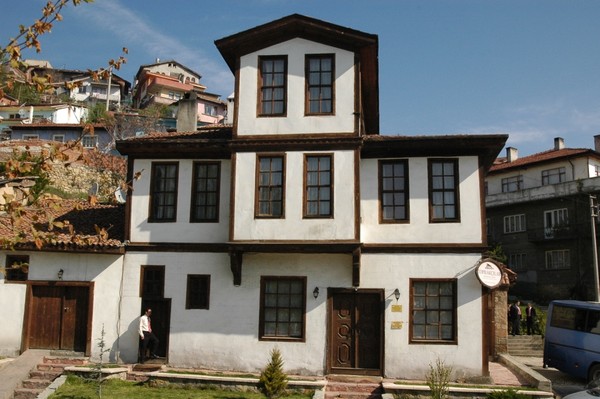
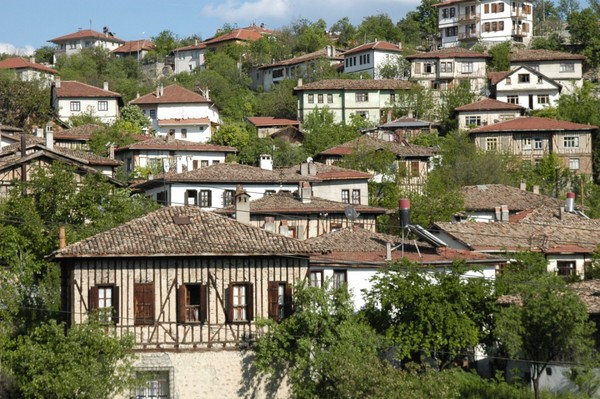
▲ In the Kastamonu area near Safranbolu, there are also Ottoman-style buildings. (Photo / Courtesy oftursab)
Although Safranbolu may not be conventionally beautiful and might feel somewhat unfamiliar to those used to modern life, its unique traditional houses are definitely worth visiting. In addition, the Old Town includes a 17th-century caravanserai, the city’s history museum (locally called the “Castle Museum”), the Safranbolu House Museum, and a clock tower built in 1797, standing approximately 8–10 meters tall—all of which offer the best opportunities to soak in authentic Ottoman charm.
Ottoman-style architecture: Safranbolu’s “living fossils”
Built against the mountains, Safranbolu has flawlessly preserved the urban life and architectural complexes of the 18th and 19th centuries during the Ottoman period. Most of the houses are two to three stories high with six to nine rooms, featuring white walls and red-tiled roofs that create a strong sense of harmony when viewed as a whole. For the best panoramic view of Safranbolu, head to a hillside called “Hıdırlık.” Whether at dawn, dusk, or night, the greenery, red tiles, and white walls embraced by the valley exude a quaint ancient charm that is truly enchanting. Climbing to the top of the hill and sipping tea or coffee while admiring the view is an especially relaxing experience.
A treasure trove of traditional crafts: Shopping for souvenirs at the Safranbolu market
During your travels, besides experiencing the city’s culture and scenery, exploring traditional markets is a great way to quickly get a feel for local lifestyles. Safranbolu is home to many workshops and craft shops where you can hunt for treasures and find souvenirs that reflect the true essence of Turkey—perfect for taking home memories of your trip. Moreover, the region preserves many traditional handicrafts such as hand-weaving, metalwork, woodcraft, shoemaking, and saddle-making. Taking a stroll around can also reveal exquisite craftsmanship, with some market streets even named after these trades, such as the Saddle Market, Shoemaker Market, and Ironware Market.
Related travel agency tours
Southeast Travel Agency “Enchanted Turkey 10-Day Tour”
Leofoo Travel Service “Safranbolu Turkey – Troy, Pamukkale Hot Springs, Rock City, Antalya 11-Day Tour”
Phoenix Travel Service “Turkey Safranbolu City Double Fly Scenic 11-Day Tour”
Turkey Travel Information
● Population: 78 million
● Climate: Mediterranean climate zone, wet winters and dry summers, temperate climate.
● Flights: You can take Turkish Airlines (www.turkishairlines.com), via Hong Kong or Bangkok to Istanbul. Contact number for Turkish Airlines Taiwan branch: (02)2756-0849.
● Visa: You can obtain a visa on arrival at the airport, costing USD 15–20 (approximately NT$453–603); alternatively, apply for an e-visawww.evisa.gov.tr
● Time Difference: -5 hours (April–October), -6 hours (winter)
● Currency Exchange: 1 Turkish Lira ≈ 16 New Taiwan Dollars; Euros are also widely accepted
Share
This article is published by HowToTrip. Sharing and reposting are welcome — please credit the source.
Article URL: https://www.howtotrip.net/views-26473
Related Articles
- Shaoxing's "Grandpa Gourd" hangs the gourds back up: "If there are too many people, we'll interact less — just take a quick look from afar"
- Chinese authorities announce "reciprocal adjustment" to Japan visa fees — single-entry visa jumps from 2,250 to 16,750 yen!
- The "health stones" carried by a traveler were found to have radiation levels exceeding safety limits by a thousand times, potentially endangering fellow passengers on the same flight. Customs issues warning!
- Shenzhen Airport Issues Late-Night Notice: Unidentified Aerial Object Detected, Causing Widespread Flight Delays!
- “They only said it cost money after I opened the box and washed it!” 200g of grapes sold for 60 yuan on a high-speed train—12306 responds!
- Can't buy an airline ticket? Denied exit? Blocked from boarding? A large number of Chinese tourists have mysteriously become "discredited individuals"
- Adverse weather and economic fluctuations impact Colombia's coffee market
- Beach bathing area responds to 2 yuan/30 seconds fee for freshwater foot rinsing: Clearly priced!
- Taking off with an improperly closed cabin door? Wing malfunction? Multiple flights made emergency returns mid-journey!
- Experience the gifts of nature! A countdown of the world’s ten most stunning coastlines