Workation Day 1: Paint Hualien’s Cipu Tribe Together
Photos & Text byMIKA’s Food Adventure Journal
Hualien’s Cipu Tribe — this was once a place unfamiliar to me. Had I not received an interview invitation from the organizing team of Yabisi, I would have forever missed this “Sun Tribe,” the warm village of Cipu. And that would’ve been such a pity.
Cipu is located in the southern part of Fengbin Township, Hualien County, on the right bank of the mouth of the Siouguluan River and near the Tropic of Cancer marker. It nestles around the Sanfu River and faces the northern Port Tribe across the stream. This area has long been home to the Amis people, who refer to the river mouth as Cepo'. Today, this includes both the Port Tribe (Magotaay) and the Cipu Tribe (Cawi’), collectively known as Cepo’.
With a long history of human settlement, if you didn’t know about Cipu before, that’s okay — now you have plenty of chances to discover this warm Sun Tribe.
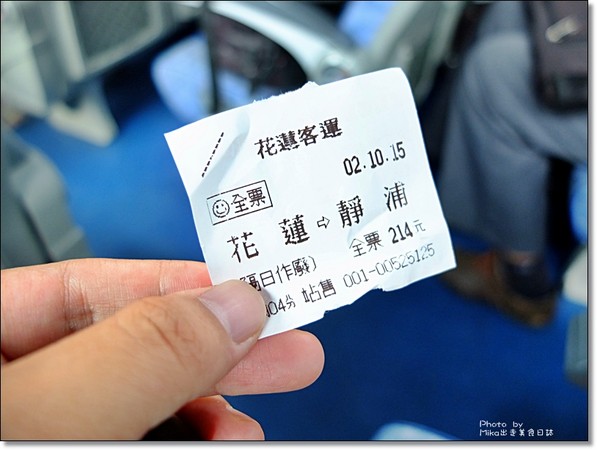
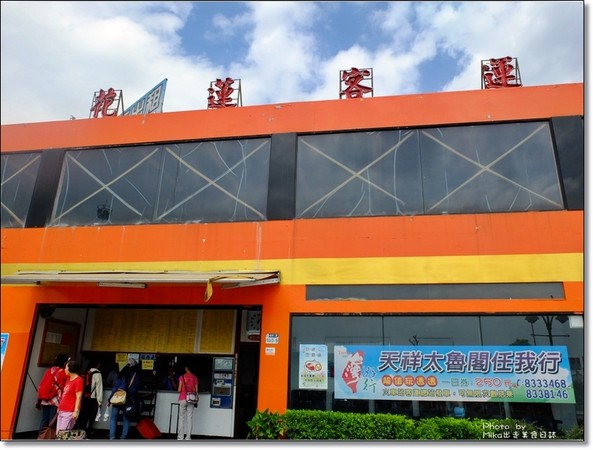
On day one, I took a direct Taroko bus from Hsinchu to Hualien, then traveled about two hours from Hualien to Cipu. Cipu, located at the southernmost tip of Hualien, is actually quite close to Taitung.
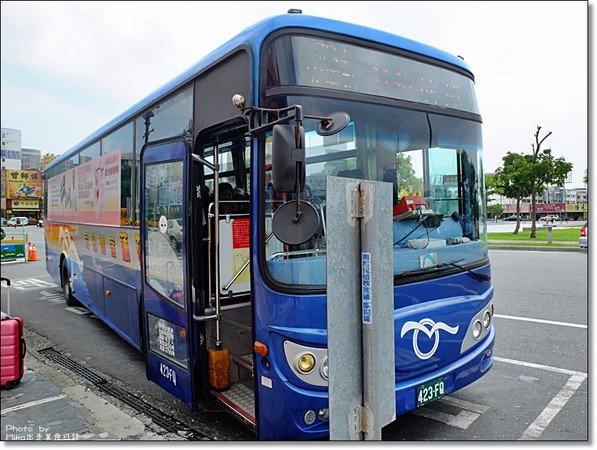
In Cipu, the bus is your best mode of transport — luckily, the service frequency is fairly decent.
After a two-hour ride, we finally laid eyes on the true face of this Sun Tribe. The Cipu Tribe Rest Stop would serve as our base for the next few days. Its location is excellent.
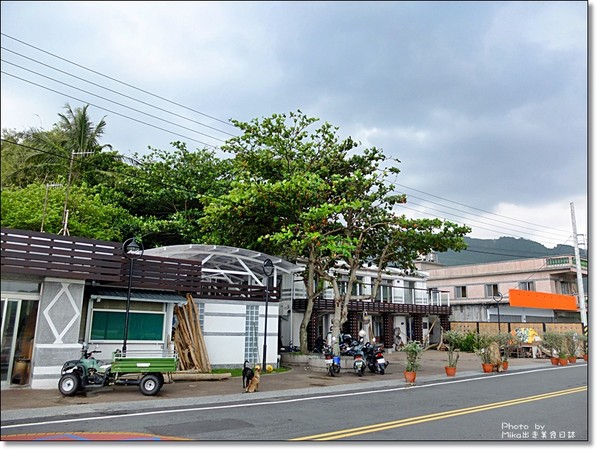
The Cipu Tribe Rest Stop sits right in front of Xibulan Island. This is the expansive mouth of the Siouguluan River, where a small island stands, splitting the waters into two streams that flow north and south into the Pacific. The island lies right at the center of the river mouth, resembling a lion holding a ball in its mouth — the Han Chinese call it Lion Ball Islet, while the Amis people call it Xibulan Island.
The little island is made entirely of volcaniclastic rocks from the Duli Mountain Formation. Covering only 10.67 hectares with a highest point of 40 meters, it is rarely visited due to being surrounded by water on all sides. But it’s an excellent birdwatching spot and home to Taiwan’s most well-preserved coastal thorn forest — a rare and highly valuable ecological site.
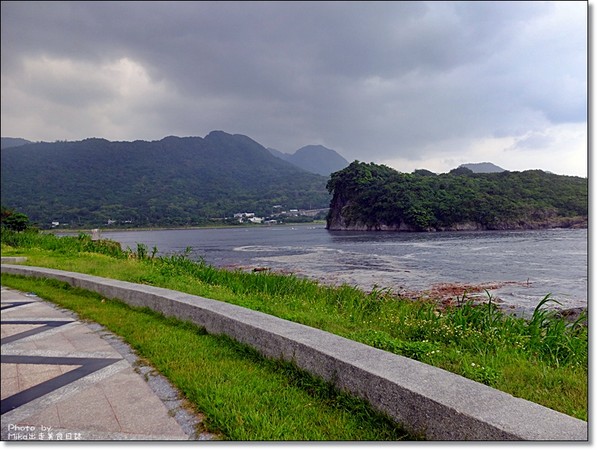
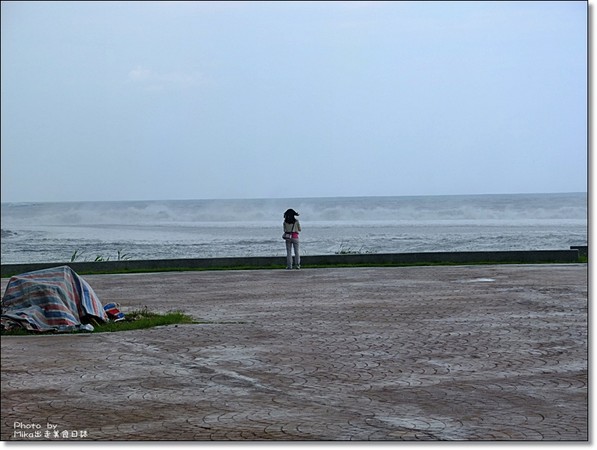
When we arrived at the Cipu Tribe at 2 PM, the Northeast Monsoon was in full swing — the weather wasn’t great, with strong winds and overcast skies.
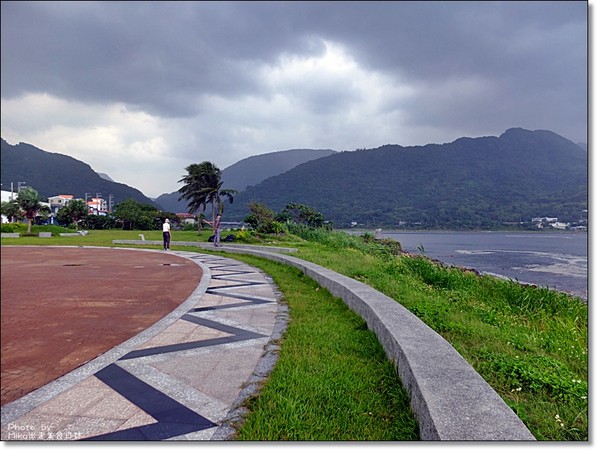
The mountainous greenery and expansive seascape — even on a gloomy day, the magnificent beauty of the East Coast lifted our spirits.
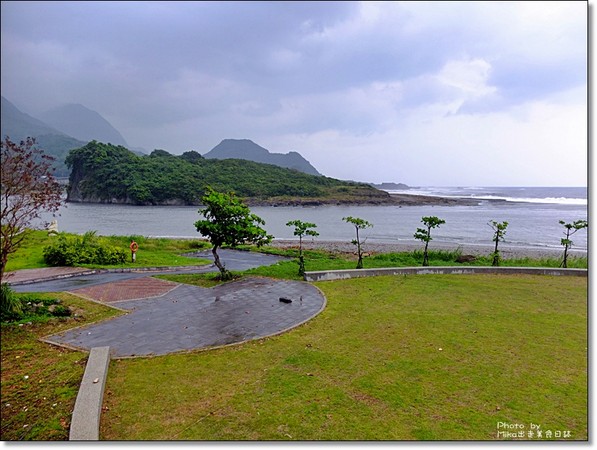
The ocean waves were truly massive today, leaving us in awe. The power of nature sometimes feels limitless, truly breathtaking.
What is the “Paint Cipu Together” Workation?
Finally, I got to meet the other seed volunteers — there were six of us in total, arriving one after another. We shared a bit about the event we were taking part in. The “Paint Cipu Together” Workation is organized by the East Coast National Scenic Area Administration. It aims to reshape the tribe’s image, foster community consensus, and promote tribal tourism through this work-based holiday. The goal is also to encourage the tribe to reflect on their own culture through full community participation, thereby preserving and promoting both the natural and cultural life of the tribe.
What does “volunteer” mean in a workation?:
The volunteers in a workation are different from typical volunteers. Regular volunteers usually possess specific skills required for the tasks and come together because of that need. In a workation, volunteers don’t necessarily need professional expertise — instead, the focus is on the spirit of service, with tasks that have low barriers to entry so anyone can participate. The “Paint Cipu Together” Workation uses the concept of volunteer workations, allowing participants to not only contribute their efforts but also enjoy a holiday experience. This workation hopes to bring together volunteers who identify with painting or tribal culture, engaging them in meaningful work while sharing the life, culture, and heartfelt moments of Cipu with more people.
What is a Seed Volunteer?
Unlike regular four-day-three-night volunteers, seed volunteers get an extra two days of immersive experience. This six-day-five-night journey allows for deeper engagement with tribal life — like a short trip where you live like a local tribesperson for a week. Like a seed taking root and sprouting in Cipu, these seed volunteers live among the tribe, allowing those extra two days to build a stronger bond with the land and deepen their appreciation. The hope is that this connection will foster genuine love for the tribe and its land.
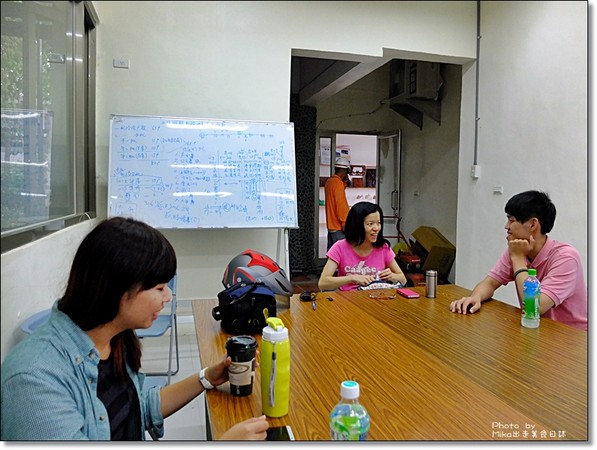
I’m sure you now have a good idea of what I signed up for — it’s all about immersing in the tribe, experiencing its culture and daily life. As seed volunteers, we led 30 other volunteers participating in a four-day-three-night program, together adding the brightest colors to Hualien’s Cipu Tribe. These were colors inspired by nature: sun orange, ocean wave white, and rock gray.
These three colors were chosen by designer Akibo Li Mingdao after he visited the tribe and was captivated by Cipu’s beauty. He observed the landscape and translated its vitality into nature-inspired hues, using simplicity and purity to represent the life force of Cipu. The result? A Cipu transformed into the brightest Sun Tribe.
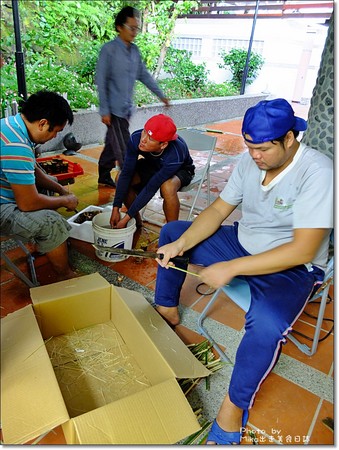
The six of us seed volunteers jumped into action right after checking in — helping with handicrafts. Our tribal friends were busy making cups, preparing gifts for us volunteers to take home as keepsakes. They could even be used for drinking millet wine.
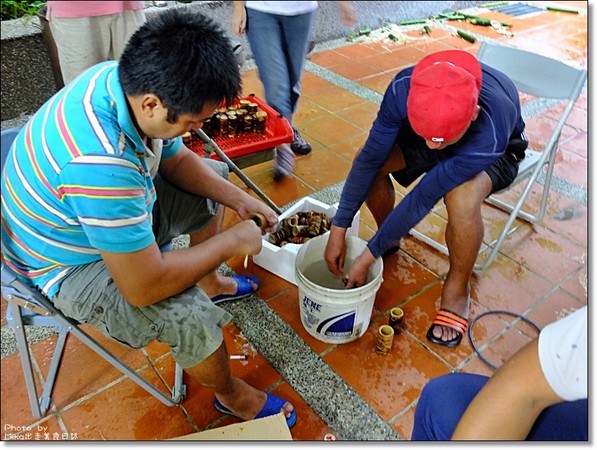
So trendy — creative leopard-patterned bamboo cup designs. Super creative, though the crafting process is a bit intricate. Our tribal friends really put in the hard work.
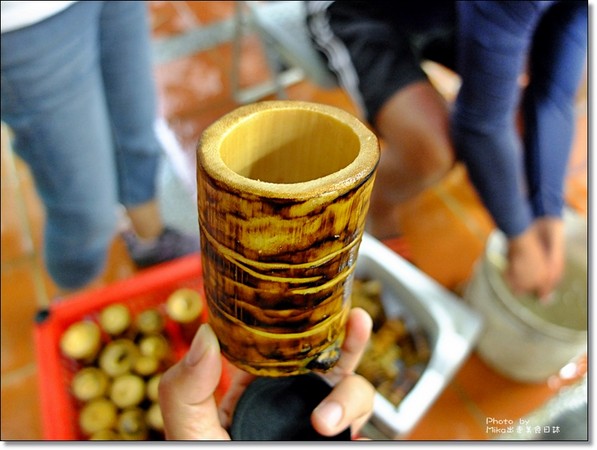
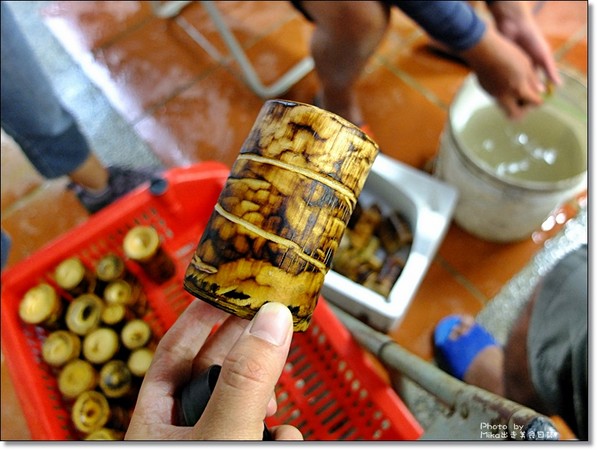
Ay Fin was teaching us how to harvest coconut leaves for weaving — they’ll be used later to make hats.
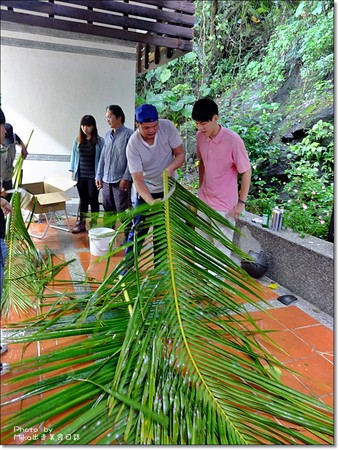
Fu Ding showed us how to strip the spines off the coconut leaves and make sure they’re clean before finishing the process.
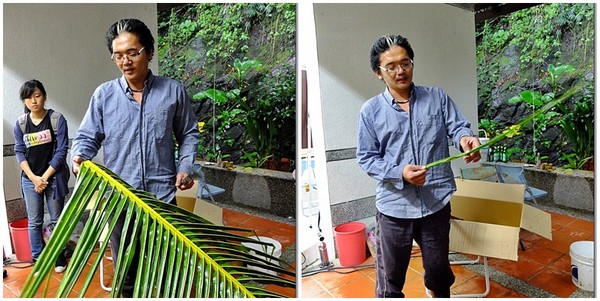
Fu Ding is incredibly talented. To get the leopard-patterned cups ready before the arrival of the four-day-three-night volunteers, he was working non-stop. We seed volunteers pitched in too. The first step is preparing the rope, then thinning the end a bit, threading on beads, and tying a knot securely at both ends.
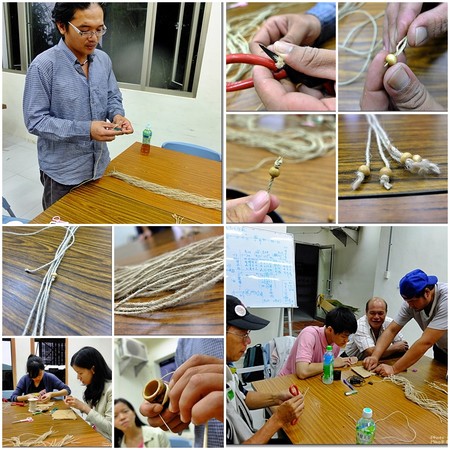
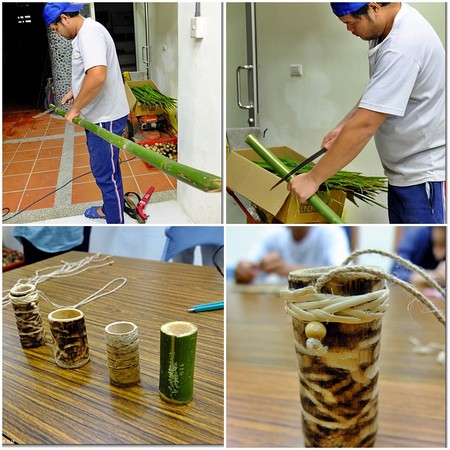
Meanwhile, Ay Fin was busy harvesting bamboo tubes — selecting the sectioned parts, boiling the bamboo shoots in hot water, peeling them to create patterns, then scorching them with a blowtorch, and finally tying on the woven decorations and hanging ropes. And just like that — you’ve got a one-of-a-kind leopard-patterned bamboo cup from Hualien’s Cipu Tribe!!
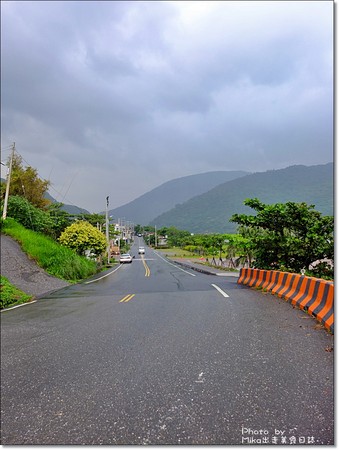
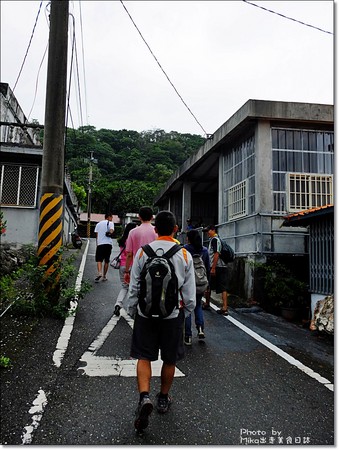
Tonight, the seed volunteers stayed in the tribe, sleeping alongside the tribal residents. On the way to Home Dad and Home Mom’s house, I captured some scenes from the village.
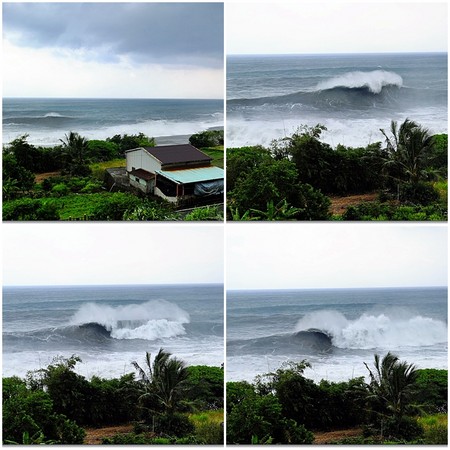
I won’t talk too much about Home Dad’s place, lest a bunch of people rush to book a stay there (laughs). But at Home Dad’s, I saw waves even bigger than those at the Tribal Inn—wow, they were absolutely spectacular, crashing in layers. The sound and the force were both astonishing, but sadly, photos can’t quite capture that feeling.
After settling our luggage, we did a brief tour of the tribe before heading to visit the tribal chief, Up??.
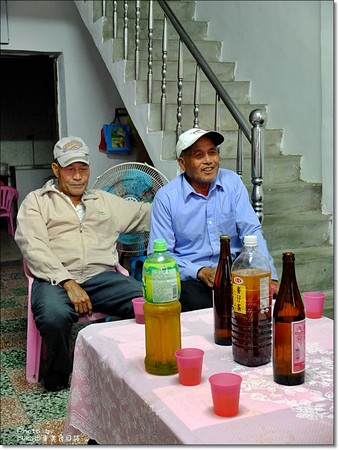
The two chiefs were incredibly warm and friendly, but they spoke only in their native language, so we needed an interpreter. We chatted casually with the chiefs, and the lovely sister asked them to give us Amis names. The Amis people often inherit names from ancestors or are given names by elders, who choose based on observed traits or resemblance to someone they know—resulting in unique names. Some names don’t carry any particular meaning, and not all are related to nature or animals.
Ladies and gentlemen, my tribal name is ‘Banae’—super easy to remember. It represents bountiful rice, and also means a wealthy and beautiful woman. Wahahahaha (hands on hips)!
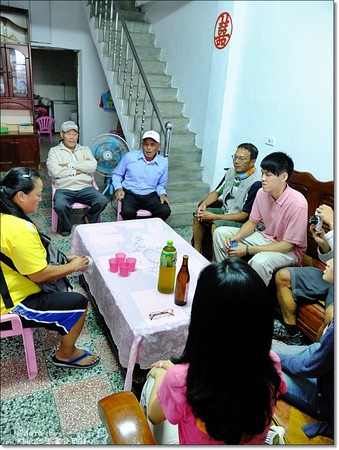
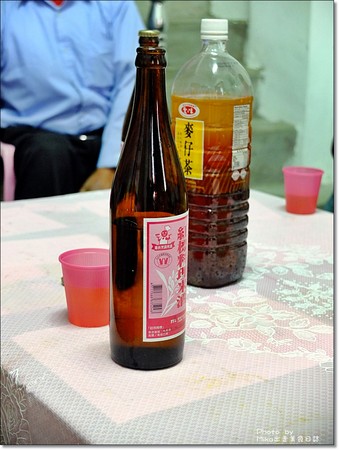
I’m really impressed by the tribal people’s mixology—brewed liquor is casually paired with green tea or barley tea, and Puli B is mixed with National Farmer’s fresh milk or coffee. Basically, anything goes, but they still have a great time drinking. This kind of creative drink-mixing is probably a unique talent of the indigenous people!!
Dinner was at the biggest orange shop in the tribe (Taiwanese for grocery store), known as the tribe’s ‘SOGO.’ Don’t you think indigenous people are really humorous? Their liveliest spot is called East District or Ximending, and their biggest grocery store is called SOGO. Though there’s no 7-Eleven or supermarket here, just orange shops, their joy isn’t any less than ours~
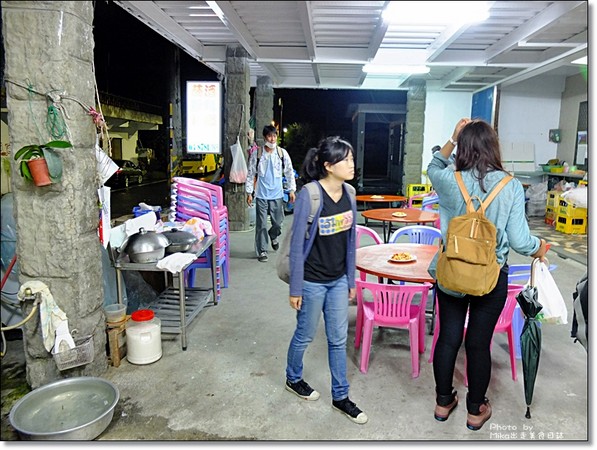
The owner of the SOGO shop is said to be an amazing cook, so tribe members occasionally book her for banquets.
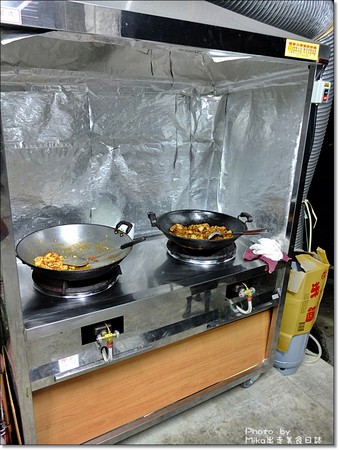
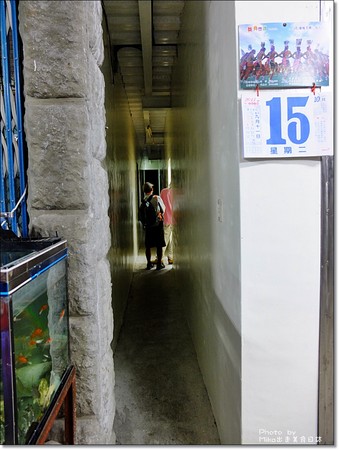
Let me introduce this to everyone—this is the tribe’s “Mouru Alley” ~~~~~~~~~ haha haha.
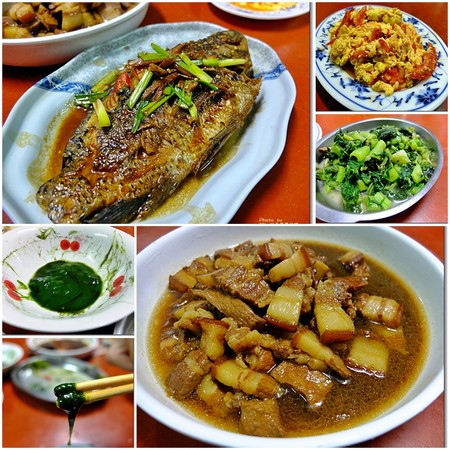
This was the lavish spread prepared for us, specially cooked with the stronger taste preferences of flatlanders in mind. It’s said that the tribe’s people prefer lighter flavors... In the end, the tribe even served us a very special dish—hair vegetable—which was honestly super weird to eat—sticky and gooey. They said it’s very healthy and nutritious, but we didn’t dare eat too much XD.
Ba Ge Lang Boat House Homestay
This is a super famous local homestay. Its exterior is as magnificent as a ship, though it’s a pity we came at night—if we’d come during the day, it would’ve been even more stunning.
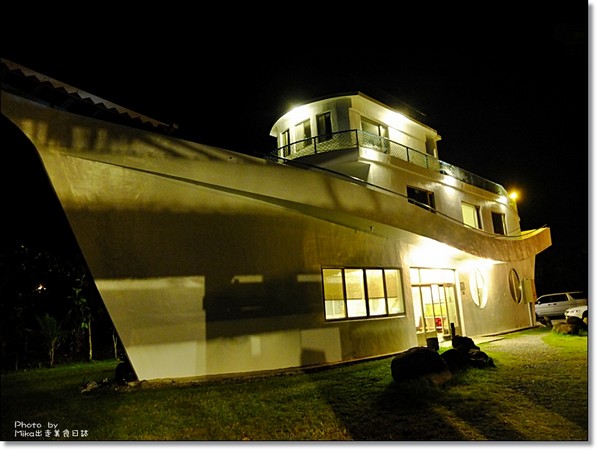
After dinner, we headed to Ba Ge Lang Boat House to learn some Amis mother tongue, taught personally by Teacher Hawang, who is also the boat house owner.
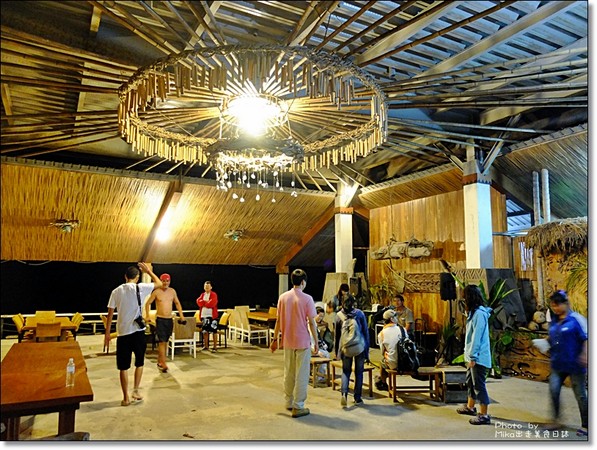
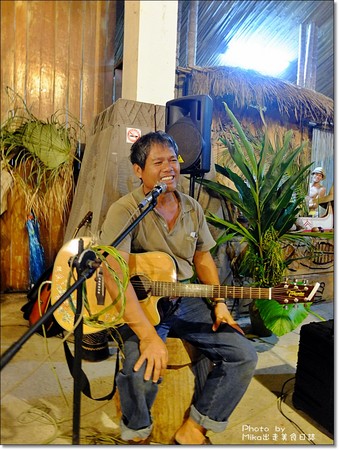
Teacher Hawang really looks kind and gentle, and his singing voice is absolutely beautiful. The tribe says you can buy his records at any hardware store (laughs).
The mother tongue of the tribe really isn’t easy to learn. We tried really hard that night, but forgot everything after just one night’s sleep XD.
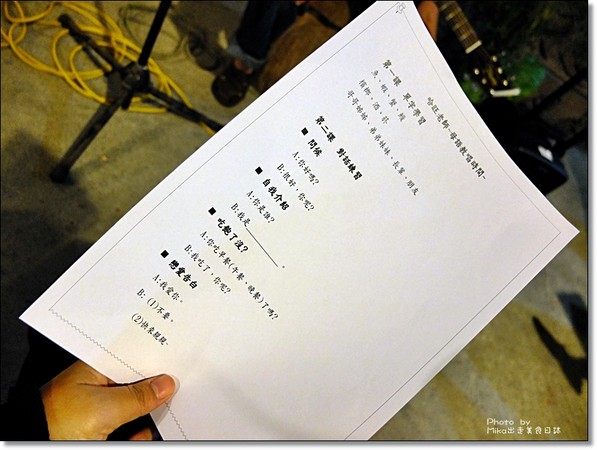
Aside from teaching the language, Teacher Hawang also taught us to sing the tribal song ‘Beautiful Days,’ which we were told we’d perform at the evening gathering (surprise)...
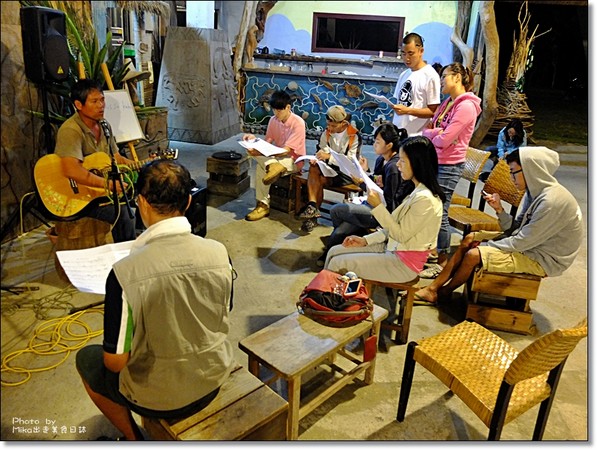
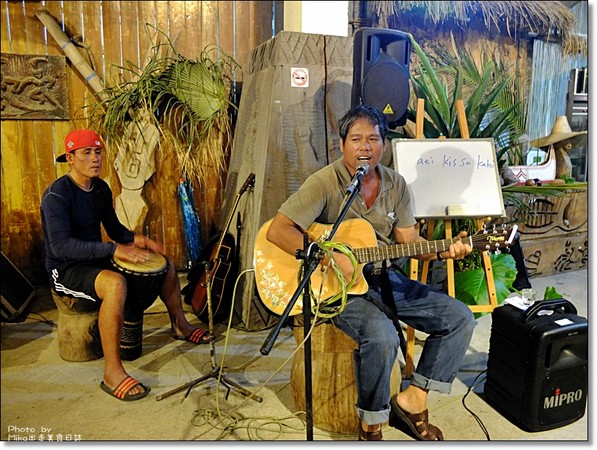
I snapped a quick phone photo of Teacher Hawang’s beautiful singing, with Brother Niu playing the drums in the background??
Lost in the enchanting indigenous melodies, I also tried hard to learn how to sing in the mother tongue. Singing along, singing along... this melody has now become the soundtrack of my nostalgia for the tribe.
Then, after learning the language and songs, we actually had to learn dancing too (another surprise). Being a seed volunteer is no easy task~~ At the evening event, we had to not only sing but also perform tribal dances in traditional costumes for everyone—it was really high pressure, and we didn’t have much practice time, but the whole process was full of laughter.
Back then, during practice, I really felt like I couldn’t do it, whining through the drills. But looking back now, it’s all happy memories that still make me laugh. What I miss most is truly the tribe’s natural sense of humor, which always had us laughing so hard our stomachs hurt.
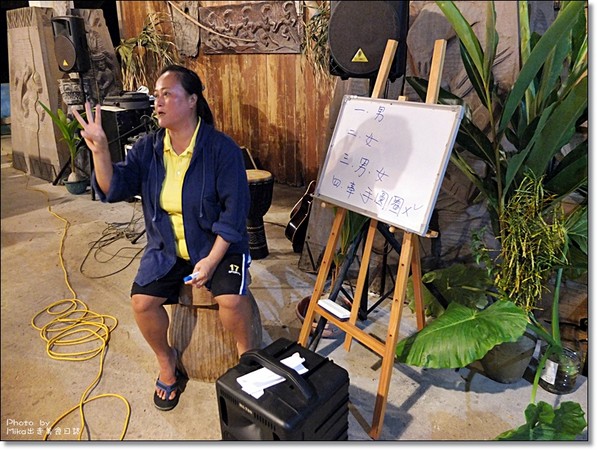
The teacher demonstrated very seriously, but our minds were already elsewhere. Oh my god (covering face) dancing and singing are my biggest fears in life~~
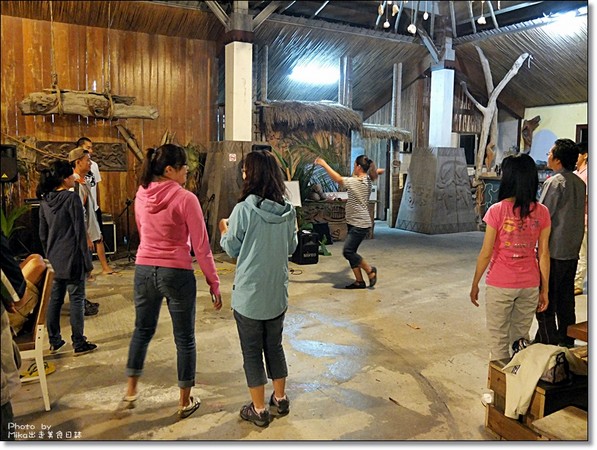
A moment I secretly recorded—Teacher Fuding’s demonstration was just too hilarious!!!
Reflections:
Before joining the “Painting Jingpu Together – Working Holiday,” I had visited a few tribes, but only for fun—happy sightseeing, then leaving without a second thought. Looking back, those tribes were just fun—what was entertaining, what was delicious—that kind of superficial impression. But truly living with the tribe for a week, deeply sharing life with everyone, sweating together while painting, eating and drinking together—after such a profound shared effort, those laughs become especially sweet and meaningful. Of course, I also have to thank the tribe members and the Yabisi team for putting so much heart into arranging lots of tribal cuisine and interesting experience activities, making the meaning of the working holiday even more fulfilling.
I believe the meaning of a working holiday is not only helping to paint the tribe’s houses bright, turning them into the most eye-catching Orange Sun Tribe—but the greatest rewards aren’t just for the painted households. I think we volunteers gained the most. In Jingpu, I learned what it means to be content with simplicity. With limited resources, they are self-sufficient. The tribe’s natural humor had us laughing so hard our stomachs hurt, helping us happily get through each day, living carefree and optimistically just like the tribe.
The process might be tough and exhausting—after all, not many of us have actually worked as painters before—but looking back, those hardships really weren’t much. The days we sweated together have become sweet memories, so deep and unforgettable. If you really want to understand the tribe, experience tribal life, or even contribute something to the tribe, then you should really consider joining a working holiday like this and volunteer—sweat together to paint Jingpu anew.
Traveling afar is to return to where you began, more profoundly.
MIKA’s Foodie Travel Log
Share
This article is published by HowToTrip. Sharing and reposting are welcome — please credit the source.
Article URL: https://www.howtotrip.net/views-26150
Related Articles
- Shaoxing's "Grandpa Gourd" hangs the gourds back up: "If there are too many people, we'll interact less — just take a quick look from afar"
- Chinese authorities announce "reciprocal adjustment" to Japan visa fees — single-entry visa jumps from 2,250 to 16,750 yen!
- The "health stones" carried by a traveler were found to have radiation levels exceeding safety limits by a thousand times, potentially endangering fellow passengers on the same flight. Customs issues warning!
- Shenzhen Airport Issues Late-Night Notice: Unidentified Aerial Object Detected, Causing Widespread Flight Delays!
- “They only said it cost money after I opened the box and washed it!” 200g of grapes sold for 60 yuan on a high-speed train—12306 responds!
- Can't buy an airline ticket? Denied exit? Blocked from boarding? A large number of Chinese tourists have mysteriously become "discredited individuals"
- Adverse weather and economic fluctuations impact Colombia's coffee market
- Beach bathing area responds to 2 yuan/30 seconds fee for freshwater foot rinsing: Clearly priced!
- Taking off with an improperly closed cabin door? Wing malfunction? Multiple flights made emergency returns mid-journey!
- Experience the gifts of nature! A countdown of the world’s ten most stunning coastlines