Experience tribal life: Day 2 of the Hualien Jingpu Tribe Work Holiday
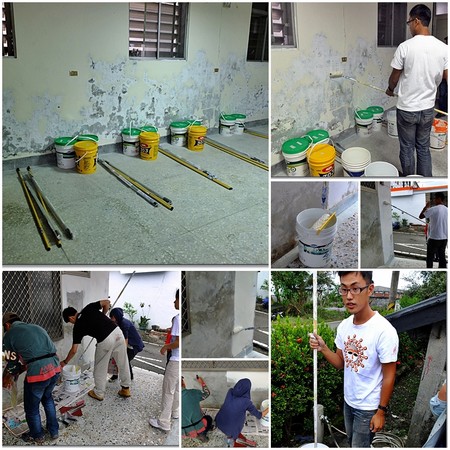
Photo & Text /MIKA’s Food Adventure Journal
On the second day of our work holiday at the Jingpu Tribe in Hualien’s Sun Tribe, the schedule was still packed. As seed volunteers, we needed to undergo intensive training over these two days. In addition to experiencing tribal life, we had to learn skills like weaving and painting in advance so we could assist as teaching assistants, helping other volunteers get up to speed. Besides that, we also had to practice dancing in preparation for the campfire party on the fifth day. Phew—do they really have to keep the seed volunteers this busy? XD.
We woke up early at Home Mom’s house and then headed to the station to gather for a trip to the intertidal zone for foraging.
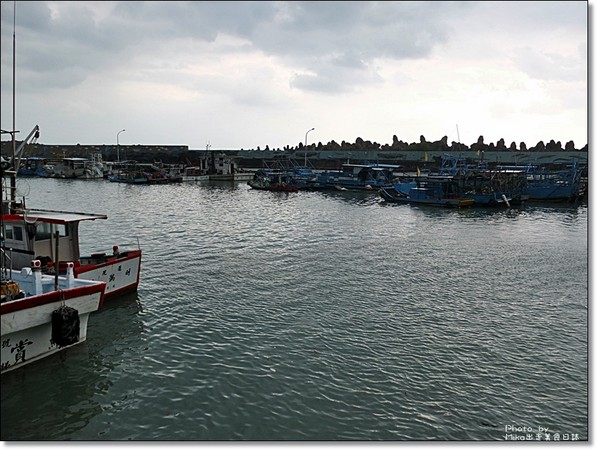
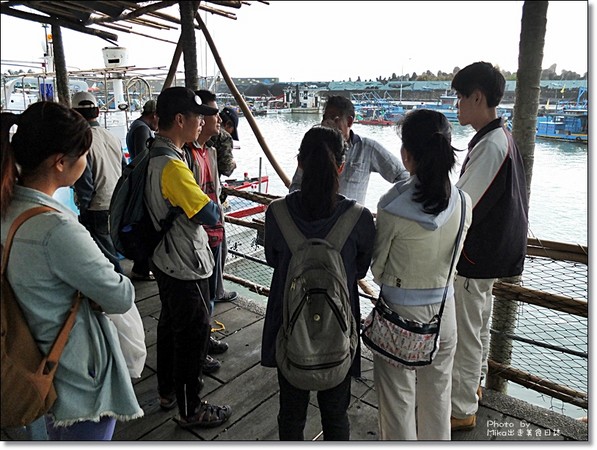
We arrived at Shiti Harbor. The weather was quite overcast today—it didn’t look too promising. We met a tribal expert who specializes in catching sailfish and he was sharing his tips and techniques with everyone.
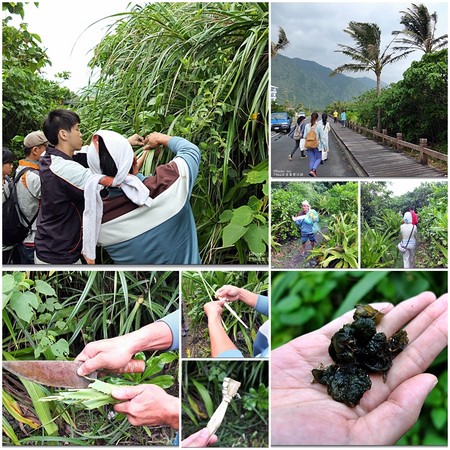
Being a tribesperson and going on an ecological foraging trip is also a fun experience. Led by the indigenous gourmet chef god—Master Chef Chen Yaozhong, the process was humorous and entertaining. The one in the bottom right is commonly known as “lover’s tear,” a forest mushroom-like organism that grows in the mountains. Locals call it “grass ear fungus” because it mainly appears during the rainy season, so some call it “rain mushroom.” Others call it lover’s tear. But Chef Yaozhong said he calls it “the leftover love” because it grows on the ground, as if it were discarded, hence it's the love that's been left behind. Aww... that’s so sad!!
Additionally, Chef Yaozhong also introduced us to the tribe’s chewing gum—a type of reed flower plant. We seriously chewed on it, puzzled about how tribespeople could like something with so little flavor. He also introduced some edible parts of the pandanus tree. The wisdom of the indigenous people is truly admirable—they can turn almost anything into food!!
We picked seaweed from the rocks, searched plants for deliciousness, and gathered ingredients from the sea, learning from the Amis people how to coexist and thrive with nature.
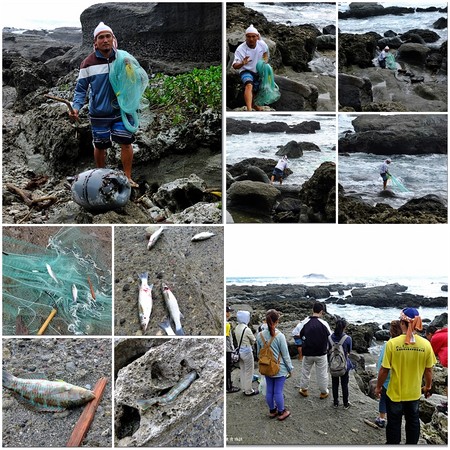
We had originally planned to go to the intertidal zone by the sea for foraging and fishing, but due to the strong winds and waves caused by the northeastern monsoon, we could only watch Master Yaozhong perform on the shore. He said that before casting the net, you need to slowly and stealthily approach like a thief, then throw the net at the right moment. Why like a thief? He said: because the fish will see you... XDDD.
Among the day’s catch, the most special was the sleeping fish at the bottom left. Chef Yaozhong said this fish sleeps on its side just like humans, hiding inside rocks like in the photo. Because it’s so sleepy, you can actually catch it by hand—hence the name “sleeping fish.”
After leaving the beach, Chef Yaozhong took us to the windbreak forest to see their tribe’s treehouse.
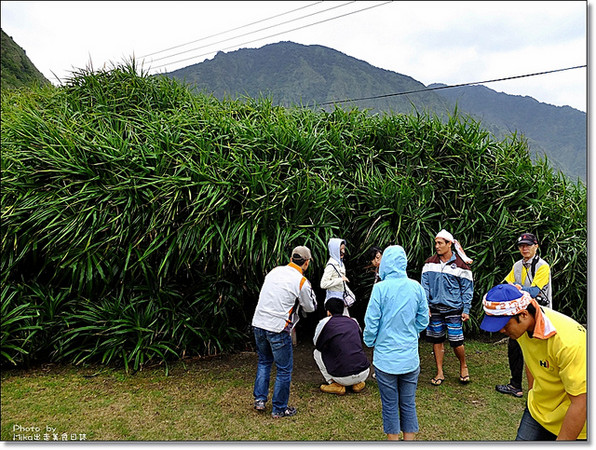
What a unique place—this entire area is covered with pandanus trees. The aerial roots of the pandanus grow into the soil and become “buttress roots” that support the tree. Amid the double assault of sea winds and waves, it not only stands firm but also traps grains of sand around the tree, making it the best natural windbreak forest by the sea.
It also serves naturally as a temporary shelter for the tribe. Adults like to rest here, while kids play here.
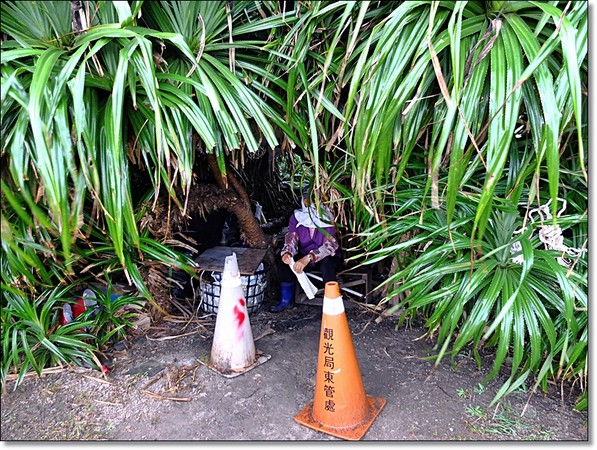
Inside, the roots are twisted, and though narrow, the space is larger than expected—it can comfortably fit five or six people.
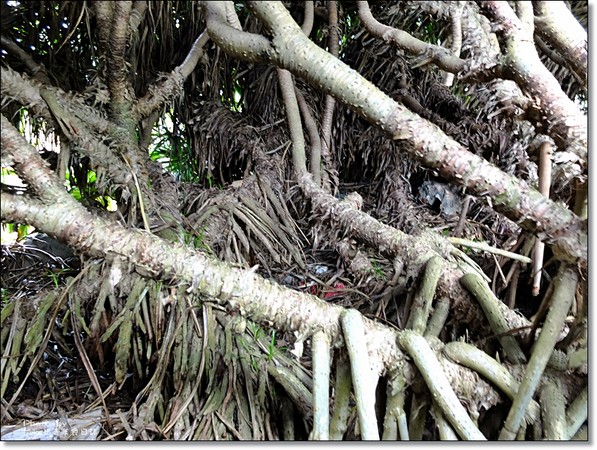
Even the roots of the pandanus tree have thorns!!
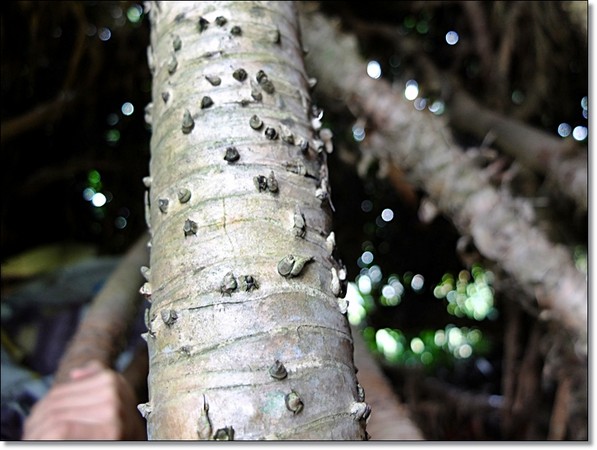
Chef Yaozhong said this is their secret base. There’s even cookware here—we even found a mini fridge. This place is basically the tribe’s natural little kitchen!!
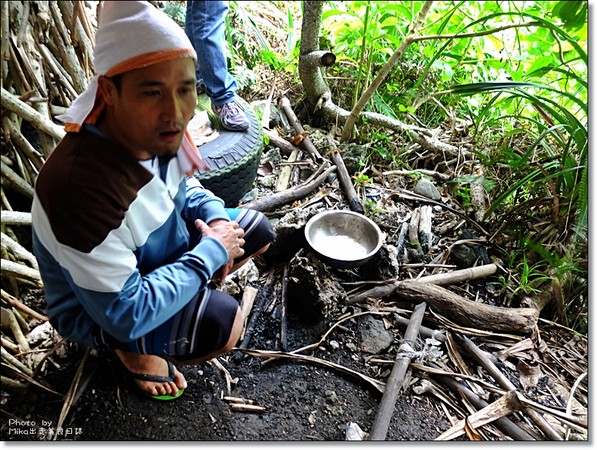
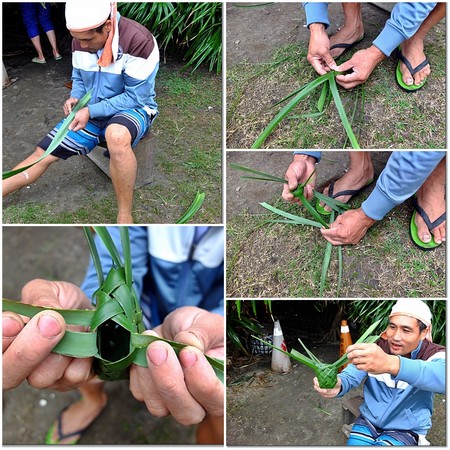
Pandanus trees are super versatile—not only can their fruit be eaten, but the trees also serve as windbreaks. Chef Yaozhong casually picked a few leaves and wove them into a tribal-style tote bag that can hold food. It’s amazing. The opening is for putting food in and can even be used as a bento bag.
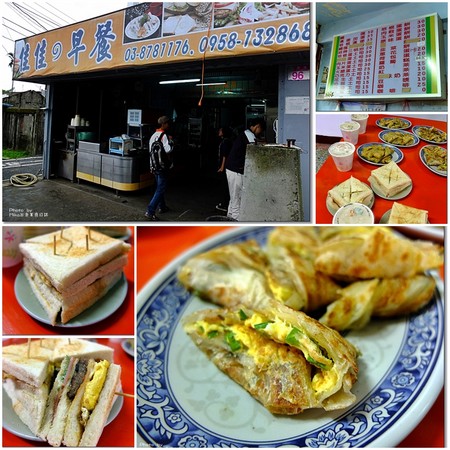
After finishing the natural ingredient foraging, we got hungry. The staff prepared breakfast from the only breakfast shop in Jingpu Tribe, owned by the chairman’s family. It’s the only breakfast shop in the whole tribe—total market monopoly~ The scallion pancakes and egg pancakes at Jiājiā Breakfast Shop are super delicious, and the club sandwiches are also rich and tasty—not inferior to any outside breakfast shop~
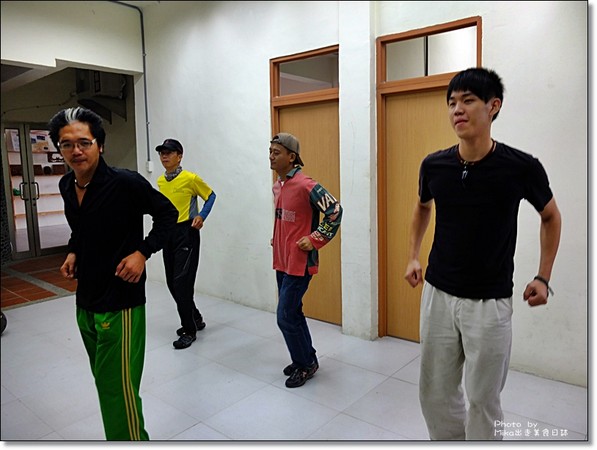
After enjoying a hearty breakfast, we stayed busy and continued dancing practice.
To be a full-fledged Amis person, singing and dancing aren’t enough—you also have to start by understanding traditional clothing and the wisdom of life passed down through generations. Thanks to the beautiful elder sister who worked hard borrowing these traditional garments from the tribe’s residents. Each piece is worth a lot, all handmade, with each set valued at tens of thousands~

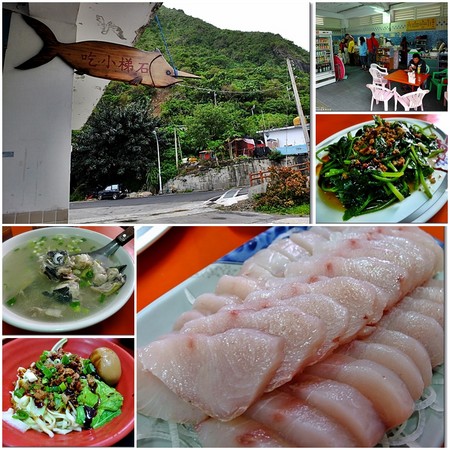
After finishing the costume fitting, it was already noon. Today’s lunch was at Shiti Snacks. There really aren’t many restaurants or snack shops in Jingpu, so this one is quite precious. Aside from regular dry noodles and side dishes, there was also fresh fish soup and swordfish sashimi!!
In the afternoon, we continued our tribal handicraft journey... using the coconut leaves we picked yesterday to weave into natural headpieces. It’s somewhat like how girls braid their hair—the tricky part is tying it securely.
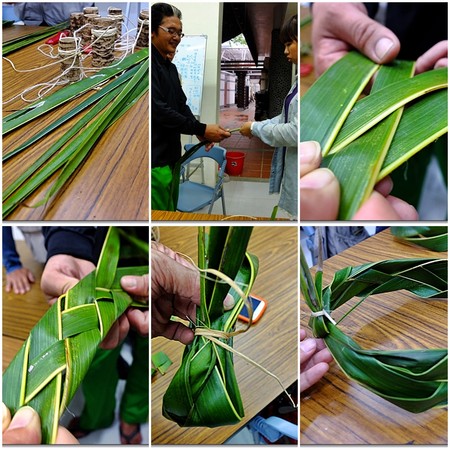
Wearing it on your head looks pretty nice, and there’s a special sense of achievement in having woven it yourself.

The organizers of the work holiday also invited a national champion to teach us how to paint and what details to pay attention to. It was the first time I’d heard there are national champions for painting. The person in the photo is the painting national champion, Taiwan’s pride Xiaoqiang. He looks rather serious in person, but he’s actually really funny and humorous.
Apart from pre-distributing painting tools to volunteers, we seed volunteers also got to personally experience the key points and feel of painting.
After a busy afternoon, we had another lesson waiting for us—a session on building team atmosphere. We specially invited Teacher Jiang, who works at the National Youth Corps, to teach us how to play team-building games. From Teacher Jiang, I learned a lot of techniques: how to liven up the atmosphere, how to use games to force everyone to remember each other’s names, and how to get to know each other and ourselves through play. The process was really fun, quickly bringing together a group that wasn’t very familiar or close, turning them into a tight-knit team driven by the desire to win and a sense of honor. We laughed a lot and played until we dropped, while also ingraining each other’s names.
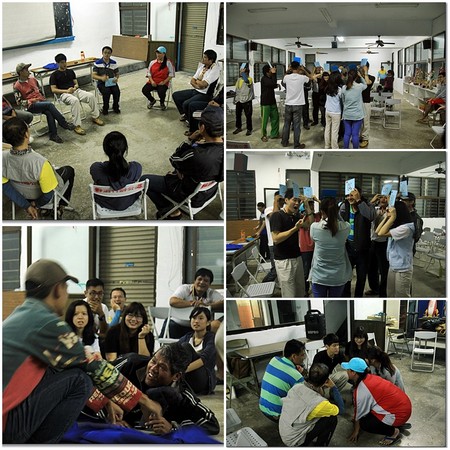
Dinner was boxed meals—I won’t say much about those!! I thought after dinner, which ended around seven or eight, we could finally go back and rest. But suddenly, the staff called us all to the Tao Wan Lily Spring restaurant—that’s Chef Yaozhong’s restaurant.
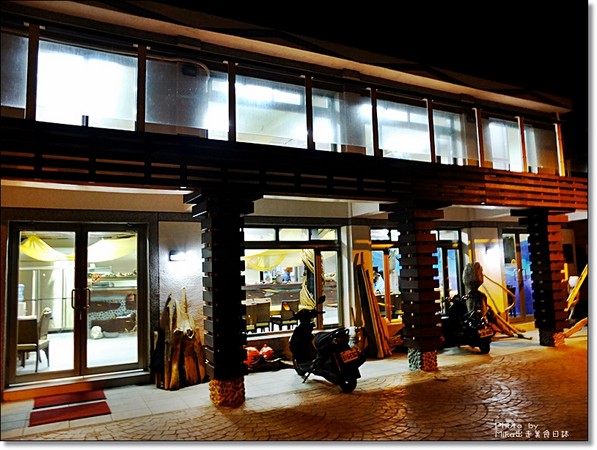
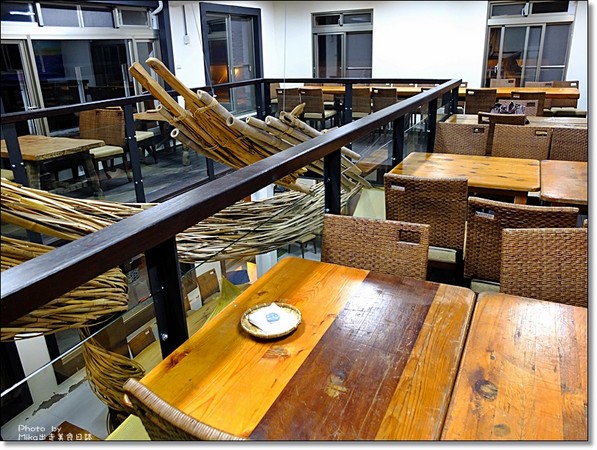
It was my first time visiting the restaurant, and I was quite curious about the decor. It has a strong indigenous style and a natural water flow concept, using dyed cloth and bamboo to create flowing shapes, giving the entire restaurant space a very oceanic vibe.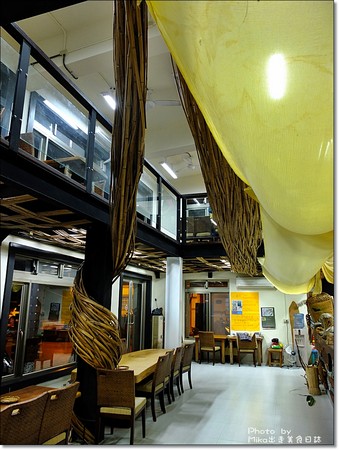

The mural on the wall depicts a scene of anchovy fry swimming upward.
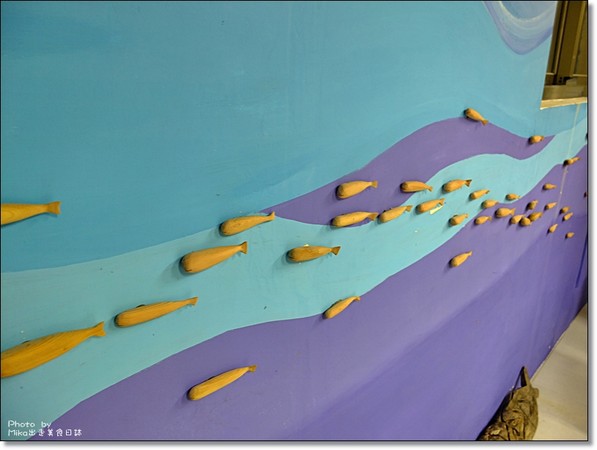
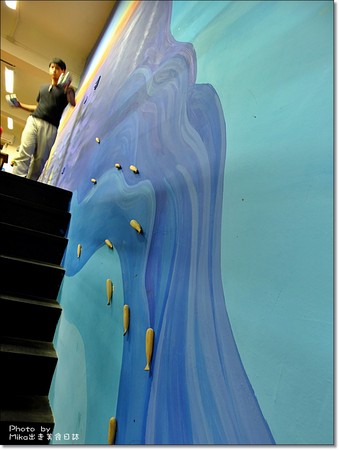
The second-floor space is also very spacious.
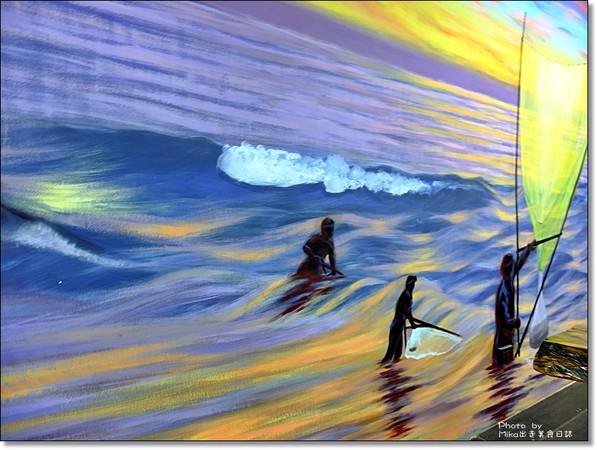
I really love this mural—it portrays a tribal community fishing at dawn using triangular nets. The tribe’s fishing method follows traditions passed down from elders, utilizing a unique type of triangular net. To protect smaller fish, they only use large mesh nets and avoid any mechanical mass fishing. They stand in the river, letting the nets sway with the waves. Positioned at the river mouth, they slowly wave the triangular nets toward the morning light, living in harmony with the sea and conversing with nature—silent yet profoundly moving.

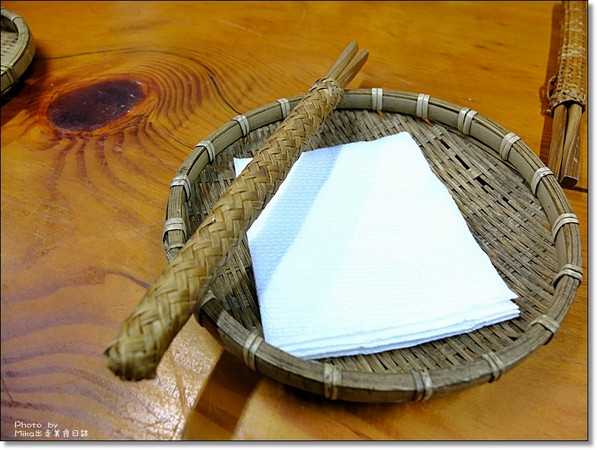
The dining table is set with grass-woven chopstick sleeves, exquisitely crafted.
We seed volunteers waited around completely baffled, not knowing what we were waiting for. We were mysteriously called to the dining hall, then no one told us what to do???
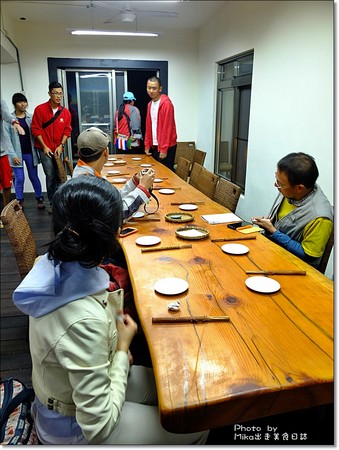
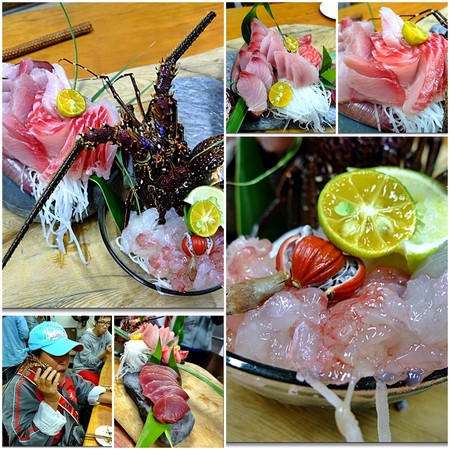
As we waited... suddenly the lights dimmed, and tribal friends entered one by one, holding candles and singing indigenous songs. We were startled at first, but then moved by the atmosphere—especially when the tribal members began bringing in a seafood feast. It was such a wonderful surprise. Ah, if only I hadn’t eaten lunch earlier...
Brother Hawang accompanied the performance with guitar, while the tribal friends sang loudly. The atmosphere was truly touching, filled with genuine sincerity. Beyond welcoming us seed volunteers, they also expressed deep gratitude for our upcoming four days and three nights of work as team leaders. This is why I fell in love with Jingpu.
The tribal people are optimistic, humorous, and sincere. Their heartfelt welcome and appreciation were genuinely felt by us. We truly sensed it and tried our best to give something in return, hoping that even our small contributions could make Jingpu an even better place.
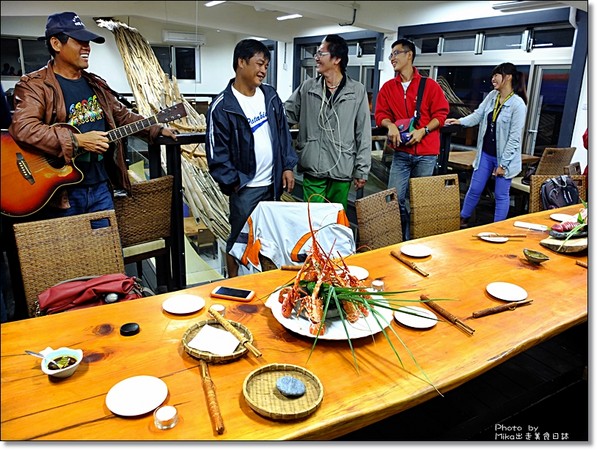

Hey friend, long time no see—I brought some homemade liquor... This is Brother Hawang’s original composition, wow—he’s so talented... An idol??
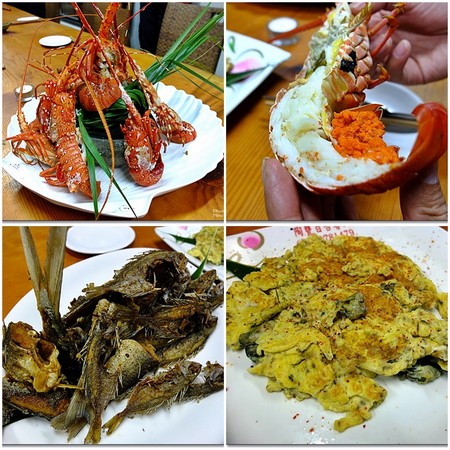
Having such a lavish seafood feast for a late-night snack is just too much!!! The surprise was indeed sincere, but can we skip giving such a seafood feast after lunch? Ahhh, I shouldn’t have eaten lunch so heavily!!! XD
It’s lobster!! The lobster meat is so delicious and tender, needing absolutely no seasoning—the natural flavor is amazing~~ There’s also fried fish and oyster omelet... The fish is so fresh and tender~ What a blissful evening??
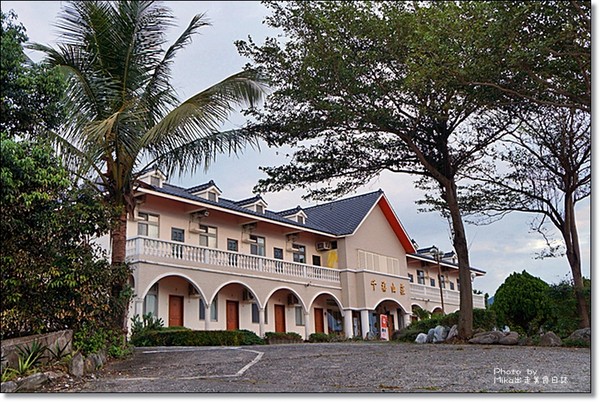
After the surprise seafood feast, we stayed overnight at Qianxi Mountain Villa Homestay. Located south of the Tropic of Cancer marker on the Huadong Coast, it’s a spacious and simple building.
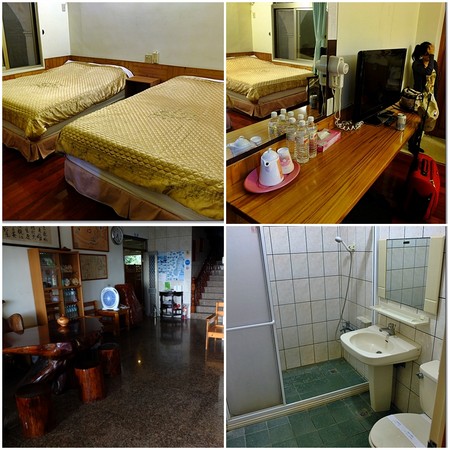
We stayed in a quadruple room—a simple yet comfortable space that was just enough for us. Here, I spent the most unforgettable five days and four nights of my life, painting Jingpu together during the work holiday...
If you still don’t know what the “Paint Jingpu Together. Work Holiday” is, watching this video will surely give you a deeper understanding of what a work holiday is all about??
If you feel even a little tempted after watching, then look forward to the third batch and come experience the beauty of Jingpu at the southernmost tip of Hualien’s coastline, its nature, and the simple, lovely tribal residents. Paint every house in Jingpu together with the tribe and help turn Jingpu into the brightest orange sun tribe!!
⟦[Clay Pot Lily Spring]⟧
Address: No. 138, Lane 3, Jingpu Village, Hualien County
Phone: 03-8781479
⟦[Millennium Mountain Villa]⟧
Address: No. 52, Sanfu Bridge, Jingpu Village, Fengbin Township, Hualien County
Phone: (03)878-1517 Fax: (03)878-1617
Venturing out is to return to where you came from more profoundly.
MIKA’s Food Adventure Log
Share
This article is published by HowToTrip. Sharing and reposting are welcome — please credit the source.
Article URL: https://www.howtotrip.net/views-26132
Related Articles
- Shaoxing's "Grandpa Gourd" hangs the gourds back up: "If there are too many people, we'll interact less — just take a quick look from afar"
- Chinese authorities announce "reciprocal adjustment" to Japan visa fees — single-entry visa jumps from 2,250 to 16,750 yen!
- The "health stones" carried by a traveler were found to have radiation levels exceeding safety limits by a thousand times, potentially endangering fellow passengers on the same flight. Customs issues warning!
- Shenzhen Airport Issues Late-Night Notice: Unidentified Aerial Object Detected, Causing Widespread Flight Delays!
- “They only said it cost money after I opened the box and washed it!” 200g of grapes sold for 60 yuan on a high-speed train—12306 responds!
- Can't buy an airline ticket? Denied exit? Blocked from boarding? A large number of Chinese tourists have mysteriously become "discredited individuals"
- Adverse weather and economic fluctuations impact Colombia's coffee market
- Beach bathing area responds to 2 yuan/30 seconds fee for freshwater foot rinsing: Clearly priced!
- Taking off with an improperly closed cabin door? Wing malfunction? Multiple flights made emergency returns mid-journey!
- Experience the gifts of nature! A countdown of the world’s ten most stunning coastlines