The bus route is up to the driver’s call—Cebu’s painted jeepneys are full of unique personality

▲ The “signature” of Philippine streets: jeepneys decked out in colorful designs weaving through traffic. (Photo by reporter Chen Ziying)
Reported by Chen Ziying / Philippines
Setting aside the captivating island scenery, the cultural charm of Cebu City is truly memorable. The ubiquitous jeepneys (Jeepney), which stop anytime you hail them, weave through the streets. The closer you get to the city center, the more vibrant and diverse their colors and designs become. You’d be hard-pressed to find two identical jeepneys, whether in the suburbs or downtown—this is the most common mode of transport here.
Locals call jeepneys “flower cars,” likely referring to their ever-changing designs. They’re also nicknamed the “kings of the road,” and for good reason—jeepneys make up nearly every other vehicle on the road. Originally military jeeps left behind by the U.S. after World War II, they were modified into practical local transport and have since become an iconic symbol of Filipino street culture.


▲ Jeepneys come in all shapes and sizes—simple or elaborate, large or small—but it’s the unique paintings on each that reflect the driver’s personality. (Photo by reporter Chen Ziying)
Veteran tour guide Shi Weibin explains that jeepney drivers usually don’t own their vehicles. Instead, they rent them daily for around 400 pesos from large jeepney manufacturers in Manila. The jeepney becomes their tool for earning a living, and drivers can request custom artwork to express their individuality—whether it’s a portrait of Michael Jordan for basketball fans or an electric guitar for rock enthusiasts. But these personalized designs come at an extra cost.

▲ The more intricate the design, the bolder the statement. (Photo by reporter Chen Ziying)

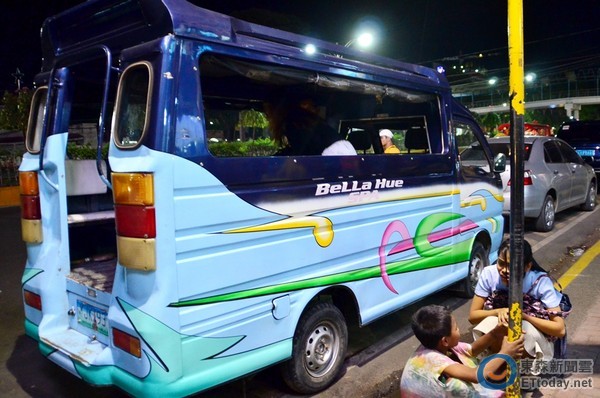
▲ Some spas even customize jeepneys as their own branded vehicles. (Photo by reporter Chen Ziying)
Learn more>>> China Airlines Cebu Holiday – Swim with Whales
“There’s no timetable or fixed schedule. When locals see a jeepney heading near their destination, they’ll do whatever it takes to squeeze on board,” says Shi Weibin. In Cebu, jeepney passengers are relatively polite, but in more remote areas, where the next ride might be a long wait, it’s not uncommon to see jeepneys packed to the brim—with people even standing in the back, making for some nerve-wracking turns. Each jeepney displays its destination, but the route is anyone’s guess, leaving riders to decide whether to hop on. Shi jokes, “If it’s raining or your eyes play tricks on you, by the time you figure out the destination, the jeepney’s already gone!”
Compared to countries with well-structured bus routes, jeepneys feel more “human-friendly.” They pick up passengers just about anywhere, and with fares as low as around 8 pesos, you might even ride for free if you stand the whole trip without a seat. To get off, just tap the roof—or hop out anytime the jeepney’s stuck in traffic.

▲ Motorbikes with sidecars, another common mode of transport, often carry passengers too. (Photo by reporter Chen Ziying)
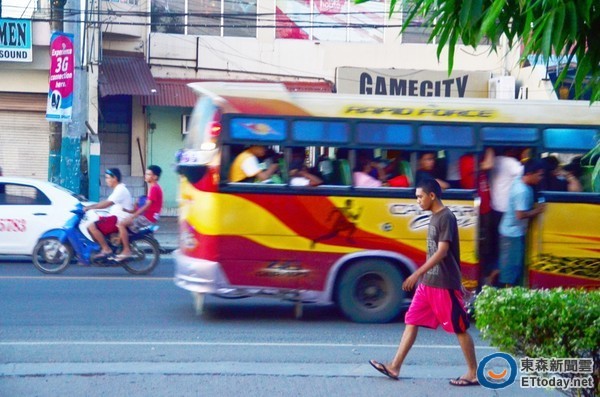
▲ Buses do exist here, but they’re infrequent and come in both air-conditioned and non-air-conditioned versions—and they’re pricier. Locals still rely on jeepneys as their go-to transport. (Photo by reporter Chen Ziying)
Share
This article is published by HowToTrip. Sharing and reposting are welcome — please credit the source.
Article URL: https://www.howtotrip.net/views-25775
Related Articles
- Shaoxing's "Grandpa Gourd" hangs the gourds back up: "If there are too many people, we'll interact less — just take a quick look from afar"
- Chinese authorities announce "reciprocal adjustment" to Japan visa fees — single-entry visa jumps from 2,250 to 16,750 yen!
- The "health stones" carried by a traveler were found to have radiation levels exceeding safety limits by a thousand times, potentially endangering fellow passengers on the same flight. Customs issues warning!
- Shenzhen Airport Issues Late-Night Notice: Unidentified Aerial Object Detected, Causing Widespread Flight Delays!
- “They only said it cost money after I opened the box and washed it!” 200g of grapes sold for 60 yuan on a high-speed train—12306 responds!
- Can't buy an airline ticket? Denied exit? Blocked from boarding? A large number of Chinese tourists have mysteriously become "discredited individuals"
- Adverse weather and economic fluctuations impact Colombia's coffee market
- Beach bathing area responds to 2 yuan/30 seconds fee for freshwater foot rinsing: Clearly priced!
- Taking off with an improperly closed cabin door? Wing malfunction? Multiple flights made emergency returns mid-journey!
- Experience the gifts of nature! A countdown of the world’s ten most stunning coastlines