Strolling through the serene and idyllic town of Uji – Visiting the Millennium Heritage Phoenix Hall
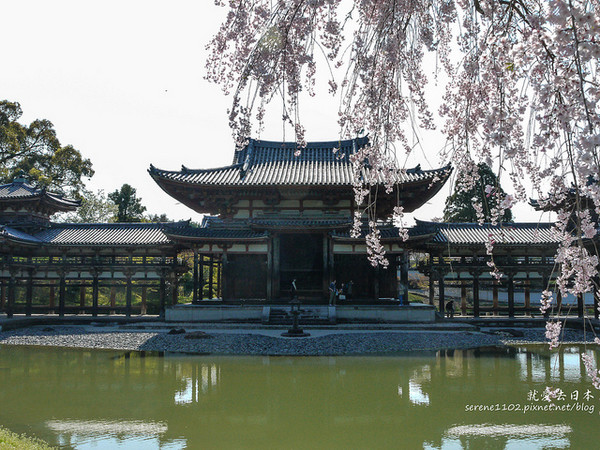
Photo & Text /Right Top at 45 Degrees
Before embarking on a trip, comparing the planned itinerary with the actual experience can lead to changes in how much you enjoy a place—whether due to the weather, travel companions, or your mood. For this trip, the top destination I was most looking forward to was Fushimi Inari Taisha, but upon arrival, I found that the place my heart truly longed for was this small town: Uji.

Uji and Fushimi Inari Taisha are both accessible via the JR Nara Line—just head a bit further south, and the two spots make for a great day-trip itinerary split between morning and afternoon.
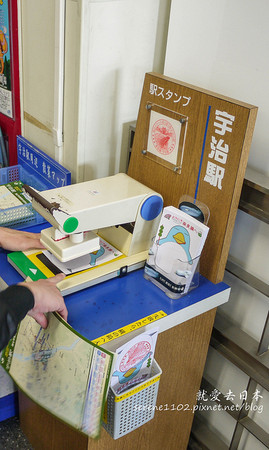
Uji Station has cute stamps and also offers free penguin postcards that you can print out—very thoughtful for visiting travelers.
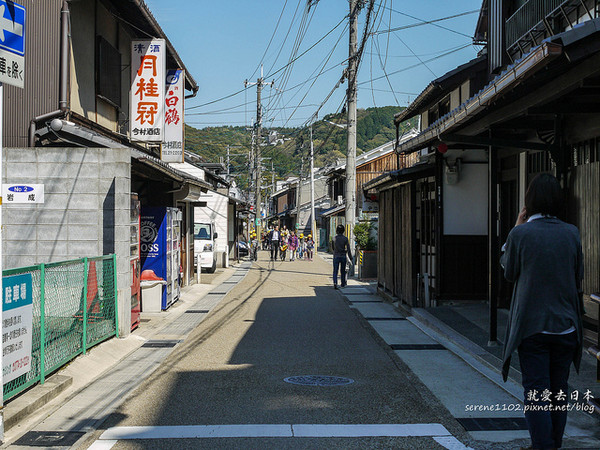
The small streets of Uji still perfectly retain the charm of a traditional lower-city neighborhood. Traditional Japanese-style buildings are neatly lined up along the streets, and perhaps because the cherry blossoms have already fallen and tourist crowds are thin, the atmosphere is tranquil and serene.
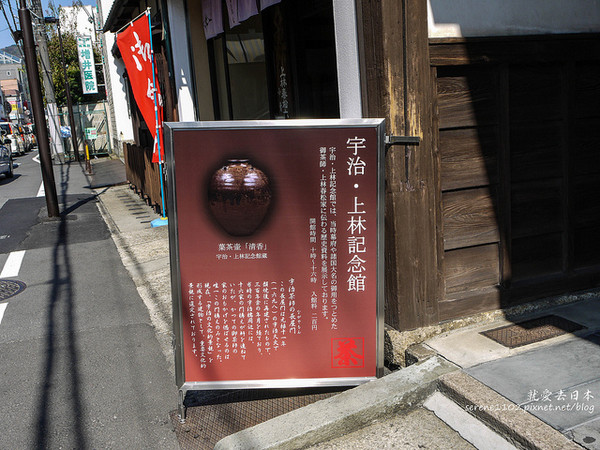
On the way from the station to Byodoin, you’ll pass by the “Uji Ueyama Memorial Museum.” This was the residence of the renowned tea master Ueyama Harumatsu. Since the 14th century, his family has been one of Japan’s most famous tea lineages—so esteemed that they even served nobility and later became the official tea suppliers of Uji designated by the shogunate.
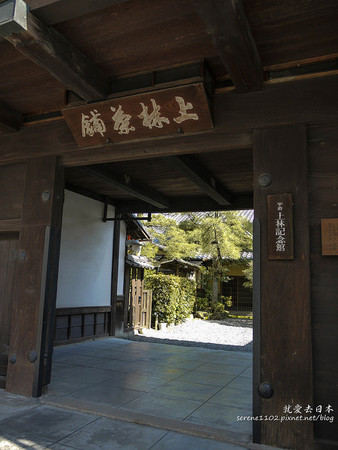
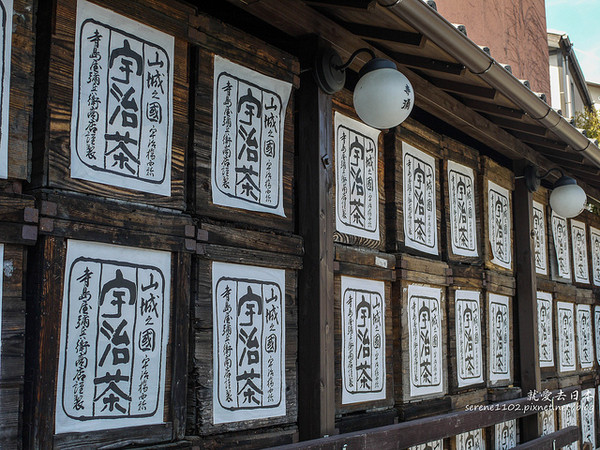
The plaque above the entrance reads “Ueyama Tea Shop”—I wonder how many years old this antique is?
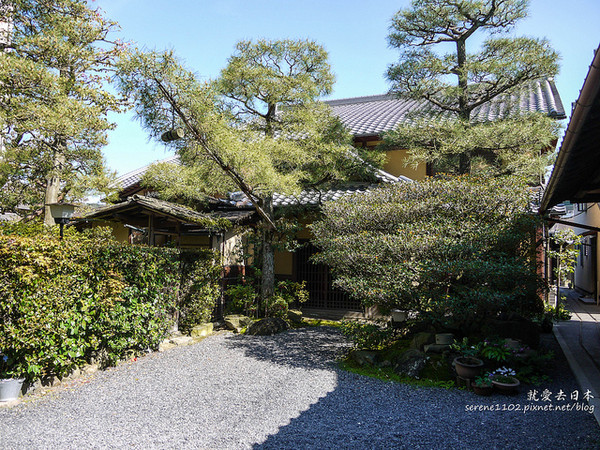
The Japanese garden here isn’t very large, but the pine trees have heavy wooden mallets hanging from them to control their branch growth directions, a common gardening technique in Japanese gardens. Inside, you can view over 450 years of historical documents and even letters exchanged with Toyotomi Hideyoshi, making it an important site for understanding Uji’s tea industry.
However, as it was getting late and we were worried about the sun setting early, we didn’t go in for a visit, just peeked around from the outside.
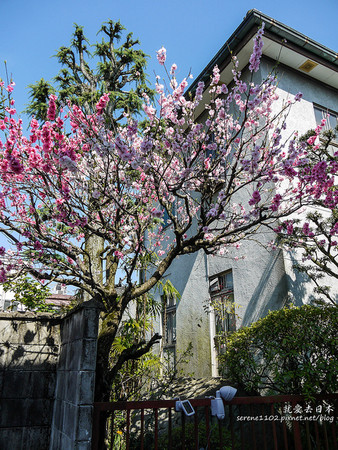
Along the road, we also spotted this cherry tree—amazingly, the same tree had both deep pink and light pink blossoms, which is quite rare. It was one of the few cherry blossoms we saw in Uji when most had already fallen.
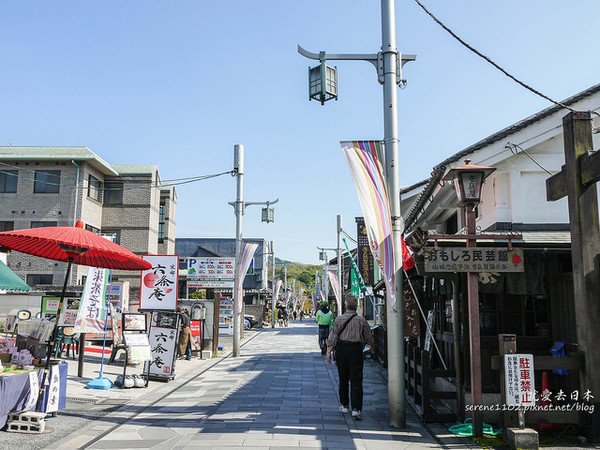
As the hometown of tea, it’s only natural that the streets are filled with tea shops. Just on the way to Byodoin, there are all kinds of tea stores, and since I happen to be a tea lover, I couldn’t help but reach for my wallet upon entering—this street is truly dangerous (laughs).

This maple tree is also incredibly red even in spring. According to a friend, it’s actually a special variety that stays red all year round.
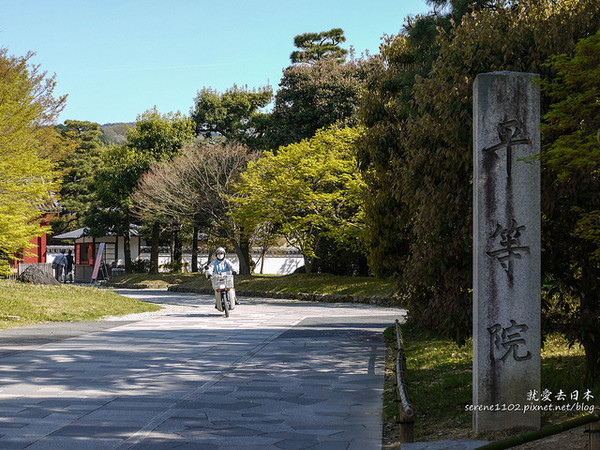
After walking for about three more minutes, you’ll reach the entrance to Byodoin.

The ticket to Byodoin is 600 yen... why is it so expensive?! Because it houses a designated National Treasure of Japan—the Phoenix Hall—and it’s also one of Japan’s most important cultural landmarks.
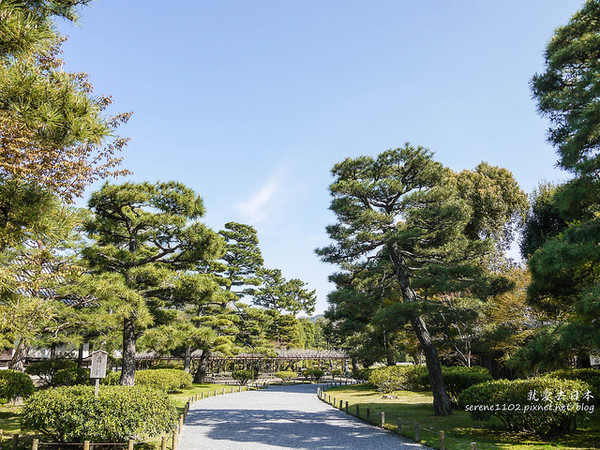
The temple grounds are lush with dense pine trees, which under the warm spring sunlight seem even more tranquil and elegant.
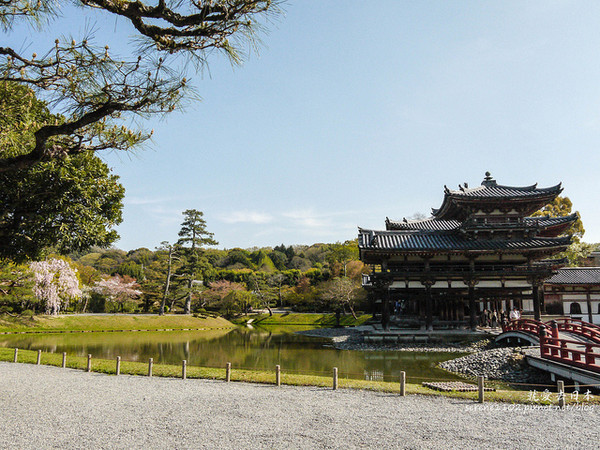
First, you see the side view of the Phoenix Hall. It looks somewhat Chinese in style, which I think is due to the influence of Buddhism being introduced from China.
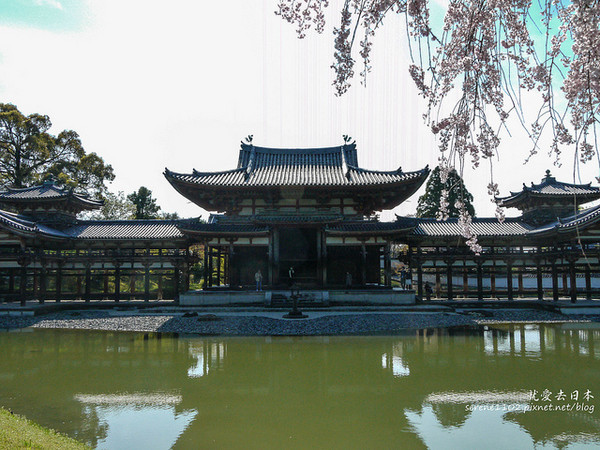
I arrived at Byodoin in the afternoon, so the lighting was backlit. Byodoin was built a thousand years ago by Fujiwara no Yorimichi. At that time, the concept of the Buddhist Western Paradise was very popular among the people, and Fujiwara no Yorimichi, a devout Buddhist, constructed this Amida Hall, which enshrines an Amida Buddha statue and 51 statues of Bosatsu (Bodhisattvas) floating on clouds.
It was later renamed the Phoenix Hall because its upturned eaves resembled a phoenix spreading its wings.
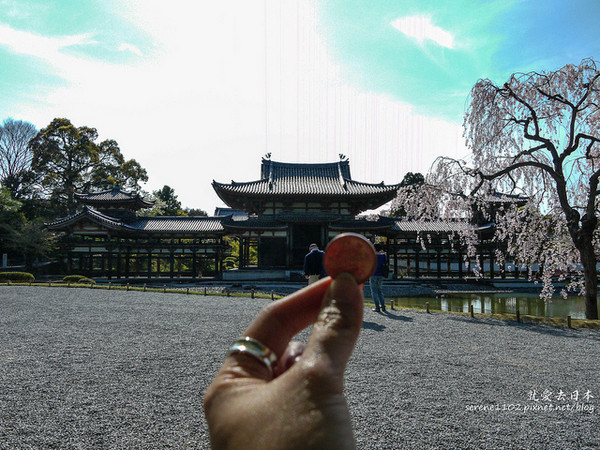
The Phoenix Hall is featured on the 10-yen coin... no wonder it looks so familiar (laughs). But seriously, the backlighting!! If I could do it again, I’d schedule this for the morning and save Fushimi Inari Taisha for the afternoon.
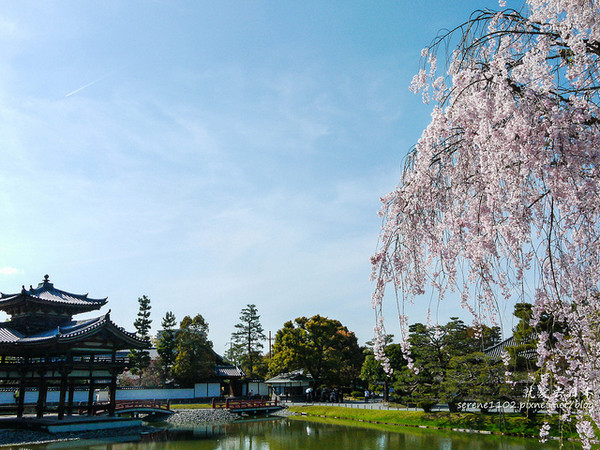
Right in front of the Phoenix Hall, there happens to be a blooming cherry tree, as if adding a beautiful pink touch to the solemn temple.
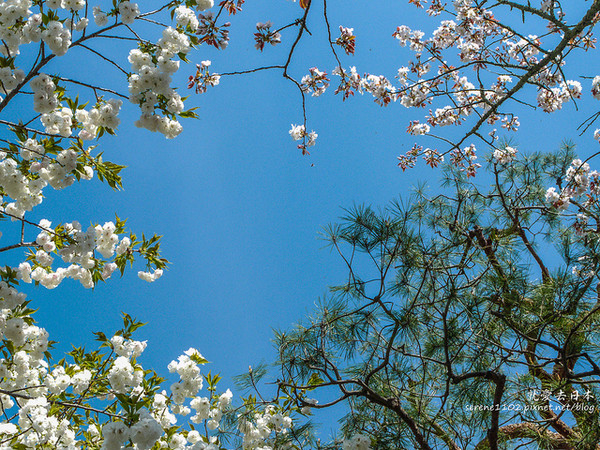
Looking up at the sky, pink cherry blossoms, white cherry blossoms, and pine trees frame a vibrant blue.
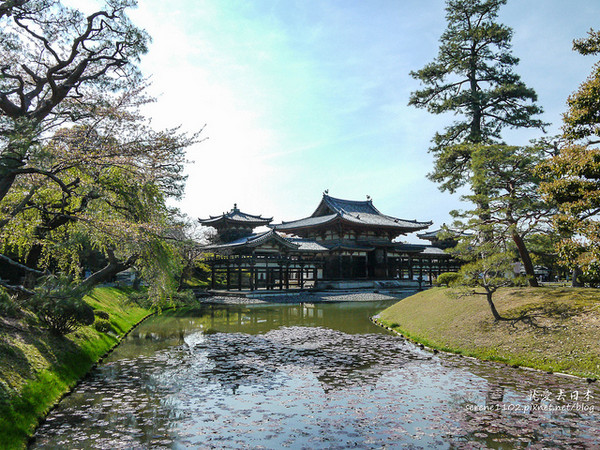
Another angle of Byodoin. If I were Fujiwara no Yorimichi, the builder of this temple, I’d be very pleased with the completed structure, which exudes an ancient Tang Dynasty charm. To enter the Phoenix Hall and view the national treasures, there's an additional entrance fee of 500 yen.
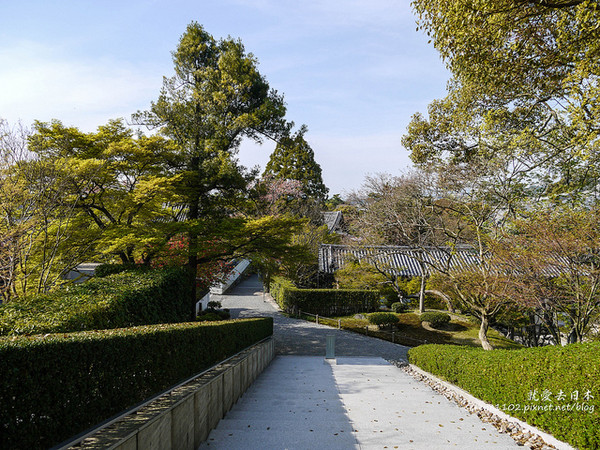
There are also plenty of spots along the garden path that would make me stop and take photos.
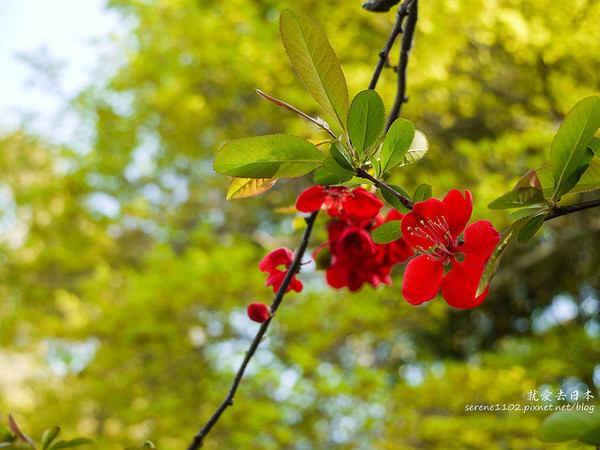
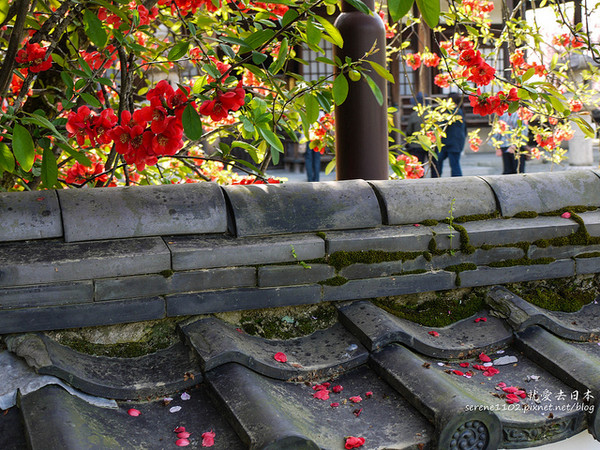
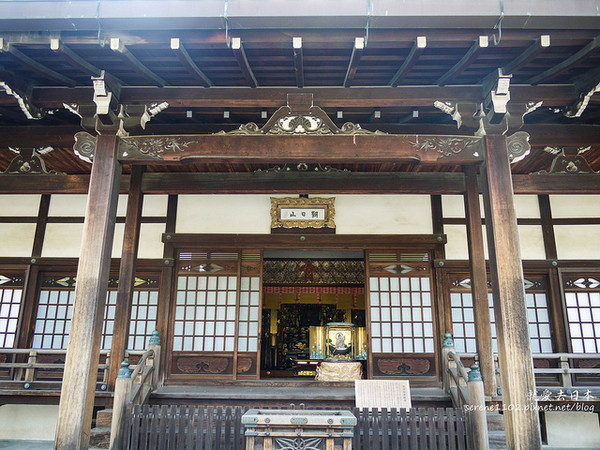
The Jōdo-in (Pure Land Temple) was established around the 15th century. Many temples prohibit taking photos of the inner deity statues, but Jōdo-in is one of the few where it’s allowed.
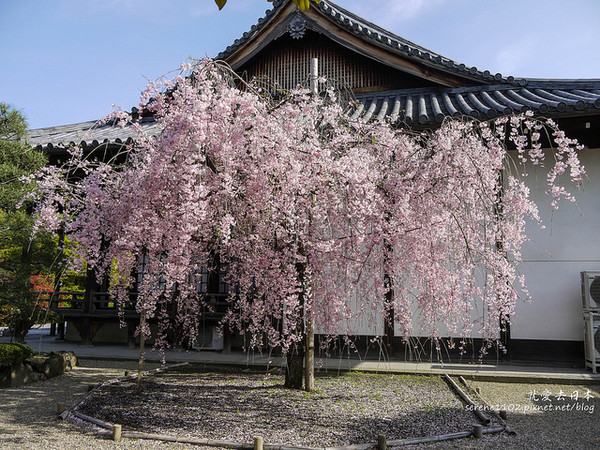
On the side of Jōdo-in, there’s also a cherry tree in full bloom, but sadly, very few visitors come here.
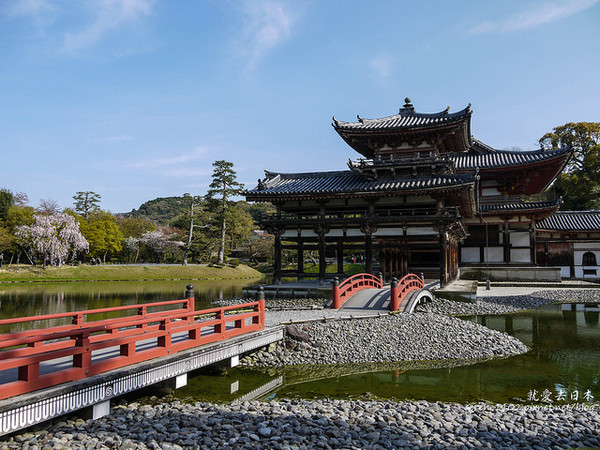
Currently, the Phoenix Hall of Byodoin is under renovation and is expected to be completed by the end of March 2014. During this period, the interior of the Phoenix Hall is not open to the public, and the exterior is covered with large tarpaulins. If you plan to visit, consider scheduling it after April.
[Uji 0? Narrow Path Teahouse】
Address:38 Uji Myōraku, Uji City
Phone:0774-22-2513
Business Hours:10:00 - 16:00, closed on Fridays
Admission Fee:200Q?br />
Directions:Go straight out of the JR Uji Station exit, turn left at the end, and it’s about a 2-minute walk ahead
Address:116 Uji Renge, Uji City, Kyoto Prefecture
Phone:0774-21-2861
Business Hours:8:30 - 17:30, open year-round
Admission Fee:600 yen? 300 yen during Phoenix Hall renovation period
Directions:Go straight out of the JR Uji Station exit, turn left at the end, and it’s about a 3-minute walk ahead. Enter the main street with many tea shops on the right
Xiao Hu's Dream Food Blog
If “eating” is just about filling your stomach, then “food” would be far too boring~~~
Share
This article is published by HowToTrip. Sharing and reposting are welcome — please credit the source.
Article URL: https://www.howtotrip.net/views-24660
Related Articles
- Shaoxing's "Grandpa Gourd" hangs the gourds back up: "If there are too many people, we'll interact less — just take a quick look from afar"
- Chinese authorities announce "reciprocal adjustment" to Japan visa fees — single-entry visa jumps from 2,250 to 16,750 yen!
- The "health stones" carried by a traveler were found to have radiation levels exceeding safety limits by a thousand times, potentially endangering fellow passengers on the same flight. Customs issues warning!
- Shenzhen Airport Issues Late-Night Notice: Unidentified Aerial Object Detected, Causing Widespread Flight Delays!
- “They only said it cost money after I opened the box and washed it!” 200g of grapes sold for 60 yuan on a high-speed train—12306 responds!
- Can't buy an airline ticket? Denied exit? Blocked from boarding? A large number of Chinese tourists have mysteriously become "discredited individuals"
- Adverse weather and economic fluctuations impact Colombia's coffee market
- Beach bathing area responds to 2 yuan/30 seconds fee for freshwater foot rinsing: Clearly priced!
- Taking off with an improperly closed cabin door? Wing malfunction? Multiple flights made emergency returns mid-journey!
- Experience the gifts of nature! A countdown of the world’s ten most stunning coastlines