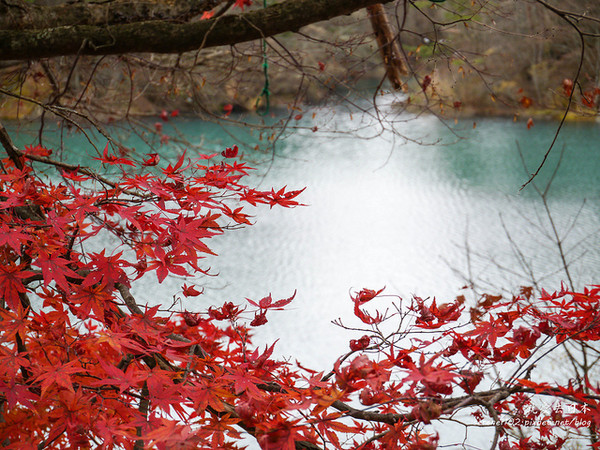
The lakeside maples blaze brilliantly, the water crystal clear — Japan’s Goshikinuma Ponds resemble a fairyland.
Photos & Text /Right-up 45-degree angle
Fukushima Prefecture’s Goshikinuma is a beautiful cluster of lakes that reflect different colors due to the varying minerals in the water. I was interested in this walking route beforehand, and I read that it usually takes about an hour or so for most people to complete. However, since I love taking photos and the weather wasn’t great that day, it took me around two and a half hours to finish.
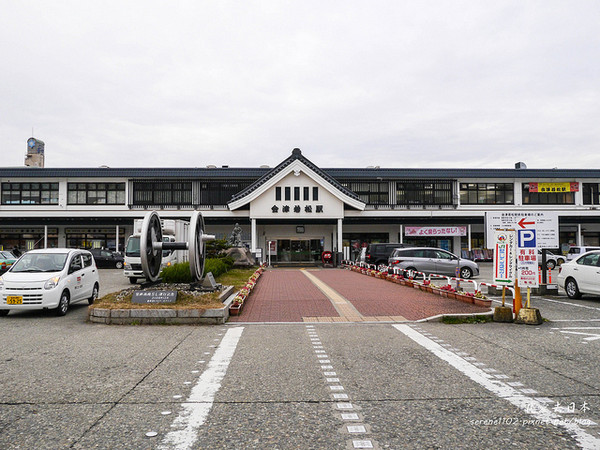
Having seen many train stations in Japan, Aizu-Wakamatsu Station is one that right-up found particularly distinctive. The Aizu-Wakamatsu Domain had many moving historical stories during the late Edo period, including the Byakkotai (White Tiger Corps) and the Shinsengumi, and it was also a castle town that saw quite a lot of battles.
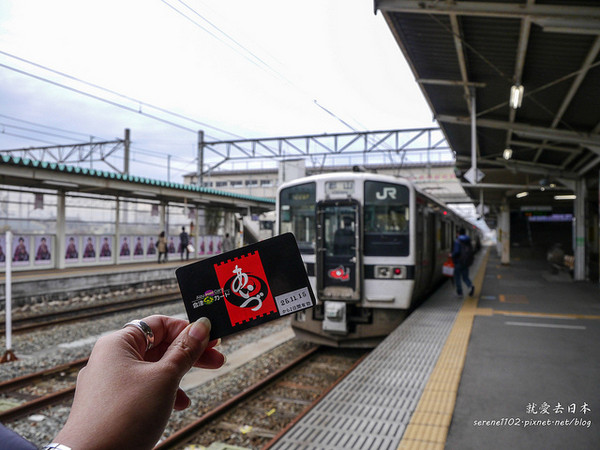
To get to Goshikinuma, we departed from Aizu-Wakamatsu Station, took the JR Banetsu West Line to Inawashiro Station, and then transferred to a bus. By the way, right-up bought the Aizu-Wakamatsu 2-Day Pass, which is extremely convenient. For just 2,600 yen, it covers travel on trains, buses, and even local sightseeing buses between these areas.
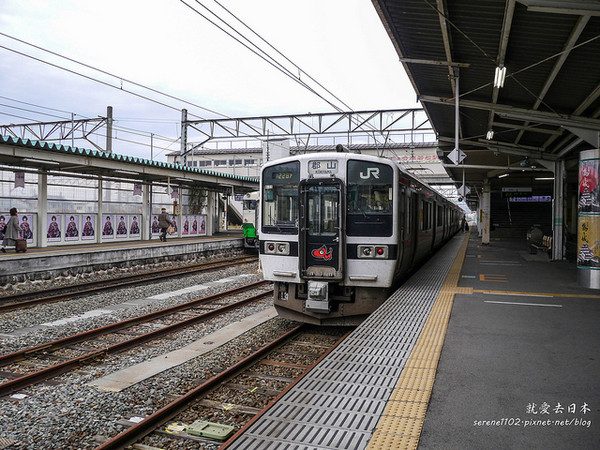
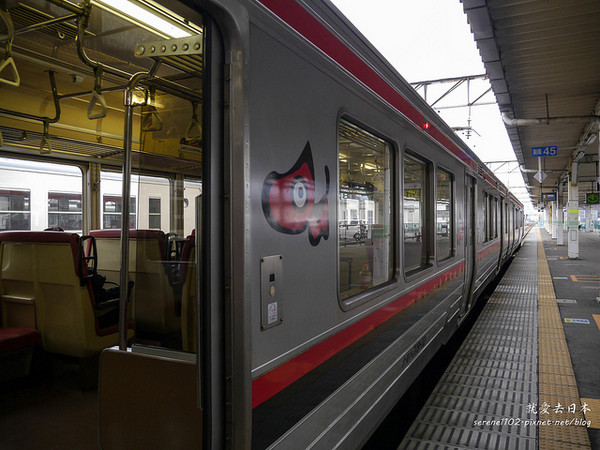
The red cow (Aka Beko) painted on the front of the train and along the carriages is a long-standing good-luck charm and symbol of protection in Fukushima Prefecture. Legend has it that over 800 years ago, when constructing the Kōzōji Temple’s Kongōbu Hall, there weren’t enough workers to transport the lumber. Suddenly, a herd of red cows appeared out of nowhere, helped with the moving, and then vanished. Since then, the red cow has become a symbol of Fukushima. If you want to buy a red cow souvenir, you can choose the cute little one that nods its head.
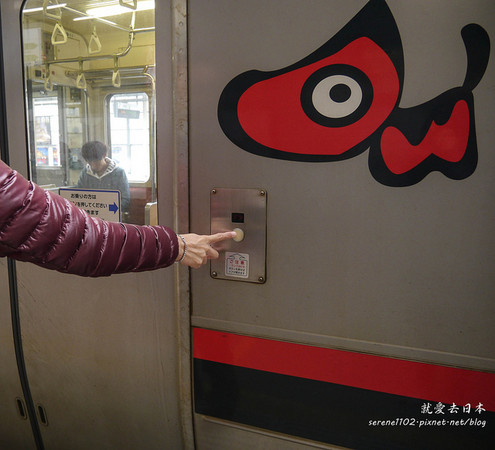
Trains in the Tohoku region may not open their doors automatically — you might need to press a button.
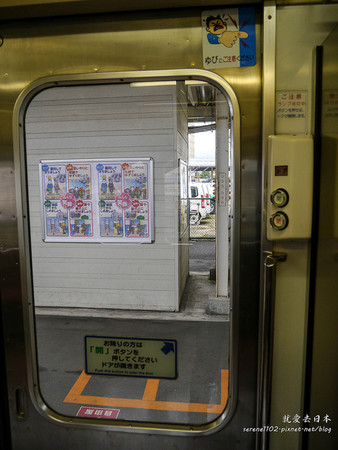
Once inside the carriage, I understood why. Because the Tohoku region can be cold, to prevent doors from opening unnecessarily and freezing passengers inside, there are special buttons next to the doors.
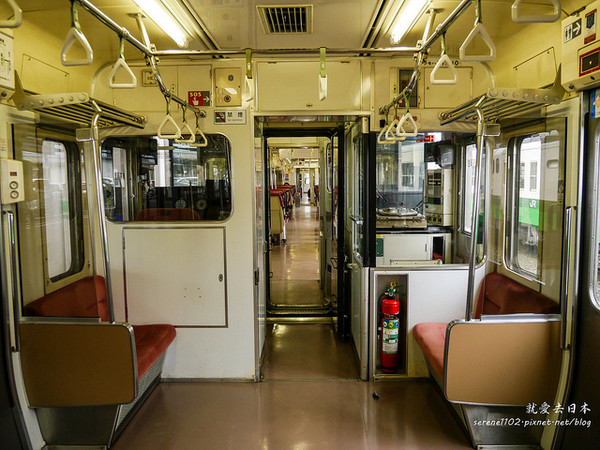
The carriages aren’t very big, quite similar to Taipei’s MRT.
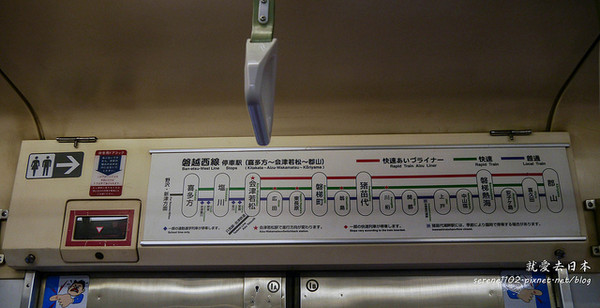
Our destination was Inawashiro Station, which we reached in about 20 minutes from Aizu-Wakamatsu.
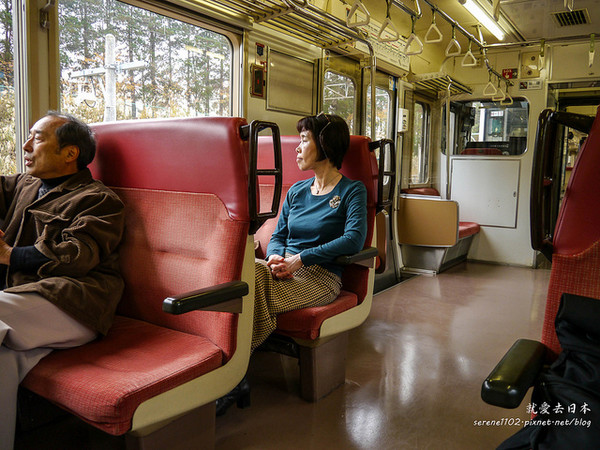
It’s quite obvious here — Japanese train seats really are very small. The way older Japanese women dress is mostly like this: simple, solid-colored outfits that are rather elegant, with few of the bright floral patterns you often see on Taiwanese aunties.
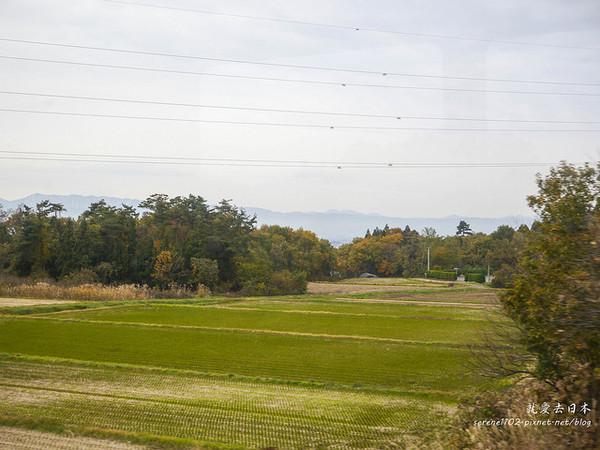
The journey was full of pastoral scenery — a very rural vibe.
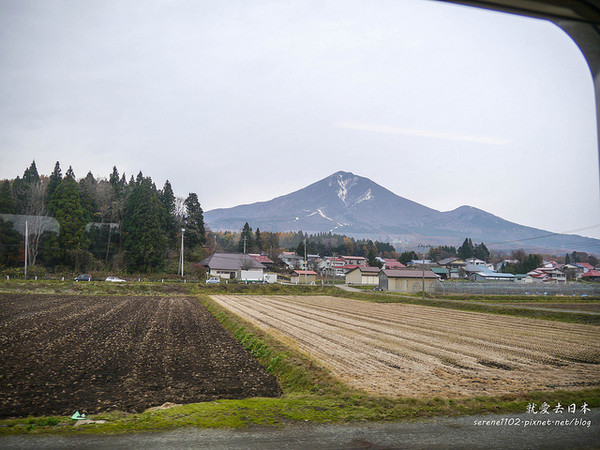
Mount Inawashiro is a famous ski resort. Due to the first snowfall a few days earlier, you could see that the ski slopes on the mountain were already starting to accumulate snow.
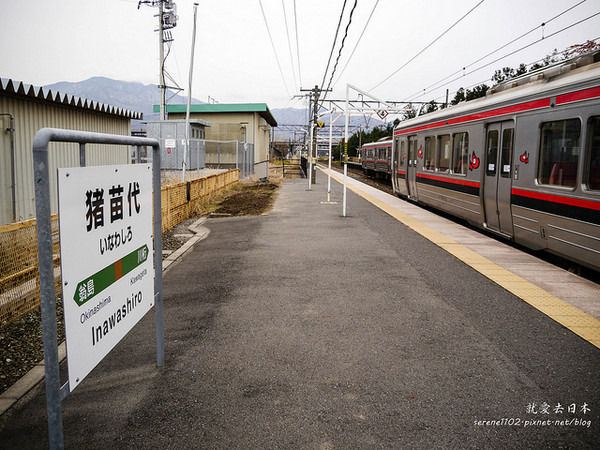
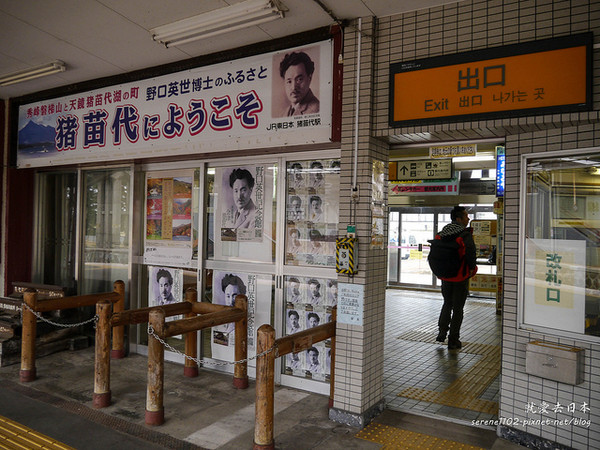
Hideyo Noguchi, a very famous Japanese medical scientist, was born in Inawashiro. As a result, once you arrive in Inawashiro, you’ll see his portrait or memorial monuments everywhere.
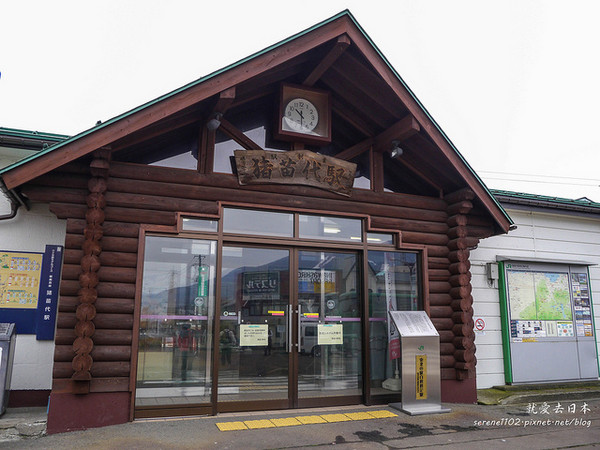
It reminded me of traveling around Taiwan with Xiao Hu. Train stations there are generally built to look pretty much the same, and honestly, you don’t feel anything special no matter which station you arrive at. Japan is different — this time right-up passed through more than ten stations, and each one really had its own unique character. This station is also one of the Tohoku 100 Selected Stations.
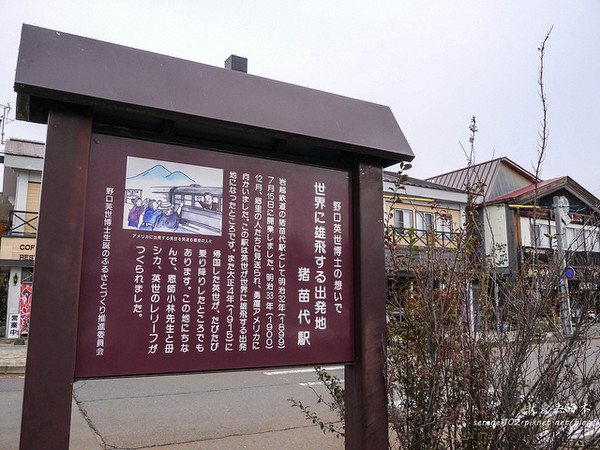
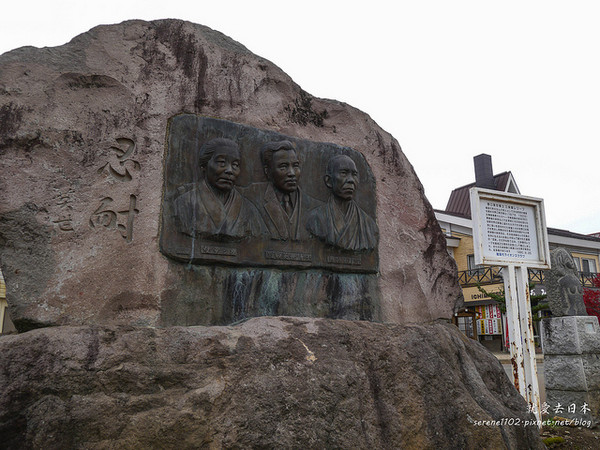
Hideyo Noguchi, who was born in Inawashiro, became a doctor in Japan and later continued his medical research in the United States. He gained worldwide recognition for his work on viruses and spirochetes, was nominated twice for the Nobel Prize in Medicine, and unfortunately passed away after contracting yellow fever while conducting research in Africa. To honor his contributions, his portrait is now printed on the back of the Japanese 1,000-yen note.
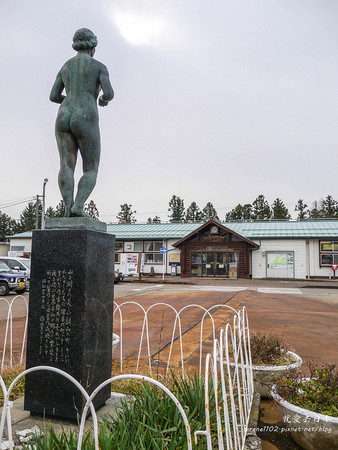
Inawashiro Station is honestly a rather desolate and remote little station. There’s a plaza in front of the station, but apart from right-up and my travel companion, there was no one else...
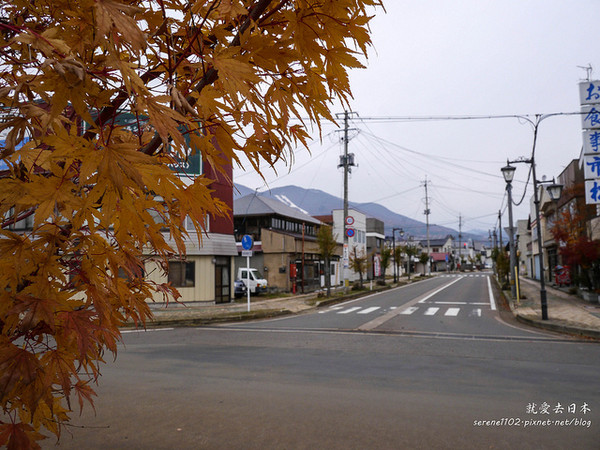
There are hardly any shops in front of the station either — there seems to be only one small restaurant, though it’s unclear whether it’s open or not. Maybe during the snow season, skiing tourists can bring some more life to the place.
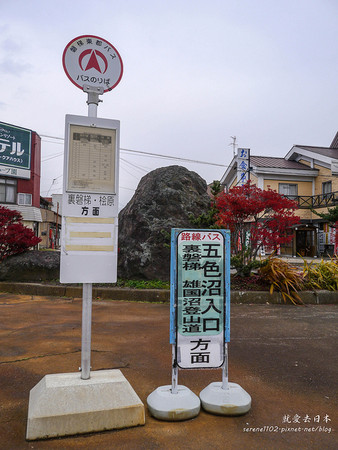
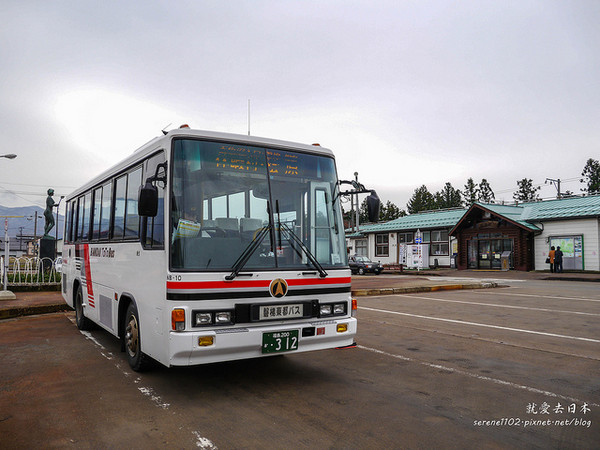
The Tohto Bandai Bus we needed to take was right in the square in front of the station. The train right-up took departed at 09:57 and arrived at 10:26, and the bus was scheduled to leave at 10:40, so the timing worked out quite well.
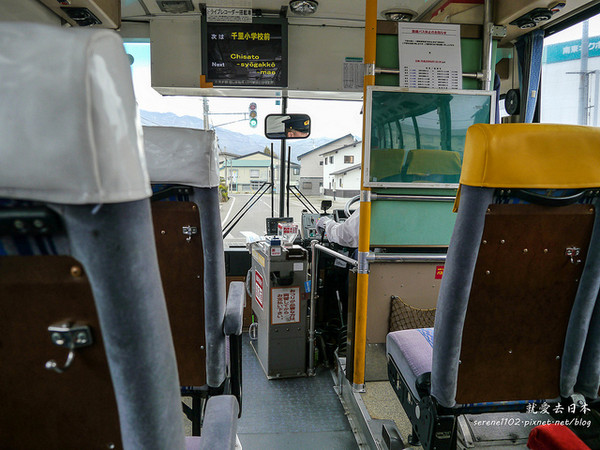
No need to worry about missing your stop — the next station’s name is displayed on the bus. Our destination was the entrance to Goshikinuma, which took about a 30-minute ride.
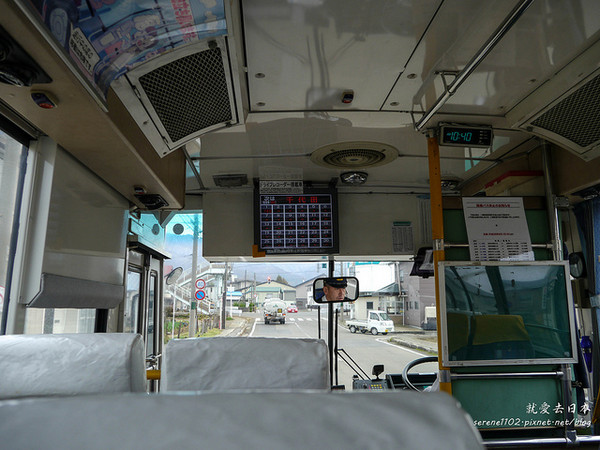
There were barely any people on the bus — it felt almost like a private car. When boarding, just show your Aizu-Wakamatsu 2-Day Pass. If you don’t have a pass, you’ll need to take a numbered ticket when boarding and pay based on the number of stops when you get off. The fare from Inawashiro to the Goshikinuma entrance is 750 yen.
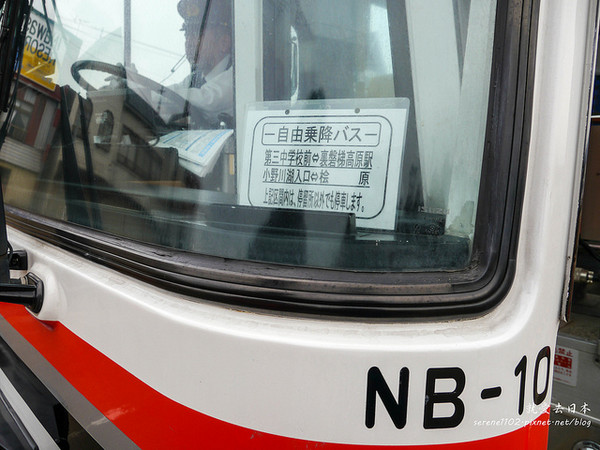
There’s a section of the bus route where you can get on and off at request stops. But I didn’t get off there because it’s really out in the sticks.
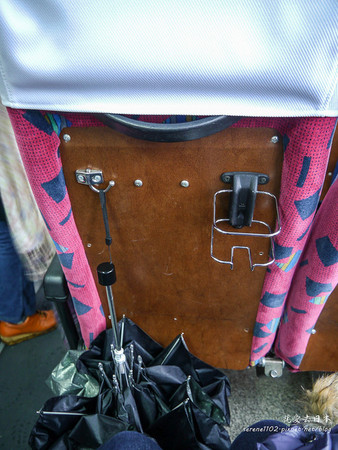
The bus thoughtfully has cup holders and hooks, perfect for hanging damp umbrellas.
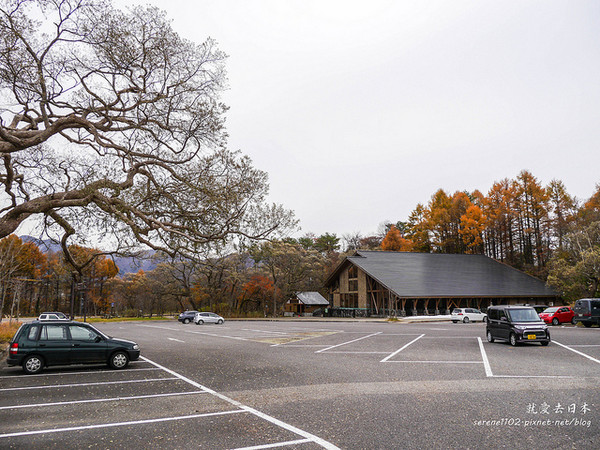
This stop is the entrance to Goshikinuma. The parking lot is quite spacious, probably because it’s a non-holiday.
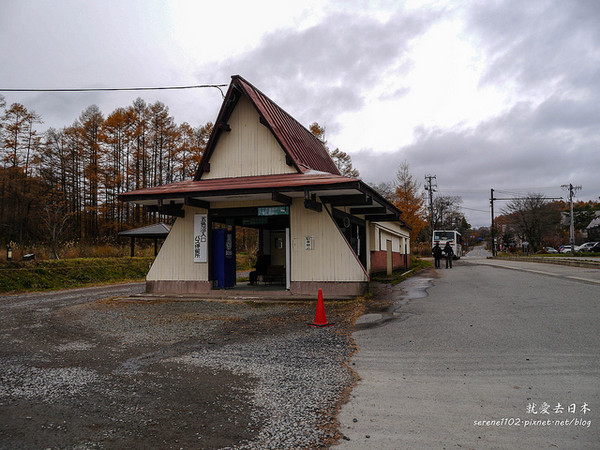
The shelter building is quite interesting, and there’s a vending machine inside — no worries if you forget to bring water for your hike.
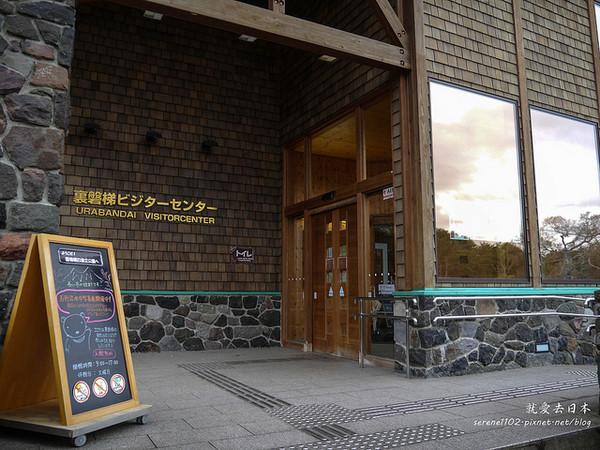
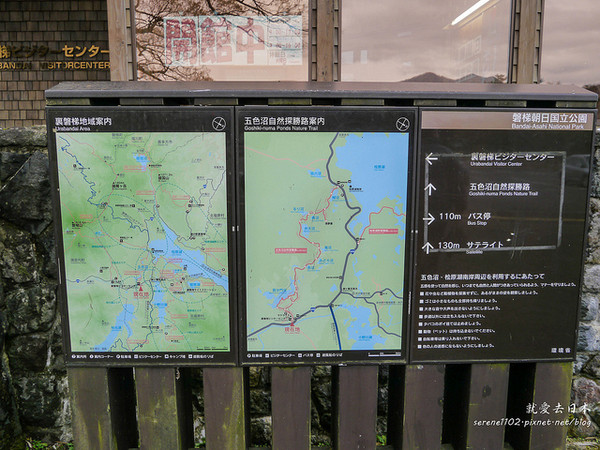
Before setting off, you can check out the visitor center first. There’s also a hiking route map nearby, but right-up just used the restroom and left quickly.
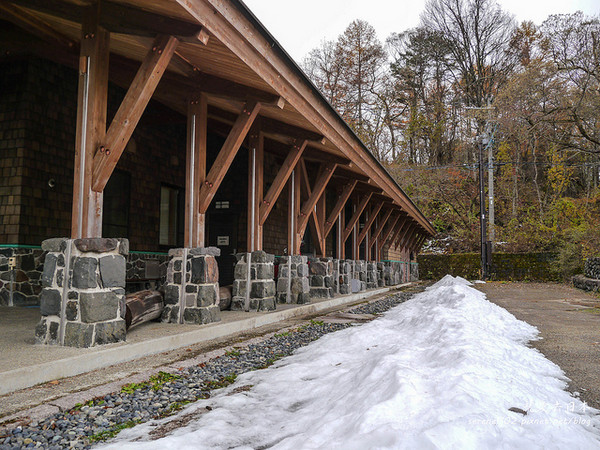
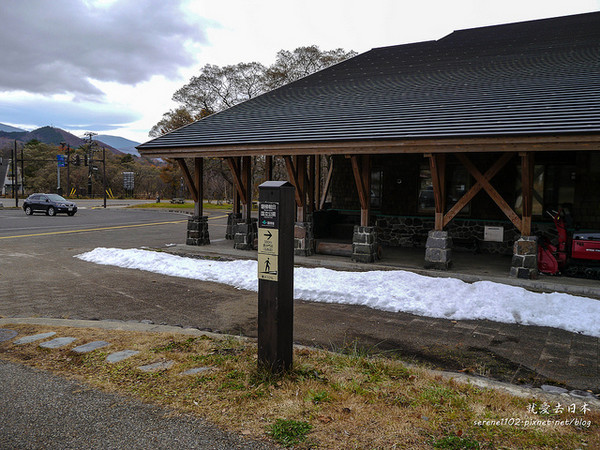
It’s snow-covered alright. From the right-hand sign at the visitor center, we started our natural adventure into Goshikinuma.
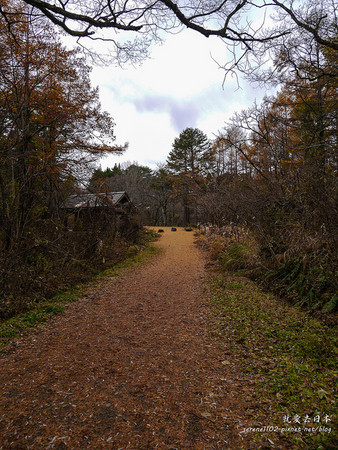
The first short uphill stretch — according to the roadside sign, it’s a 10% gradient. Little did we know this would be the steepest part of the whole trail (laughs). The Goshikinuma trail is easy enough for elderly companions to walk without much effort — it’s a very relaxed hiking route.
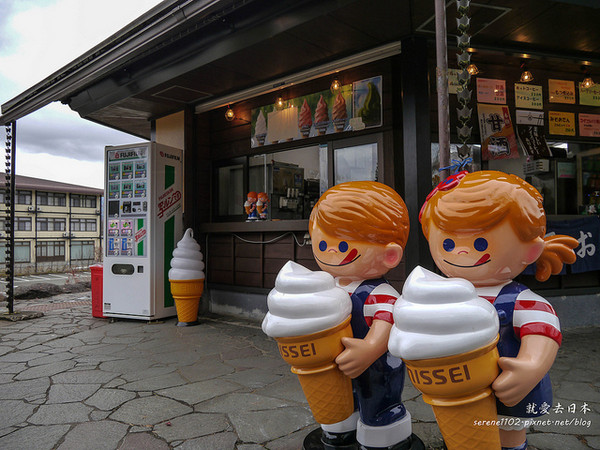
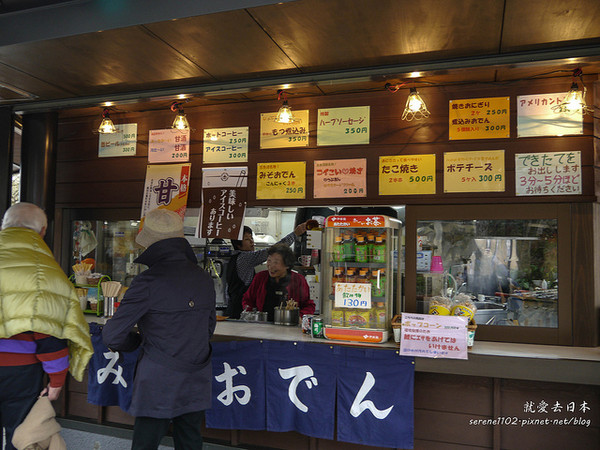
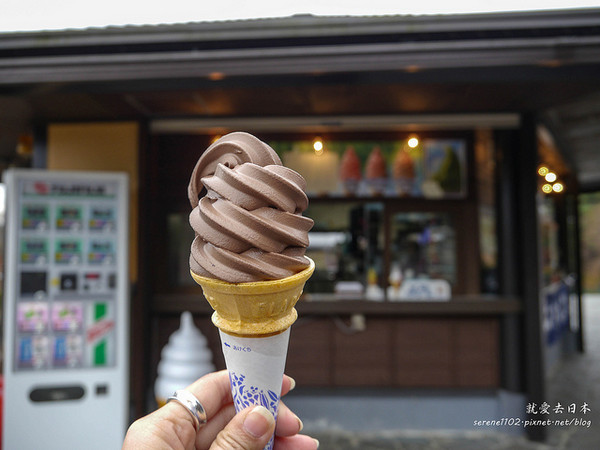
Before really starting the hike, there was a small shop, and the window for hot drinks and soups was constantly crowded. Only the rebellious one in the upper right actually ordered a chocolate ice cream in 8-degree weather. Truly Japan—this casually bought ice cream surprisingly had the slight bitterness chocolate should have, not overly sweet at all. The richness and aroma of the fresh cream also came through. It’s absolutely incomparable to the ice cream you’d get from a street vendor in Taiwan~
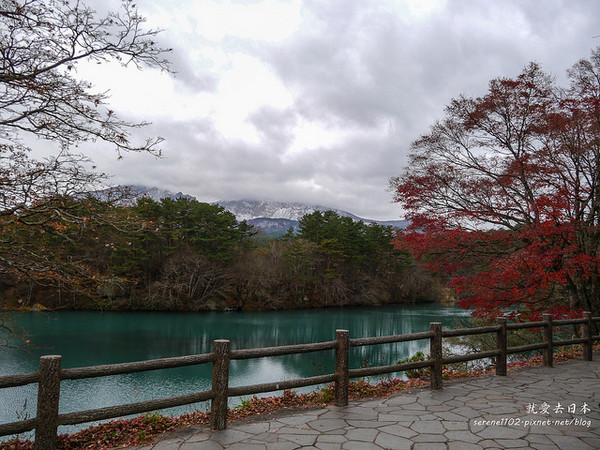
Next to the shop is the first “koloro spot.” It’s also one of the largest ones on the route. Its color isn’t green but rather a vivid cobalt blue. On the left, there’s a small round pond that’s pure white, as if it’s been dusted with snow. The contrast between the two is just artistic.
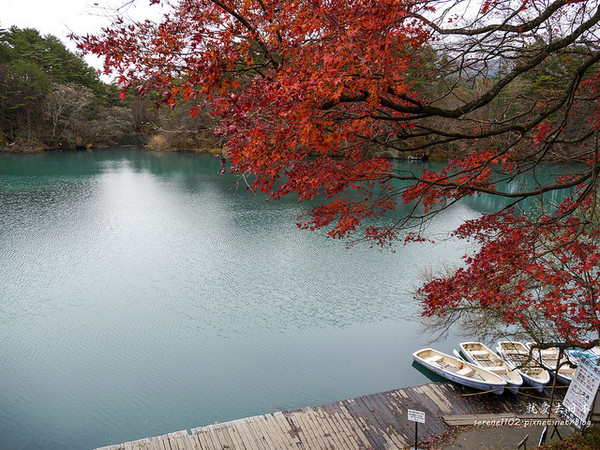
You can go boating on the lake, but I think it’s probably only allowed in summer. Who would want to boat in the deep autumn when it’s 6 degrees? You know what I mean (laughs).
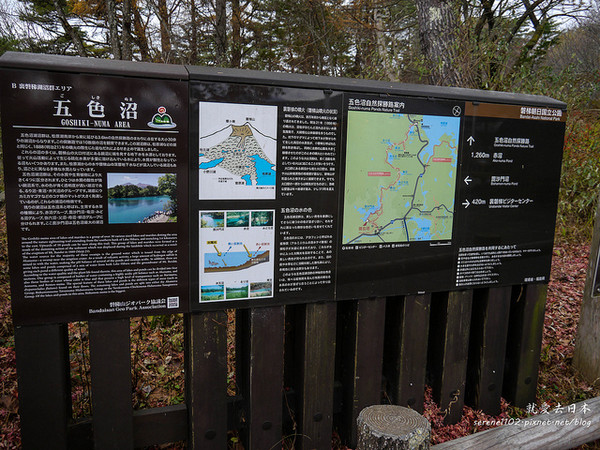
There’s a large sign by the road explaining the different colors of the marshes. It’s due to varying concentrations of minerals in the water, along with the growth of aquatic plants and plankton, which cause the surface to refract different hues.
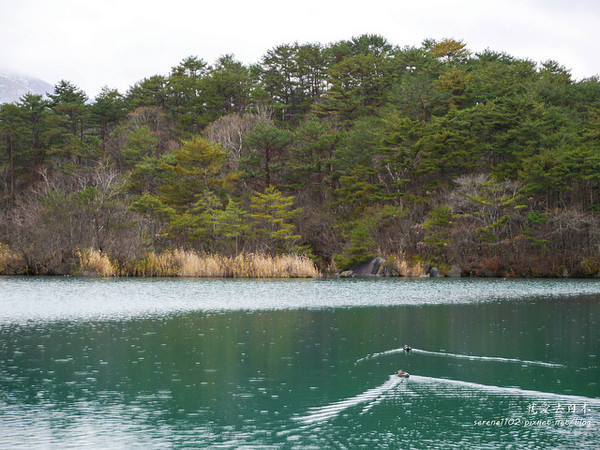
Looking at the “koloro spot” from different angles, sometimes you’ll encounter ones that are emerald green or even navy blue. The contrast with the surrounding forest and snow gives off an otherworldly vibe.
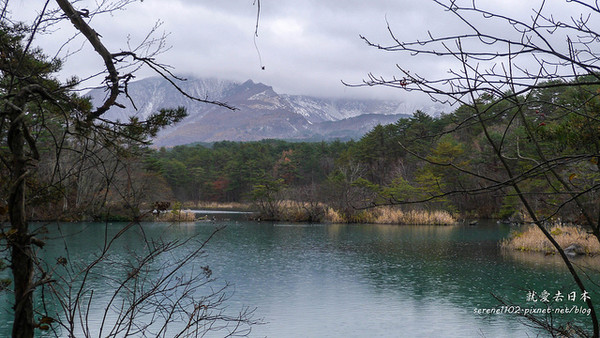
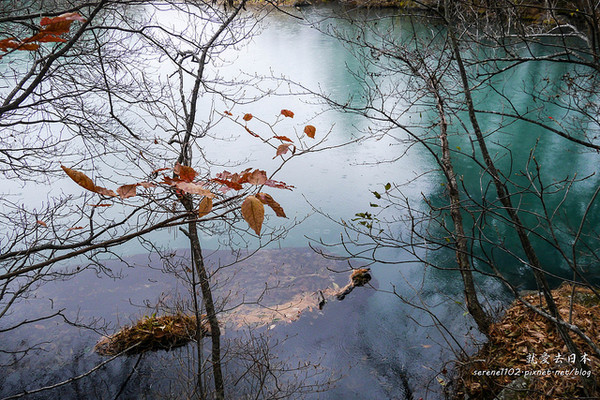
Up close, the lake water is very clear and clean—you can see the bottom.
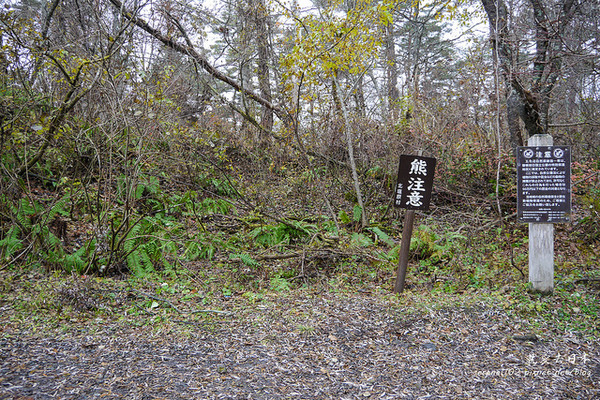
Are there really bears?! Both excited and a bit scared (laughs).
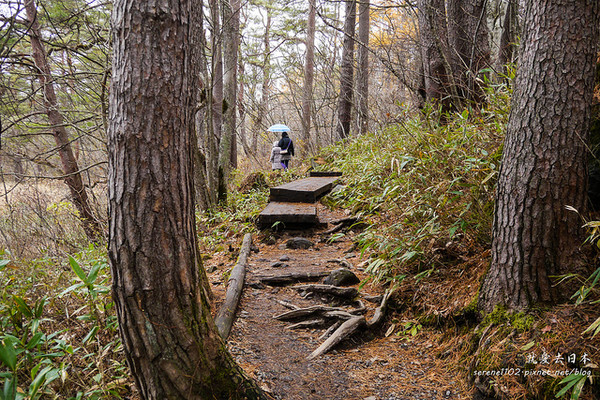
When there are small slopes along the way, there are wooden boardwalks. But even though the path is easy to walk on, if you come on a rainy day, you should wear GORE-TEX waterproof and windproof gear—it’s better for staying dry and warm. Like today, there was a bit of light rain and the temperature was low. In the end, it seemed only the group of people in the upper right completed the entire route. Those who only wore regular sneakers or even leather shoes turned back before finishing, with less than half continuing on.
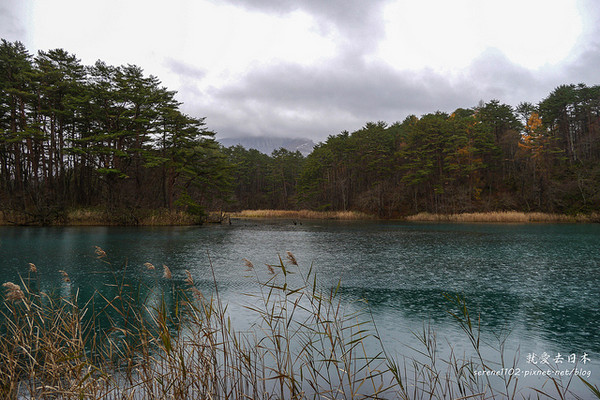
【Five Color Marsh Nature Exploration Trail】
Address:Higashi-Iwaki Village, Kitashiobara, Fukushima Prefecture, Kibune
Phone:0241-32-2349 (Rinppon-cho Tourist Association)
Admission:Free
Directions:Take the Bandai-Toyoko Bus bound for “Ponpon Highland Holiday Village” from JR Inawashiro Station for about 30 minutes, and get off at “Goshiki-numa Iriguchi.” It’s a 3-minute walk from there.
Just Love Going to Japan
The Japanese-style food travel journal of the girl at the 45-degree angle on the upper right
Share
This article is published by HowToTrip. Sharing and reposting are welcome — please credit the source.
Article URL: https://www.howtotrip.net/views-24579
Related Articles
- Shaoxing's "Grandpa Gourd" hangs the gourds back up: "If there are too many people, we'll interact less — just take a quick look from afar"
- Chinese authorities announce "reciprocal adjustment" to Japan visa fees — single-entry visa jumps from 2,250 to 16,750 yen!
- The "health stones" carried by a traveler were found to have radiation levels exceeding safety limits by a thousand times, potentially endangering fellow passengers on the same flight. Customs issues warning!
- Shenzhen Airport Issues Late-Night Notice: Unidentified Aerial Object Detected, Causing Widespread Flight Delays!
- “They only said it cost money after I opened the box and washed it!” 200g of grapes sold for 60 yuan on a high-speed train—12306 responds!
- Can't buy an airline ticket? Denied exit? Blocked from boarding? A large number of Chinese tourists have mysteriously become "discredited individuals"
- Adverse weather and economic fluctuations impact Colombia's coffee market
- Beach bathing area responds to 2 yuan/30 seconds fee for freshwater foot rinsing: Clearly priced!
- Taking off with an improperly closed cabin door? Wing malfunction? Multiple flights made emergency returns mid-journey!
- Experience the gifts of nature! A countdown of the world’s ten most stunning coastlines