20 Cross-Strait Flight Points See Increased Services, Total Flights Rise to 828 Weekly
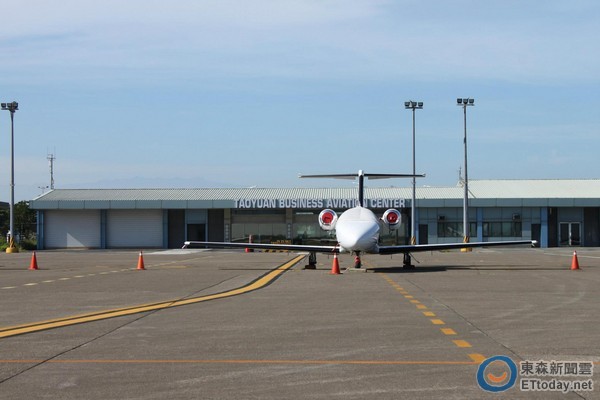
▲ Regular cross-Strait passenger flights will rise to 828 per week, further testing Taiwan’s reception capacity (Photo / Reporter Chen Ruizhong)
Tourism Center / Comprehensive Report
The Civil Aeronautics Administration (hereinafter referred to as CAA) convened a meeting with airlines on February 24, 2014, to coordinate flight rights allocation planning, following the consensus reached at the ninth cross-Strait aviation authorities communication meeting to increase regular passenger flights by 79 per week.
After reviewing the airlines’ proposed route operation needs and conducting an overall assessment, among the additional 72 weekly flights for 22 mainland airports not requiring time slot coordination—excluding Lanzhou and Harbin, where no airlines submitted requests—the remaining 20 points were allocated a combined total of 52 weekly flights by various airlines. As for the conversion of 7 irregular chartered tourist flights per week into scheduled services, allocations were made as follows:Uni Air: Taichung–Guangzhou, 2 flights per week. China Airlines: Taichung–Nanning, 1 flight per week; Kaohsiung–Xuzhou, 2 flights per week. Far Eastern Air Transport: Kaohsiung–Taiyuan and Kaohsiung–Nanchang, 1 flight per week each.。
The CAA will subsequently proceed with follow-up procedures in accordance with the “Regulations Governing the Approval of Direct Air Transport between Taiwan and Mainland China Areas,” applying relevant provisions of the “International Flight Rights Allocation and Charter Flight Review Outline,” as soon as possible. After reporting to and receiving approval from the Ministry of Transportation and Communications, airlines may then implement the services accordingly.
The total number of regular cross-Strait passenger flights will increase from the current 670 per week to 828 per week, with each side adding 79 flights weekly. Given the significant scale of this increase, the CAA encouraged airlines to allocate flights to points other than Taoyuan and Songshan, aligning with the goals of the Executive Yuan’s Tourism Development Promotion Committee to develop tourism in central and southern Taiwan. This allocation resulted in a combined total of 59 weekly flights for domestic airlines, including 19 flights per week assigned to central and southern points, accounting for 32% of the total. Overall, Taiwan’s regular passenger flights increased from 335 to 394 per week, with flights assigned to non-Taoyuan/Songshan points rising from 83 to 102 per week, making up about 26% of the total.
Moving forward, domestic airlines can work together with local governments, tourism operators, and carriers to integrate regional tourism industries and bring more travelers to Taiwan through cross-Strait flights, thereby promoting long-term development of local tourism and sustainable operations for airlines.
The additional cross-Strait flights this time are implemented in accordance with the “Seventh Amendment Document to the Cross-Strait Air Transport Supplementary Agreement,” confirmed and put into effect via an exchange of letters between the Straits Exchange Foundation (SEF) and the Association for Relations Across the Taiwan Straits (ARATS) on January 8, 2014 (103 fiscal year).
Share
This article is published by HowToTrip. Sharing and reposting are welcome — please credit the source.
Article URL: https://www.howtotrip.net/views-24307
Related Articles
- Shaoxing's "Grandpa Gourd" hangs the gourds back up: "If there are too many people, we'll interact less — just take a quick look from afar"
- Chinese authorities announce "reciprocal adjustment" to Japan visa fees — single-entry visa jumps from 2,250 to 16,750 yen!
- The "health stones" carried by a traveler were found to have radiation levels exceeding safety limits by a thousand times, potentially endangering fellow passengers on the same flight. Customs issues warning!
- Shenzhen Airport Issues Late-Night Notice: Unidentified Aerial Object Detected, Causing Widespread Flight Delays!
- “They only said it cost money after I opened the box and washed it!” 200g of grapes sold for 60 yuan on a high-speed train—12306 responds!
- Can't buy an airline ticket? Denied exit? Blocked from boarding? A large number of Chinese tourists have mysteriously become "discredited individuals"
- Adverse weather and economic fluctuations impact Colombia's coffee market
- Beach bathing area responds to 2 yuan/30 seconds fee for freshwater foot rinsing: Clearly priced!
- Taking off with an improperly closed cabin door? Wing malfunction? Multiple flights made emergency returns mid-journey!
- Experience the gifts of nature! A countdown of the world’s ten most stunning coastlines