A Blend of Modernity and Tradition – Embark on a Korean Cultural Journey in Insadong
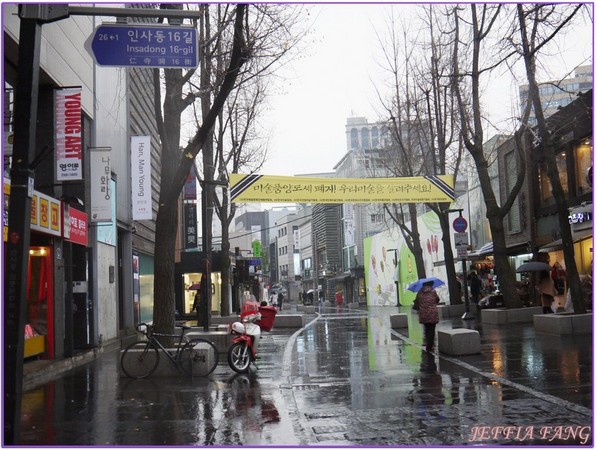
▲ Walk into the alley from the entrance of the Tourist Information Center at Exit 6 of Anguk Station, and you’ll find yourself in Insadong.
Text & Photos /Jefia Wa
Seoul’s No. 1 Traditional Culture Street [Insadong] Exit 6 of Anguk Station. Just a few steps straight ahead from Exit 6 of Anguk Station, you’ll see the “Tourist Information Center.” Pick up a detailed Insadong guide map (in Chinese!) there and you’re all set to explore Insadong properly.
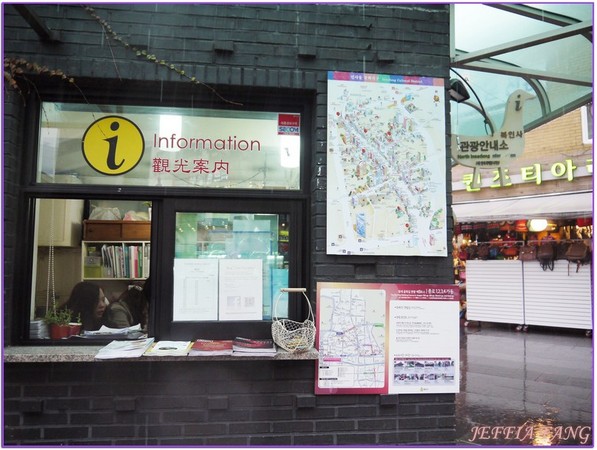
▲ The Tourist Information Center in Insadong.
According to official sources: In Seoul, when people think of traditional districts, Insadong is the first place that comes to mind. Originally just a neighborhood of furniture shops, clinics, and traditional Korean houses, it now boasts numerous restaurants, teahouses, galleries, and souvenir shops. Especially noteworthy are its galleries, which hold significant influence in the Korean art scene.
If I, Jefia Wa, were to compare it with Samcheong-dong, my personal feeling is: Walking through Samcheong-dong is like the prince from the rooftop of a Korean drama falling into the serene embrace of a modern, elegant beauty — it blends ancient tranquility with a playful modern charm.
Insadong, on the other hand, is where modernity and tradition intersect, where Eastern and Western cultural clashes coexist simultaneously. In addition to its many galleries and exhibitions, traditional teahouses and artisan shops (e.g., paper products, embroidery, etc.) are beloved by tourists. Especially popular is SSAMZIE, an art mall with over 70 merchants, often praised as the “Insadong within Insadong.” Its unique architectural design and individual shops within this “district within a district” frequently become the focus of cameras and photography enthusiasts.
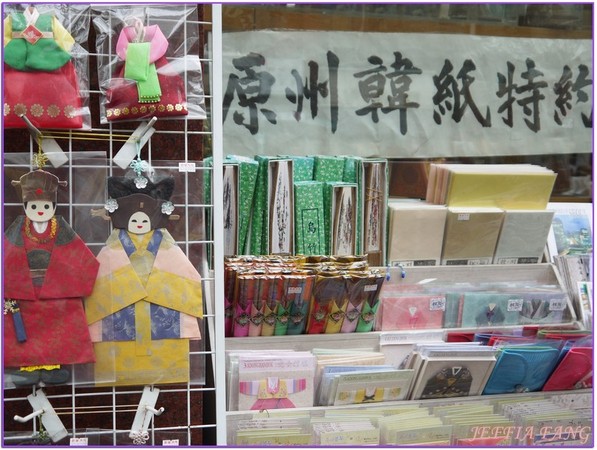
▲ Insadong has many traditional handicraft shops.
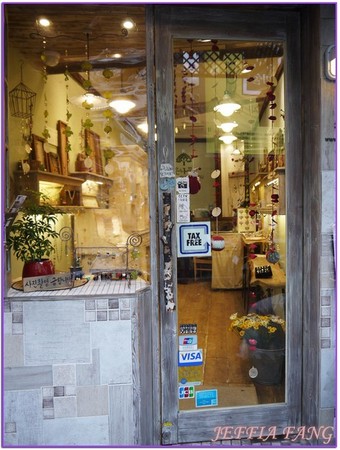
▲ A small shop selling modern handicrafts.
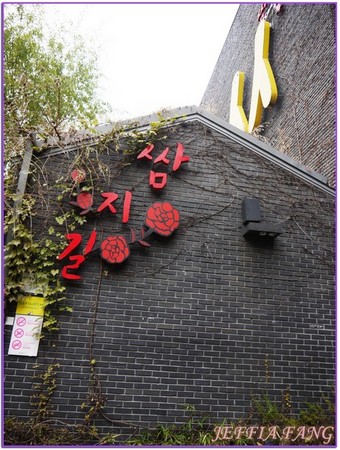
▲ The Insadong within Insadong – SSAMZIE.
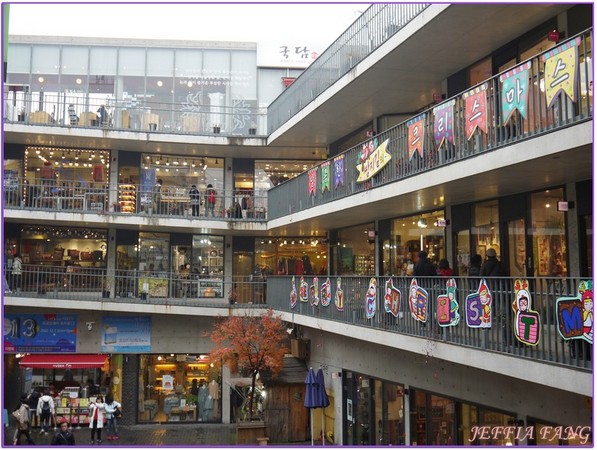
▲ SSAMZIE houses over 70 merchants, including galleries, traditional teahouses, restaurants, and stores selling various handmade goods and traditional souvenirs.
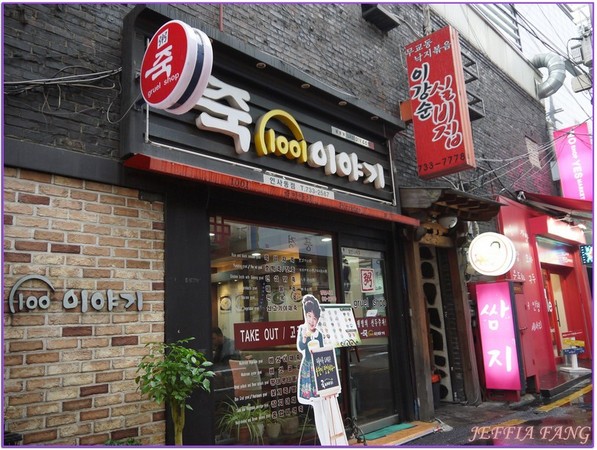
▲ A congee shop in Insadong.
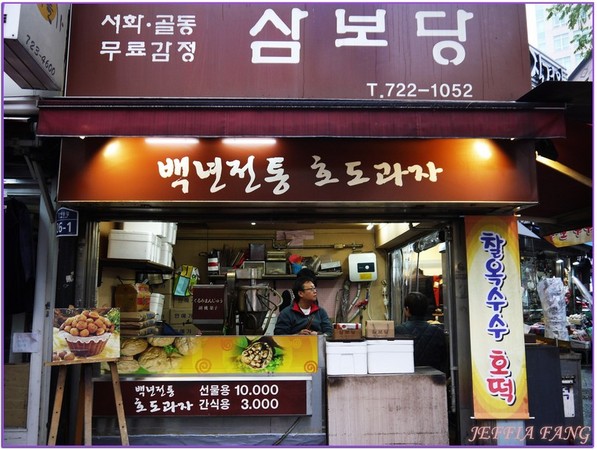
▲ Famous red bean pancakes in Insadong.
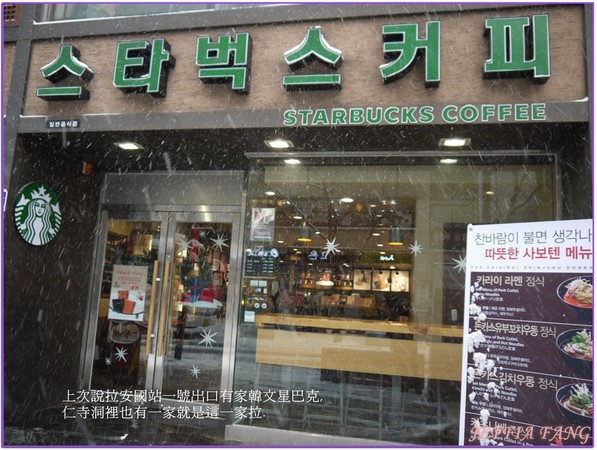
▲ The Korean-style Starbucks in Insadong.
As Insadong is close to many office workers in the Gwanghwamun-Jongno area, there are also plenty of restaurants here. Most tourist groups gather at Naminsadong Plaza due to parking issues for large buses, then start exploring from the Insadong intersection near Jongno 3-ga. Actually, you don’t need to worry about getting lost, because walking straight along Insadong Road will lead you directly to the Tourist Information Center at Exit 6 of Anguk Station – Up above you go.
If you have the chance to visit Seoul’s No. 1 traditional culture street, Insadong – enjoy some tea and nostalgia, admire creativity and design, and hear the unique stories shared by shop owners. It’s a truly wonderful nostalgic cultural journey.
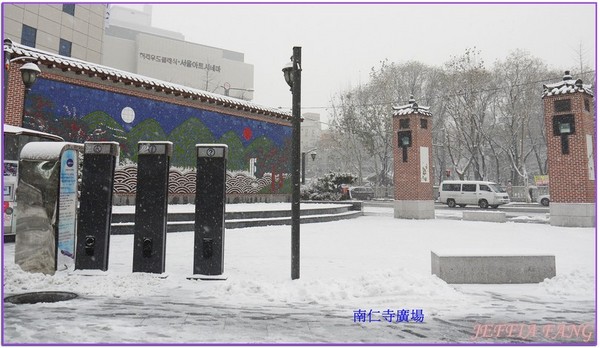
▲ Naminsadong Plaza near Jongno 3-ga Station.
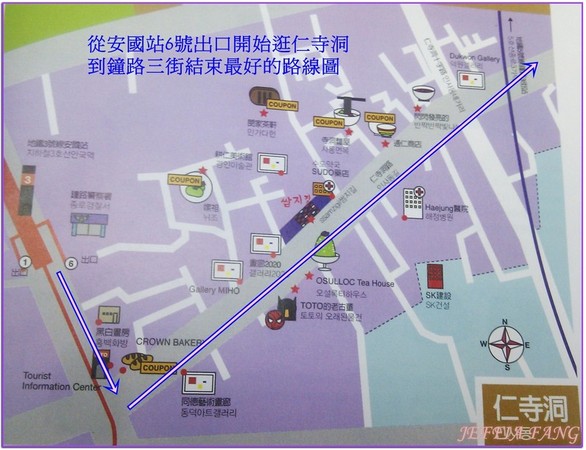
▲ Whether you're coming from Exit 6 of Anguk Station or Jongno 3-ga Station, getting to Insadong Road is very convenient.
[The Insadong within Insadong – SSAMZIE]
Address:38 Kwanhun-dong, Jongno-gu, Seoul
Contact Number:02-736-0088
More amazing articles from “Jefia Wa” can be found here:http://www.jeffiafang.com/
Share
This article is published by HowToTrip. Sharing and reposting are welcome — please credit the source.
Article URL: https://www.howtotrip.net/views-24288
Related Articles
- Shaoxing's "Grandpa Gourd" hangs the gourds back up: "If there are too many people, we'll interact less — just take a quick look from afar"
- Chinese authorities announce "reciprocal adjustment" to Japan visa fees — single-entry visa jumps from 2,250 to 16,750 yen!
- 旅客携带的“保健石”核辐射超标千倍,同机人员或遭殃!海关提醒!
- 深圳机场深夜通报!出现不明升空物,航班大面积延误!
- “拆盒洗了才说要钱!”高铁200克葡萄卖60元,12306回应!
- 买不了机票?出境被拒?登机被拦?一大波中国游客莫名成了“失信人”
- 不利天气和经济波动影响哥伦比亚咖啡市场
- 海边浴场回应冲脚淡水收费2元/30秒:明码标价!
- 舱门没关好就起飞?机翼出现问题?多个航班途中紧急折返!
- 感受大自然的馈赠!盘点世界十大唯美海岸线