Soak your feet before boarding the train! The only thatched-roof train station in all of Japan also has foot baths!
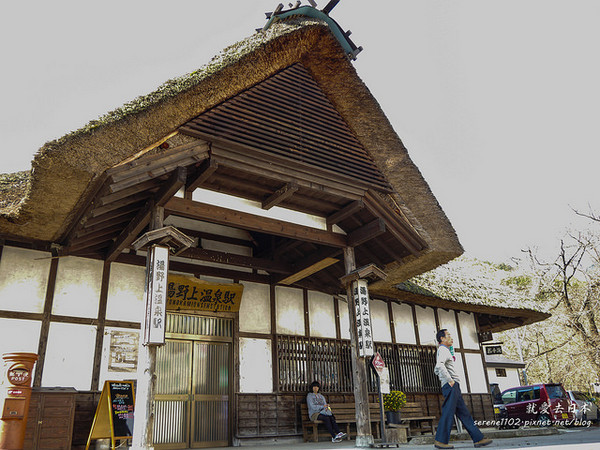
▲This photo might be a bit overexposed, but it unintentionally captures a touch of nostalgia. What do you all think—does it really feel close to the vibe a thatched cottage should have? (laughs)
Photo & Text byTop right forty-five degrees
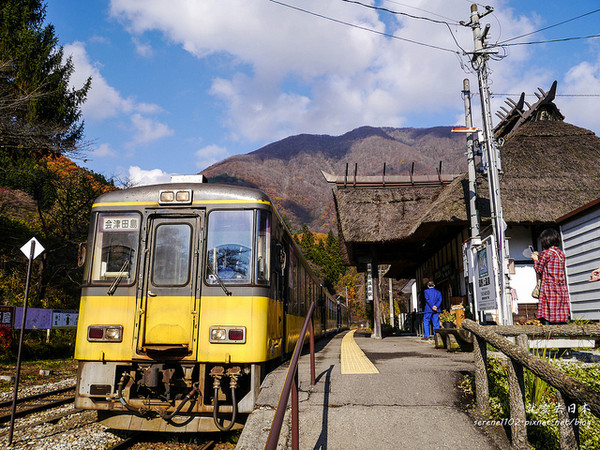
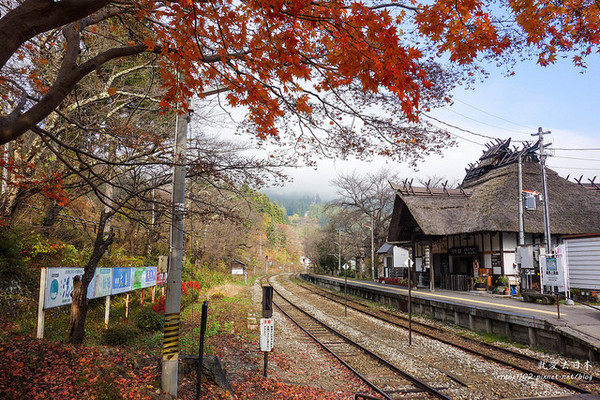
Riding the Aizu Romantic View Limited Express, we arrive at Yunogawa Onsen, where we’ll transfer to head to Ouchijuku today. This station is one of the Tohoku Hundred Selection Stations and also the only train station in all of Japan built in the style of a thatched cottage—mirroring the scenery of Ouchijuku, one of Japan’s Three Great Thatched-Village Towns.
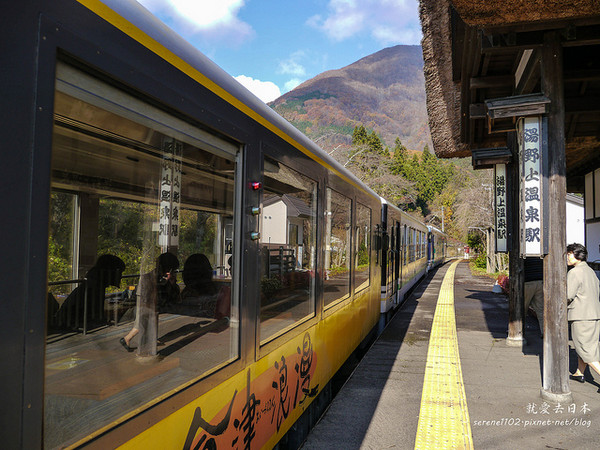
Similarly, if you’re riding a scenic train, the train will stop here for 15 minutes so passengers can take photos and soak their feet. The passengers on the train definitely don’t miss this chance—they all get off to sightsee.
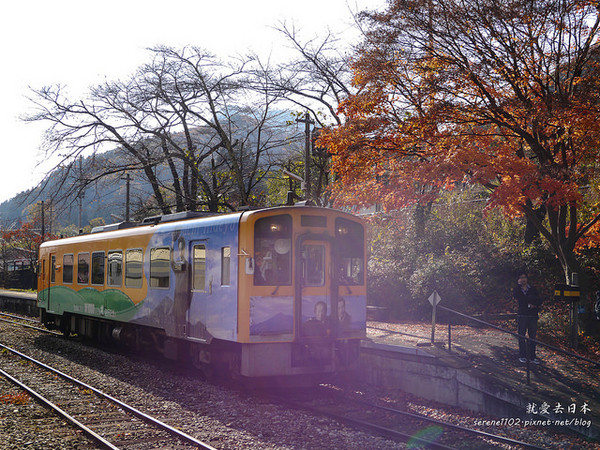
Coincidentally, there’s an ordinary train parked across from us. If you weren’t taking the scenic train, you’d be on one of these single-car trains, decorated with a portrait of Fukushima’s pride: Hideyo Noguchi.
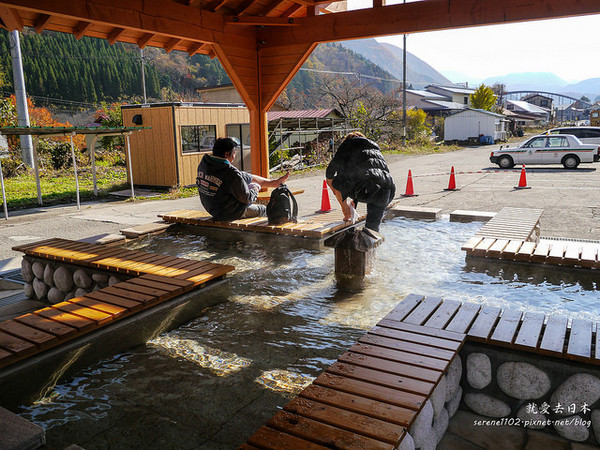
Honestly, having a foot bath at the train station might be the happiest thing in the world. In the cold, northern Tohoku region, soaking your feet comfortably before getting back on the train—how could you possibly still feel cold?
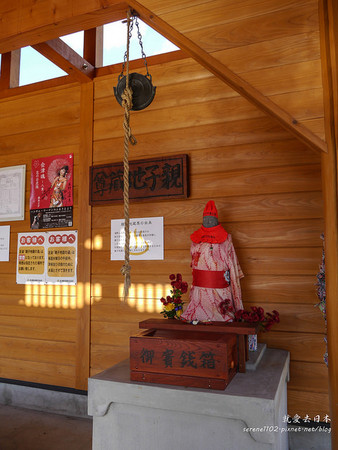
The foot bath is called “Oyako Jizou no Yu” (Parent and Child Jizo Foot Bath). Inside the building, there's a well-cared-for parent and child Jizo statue, watching over the safety of travelers and the health of local residents.
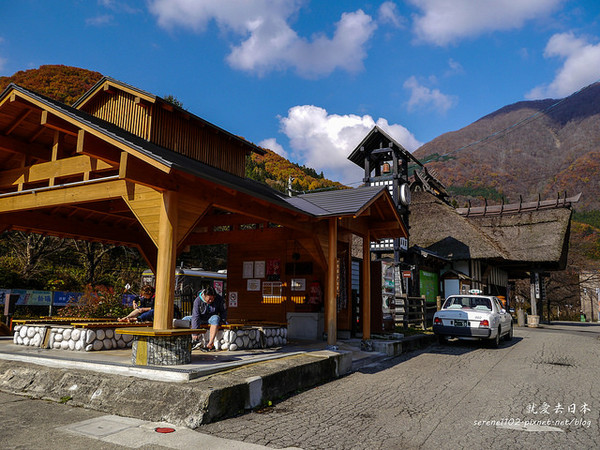
Hop in the taxi nearby, and you can be taken straight to Ouchijuku. However, during the season shown in the top right corner (March 23 – January 30), there’s also a shuttle bus called the Saruyuu Bus available. The train arrives at 10:13 AM, and the bus departs at 10:40 AM—plenty of time for photos!
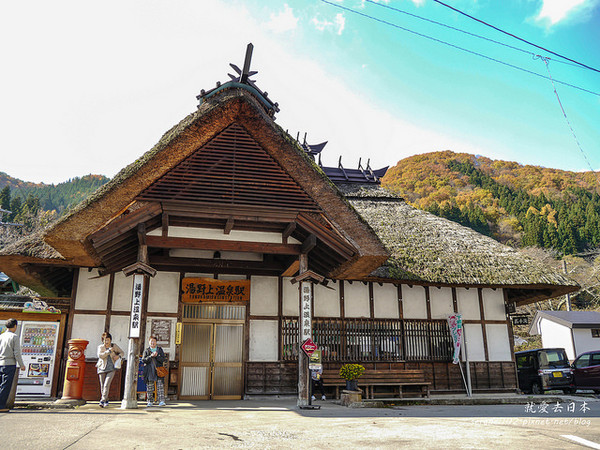
The unique thatched-roof architecture was completed in 1978. Yunogawa Onsen Station is not only Japan’s only thatched-roof station, but it’s also been selected as one of the Tohoku Hundred Stations. In 2005, it was even awarded the Special Prize of the Japan Railway Awards.
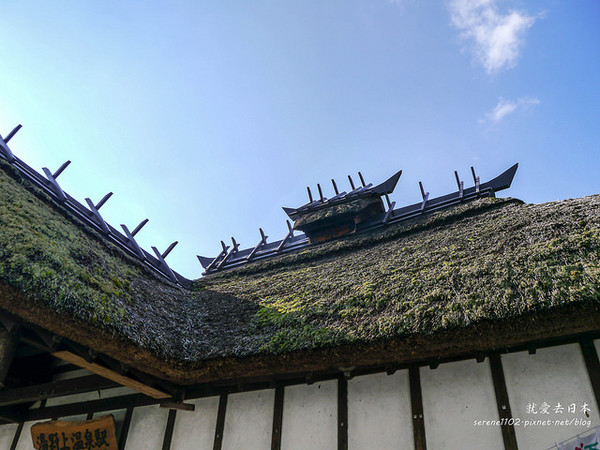
Actually, the top right corner shows that the roof of the thatched cottage is supposed to be made of dried straw, but when you zoom in, the grass looks green—has it become young again? (laughs)
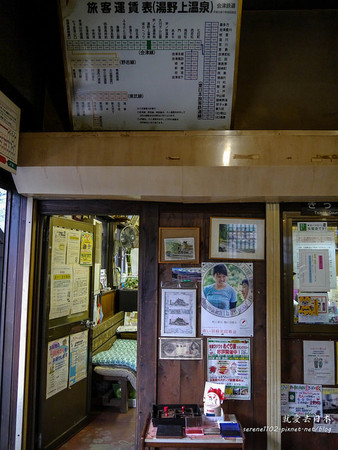
There are free stamps available for visitors to stamp themselves in front of the station office.
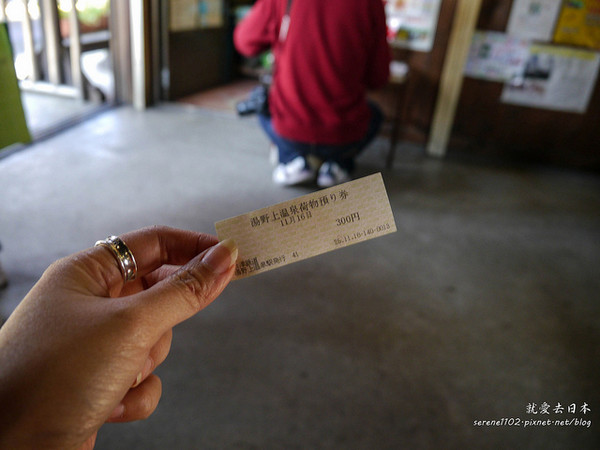
Although there’s no locker, you can also leave large luggage at the station office. Just let the station staff know, and they’ll keep it for you. The cost is 300 yen per item. The station office is located right next to the ticket gate, so it’s very convenient.
Also, today we’re staying at a guesthouse in Yunogawa Onsen. When we finished exploring Ouchijuku and returned to the station to pick up our luggage, the top right corner girl asked the station staff for directions to the guesthouse, planning to walk there herself—but the staff were so kind, they actually called the guesthouse to send a car to pick us up. The staff at small-town stations are truly heartwarming!
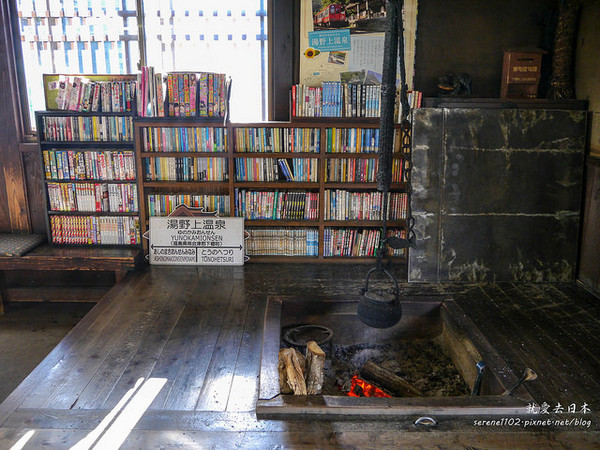
You don’t have to worry about being cold while waiting at the station either, because there’s a sunken hearth set up for warming up. As long as someone is around, the hearth is kept burning. But the hearth isn’t just for keeping us warm—it’s mainly used to produce smoke that drives away insects, preventing those beautiful thatched roofs from being eaten away!
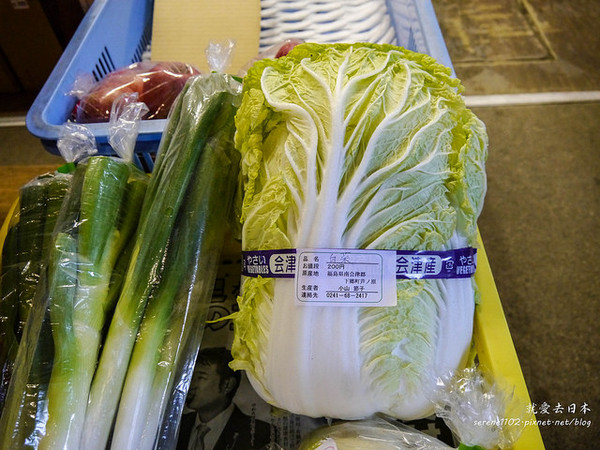
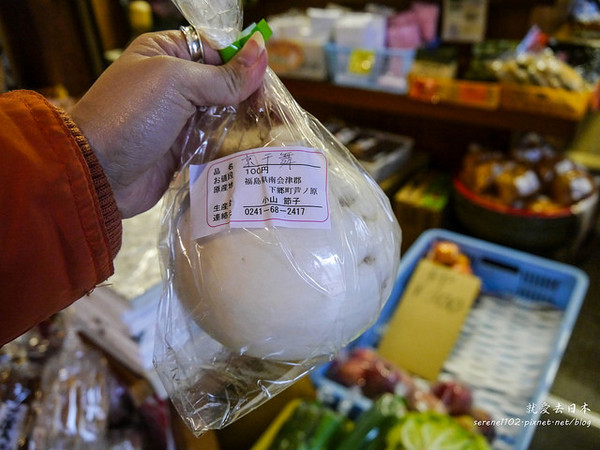
In addition to selling regular drinks and snacks, the station also operates as a cute little market, selling vegetables and fruits grown by locals. And the origin labels are all clearly displayed!
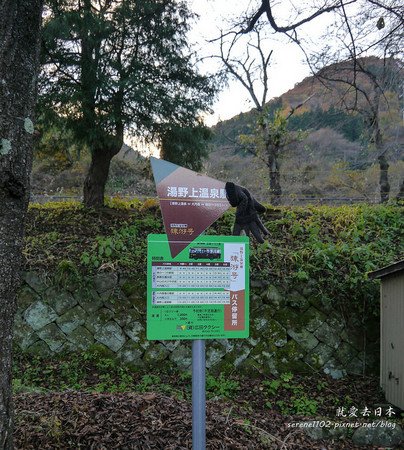
Exiting the station and turning left, you’ll already see the Saruyuu Bus headed for Ouchijuku waiting to take us aboard!
【Yunogawa Onsen Station】
Address:Fukushima Prefecture, Minamiaizu District, Shimoai Town, Yunogawa, Oshima, No postal code
TEL:0241-68-2533
Opening Hours:8:30 AM – 5:00 PM
Love Traveling in Japan
A Japanese-style food travel diary from the top right corner girl
Share
This article is published by HowToTrip. Sharing and reposting are welcome — please credit the source.
Article URL: https://www.howtotrip.net/views-24155
Related Articles
- Shaoxing's "Grandpa Gourd" hangs the gourds back up: "If there are too many people, we'll interact less — just take a quick look from afar"
- Chinese authorities announce "reciprocal adjustment" to Japan visa fees — single-entry visa jumps from 2,250 to 16,750 yen!
- The "health stones" carried by a traveler were found to have radiation levels exceeding safety limits by a thousand times, potentially endangering fellow passengers on the same flight. Customs issues warning!
- Shenzhen Airport Issues Late-Night Notice: Unidentified Aerial Object Detected, Causing Widespread Flight Delays!
- “They only said it cost money after I opened the box and washed it!” 200g of grapes sold for 60 yuan on a high-speed train—12306 responds!
- Can't buy an airline ticket? Denied exit? Blocked from boarding? A large number of Chinese tourists have mysteriously become "discredited individuals"
- Adverse weather and economic fluctuations impact Colombia's coffee market
- Beach bathing area responds to 2 yuan/30 seconds fee for freshwater foot rinsing: Clearly priced!
- Taking off with an improperly closed cabin door? Wing malfunction? Multiple flights made emergency returns mid-journey!
- Experience the gifts of nature! A countdown of the world’s ten most stunning coastlines