Kyoto Pine Forest Spring Stroll: Delicate Pink Cherry Blossoms Bloom Beside Temples, a Picture-Perfect Scene
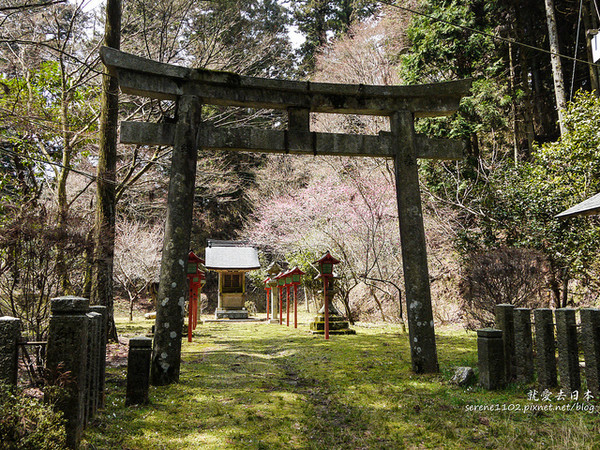
▲ The building behind this torii gate is the Shōdō Hall. Though the temple itself isn’t particularly eye-catching, the cherry blossoms in spring and the maple leaves in autumn on both sides are breathtakingly beautiful—a view that’s very appealing to camera film.
Photos & Text /Right upper 45-degree angle
Before coming to Kyoto, I had no impression of this place at all—it didn’t even appear on my city map. But it’s actually quite hard to forget. This was my first visit here, and everything I saw was through the camera lens. We spotted many hydrangeas and also some purple wisteria.
Last time I visited Kurama-dera Temple, I took the Eizan Railway. I was really looking forward to riding the Eizan Cable Car that runs up to Kurama, so I picked a sunny day for an outing in the suburbs.
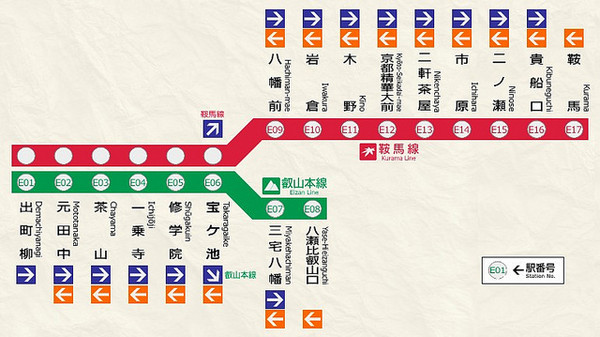
Let’s review how the Eizan Cable Car is unique. Take the Keihan Electric Railway to Demachiyanagi Station, where you can transfer to the Eizan Electric Railway, which operates the northern Kyoto lines. It has two directions: one heads to Kurama, passing through Kibuneguchi, Ichihara, and Kurama.
The other goes to the Sōunkyo Valley, which I’m talking about today. It’s close to Kurama. On the way up, you’ll pass through the scenic Arashiyama area, but the path from Arashiyama to Kurama is quite crowded. However, the Sōunkyo Valley route has only one stop, and it’s much quieter. In addition, there’s a section with a lovely forest path and a charming European-style garden called “The Garden of the Wind God and Thunder God,” which is one of the first places you could reach via the Eizan Cable Car.
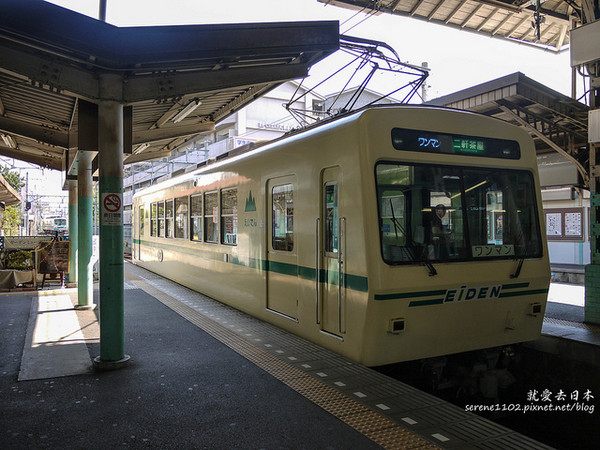
Here it is—the cable car heading to Sōunkyo Valley.
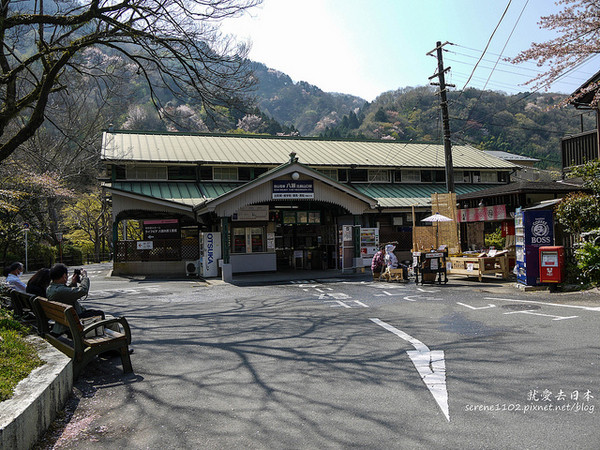
The Sōunkyo Valley station isn’t anything special—just a small, simple building. But right outside the exit, there’s a small rest area with benches where you can comfortably wait for the cable car. I thought everyone would be rushing to the viewing spots, but I found a nice place to sit without any trouble. Should we take the gondola up the mountain instead?
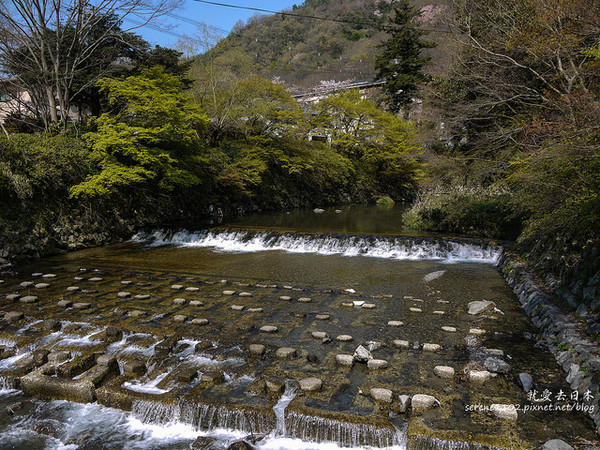
The walk to the cable car station takes just three minutes and passes by this clear, beautiful stream—but it’s quite artificially maintained (sigh). With this kind of design, it must be hard for fish to swim upstream, right? (laughs)
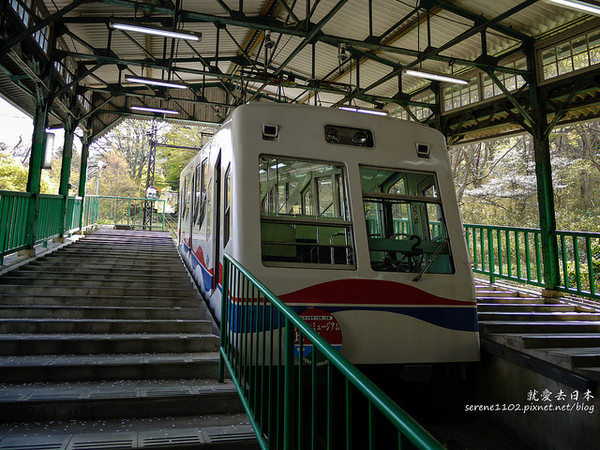
First, we took the “Eizan Kurabo” (the uphill car), which slowly climbs at an angle of nearly 30 degrees.
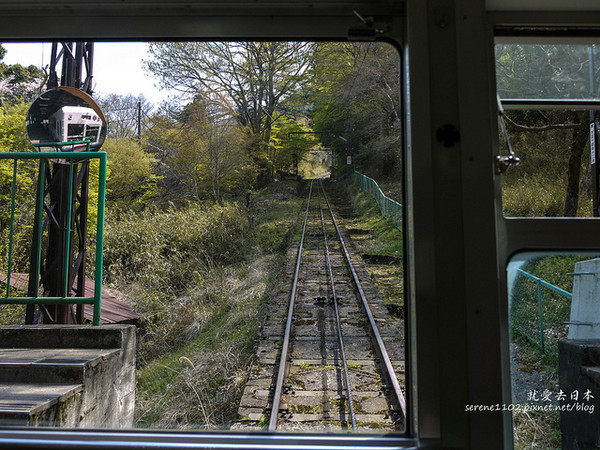
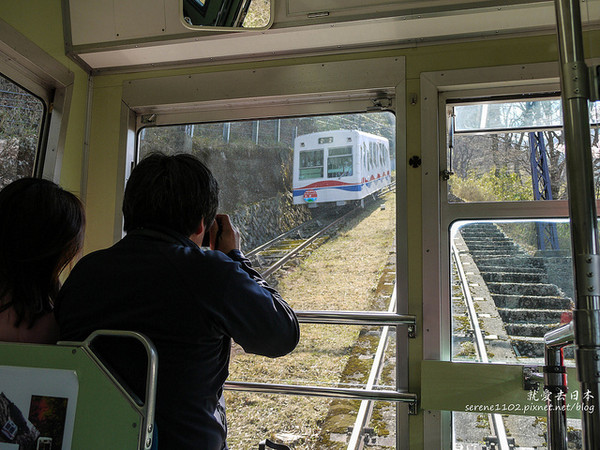
If you get the first seat, you’re really lucky—you can wave to the passengers coming down the mountain as they pass by.
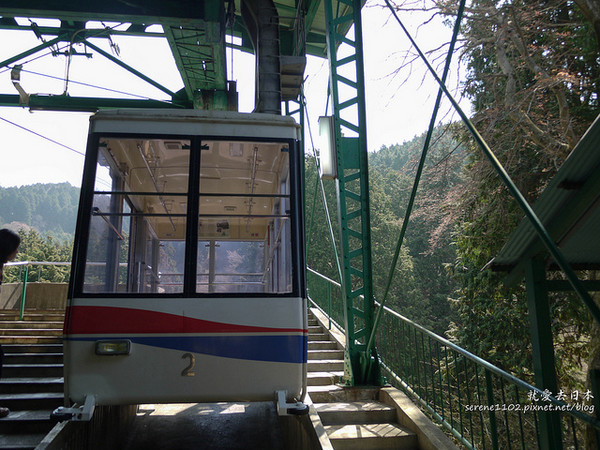
Then we switched to the “Eizan Ropeway” (the cable car) to continue upward. Today, we were really lucky and didn’t encounter many other tourists—they were probably all down at the cherry blossom spots. Without having to compete for a spot, we had an unobstructed view.
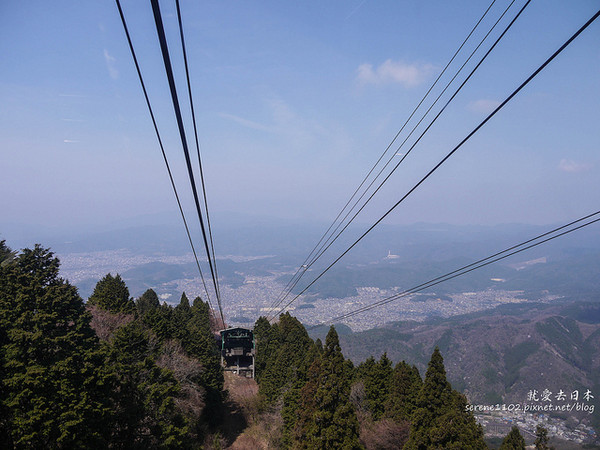
Looking down from the cable car, the entire cityscape of Kyoto spreads out before your eyes.
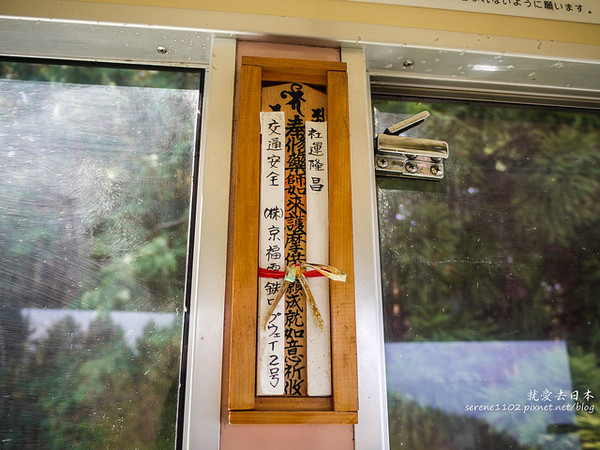
The cable car is operated by the Keifuku Electric Railroad and is adorned with talismans for safe travels.
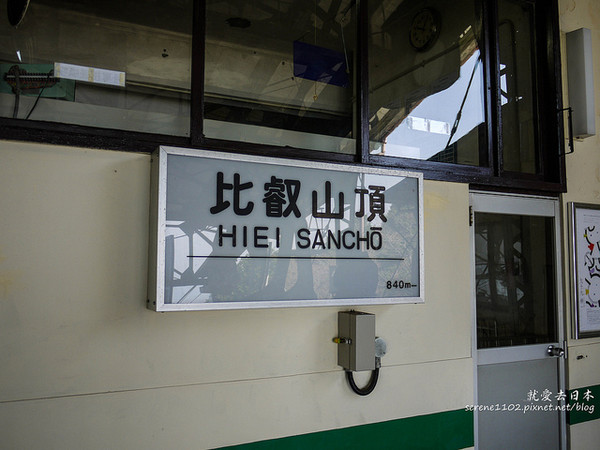
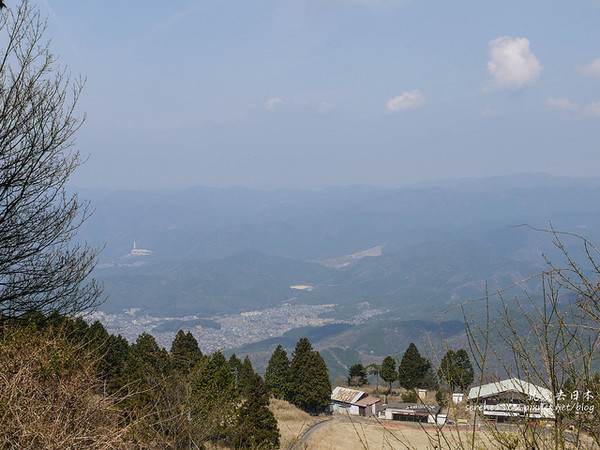
It takes about five minutes to reach Kurama, which sits at an elevation of 581 meters. The air is refreshingly cool, and compared to the crowded shrines and streets down the mountain, it feels like a serene paradise. Most visitors come to Kurama to see the shrine.
Enryaku-ji Temple is essentially the head temple (origin) of nearly all Buddhist temples in Japan. Famous temples like Kiyomizu-dera can trace their roots here. The temple grounds are mainly divided into three areas: the East Pagoda, Yokawa, and the West Pagoda, covering an extremely vast area. But the timing of my visit was a bit awkward—the path connecting the cable car to the East Pagoda closes around dusk, and it takes about an hour to walk there. Thinking about walking an hour back in the dark didn’t sound very appealing.
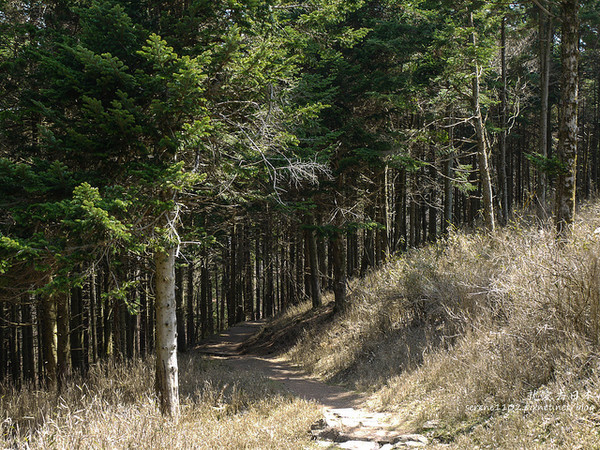
Just then, I met a group of elderly men who had hiked up the mountain. When I asked for directions to the East Pagoda, they actually pulled out a topographic map. A topographic map. I, the unathletic one, was instantly awed by the hiking prowess of these Japanese elders.
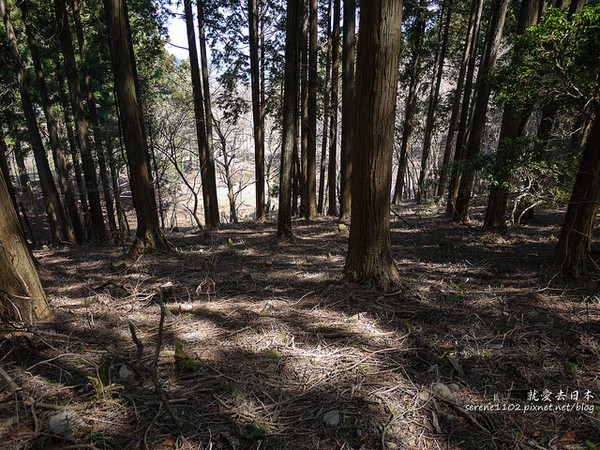
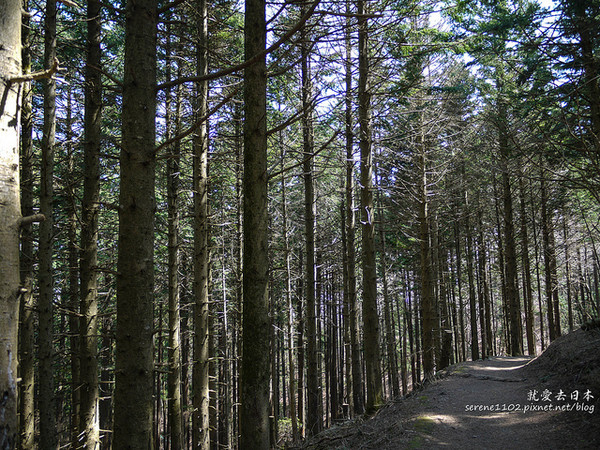
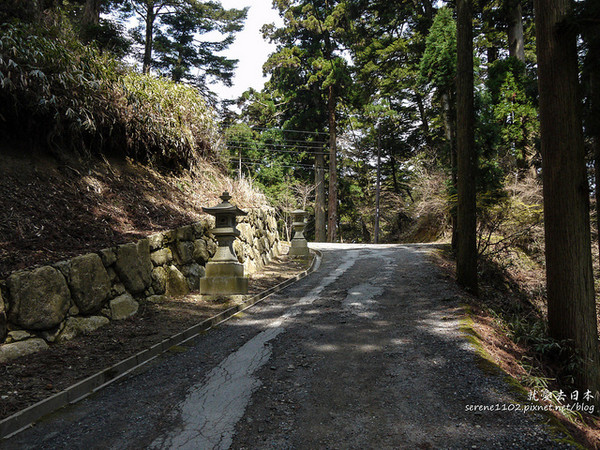
Walking along the pine forest trail, the ground is covered with soft, comfortable vegetation that doesn’t hurt your feet. The slope is gentle, and the path and signs are all very clear—though you still have to be careful not to roll down the hill.
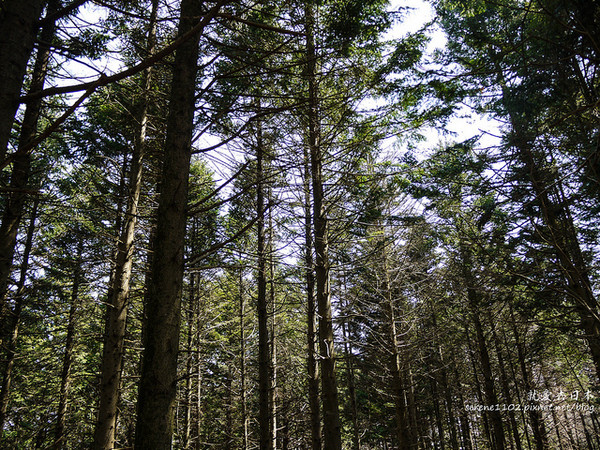
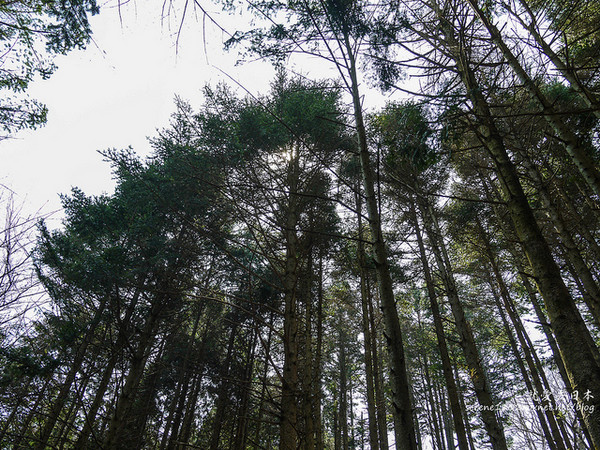
Amid the towering pine trees, birds chirp incessantly, and the serene atmosphere is truly moving. If you ever get the chance to come up here, I highly recommend not leaving after just one visit. You must take the time to listen to the birdsong and feel the tranquil mood.
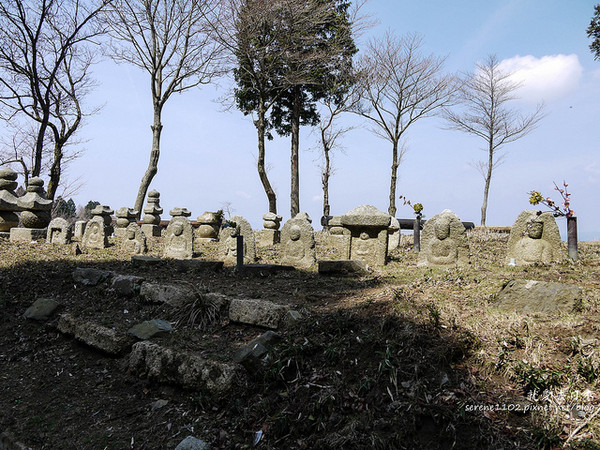
As we walked, we came to a small platform with a small Buddha statue and benches. Some of the Buddha statues even had red shawls on them, indicating that people regularly come to worship here.
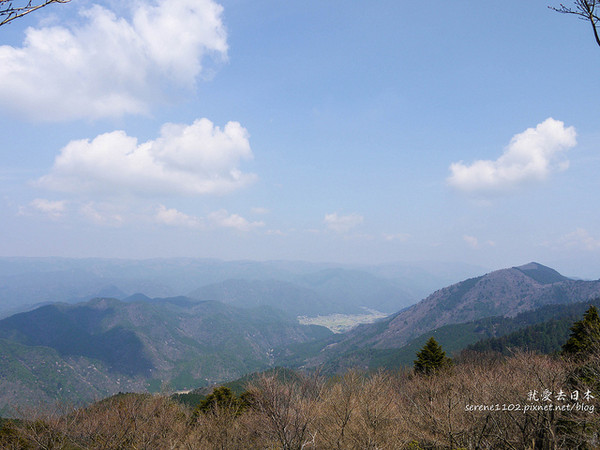
From the small platform, you can look out over Kyoto, though the city is so far away that it’s no longer clearly visible. All you can see are endless mountains, blue skies, and white clouds—a truly pleasant sight.
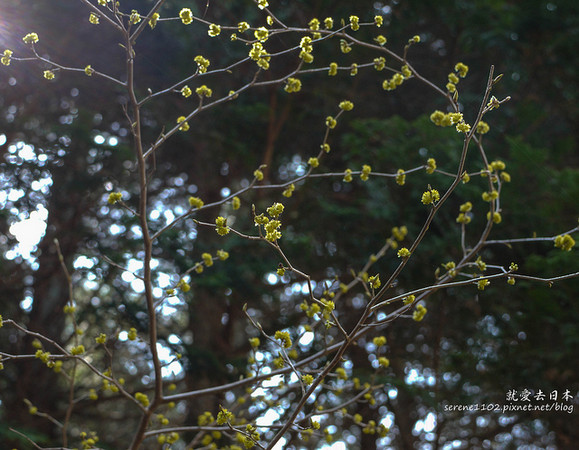
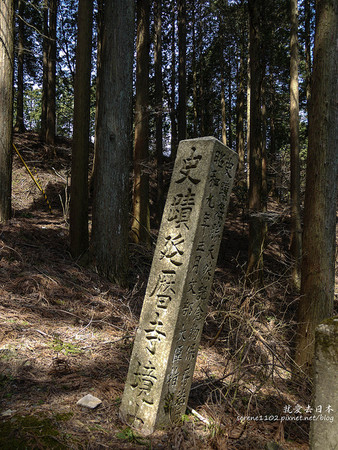
After walking for almost an hour, thankfully the path was easy and the sunshine was comfortable. There were signs along the way, and although we only saw a few people in our group, we didn’t feel scared or worried about getting lost.
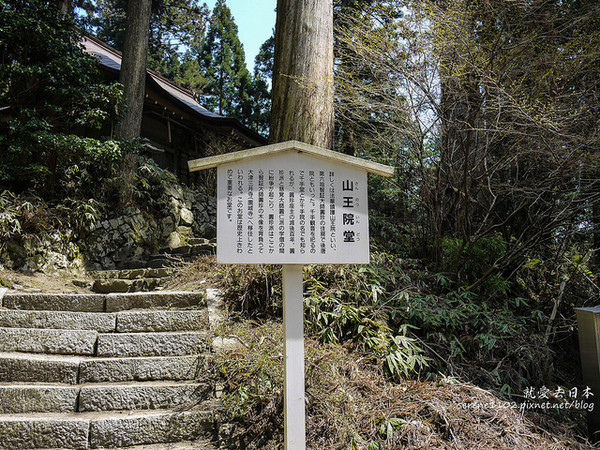
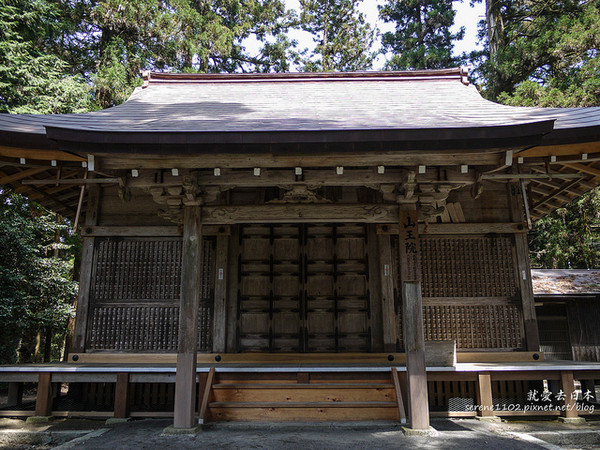
After walking for a long time, we finally reached the first temple of Enryaku-ji. This Sannō-in Hall is located farther away from the areas most tourists visit and sees very few visitors. The temple gate wasn’t even open.
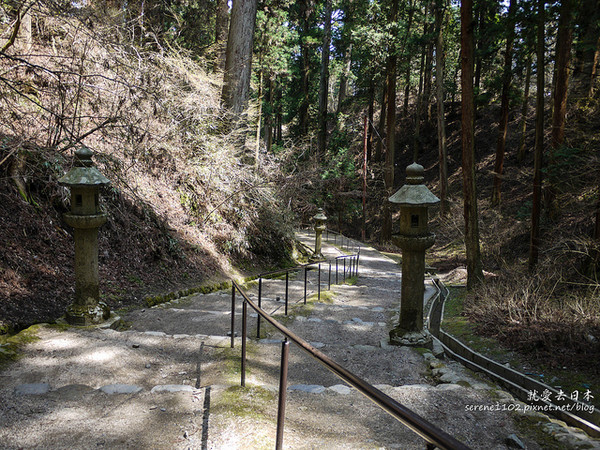
Turning a corner and heading downhill, we suddenly realized that the path we had taken from the cable car was actually descending from the highest point—we were lucky not to have to climb (laughs).
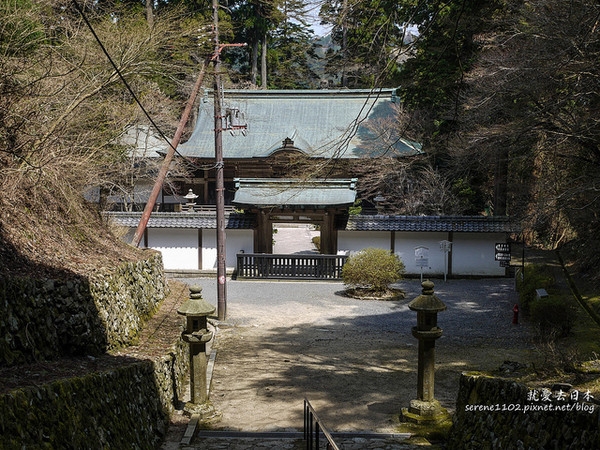
This is the Jōdo-in, a 15-minute walk from the main hall of the West Pagoda, the Hōkō-dō. It made me think—if we hadn’t come down via the cable car but had instead taken a bus to the East Pagoda and hiked up, I really wasn’t sure if I’d have had the motivation (or stamina).
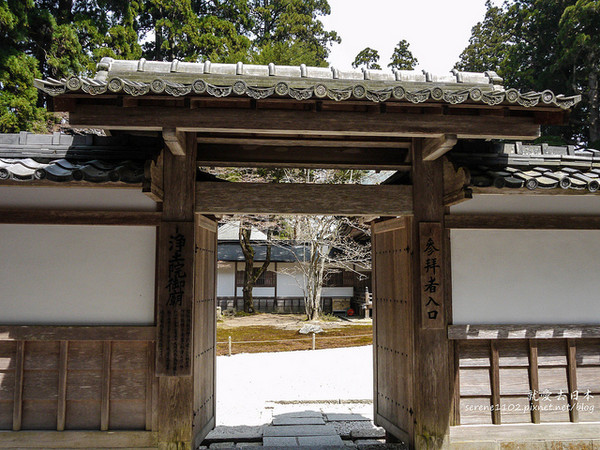
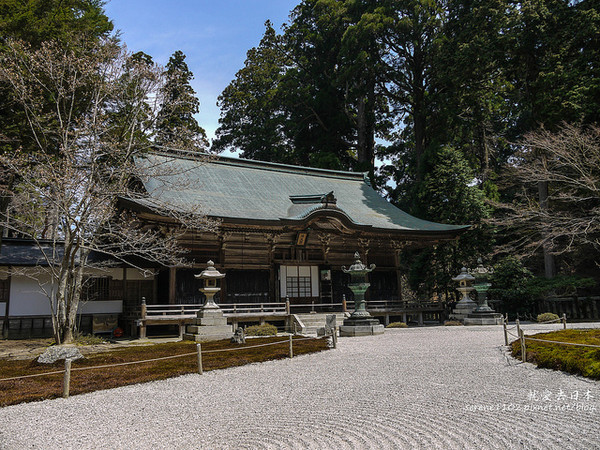
In the sunlight, the Jōdo-in features an almost pure-white dry landscape garden in front of the temple, showing the meticulous care and devotion of the monks.
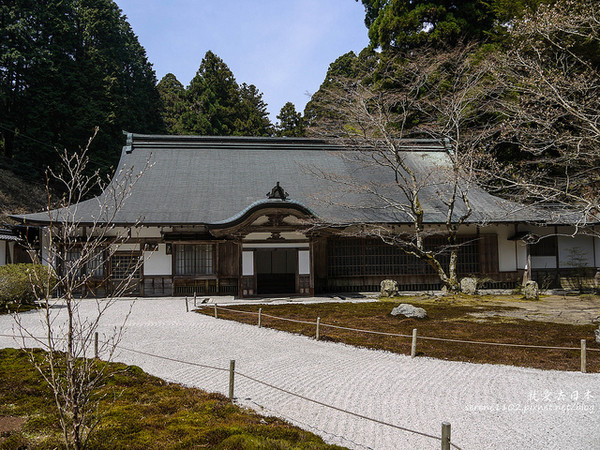
Looking at this beautiful panorama from another angle, the bare trees in front of the temple—with all their leaves and flowers gone—are truly a favorite view of Xiaohu.
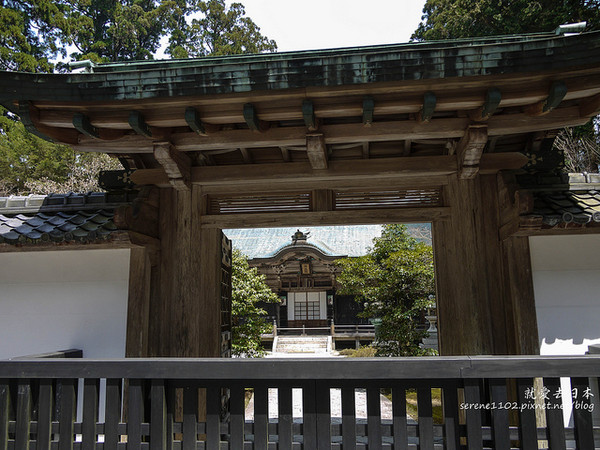
Viewing the Pure Land Temple from another direction.
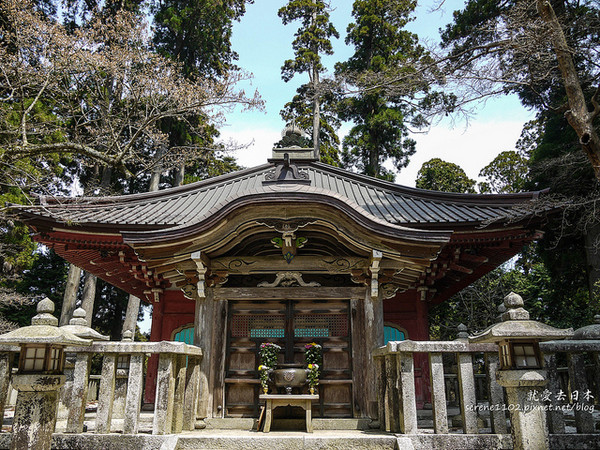
This is the mausoleum of Saint Kōbō Daishi, the Great Master of Esoteric Buddhism, where he was laid to rest after his passing.
Additionally, there is a Buddhist hall called Shōdō Hall, which enshrines the Thousand-Armed Kannon. Legend has it that when Prince Shōtoku once ascended the mountain, he used a camellia branch as a walking stick and left it here upon descending. Later, many camellia flowers bloomed in the spot.
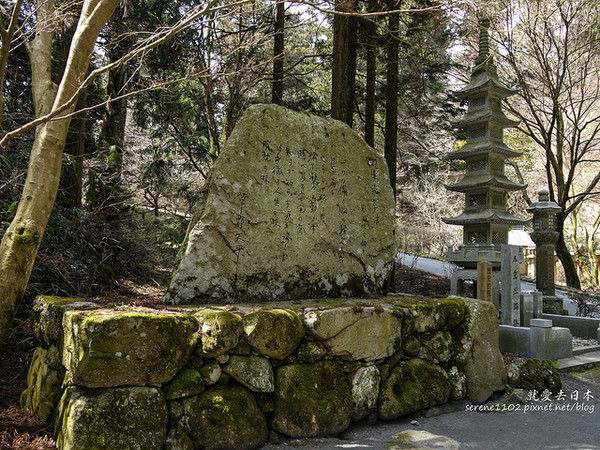
Kusano Tenpei was a renowned poet of the early 20th century who came up to Enryaku-ji to recuperate from tuberculosis, during which time he composed many famous poems. He also passed away here.
After leaving the Pure Land Temple, continue on toward the West Pagoda.
【The URL is target="_blank" href="http://www.hieizan.gr.jp/">http://www.hieizan.gr.jp/
【Enryaku-ji Temple】http://www.hieizan.or.jp/
Address:Spanning Ōtsu City in Shiga Prefecture and Sakyo Ward in Kyoto City
Phone:077-578-0001
Just Love Travel Japan
Upper right at 45 degrees — a Japanese girl’s food travel diary
Share
This article is published by HowToTrip. Sharing and reposting are welcome — please credit the source.
Article URL: https://www.howtotrip.net/views-24152
Related Articles
- Shaoxing's "Grandpa Gourd" hangs the gourds back up: "If there are too many people, we'll interact less — just take a quick look from afar"
- Chinese authorities announce "reciprocal adjustment" to Japan visa fees — single-entry visa jumps from 2,250 to 16,750 yen!
- The "health stones" carried by a traveler were found to have radiation levels exceeding safety limits by a thousand times, potentially endangering fellow passengers on the same flight. Customs issues warning!
- Shenzhen Airport Issues Late-Night Notice: Unidentified Aerial Object Detected, Causing Widespread Flight Delays!
- “They only said it cost money after I opened the box and washed it!” 200g of grapes sold for 60 yuan on a high-speed train—12306 responds!
- Can't buy an airline ticket? Denied exit? Blocked from boarding? A large number of Chinese tourists have mysteriously become "discredited individuals"
- Adverse weather and economic fluctuations impact Colombia's coffee market
- Beach bathing area responds to 2 yuan/30 seconds fee for freshwater foot rinsing: Clearly priced!
- Taking off with an improperly closed cabin door? Wing malfunction? Multiple flights made emergency returns mid-journey!
- Experience the gifts of nature! A countdown of the world’s ten most stunning coastlines