Majestic and beautiful—the UNESCO World Heritage Site Enryaku-ji nestled in the mountains of Kyoto
Photos & Text byRight upper 45-degree angle
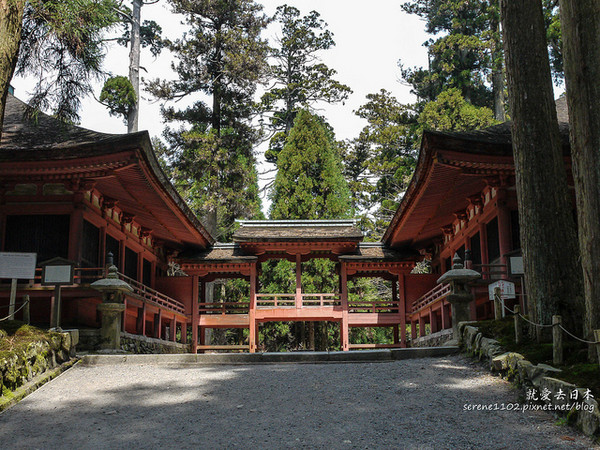
This view could easily grace the cover of a high-end travel magazine. On the left is the Jōgyōdō (Hall of Perpetual Practice), and on the right is the Hōkōdō (Hall of the Lotus Sutra). Continuing on to the Western Pagoda area. That said, from taking the cable car around 9:00 a.m., choosing not to take the bus and instead strolling through the pine forest, it was almost noon by the time we truly entered the main precincts of the Western Pagoda.
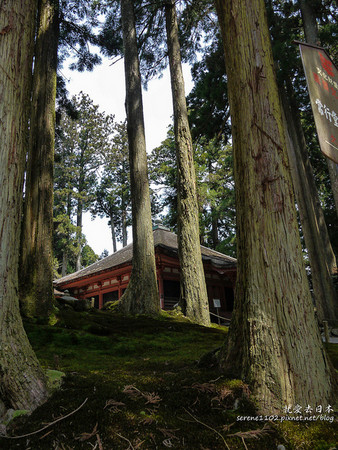
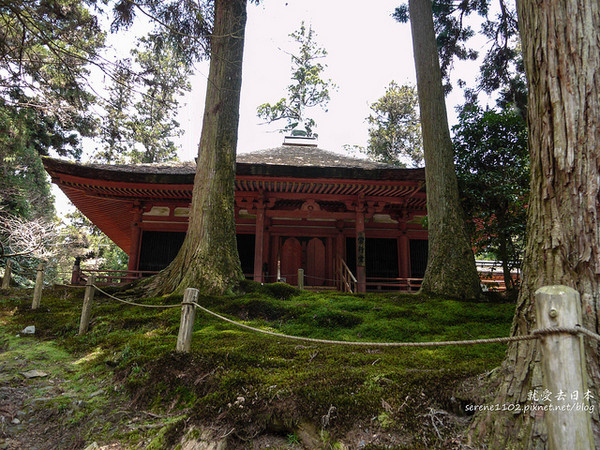
A view of the Jōgyōdō from the perspective of moss and pine trees. Sunlight filters down intermittently onto the lush green moss, creating a serene and elegant scene—so beautiful, so breathtakingly lovely...

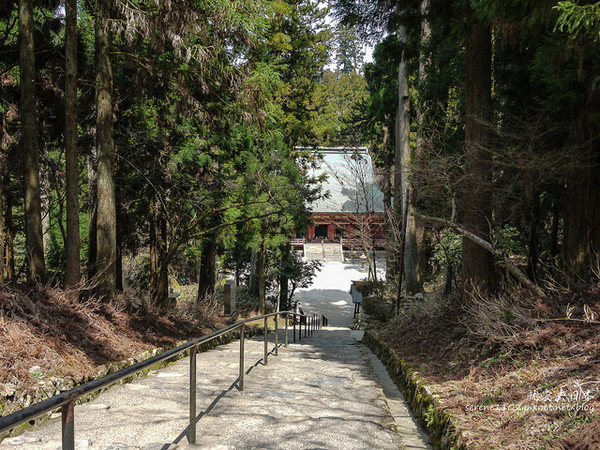
On the way to the Shaka-dō (Sakyamuni Hall). As befits a sacred Buddhist site, besides the commonly seen toro lanterns of Japanese shrines, solemn deities also appear from time to time.
Enryaku-ji, this solemn and beautiful place, was once the site of a horrific tragedy. In 1571, Oda Nobunaga, unable to defeat the rebellious warlords who had taken refuge in the temple seeking sanctuary, became furious that the sacred Buddhist grounds refused to hand them over. In anger, he attacked Mount Hiei, burning it to the ground and beheading over 3,000 monks... Therefore, most of what you see of Enryaku-ji today is reconstructed after that event.
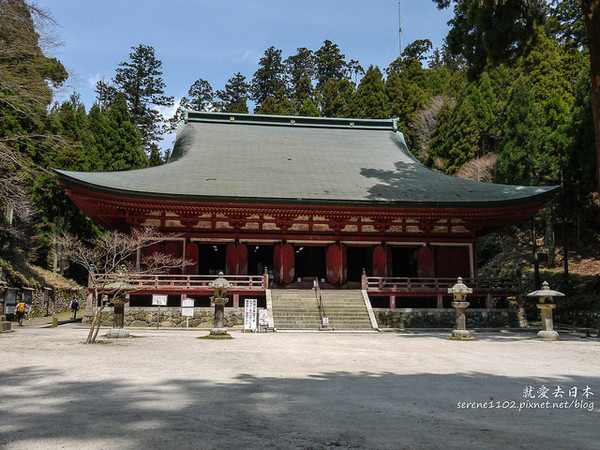
The Shaka-dō is the oldest temple within the grounds, rebuilt in 1596, and is designated as an Important Cultural Property of Japan.
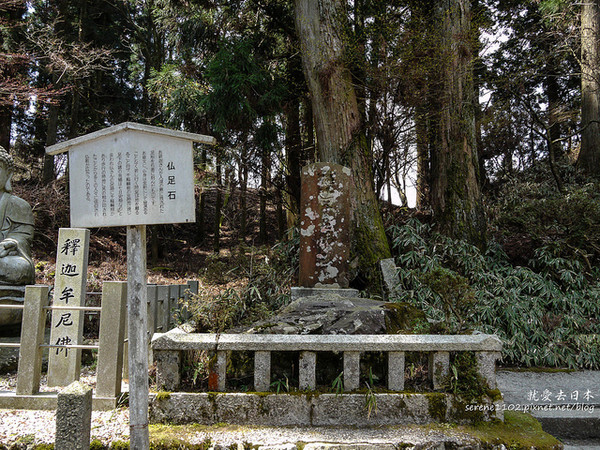
This is a Buddha’s footprint stone, said to be a stone stepped on by the Buddha at his birth. Can’t really see anything special about the shape in the upper right, huh?
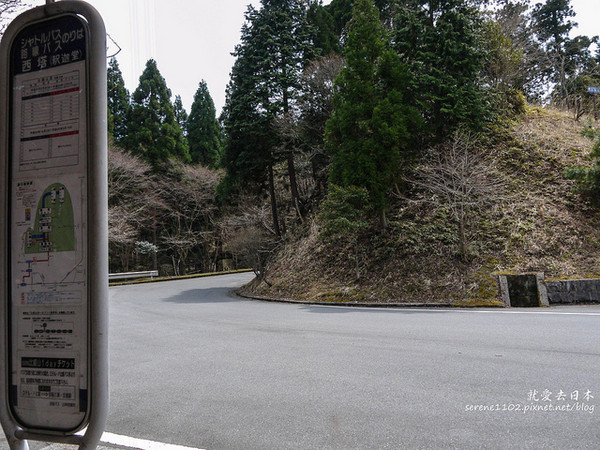
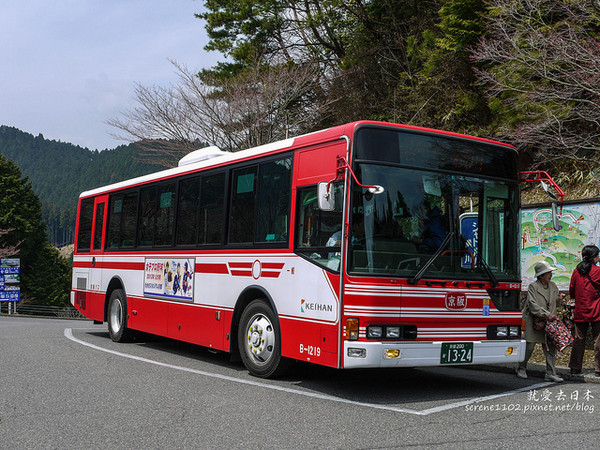
To travel between the Western Pagoda, Yokawa, and Eastern Pagoda areas, you can take a Kyoto Bus. Walking on foot, it would take roughly an hour to get to each. The bus pass shown in the upper right has already been purchased, so just show it to the driver to board the bus heading up.
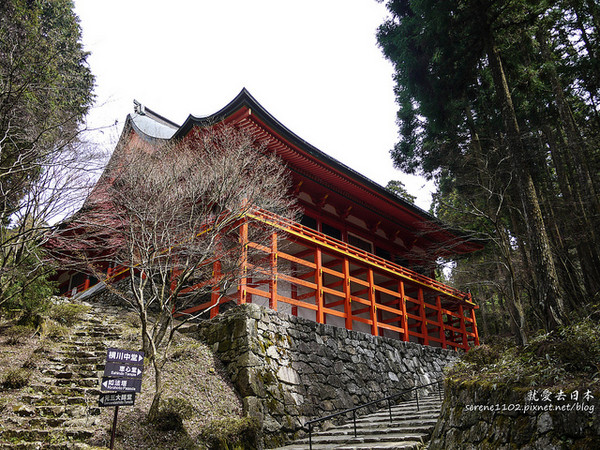
Arriving at Yokawa, the first thing that catches your eye is the Yokawa Chūdō (Central Hall), which is also the main hall of Yokawa. Although cherry blossoms at the foot of the mountain are nearing the end of their bloom, it’s cooler up here in the mountains, and unfortunately, the cherry tree beside the temple hasn’t bloomed yet. Viewed from this angle, doesn’t it somewhat resemble the Kiyomizu-dera stage built against the mountainside?
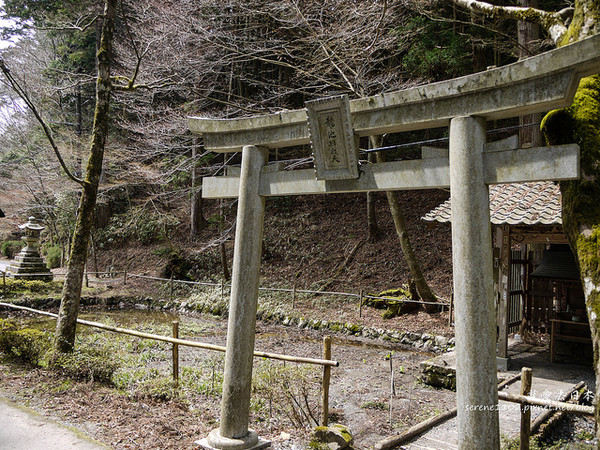
Not only are there magnificent temples, but you’ll sometimes also find simpler, more unadorned smaller ones nearby.
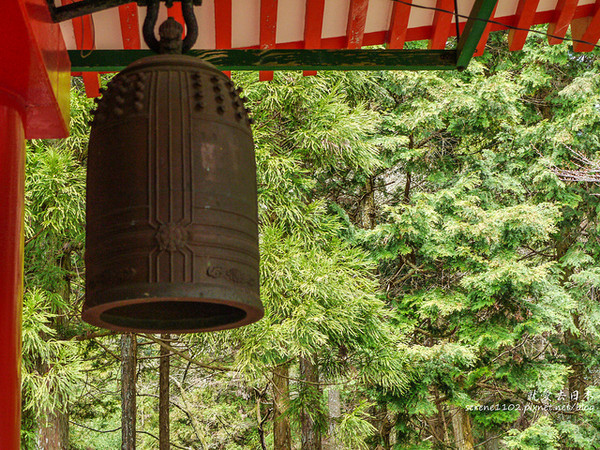
The bell tower is nestled among the pine woods. Sometimes you can hear the deep tolling of bells echoing along the path—who knows if it’s coming from here?
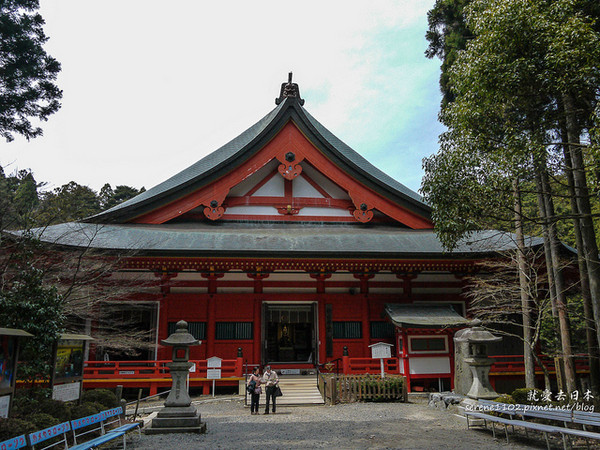
The front of the Yokawa Chūdō. It’s really hard to imagine that such a tranquil mountain temple once witnessed the terrifying attack by Oda Nobunaga.
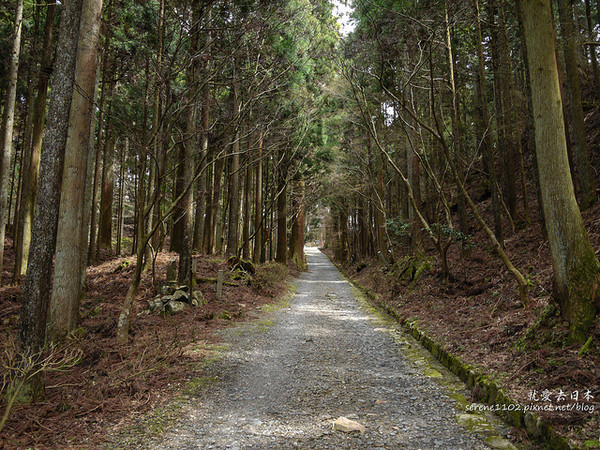
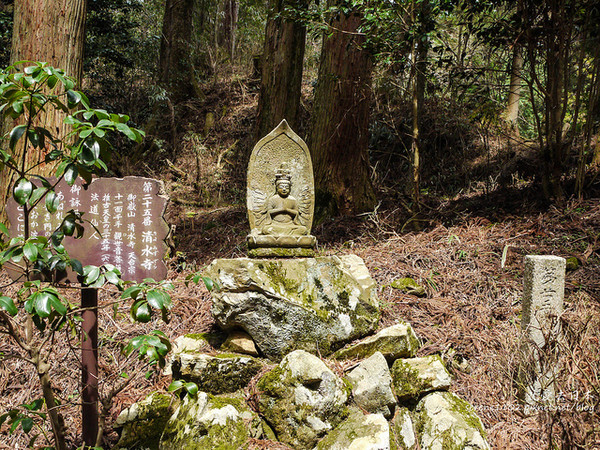
Along the paths, you’ll see many small wooden plaques and stone Buddha statues, indicating that this is the origin site of various temples across Japan. For example, this statue of the Thousand-Armed Kannon is the deity from which the immensely popular Kiyomizu-dera at the mountain’s base originated.
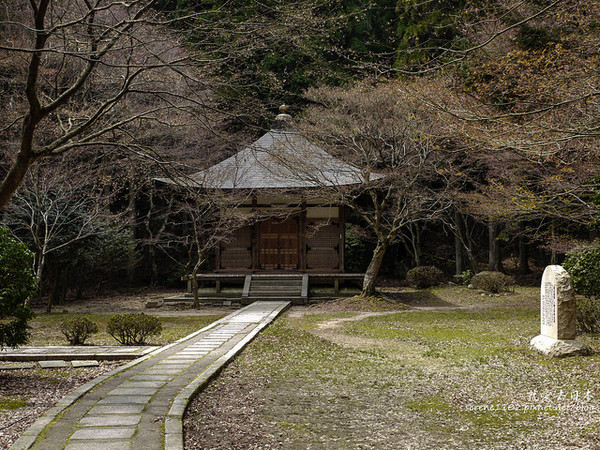
The Eshindō (Hall of the Compassionate Mind) offers yet another kind of beauty, and it’s also the birthplace of Japan’s Jōdo-shū (Pure Land Buddhism) sect.
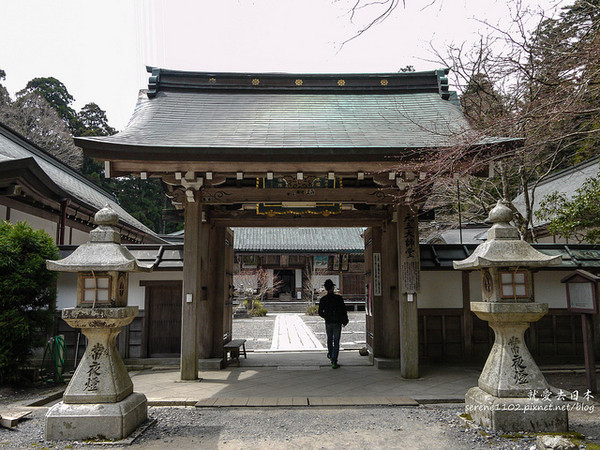
The last stop in Yokawa is the Shishikyōdō (Four Seasons Lecture Hall). It was here that the monk Renshō (also known as Honen’s disciple, Ryōgen, nicknamed Yōkan) gave lectures on sutras. Emperor Murakami requested that the Lotus Sutra be taught in all four seasons, hence the name “Four Seasons Lecture Hall.”
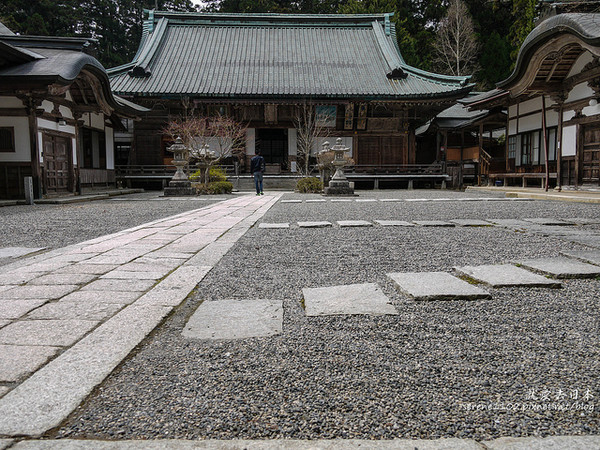
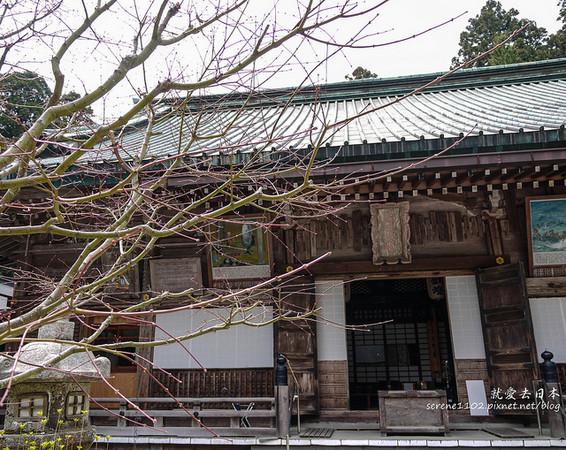
So let’s end, too, with a cherry tree that hasn’t bloomed yet (sniffle).
[Enryaku-ji Travel Guide/Strong]http://www.hieizan.gr.jp/
Location:Spanning Ōtsu City in Shiga Prefecture and Sakyo Ward in Kyoto City, Kyoto Prefecture
Phone:077-578-0001
Visiting Hours:
1. Eastern Pagoda: March–November 8:30–16:30; December 9:00–16:00; January–February 9:00–16:30
2. Western Pagoda: March–November 9:00–16:00; December 9:30–15:30; January–February 9:30–16:00
During winter, the temple may close earlier in case of heavy snow.
Admission Fee for Viewing the Pagoda: For the East Pagoda, 0?魉??岽ü餐ㄈ??笕人的50Q?⒅懈哐??50Q??⊙??夥选H绻?裎颐怯新虮扔嵘缴仙降暮岫先??纯擅夥巡喂邸<br />
Location Guide:Take the elevator to the top floor of the S嵘降缣荩?from there climb the stairs to the East Pagoda. The climb is moderately strenuous, so it is recommended to allow a full day for the visit.
A Japanese-style food travel journal from a girl’s 45-degree upper right perspective
Love Going to Japan
http://serene1102.pixnet.net/blog
Share
This article is published by HowToTrip. Sharing and reposting are welcome — please credit the source.
Article URL: https://www.howtotrip.net/views-23871
Related Articles
- Shaoxing's "Grandpa Gourd" hangs the gourds back up: "If there are too many people, we'll interact less — just take a quick look from afar"
- Chinese authorities announce "reciprocal adjustment" to Japan visa fees — single-entry visa jumps from 2,250 to 16,750 yen!
- 旅客携带的“保健石”核辐射超标千倍,同机人员或遭殃!海关提醒!
- 深圳机场深夜通报!出现不明升空物,航班大面积延误!
- “拆盒洗了才说要钱!”高铁200克葡萄卖60元,12306回应!
- 买不了机票?出境被拒?登机被拦?一大波中国游客莫名成了“失信人”
- 不利天气和经济波动影响哥伦比亚咖啡市场
- 海边浴场回应冲脚淡水收费2元/30秒:明码标价!
- 舱门没关好就起飞?机翼出现问题?多个航班途中紧急折返!
- 感受大自然的馈赠!盘点世界十大唯美海岸线