Treasures from 30 Years at Beitou Cultural Artifacts Museum – Zheng Chenggong’s Calligraphy Makes Its Debut!
Tourism Center / Comprehensive Report
Officially opened to the public as a private museum in 1984, Beitou Cultural Artifacts Museum has been dedicated to preserving and showcasing early Taiwanese folk art and cultural relics for 30 years. From now until August 31, the museum is hosting the “Jiashan Treasures—Beitou Cultural Artifacts Museum 30th Anniversary Collection Exhibition,” featuring over 200 artifacts from Taiwan’s indigenous and Han communities, carefully selected from nearly 5,000 items in its collection. This exhibition offers a comprehensive display of the museum’s most treasured collections, including a 350-year-old piece of calligraphy by Zheng Chenggong, which has been in the museum’s care for 30 years after traveling overseas, and is making its first public appearance.
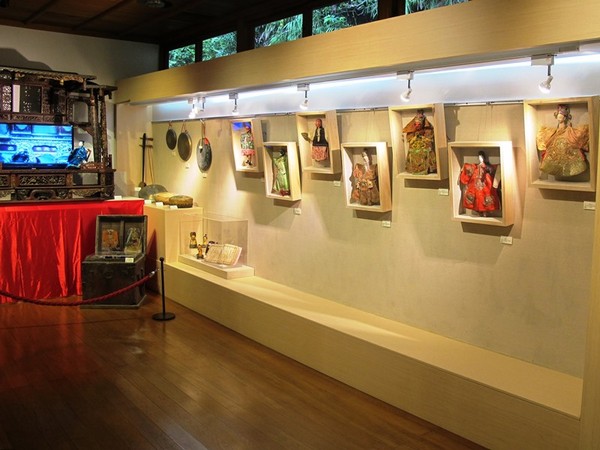
▲ Beitou Cultural Artifacts Museum is currently hosting the “Jiashan Treasures—Beitou Cultural Artifacts Museum 30th Anniversary Collection Exhibition,” featuring over 200 artifacts from Taiwan’s indigenous and Han communities, selected from nearly 5,000 items in its collection. (Photo / Provided by Beitou Cultural Artifacts Museum)
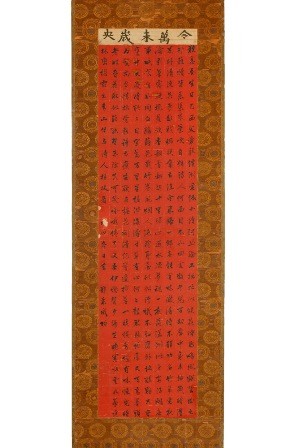 % A piece of Zheng Chenggong’s calligraphy, over 50 years in the museum’s collection, makes its first public appearance after 30 years. (Photo / Provided by Beitou Cultural Artifacts Museum)
The newly exhibited “Zheng Chenggong Calligraphy Hanging Scroll,” judged by its content, is believed to have been created when Zheng Chenggong was 32 years old in 1656. The full text consists of 287 characters and is a previously unrecorded seven-character poem. Whether viewed from its mounting style, calligraphic artistry, or poetic content, this work holds significant value. The outer box notes that it was mounted in the year Taisho Kinoe-Uma (1919 AD), and beyond the elegant verses, one can glimpse the literary sensibility of this famed anti-Qing general beyond his martial exploits. Moreover, the words reveal subtle yet pivotal psychological shifts Zheng experienced amid the currents of history.
Li Shali, director of Beitou Cultural Artifacts Museum, said: “The most valuable aspect of this exhibition is the gathering of many rarely seen fine artifacts. For example, an exquisitely crafted bunraku puppet theater stage over a hundred years old is displayed alongside puppets, prop boxes, musical instruments, scripts, and multimedia, vividly recreating the glorious scene of open-air bunraku performances.”
Beitou Cultural Artifacts Museum is housed in an elegant two-story, all-wood Japanese-style building that was once the highest-end “Jiashan Hot Spring Hotel” in the Beitou area 93 years ago and is now a well-preserved municipal historic site in Taipei. Visitors here can enjoy a fulfilling journey of natural tranquility and cultural richness. From now until August 31, during the “Jiashan Treasures” special exhibition, they can also explore the rich lives of early settlers and catch a glimpse of the historical trajectory of Taiwan’s folk culture over the past century.
Share
This article is published by HowToTrip. Sharing and reposting are welcome — please credit the source.
Article URL: https://www.howtotrip.net/views-23851
Related Articles
- Shaoxing's "Grandpa Gourd" hangs the gourds back up: "If there are too many people, we'll interact less — just take a quick look from afar"
- Chinese authorities announce "reciprocal adjustment" to Japan visa fees — single-entry visa jumps from 2,250 to 16,750 yen!
- The "health stones" carried by a traveler were found to have radiation levels exceeding safety limits by a thousand times, potentially endangering fellow passengers on the same flight. Customs issues warning!
- Shenzhen Airport Issues Late-Night Notice: Unidentified Aerial Object Detected, Causing Widespread Flight Delays!
- “They only said it cost money after I opened the box and washed it!” 200g of grapes sold for 60 yuan on a high-speed train—12306 responds!
- Can't buy an airline ticket? Denied exit? Blocked from boarding? A large number of Chinese tourists have mysteriously become "discredited individuals"
- Adverse weather and economic fluctuations impact Colombia's coffee market
- Beach bathing area responds to 2 yuan/30 seconds fee for freshwater foot rinsing: Clearly priced!
- Taking off with an improperly closed cabin door? Wing malfunction? Multiple flights made emergency returns mid-journey!
- Experience the gifts of nature! A countdown of the world’s ten most stunning coastlines