Riverbank white clover resembles a snowy scene; New Taipei City won’t mow it for now

▲ White clover blooms extensively along the Tamsui riverside park, resembling a snowfall. (Photo courtesy of New Taipei City Government website)
Tourism Center / Comprehensive Report
As seasons change, spring has quietly arrived, marked by fluttering butterflies and blooming flowers. Recently, wild white clover has blossomed in large patches across riverside parks such as Xinyi Flood Diversion Happy Water Park and areas along the Tamsui River between Chongyang Bridge and Double Arch Bridge, creating a view from afar that looks like a blanket of frost.
The leaves of white clover feature unique V-shaped patterns, with white markings on the leaflets that connect to form a ring. The clustered blooms of small white flowers create a truly spectacular sight. The New Taipei City Government’s High Ground Engineering Office stated that they do not plan to mow the currently blooming white clover, as it helps enhance the biodiversity of the high ground park areas.
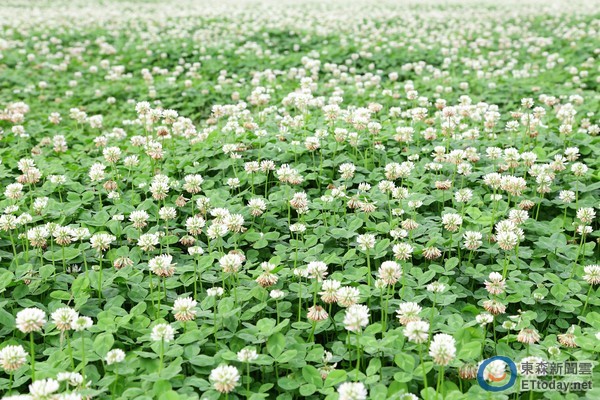
▲ White clover is a beneficial plant for natural or grassland conservation. (Photo courtesy of New Taipei City Government website)
Also known as cow clover or white lucerne, white clover is a perennial herbaceous plant belonging to the legume family, thriving in warm and humid climates. Besides its wide adaptability, it is commonly used as livestock feed. It is also an excellent nitrogen-fixing plant that can improve soil fertility and prevent erosion, making it highly beneficial for natural or grassland maintenance. If trimming is necessary, it should only be done after the flowering season and scheduled accordingly.
The engineering office encourages the public to visit the riverside during weekends, as this poetic, spring-like scenery is absolutely worth experiencing in person.
Share
This article is published by HowToTrip. Sharing and reposting are welcome — please credit the source.
Article URL: https://www.howtotrip.net/views-23818
Related Articles
- Shaoxing's "Grandpa Gourd" hangs the gourds back up: "If there are too many people, we'll interact less — just take a quick look from afar"
- Chinese authorities announce "reciprocal adjustment" to Japan visa fees — single-entry visa jumps from 2,250 to 16,750 yen!
- The "health stones" carried by a traveler were found to have radiation levels exceeding safety limits by a thousand times, potentially endangering fellow passengers on the same flight. Customs issues warning!
- Shenzhen Airport Issues Late-Night Notice: Unidentified Aerial Object Detected, Causing Widespread Flight Delays!
- “They only said it cost money after I opened the box and washed it!” 200g of grapes sold for 60 yuan on a high-speed train—12306 responds!
- Can't buy an airline ticket? Denied exit? Blocked from boarding? A large number of Chinese tourists have mysteriously become "discredited individuals"
- Adverse weather and economic fluctuations impact Colombia's coffee market
- Beach bathing area responds to 2 yuan/30 seconds fee for freshwater foot rinsing: Clearly priced!
- Taking off with an improperly closed cabin door? Wing malfunction? Multiple flights made emergency returns mid-journey!
- Experience the gifts of nature! A countdown of the world’s ten most stunning coastlines