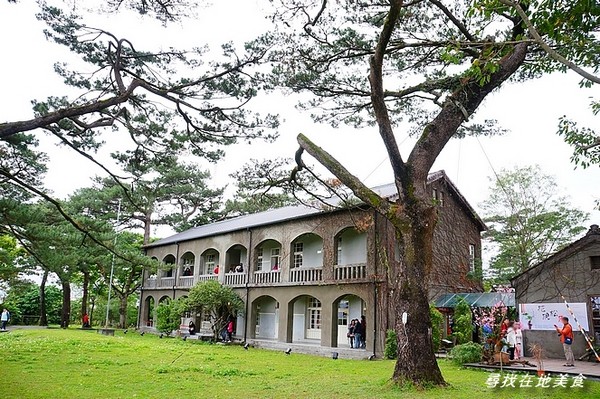
The Songyuan Guesthouse exudes a strong Japanese flavor, and its vantage point offers stunning views of Hualien’s scenic beauty.
By Shadow
In the past, due to its geographical location, it occupied an excellent high-ground position and was designated as a military stronghold. As history faded into yellowed photographs, in the 93rd year of the Republic of China (2004), Songyuan underwent renovation and reopened to the public, unveiling its once-hidden charm. Known for its dense pine grove and Japanese-style architecture, Songyuan Guesthouse has gradually gained domestic recognition and become one of Hualien’s well-known attractions.
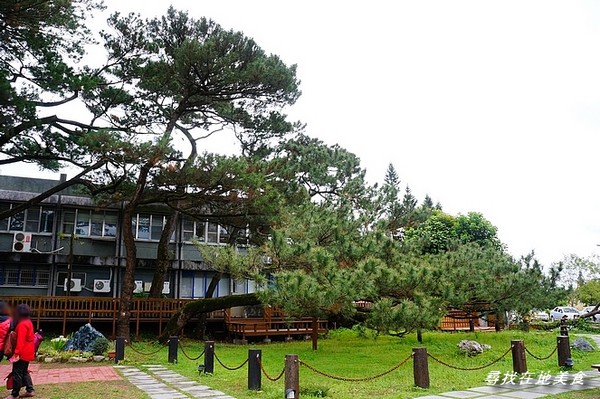
The reason this place is called Songyuan (Pine Garden) is that during the Japanese colonial period, the Japanese planted up to a hundred Ryukyu pines here. However, they eventually succumbed to pests, diseases, and natural elements. Today, only 32 pine trees remain in the park, regularly tended to by tree doctors. We should cherish these remaining old pines even more.
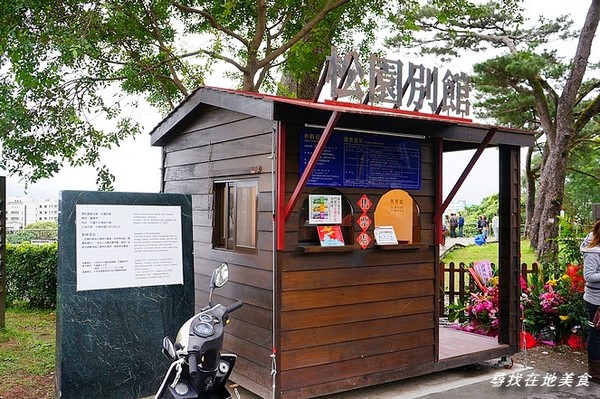 During my three-day trip to Hualien, I discovered many Japanese-era buildings left behind from that time, making this tourist-oriented city quite unique. In the early days, entry to Songyuan Guesthouse was free, but now there is an admission fee. If those fees help maintain Songyuan well, then it’s worth it, isn’t it?
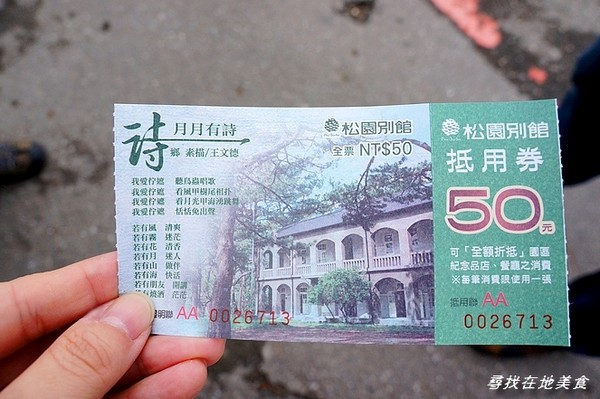
The ticket in my hand costs 50 NT dollars and can be used for purchases within the park.

On the wooden boardwalk platform in Songyuan, you can overlook the mouth of the Meilishi River, and the view is indeed expansive. The scenery would be even more beautiful if the weather were clearer.
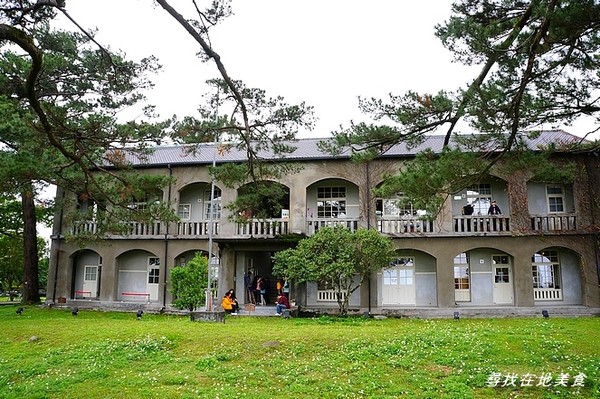
During the Japanese colonial period, this site served as an officers' guesthouse. After the government took over, it became a recreational resort for American military advisors. Through different eras, Songyuan has taken on various meanings, and now it is no longer mysterious but has instead become a cultural and creative industry park.
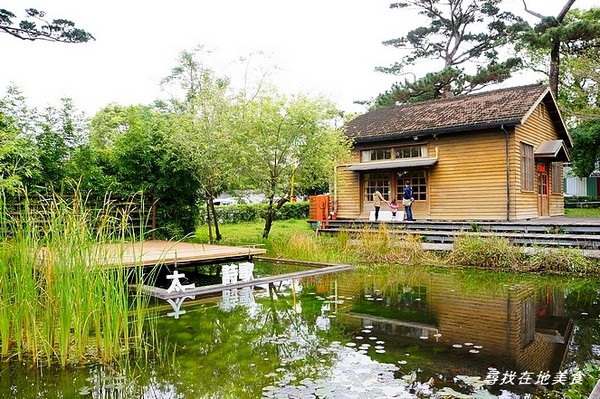
Walking along the wooden boardwalk to the back of Songyuan, you’ll find coffee vendors offering the aroma of freshly brewed coffee. Sitting on the front porch, you can enjoy this lush green scenery and embrace the slow life while traveling. 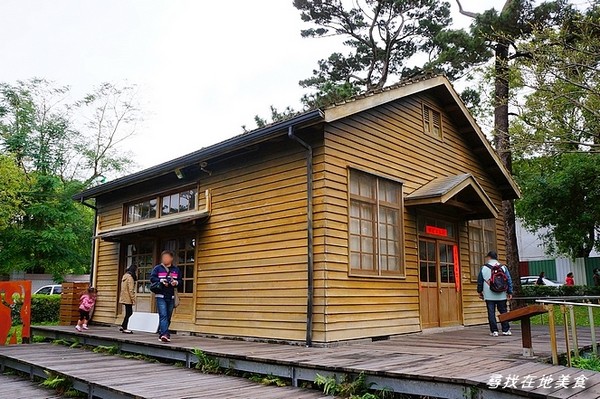
Japanese-style architecture has become a focal point for travelers. Aside from the historical traces in the wooden structures, they also feel much warmer compared to the concrete skyscrapers we have today. This is probably what we call nostalgia.
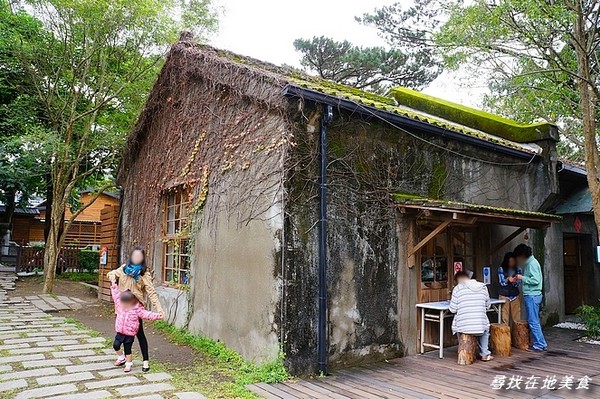
Another building that might give you a stronger impression is probably the two concrete houses on either side. The vitality of the banyan fig is so strong that it has pierced through the concrete walls and crawled over the entire surface, enveloping the walls and enhancing the old-house atmosphere. Inside this building, cultural and creative goods are sold, and we will go inside for a visit later.
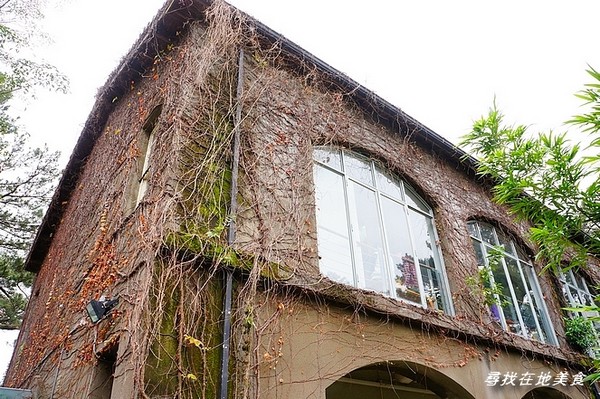
Opposite it is the main structure of Songyuan, also entwined with banyan figs, giving the even more classic Japanese-style building an antique charm. It is a two-story building, with both the first and second floors currently serving as spaces for art and cultural exhibitions.
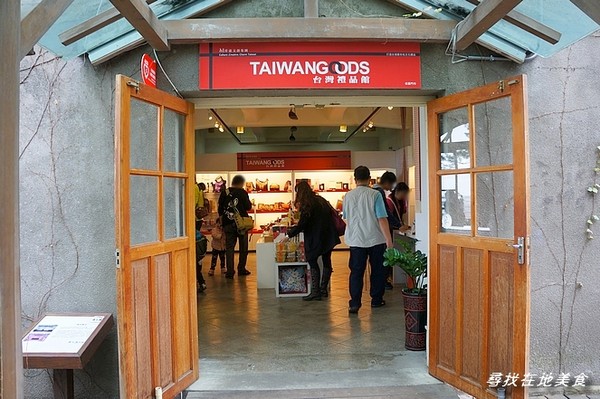
The first floor’s Taiwan Gift Gallery mainly features cultural and creative goods, with many ingeniously designed daily-use items on sale.
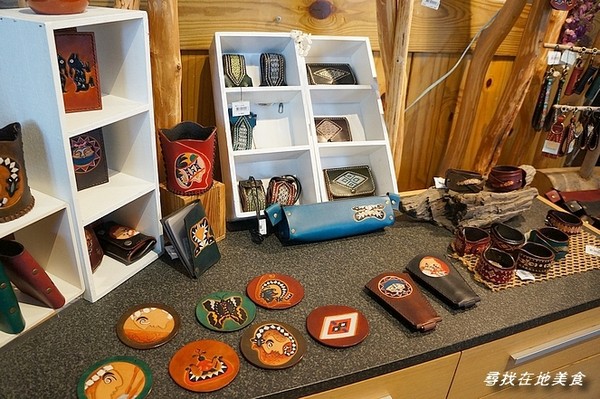
Exquisite leather carvings, whether applied to wallets or keychains, are quite unique and attractive.
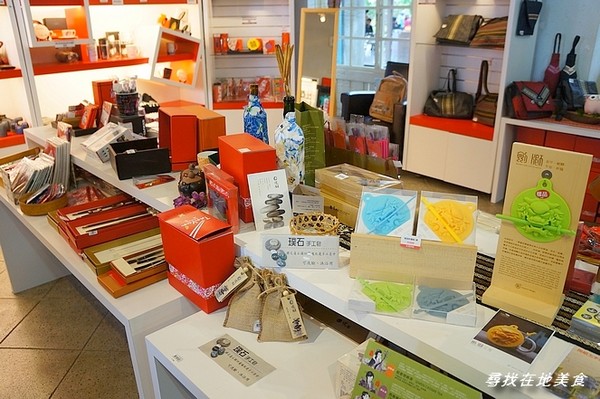
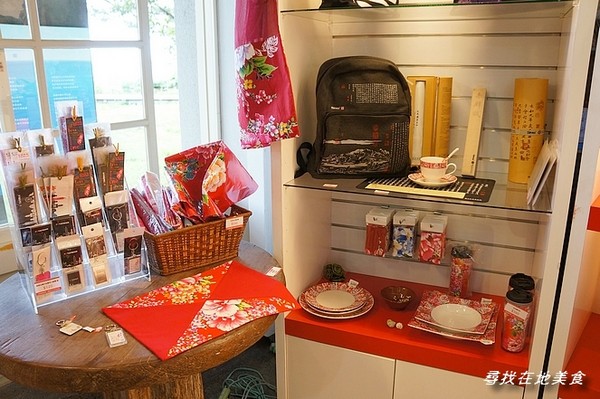
This section focuses on higher-end and refined cultural and creative goods, mostly practical items.
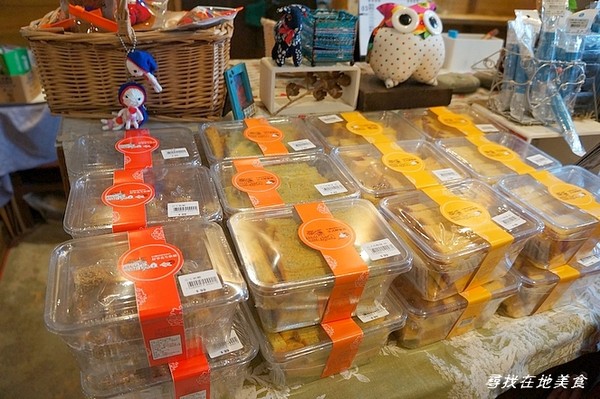
Across from the Taiwan Gift Gallery, the Slow Life Pavilion offers more mass-market goods, including not only daily necessities but also snack items. You can use your ticket here to offset purchases.
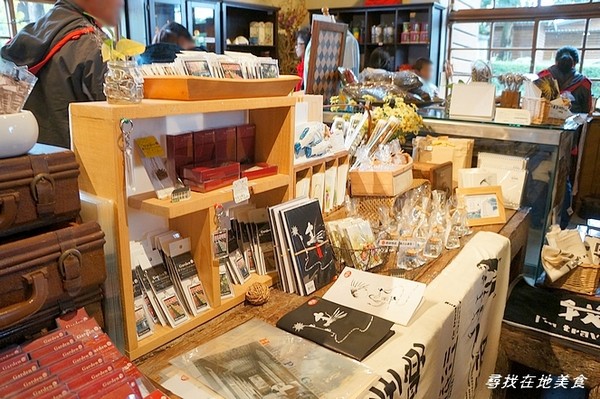
Items such as small gifts or postcards for giving away are worth a closer look. In the end, we bought some postcards as souvenirs.
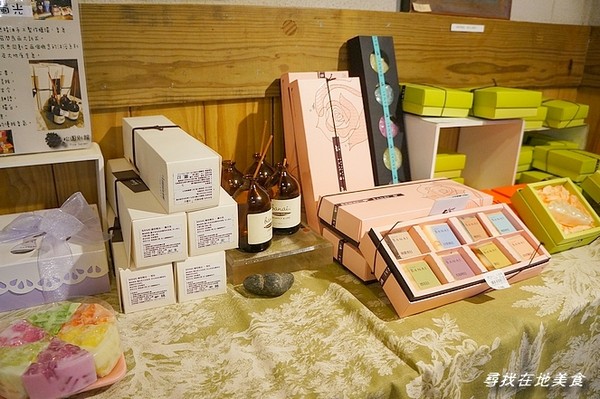
Handmade soaps are packaged as gift boxes, making them a lovely and presentable gift choice.
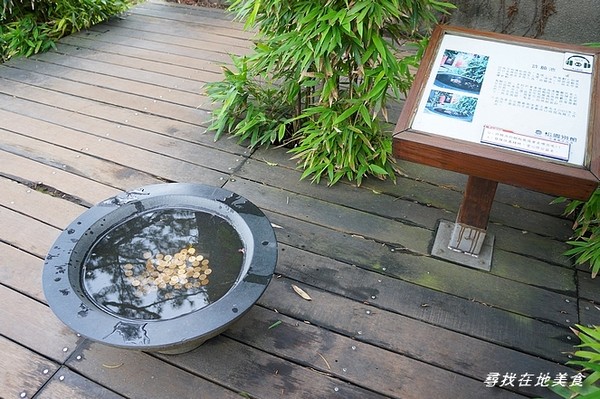
In the early days, Songyuan was referred to as a “ghost town” by locals. During its initial planning, a small flowing water feature was set up, mimicking the purification ritual performed in front of shrines by the Japanese. However, visitors began treating it as a wishing well, so the idea was retained. Though the current wishing well looks somewhat different from the one shown in the explanatory photos.
Songyuan Guesthouse has fully preserved its Japanese-era architecture. Having shed its past air of mystery, it has transformed into a cultural venue. Although the park is not very large, its prime location offers unobstructed views of the Pacific Ocean. In recent years, thanks to bloggers, it has become a popular spot for wedding photography and travel. If you have the chance to visit, taking a moment to enjoy the tranquil atmosphere is a wonderful experience.
[Songyuan Guesthouse]
Address:No. 65, Songyuan Road, Hualien City
Phone:03-8356510
Business Hours:09:00~18:00
Closed::Closed on Mondays
Admission:General admission NT$50, Concession NT$25, Group rate NT$40
Shadow:A blog dedicated to introducing local snacks in Kaohsiung and Pingtung. We hope that through sharing, we can find more food enthusiasts. Feel free to leave the address, shop name, and recommended dishes of your favorite hidden snack spots on the “Food Lovers’ Community” graffiti wall. Food reviews will be shared soon!
==============================================
Kaohsiung Snack Adventure Blog Kaohsiung Food Lovers' Community Facebook Fan Page
Share
This article is published by HowToTrip. Sharing and reposting are welcome — please credit the source.
Article URL: https://www.howtotrip.net/views-23634
Related Articles
- Shaoxing's "Grandpa Gourd" hangs the gourds back up: "If there are too many people, we'll interact less — just take a quick look from afar"
- Chinese authorities announce "reciprocal adjustment" to Japan visa fees — single-entry visa jumps from 2,250 to 16,750 yen!
- The "health stones" carried by a traveler were found to have radiation levels exceeding safety limits by a thousand times, potentially endangering fellow passengers on the same flight. Customs issues warning!
- Shenzhen Airport Issues Late-Night Notice: Unidentified Aerial Object Detected, Causing Widespread Flight Delays!
- “They only said it cost money after I opened the box and washed it!” 200g of grapes sold for 60 yuan on a high-speed train—12306 responds!
- Can't buy an airline ticket? Denied exit? Blocked from boarding? A large number of Chinese tourists have mysteriously become "discredited individuals"
- Adverse weather and economic fluctuations impact Colombia's coffee market
- Beach bathing area responds to 2 yuan/30 seconds fee for freshwater foot rinsing: Clearly priced!
- Taking off with an improperly closed cabin door? Wing malfunction? Multiple flights made emergency returns mid-journey!
- Experience the gifts of nature! A countdown of the world’s ten most stunning coastlines