Have you tried pan de muerto? A global search for iconic festival foods
By Reporter Xiao Wan-Ning / Comprehensive Report
Every country has its own representative festival foods. Just as Taiwan eats mooncakes during Mid-Autumn Festival and spring rolls during Qingming Festival, Vietnam enjoys sticky rice cakes for Lunar New Year, while other nations savor cakes, breads, and various treats. Understanding a country’s food culture is often the quickest way to grasp its customs. Let’s take a look at the unique traditional foods enjoyed during international festivals.
Taiwan’s Mid-Autumn Festival — Mooncakes
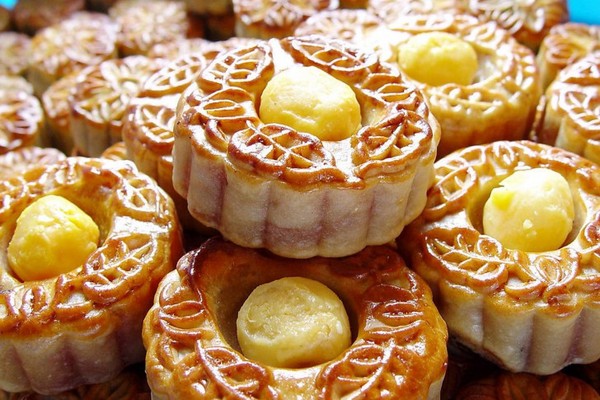
▲ The tradition of eating mooncakes during Mid-Autumn Festival is said to date back to the late Yuan and early Ming dynasties. (Photo / from www.my-walls.net)
Mid-Autumn Festival is one of Taiwan’s three major festivals, and eating mooncakes has become a custom in Taiwan and Chinese regions. It falls on the 15th day of the eighth lunar month, around September to October in the Western calendar. It is believed that finely made mooncakes became widely available around the Ming Dynasty. Today, mooncakes in Taiwan come in many forms, but the main hope is that eating them will bring good luck.
Vietnam’s Lunar New Year — Sticky Rice Cakes
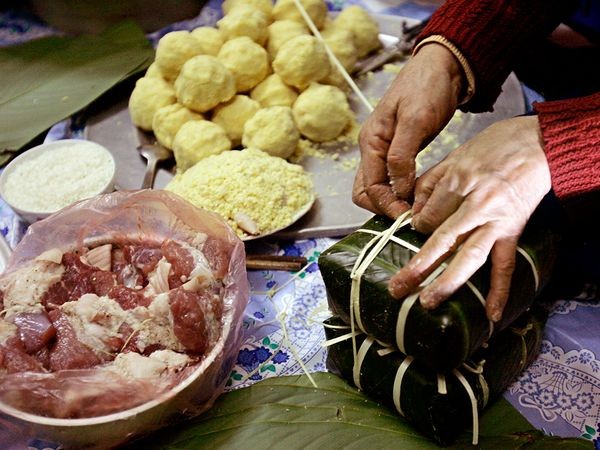
▲ Vietnamese people eat square and round sticky rice cakes for Lunar New Year, but never triangular ones. (Photo / from National Geographic Magazine)
While Taiwanese people typically eat zongzi during the Dragon Boat Festival, Vietnamese people enjoy sticky rice cakes during Lunar New Year. Their cakes are several times larger than those in Taiwan and are often shared among several people. They come in square and round shapes, not triangles, and are filled with ingredients similar to ours, such as glutinous rice, meat, or red bean paste. Eating them is believed to bring peace and smoothness in the coming year.
Argentina’s Independence Day — Fried Pastry
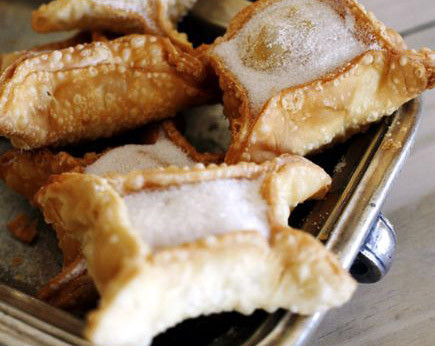
▲ The outer crust of fried pastry tastes like fried wontons. (Photo / from National Geographic Magazine)
On May 25, 1816, Argentina overthrew the Spanish government and officially gained independence. To celebrate this day, May 25 was established as Independence Day. The fried pastry has a wonton-like crust, filled with high-calorie ingredients such as papaya jam and syrup, and is then sprinkled with a generous amount of powdered sugar.
India’s Diwali — Almond Cake
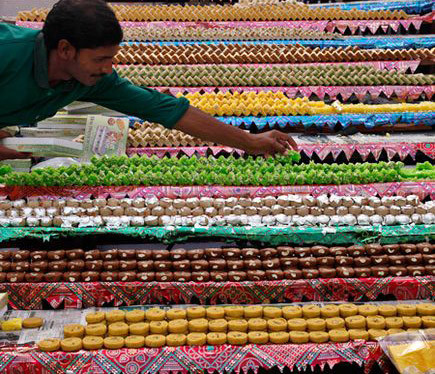
▲ Indians eat almond cake during Diwali to ward off evil and attract good fortune. (Photo / from National Geographic Magazine)
Also known as the Festival of Lights, Diwali is a five-day festival celebrated on the 15th full moon of the eighth month in the Indian calendar, usually in late October or early November. Varanasi is one of the main cities where the festival is celebrated. Considered a form of Indian New Year, during this time Indians dye rice in various colors. Most notably, they eat almond cake to attract good luck and ward off misfortune, praying for a smooth future.
Mexico’s Day of the Dead — Pan de Muerto
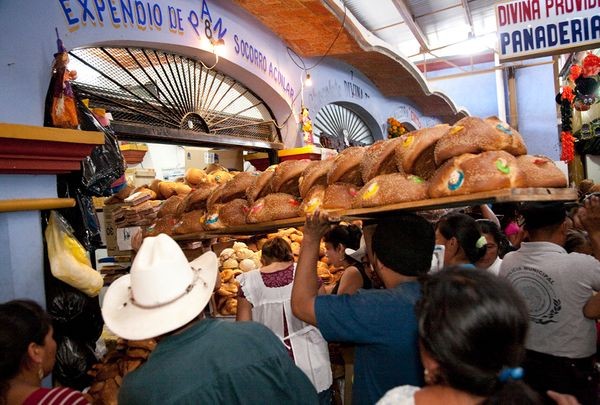
▲ During Mexico’s Day of the Dead, people-shaped or bone-shaped breads are eaten to honor the deceased. (Photo / from National Geographic Magazine)
Similar to Taiwan’s Ghost Festival or Halloween, this is a time when families gather to talk about their departed loved ones or pray for them. The Day of the Dead evolved from Halloween and takes place from October 31 to November 2 over three days. Various types of human-shaped or bone-shaped breads are prepared
to commemorate the occasion.
New Orleans Mardi Gras — King Cake
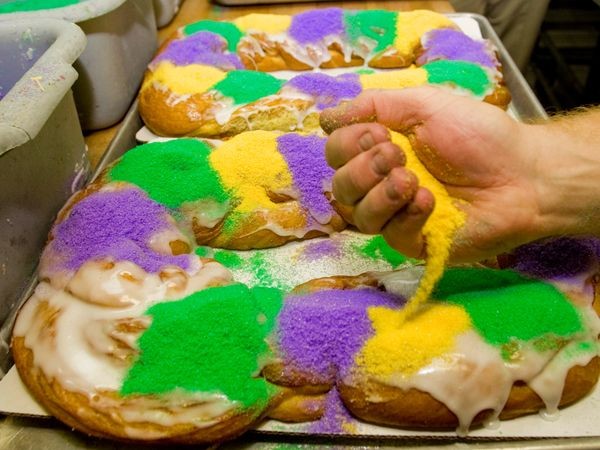
▲ During New Orleans’ Mardi Gras, king cake is eaten, and it’s said that finding a plastic baby inside brings a year of good luck. (Photo / from National Geographic Magazine)
Mardi Gras is a Christian festival, usually held from late February to early March, marking the 40 days before Jesus’ resurrection. In addition to colorful beads for blessings, king cake is also eaten. A small plastic baby representing Jesus is hidden inside the cake, and it’s said that whoever finds it will have good luck all year.
Share
This article is published by HowToTrip. Sharing and reposting are welcome — please credit the source.
Article URL: https://www.howtotrip.net/views-23488
Related Articles
- Shaoxing's "Grandpa Gourd" hangs the gourds back up: "If there are too many people, we'll interact less — just take a quick look from afar"
- Chinese authorities announce "reciprocal adjustment" to Japan visa fees — single-entry visa jumps from 2,250 to 16,750 yen!
- The "health stones" carried by a traveler were found to have radiation levels exceeding safety limits by a thousand times, potentially endangering fellow passengers on the same flight. Customs issues warning!
- Shenzhen Airport Issues Late-Night Notice: Unidentified Aerial Object Detected, Causing Widespread Flight Delays!
- “They only said it cost money after I opened the box and washed it!” 200g of grapes sold for 60 yuan on a high-speed train—12306 responds!
- Can't buy an airline ticket? Denied exit? Blocked from boarding? A large number of Chinese tourists have mysteriously become "discredited individuals"
- Adverse weather and economic fluctuations impact Colombia's coffee market
- Beach bathing area responds to 2 yuan/30 seconds fee for freshwater foot rinsing: Clearly priced!
- Taking off with an improperly closed cabin door? Wing malfunction? Multiple flights made emergency returns mid-journey!
- Experience the gifts of nature! A countdown of the world’s ten most stunning coastlines