Forbidden ways to eat eggs: undercooked, leftover, and heating with soy milk can all be dangerous

▲ There are several forbidden ways to eat eggs — be sure to pay attention. (Photo / Provided by this newspaper)
Travel Center / Comprehensive Report
There are many ways to prepare eggs, including fried eggs, benedict eggs, scrambled eggs, and some people even add eggs to piping hot soy milk to boost nutrition. Others claim that eating raw eggs is more nutritious. However, these practices not only offer no benefits but may also lead to various infections. In fact, the French Health and Prevention Agency has even warned citizens against eating raw eggs due to the risk of salmonella. Aside from undercooked eggs, what other forbidden ways of eating eggs are there? Find out everything this time around!
1. Eating raw
Many people believe that eating raw eggs is better for absorbing nutrients, but in reality, the opposite is true. Not only do raw eggs fail to release essential amino acids, but raw egg whites can produce nitroso compounds in the intestines. There is also a risk of salmonella infection. Between 1996 and 2005 in France, 64% of food poisoning cases were caused by salmonella, and 59% of those were due to eating raw eggs.
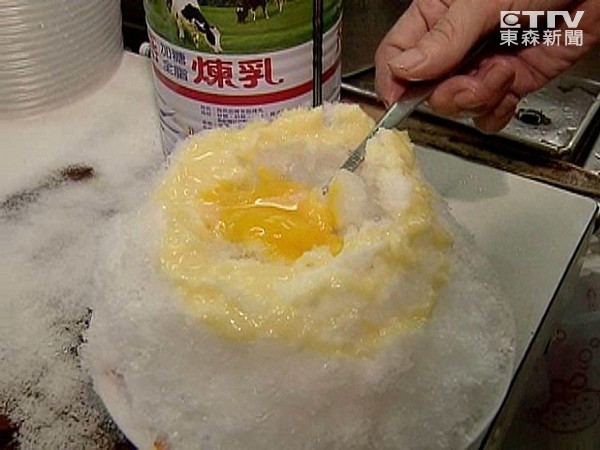
▲ Eating raw eggs makes you highly susceptible to various viruses. (Photo / Eastern News)
2. Eating leftover (overnight) eggs
Eating cooked eggs that have been reheated the next day is not an issue. However, eating half-cooked or soft-boiled eggs that have been left overnight is not advisable. If eggs are not fully cooked, improper storage can allow bacteria to grow, leading to stomach discomfort, bloating, and other issues. At the same time, some people believe that the longer you cook eggs, the better — but this is also incorrect. Cooking eggs for too long causes ferrous ions in the yolk to react with sulfur ions in the whites, forming ferrous sulfide, which becomes hard to absorb. Nutritionists recommend boiling eggs for 5–8 minutes as the optimal method.
3. Eating raw eggsmixed with soy milk
Many people enjoy adding a raw egg to hot soy milk to boost nutrition. However, the temperature of hot soy milk is usually not high enough to fully cook the egg. If the egg isn’t cooked thoroughly, it can easily cause discomfort. Senior nutritionist Zhao Qiang reminds us that since chickens excrete and lay eggs through the same opening, they are highly prone to salmonella contamination — cooking them is much safer. The Department of Health also emphasizes that the ideal temperature for cooked eggs should be above 70°C, so it’s important to extend the heating time to ensure the eggs are properly cooked. Nutritionist Liu Yili also warns about hidden raw eggs in foods, such as the semi-cooked steamed egg used in tiramisu, egg milk drinks, and N...<饭等,都要分外注意卫生。
Share
This article is published by HowToTrip. Sharing and reposting are welcome — please credit the source.
Article URL: https://www.howtotrip.net/views-23276
Related Articles
- Shaoxing's "Grandpa Gourd" hangs the gourds back up: "If there are too many people, we'll interact less — just take a quick look from afar"
- Chinese authorities announce "reciprocal adjustment" to Japan visa fees — single-entry visa jumps from 2,250 to 16,750 yen!
- The "health stones" carried by a traveler were found to have radiation levels exceeding safety limits by a thousand times, potentially endangering fellow passengers on the same flight. Customs issues warning!
- Shenzhen Airport Issues Late-Night Notice: Unidentified Aerial Object Detected, Causing Widespread Flight Delays!
- “They only said it cost money after I opened the box and washed it!” 200g of grapes sold for 60 yuan on a high-speed train—12306 responds!
- Can't buy an airline ticket? Denied exit? Blocked from boarding? A large number of Chinese tourists have mysteriously become "discredited individuals"
- Adverse weather and economic fluctuations impact Colombia's coffee market
- Beach bathing area responds to 2 yuan/30 seconds fee for freshwater foot rinsing: Clearly priced!
- Taking off with an improperly closed cabin door? Wing malfunction? Multiple flights made emergency returns mid-journey!
- Experience the gifts of nature! A countdown of the world’s ten most stunning coastlines