Top Japanese spots netizens hope to see listed as World Heritage Sites: Izu Blue Cave and Takeda Castle make the list
Travel Center / Comprehensive Report
One of the key contributors to Japan’s industrialization, the Tomioka Silk Mill, was successfully inscribed as a UNESCO World Heritage Site this year, becoming Japan’s 18th such site and bringing great joy to the Japanese people. The Japanese website“マイナビウ0?蕙蟆” (Minna no Ura)also conducted a survey among netizens, asking which Japanese attraction they would most like to see designated as a World Heritage Site.
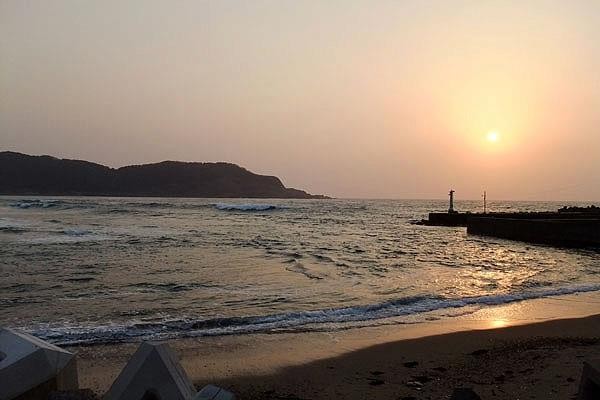
▲ Noto Peninsula. (Photo / fromNoto Peninsula Tourism Fan Page)
Already designated as a national park in Japan, the Noto Peninsula has remained largely undeveloped, preserving countless stunning natural landscapes. At sunset, the orange-red glow of the sun paints the ocean, making it the most recommended must-see sight on the peninsula according to netizens. The peninsula’s most famous site, the “Noto Kaneko,” is also the setting of the renowned Japanese mystery novel “Zero Focus” by celebrated author Seicho Matsumoto, further fueling netizens’ desire to see it recognized as a World Heritage Site.
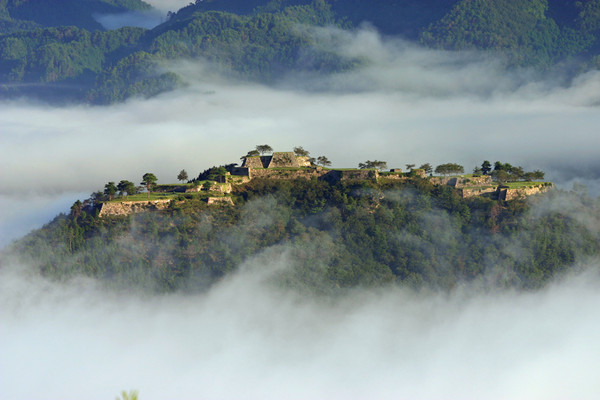
▲ Japan’s Castle in the Sky – “Takeda Castle”. (Photo / from Hyogo Prefecture Asago City official website and provided by Yoshida Toshihisa)
Perched in isolation in the town of Wadayama, Asago City, Hyogo Prefecture, and ranked among Japan’s Top 100 Castles, “Takeda Castle” is also known as the “Machu Picchu of Japan.” Today, only the terraced stone walls of the castle ruins remain, but when thick sea of clouds surrounds the site, Takeda Castle appears to float atop the clouds — a breathtaking sight that has captivated every Japanese netizen who has witnessed it. Its popularity as a tourist destination has been steadily rising in recent years.
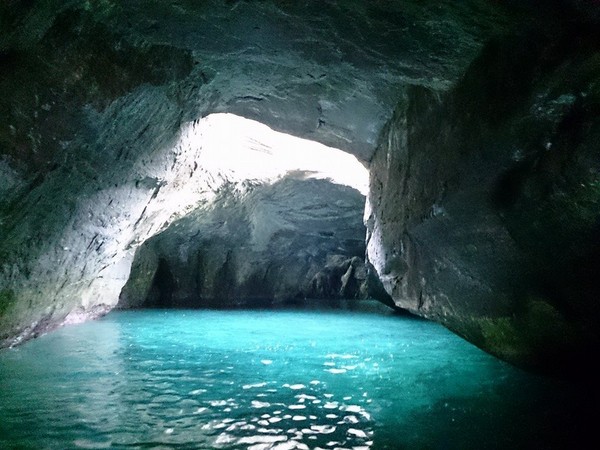
▲ There’s a Blue Hole here too!: The skylight cave of Japan’s Donoue Island. (Photo / fromDonogshima Marine Co., Ltd. Fan Page)
Located within the Izu National Park, Donoue Island is best known for its stunning attraction — the skylight cave, which rivals Italy’s Blue Grotto. Like Taiwan’s Si Ji Yu (Four Seasons Island), it features a naturally formed blue hole eroded by seawater. Local tour boat services are available, and on clear days, visitors can be taken inside the cave to circle around this open-air marine cavern. There are also walking trails around the top of the skylight cave, allowing visitors to admire the beauty of Japan’s blue hole from various angles above.
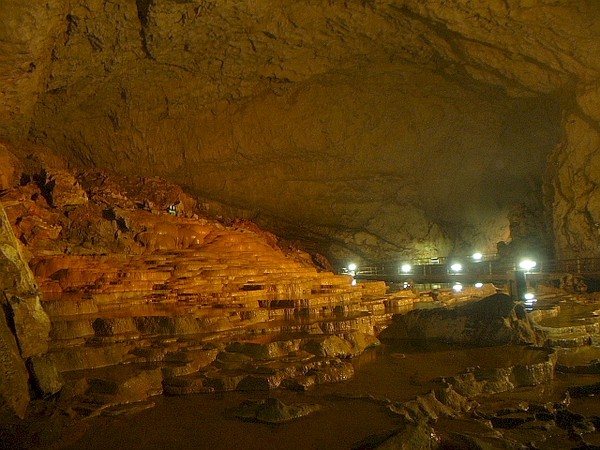
▲ Akiyoshido Cave. (Photo / from Wikipedia)
Japan’s largest limestone cave stretches approximately 8.7 kilometers and lies about 100 meters beneath the surface of the Akiyoshi Plateau Quasi-National Park in Yamaguchi Prefecture. The cave’s most famous natural wonders include the “Hundred Stone Plates,” “Thousand Tatami Mats,” and the massive Golden Pillar. It is also one of Japan’s Special Natural Monuments.
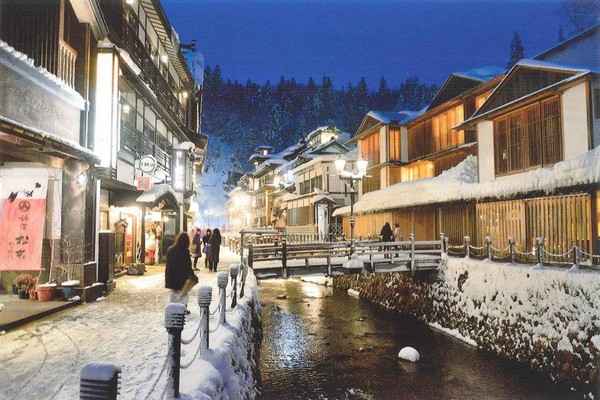
▲ Yamagata Prefecture’s “Ginzan Onsen”. (Photo / fromGinzan Onsen Fan Page)
Visiting Ginzan Onsen feels like stepping back in time to the Edo period. The rows of traditional wooden inns lining both sides of the Ginzan River are beautifully complemented by small bridges. Especially at night, the warm glow of lantern light casts a dreamy ambiance over the area, creating an unforgettable atmosphere. Even without staying overnight, it’s still a highly recommended experience.
Other sites Japanese netizens hope could become World Heritage Sites include Tokyo’s Skytree and Lake Biwa. Some believe that in a hundred years, the Skytree will be a source of pride for Japan.
Share
This article is published by HowToTrip. Sharing and reposting are welcome — please credit the source.
Article URL: https://www.howtotrip.net/views-22740
Related Articles
- Shaoxing's "Grandpa Gourd" hangs the gourds back up: "If there are too many people, we'll interact less — just take a quick look from afar"
- Chinese authorities announce "reciprocal adjustment" to Japan visa fees — single-entry visa jumps from 2,250 to 16,750 yen!
- The "health stones" carried by a traveler were found to have radiation levels exceeding safety limits by a thousand times, potentially endangering fellow passengers on the same flight. Customs issues warning!
- Shenzhen Airport Issues Late-Night Notice: Unidentified Aerial Object Detected, Causing Widespread Flight Delays!
- “They only said it cost money after I opened the box and washed it!” 200g of grapes sold for 60 yuan on a high-speed train—12306 responds!
- Can't buy an airline ticket? Denied exit? Blocked from boarding? A large number of Chinese tourists have mysteriously become "discredited individuals"
- Adverse weather and economic fluctuations impact Colombia's coffee market
- Beach bathing area responds to 2 yuan/30 seconds fee for freshwater foot rinsing: Clearly priced!
- Taking off with an improperly closed cabin door? Wing malfunction? Multiple flights made emergency returns mid-journey!
- Experience the gifts of nature! A countdown of the world’s ten most stunning coastlines