Is the Harvest Festival becoming a tourist attraction controversial? Tourism Bureau: Respecting tribal development intentions
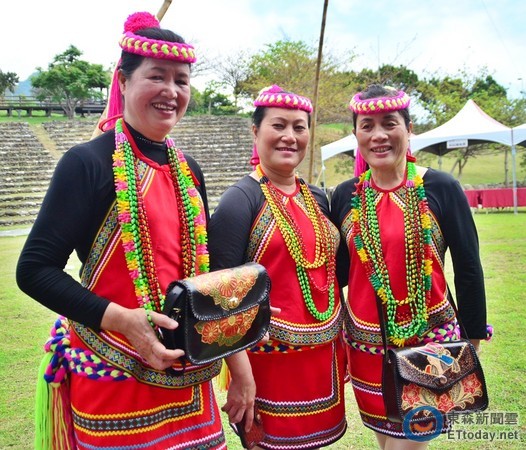
▲ The Tourism Bureau assists eight willing tribes on the East Coast in developing tourism. (Photo / Reporter Chen Ziying)
Reporter Chen Ruizhong / Taipei reporting
Taiwan is fully committed to developing tourism. This year, it even launched a tribal tour for mainland Chinese visitors, but this has raised concerns among indigenous people, who believe that the tribe's highly solemn and sacred ceremonies should not be turned into tourist attractions. On the 2nd, the Tourism Bureau emphasized that the government respects indigenous culture and is only assisting in promoting tribal tourism development, and will never force it.
A delegation of 16 Shanghai tourism industry professionals, led by officials from the Shanghai Municipal Tourism Administration, arrived in Taiwan on June 26, becoming the first mainland Chinese group to visit indigenous tribal tourism sites. During their seven-day tribal-themed visit, they toured tribal attractions in Yilan, Hualien, and Taitung counties and plan to develop tour packages for mainland tourists visiting indigenous tribes in Taiwan.
However, this move has drawn criticism from singerShow Lo(Amis name: Hayakumo), who posted on Facebook questioning the commercialization of the Harvest Festival as a tourist activity. In his post, he wrote,"We dance for our elders and ancestors, not for tourists."SingerGrace Koalso voiced her support on her own Facebook page, stating in part,"Tribes certainly need tourism revenue, but absolutely not at the cost of selling their traditional festivals. Let tourism be tourism, and festivals be festivals!"
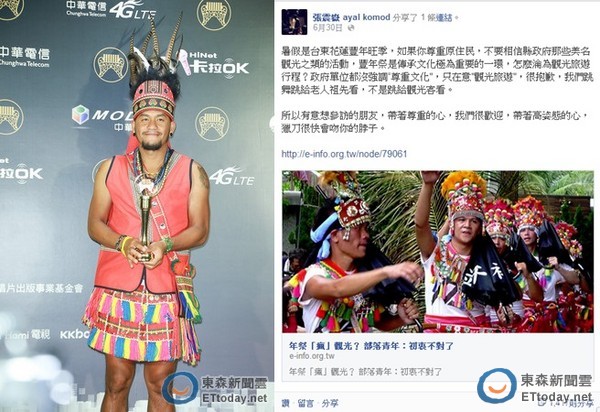
▲ Show Lo criticized the government on Facebook for disrespecting indigenous culture. (Photo / File photo / Screenshot from Show Lo’s Facebook)
Lin Peijun, Deputy Chief of the Planning Division at the Tourism Bureau under the Ministry of Transportation, told ETtoday News Cloud that in developing tourism itineraries for indigenous tribes, the Tourism Bureau has always adhered to a stance of "respect" and serves in an assisting and promotional role.
Lin Peijun stated that among the many tribes on Taiwan’s East Coast, eight indigenous tribes decided to pursue tourism development afterdiscussions within their tribal elder councils or decision-making bodies.In line with respecting indigenous culture, the Tourism Bureau assisted these tribes in packaging and promoting their tourism industries and formulated the "Year One of Tribal Tourism" development plan in April 2014. The recent Shanghai delegation also focused on these eight routes during their visit.
Lin Peijun explained that the eight tribes—Maloa Lung (Donghe), Duli, Shueilian, and others—are developing tourism based on"their own willingness to grow."The Tourism Bureau also provides teaching assistance in areas such as homestay management and specialty food decoration. The tribal tourism routes are operated asappointment-based, experiential tourswith the goals of managing visitor numbers, boosting tribal development through tourism, and allowing participants to learn about indigenous history and respect indigenous culture through hands-on experiences. A similar support model is also seen in the Tourism Bureau’s efforts to promote Minnan and Hakka cultural tourism.
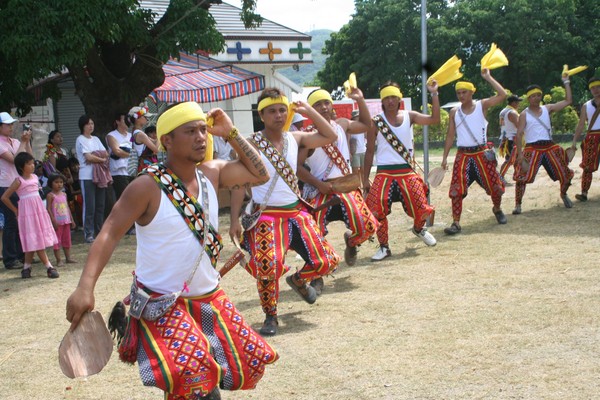
▲ The Tourism Bureau states that no Harvest Festival activities are currently included in any tribal tourism itineraries. (Photo / Taitung Indigenous Tribal Harvest Festival / Provided by Taitung County Government)
In response to comments from indigenous artists and various stakeholders, Lin Peijun noted that among the eight tribal tourism itineraries currently promoted by the Tourism Bureau,the Harvest Festival is not included in any of them.All routes are designed with respect for indigenous culture as the starting point, and in the future, the Tourism Bureau will continue to adopt a "respectful" approach by broadly considering feedback from all parties and indigenous tribes.Clearly distinguish between "festivals" and "performance events",and enhance visitors' respect for indigenous culture and ceremonies through awareness and education, allowing indigenous communities to preserve their sacred traditional culture while also developing tourism and economic industries.
Share
This article is published by HowToTrip. Sharing and reposting are welcome — please credit the source.
Article URL: https://www.howtotrip.net/views-22668
Related Articles
- Shaoxing's "Grandpa Gourd" hangs the gourds back up: "If there are too many people, we'll interact less — just take a quick look from afar"
- Chinese authorities announce "reciprocal adjustment" to Japan visa fees — single-entry visa jumps from 2,250 to 16,750 yen!
- The "health stones" carried by a traveler were found to have radiation levels exceeding safety limits by a thousand times, potentially endangering fellow passengers on the same flight. Customs issues warning!
- Shenzhen Airport Issues Late-Night Notice: Unidentified Aerial Object Detected, Causing Widespread Flight Delays!
- “They only said it cost money after I opened the box and washed it!” 200g of grapes sold for 60 yuan on a high-speed train—12306 responds!
- Can't buy an airline ticket? Denied exit? Blocked from boarding? A large number of Chinese tourists have mysteriously become "discredited individuals"
- Adverse weather and economic fluctuations impact Colombia's coffee market
- Beach bathing area responds to 2 yuan/30 seconds fee for freshwater foot rinsing: Clearly priced!
- Taking off with an improperly closed cabin door? Wing malfunction? Multiple flights made emergency returns mid-journey!
- Experience the gifts of nature! A countdown of the world’s ten most stunning coastlines