Singapore's Katong District\The hidden charm of Peranakan architecture? The unique Chinese influence in "Katong"
Text and photos byXiao Sheng
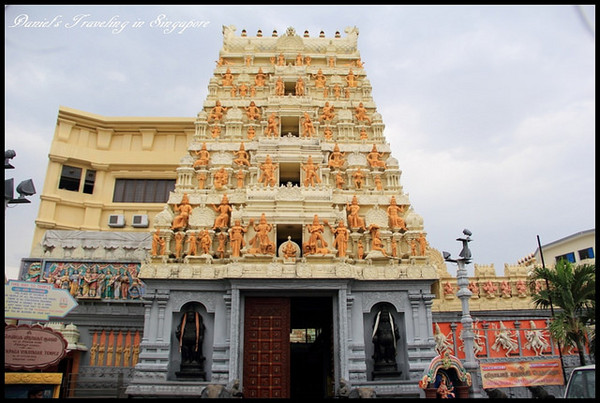
Singapore's Sri Senpaga Vinayagar Temple may not be a famous attraction in Singapore, but this small Hindu temple is absolutely the most unique one I’ve ever encountered in terms of its distinctive structure. It’s a must-visit spot if you have the chance to explore the Katong area.
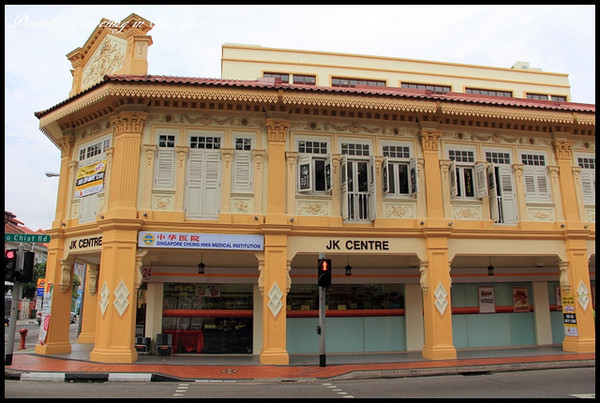
Chinatown, Little India, Merlion Park, and Sentosa are all well-known tourist spots in Singapore, but beyond these, are there any lesser-known attractions? On this trip around the Katong district, I discovered traditional Peranakan streets that contrast sharply with Singapore’s modernity. Strolling here feels like stepping through a time tunnel, immersing you in the flow of history.
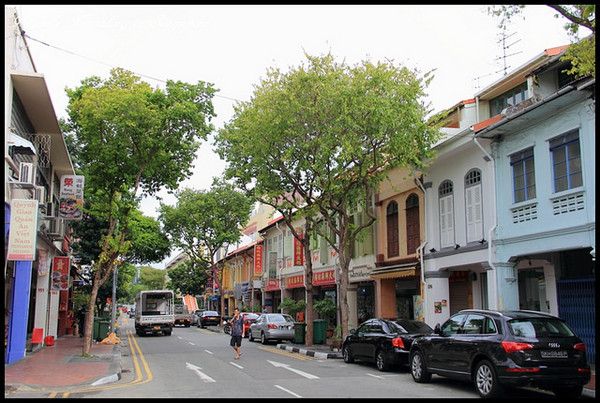
The traditional architecture in the Katong district is concentrated along Joo Chiat & Koon Seng Road. Most of these buildings belong to the Peranakan style. The term "Peranakan" refers to the descendants of early Chinese immigrants who settled in Southeast Asia and intermarried with locals. This unique cultural blend is why these buildings feature strong Chinese elements.
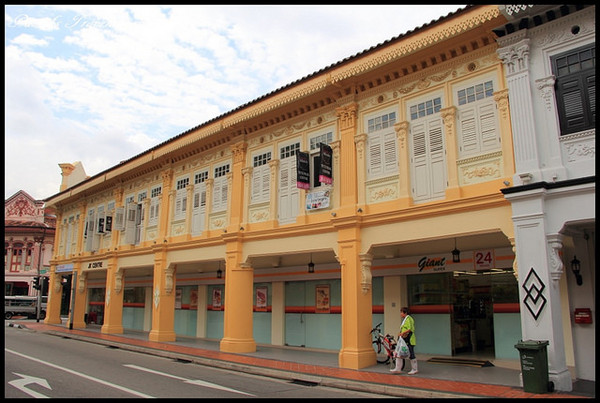
Katong isn’t actually far from the city center. You can take the orange or green MRT line to Paya Lebar and then walk to reach Joo Chiat Road. However, most of the Peranakan-style buildings are located slightly further away on side streets, so you’ll need to set aside about 5 minutes for the extra walk.
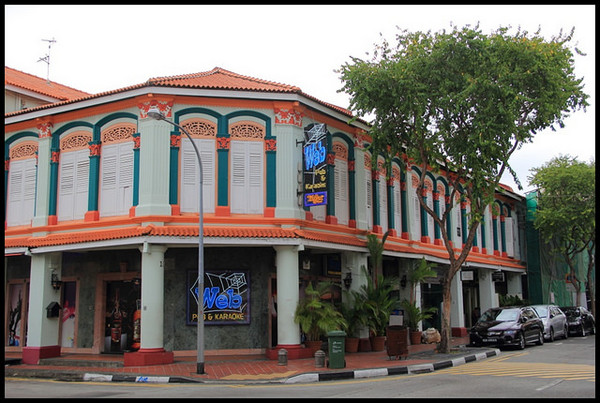
Although these buildings are called Peranakan-style houses, they aren’t just Chinese-themed. While many incorporate Chinese and local elements, they don’t look overly exaggerated. From the outside, they might not seem particularly special, but upon closer inspection, you’ll notice the rich Chinese architectural details.
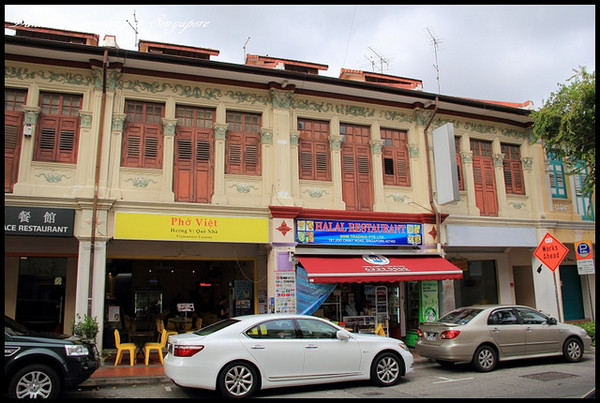
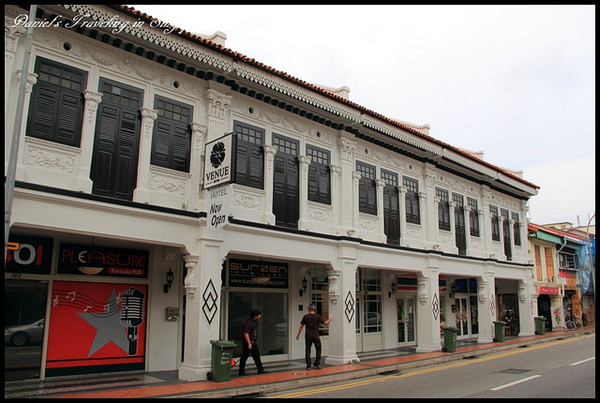
Locals are very accustomed to living alongside these traditional streets. Restaurants, eateries, and convenience stores are all readily available. Additionally, the gray building shown above may not look like much from the outside, but it’s actually a hotel. Staying in such a historically rich accommodation would certainly be a unique experience.
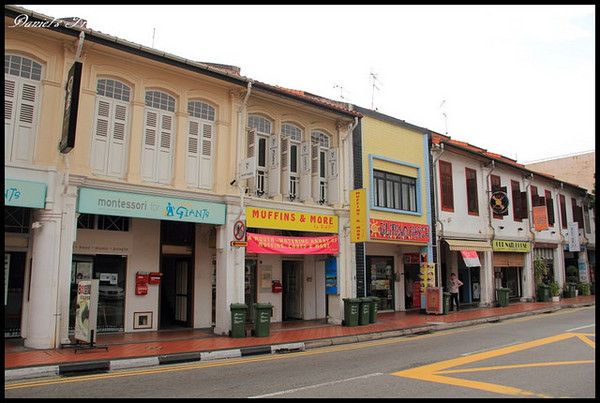
Another area of the district is also lined with shops, and the living amenities are fairly decent.
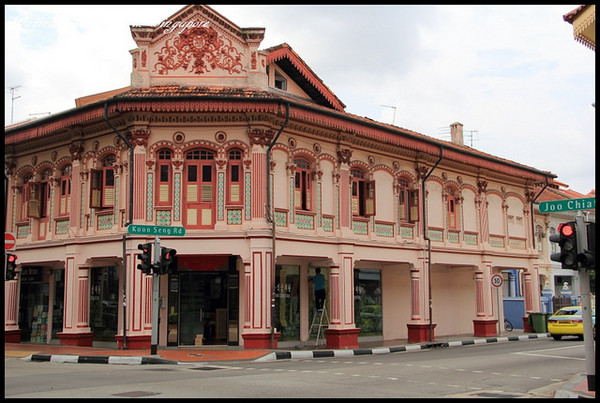
These traditional buildings with strong Chinese influences feature elaborate carvings on their facades—dragons, phoenixes, birds, and more—all of which are also present in this Peranakan-style architecture. The half-open doors on the second floor further enhance the Chinese aesthetic.
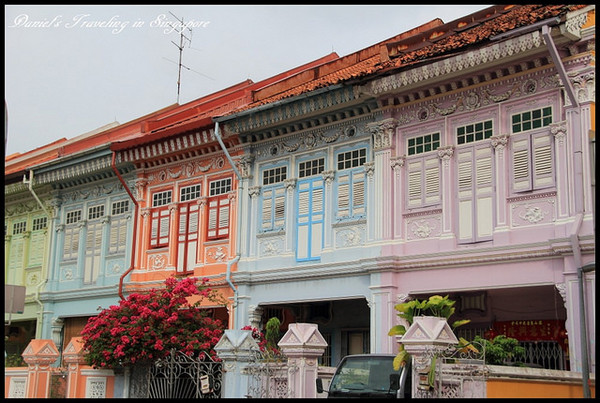
Meanwhile, the streets along Koon Seng Road are also lined with Peranakan-style buildings. Although some differ slightly in architectural style from typical Chinese buildings, the main difference lies in the color schemes. The exterior colors of the Chinese-style buildings might feel somewhat subdued, but the colors used in these Peranakan buildings are surprisingly vibrant.
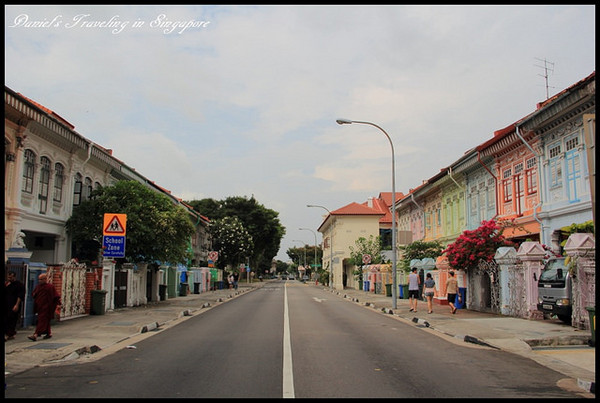
However, what surprised me most about Singapore is how well it has preserved so many traditional buildings despite being such a modern city. In Taiwan, it’s already quite rare to see such well-preserved traditional architecture. A local friend explained that the government has designated preservation zones for these traditional buildings. When someone wants to buy or sell such a property, they are notified by the government. Essentially, while the interior can be modified as desired, the exterior appearance of these historic homes must remain unchanged. This is why Singapore, despite being so modern and advanced, still retains a different kind of charm.
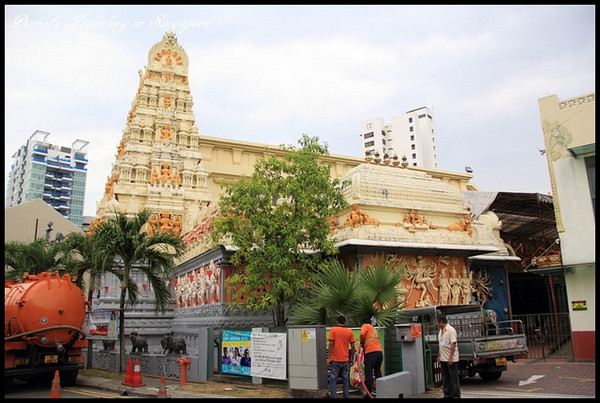
Aside from Peranakan architecture, I’d also like to introduce a truly unique Hindu temple in the Katong district. This temple is called Sri Senpaga Vinayagar Temple, located on Ceylon Road, near East Coast Road, just one street away from Joo Chiat Road.
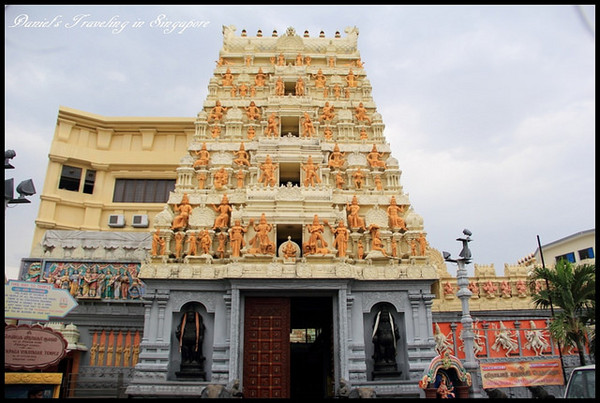
Although I’ve never been to India, I’ve visited many countries with large Indian communities during my travels, such as Fiji, Singapore, and Malaysia. Hindu temples often give me the impression of being colorful and vibrant. However, this particular temple is small in size, and its exterior features a yellow roof with an ivory-like hue. Among the not-so-many Hindu temples I’ve seen, this one is truly the most beautiful and unique.
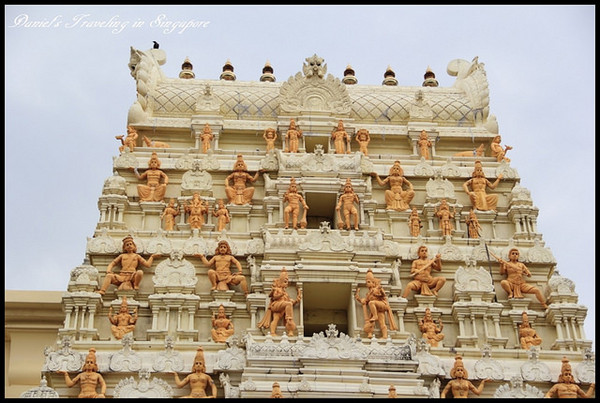
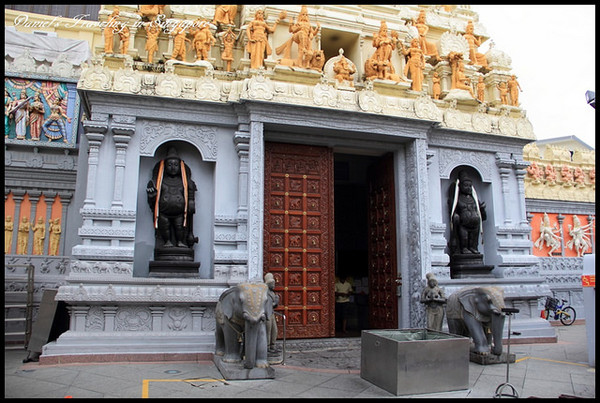
Some Hindu temples only allow exterior photography, not interior shots. But for most temple visits, I usually only take pictures of the exteriors out of respect for the deities. Aside from its unique exterior, the interior of this temple also features intricate granite carvings that are worth admiring closely. I found a blog that shared photos of the temple’s interior, so I’ve included a link here for your reference.http://nanfong.blogspot.tw/2009/11/2009-sri-senpaga-vinayagar-temple.html
Singapore’s Katong district may not be a popular tourist spot, but it offers a traditional face and a unique Hindu temple. Perhaps because there aren’t many tourists, I especially enjoyed the peaceful atmosphere while strolling along its streets. If you’re looking to experience a different side of Singapore, Katong is a great choice. And the nearby 328 Katong Laksa is a delicious treat you shouldn’t miss.
【Sri Senpaga Vinayagar Temple】
Address: 19, Ceylon Rd., Singapore
【Peranakan Terrace House】
Address: Koon Seng Rd. & Joo Chiat Rd.
Xiao Sheng’s Wandering Journey
Every journey and every trip is a quest. Though I’m not entirely sure what I’m searching for, what I ultimately gain is always more than I imagined. And so, my wandering journey will continue endlessly.
Share
This article is published by HowToTrip. Sharing and reposting are welcome — please credit the source.
Article URL: https://www.howtotrip.net/views-22322
Related Articles
- Shaoxing's "Grandpa Gourd" hangs the gourds back up: "If there are too many people, we'll interact less — just take a quick look from afar"
- Chinese authorities announce "reciprocal adjustment" to Japan visa fees — single-entry visa jumps from 2,250 to 16,750 yen!
- The "health stones" carried by a traveler were found to have radiation levels exceeding safety limits by a thousand times, potentially endangering fellow passengers on the same flight. Customs issues warning!
- Shenzhen Airport Issues Late-Night Notice: Unidentified Aerial Object Detected, Causing Widespread Flight Delays!
- “They only said it cost money after I opened the box and washed it!” 200g of grapes sold for 60 yuan on a high-speed train—12306 responds!
- Can't buy an airline ticket? Denied exit? Blocked from boarding? A large number of Chinese tourists have mysteriously become "discredited individuals"
- Adverse weather and economic fluctuations impact Colombia's coffee market
- Beach bathing area responds to 2 yuan/30 seconds fee for freshwater foot rinsing: Clearly priced!
- Taking off with an improperly closed cabin door? Wing malfunction? Multiple flights made emergency returns mid-journey!
- Experience the gifts of nature! A countdown of the world’s ten most stunning coastlines