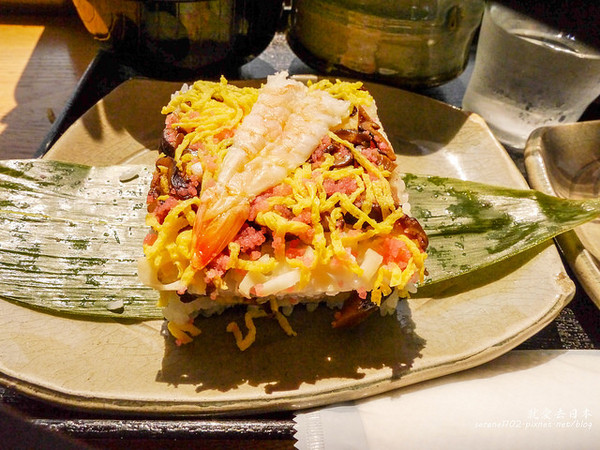
Layer the ingredients one by one and press them down firmly – Kikkou sushi has a very unique appearance.
Photos and text byRight forty-five-degree angle
The best part about traveling in Japan is discovering unique local specialties that are definitely different from anywhere else. As a foodie, I had already planned to try the famous Kikkou sushi in Iwakuni before my trip.
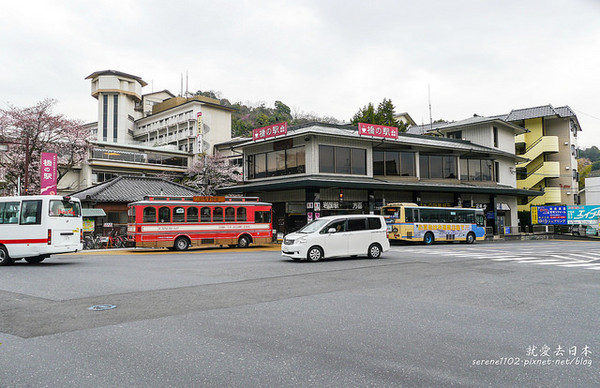
From JR Iwakuni Station, I took a bus to near Kintai Bridge, and right above the bus stop was a restaurant and souvenir shop.
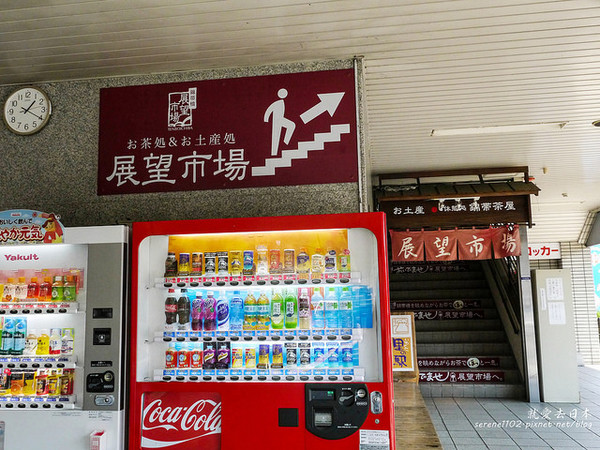
Being located above the bus stop was such a relief for a starving traveler – food as soon as you get off the bus.
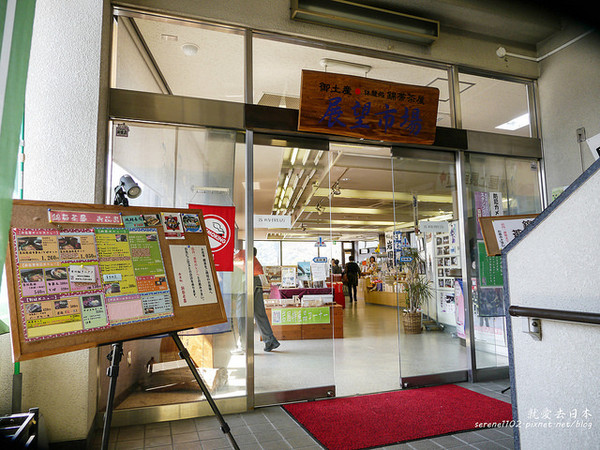
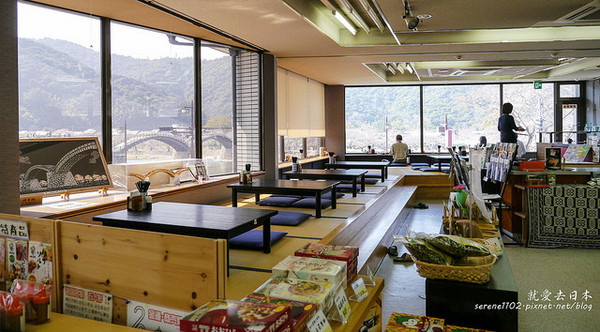
As expected, once inside, it turned out to be a great restaurant with a beautiful view of Kintai Bridge. But all the seats were tatami mats, which made me worry about whether my socks had any holes. (Is that worry too ridiculous?)
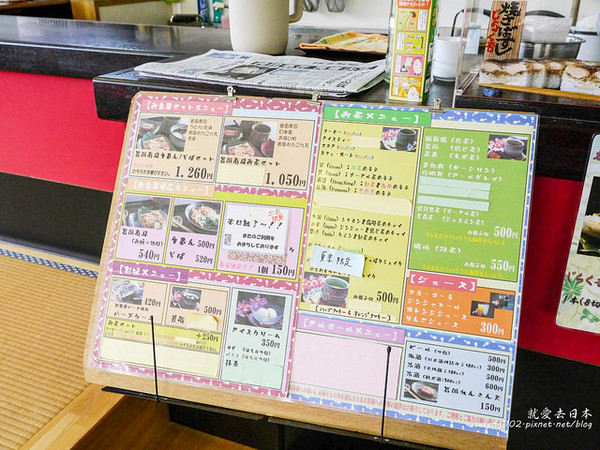
There weren’t many choices yet, with both noodle mains and desserts/drinks available, but I was here for the Kikkou sushi, after all!! (Who wouldn’t be?) Soon, my friend and I each ordered the menu items on the top left – 1,260 yen and 500 yen respectively.

The best thing about eating here is, of course, enjoying the scenery while you dine, and the prices aren’t any higher than elsewhere, so it’s really great value.
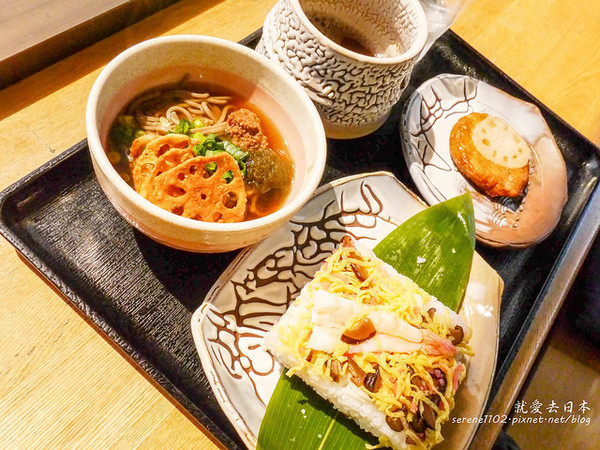
The 1,260-yen set came with a slice of grilled salmon, pickled radish, tamagoyaki (Japanese rolled omelet), and a piece of grilled fish cake.

The 500-yen set came with a slice of grilled salmon, pickled radish, green beans, and a piece of grilled fish cake. For me, this option was a bit less exciting.
Kikkou sushi is made with vinegar-flavored rice, topped with a shrimp, scrambled egg strips, shiitake mushrooms, salmon flakes, and fish cake, with a base of shiso leaf underneath.
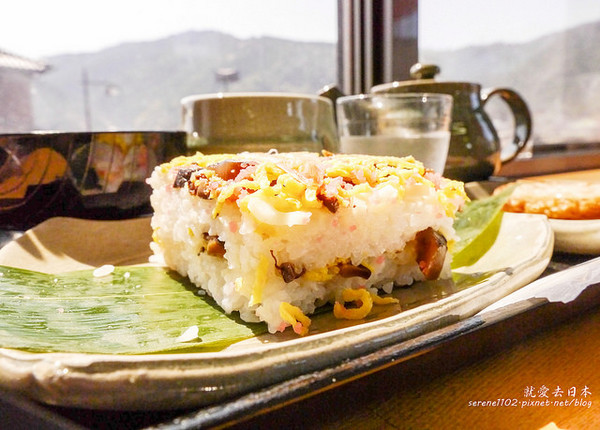
It really looks quite tall from the side. About 400 years ago, a local sushi chef received an order from the feudal lord to prepare sushi for hundreds of people. Due to water shortages and lack of manpower, making regular sushi for so many wasn’t feasible – and failure could mean execution. After much thought, he came up with the idea of using wooden boxes to hold the vinegar rice, layering the toppings, then pressing the box down (the traditional method involved actually stepping on the box), and finally slicing it into individual servings.
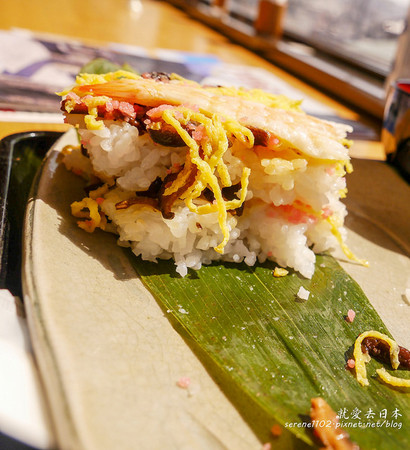
This technique is also seen in Osaka’s hakozushi (box sushi) and Nara’s kakinoha sushi (persimmon leaf sushi), where the rice is similarly compressed, though those usually only have cured fish on top, which can often be quite fishy. Kikkou sushi uses cooked shrimp instead of cured fish, along with other varied fillings, resulting in a richer, more flavorful taste without the fishiness – even those who don’t like raw fish can enjoy it.
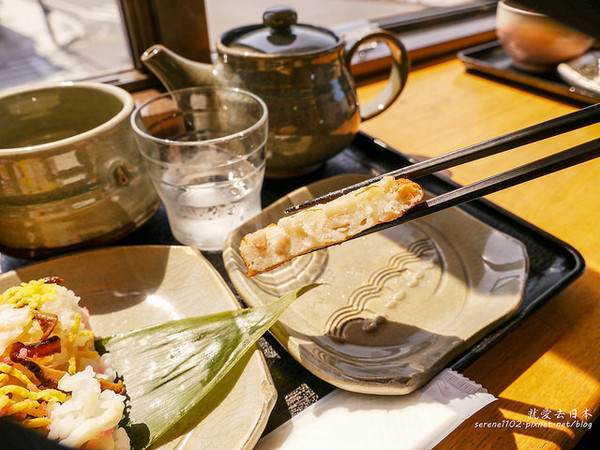
The lotus root tempura is thick, about 1 cm, and besides the batter, it includes chopped lotus root for added texture.
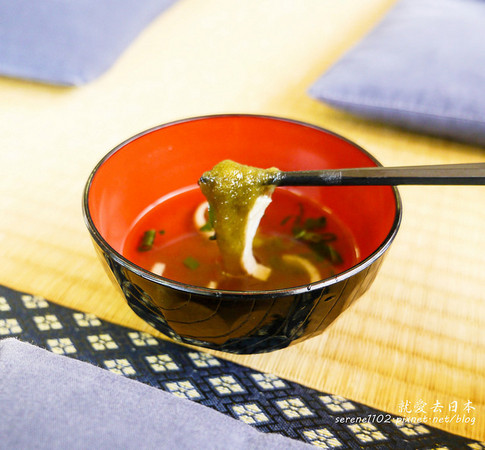
The seaweed in the soup was slimy when scooped out, and tasted just smooth and plain with no particular flavor.
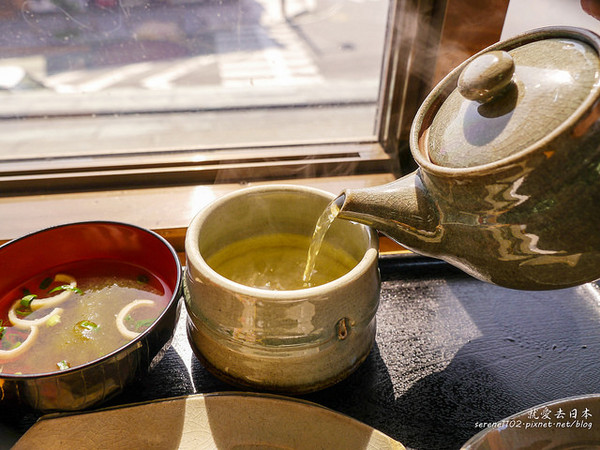
The tea was just tea. (Such an irresponsible description)
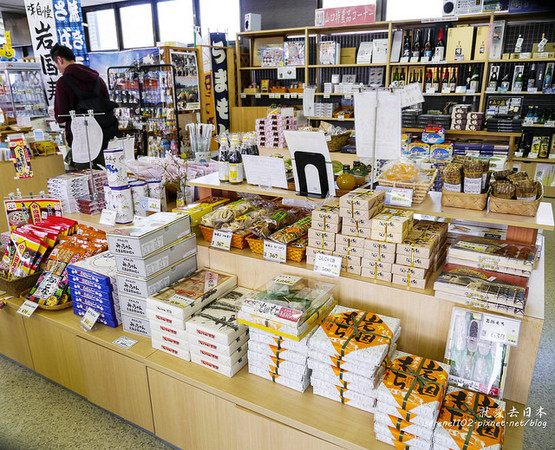
After eating, you can browse the souvenir shop, which is full of Iwakuni specialties – various cookies, savory snacks, and pickles that are all unique and tempting.

There are also plenty of local sake varieties to buy.
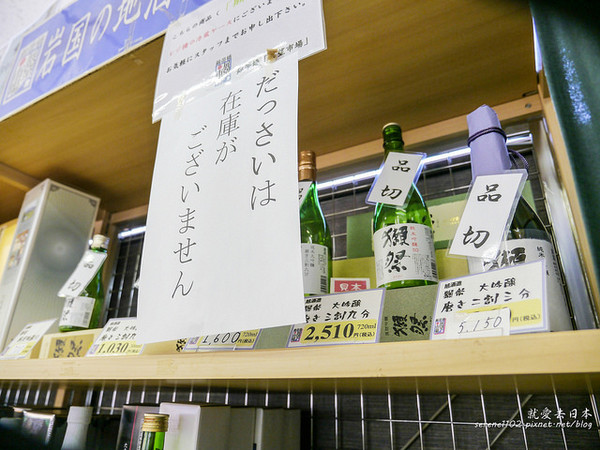
I was sad to see that Dassai, which is sold out everywhere in Yamaguchi Prefecture, wasn’t available here either.
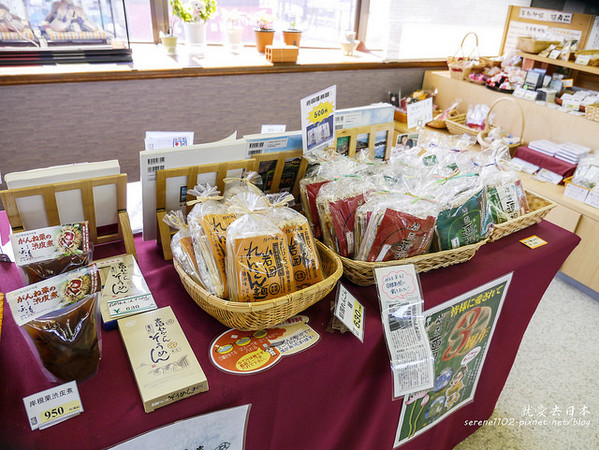
They make lotus root noodles by mixing flour with lotus root, but since lotus root itself doesn’t have much flavor, I doubt these noodles would taste very special either.
【Kintai Chaya (Kintai Tea House)】http://www.tenboichiba.com/
Address: 2F, Kintai Bridge Bus Stop, 1-1-42 Iwakuni, Iwakuni City, Yamaguchi
Phone: 0827-43-3630
Business Hours: 9:30–17:00 (Sep–Mar) / 9:30–18:00 (Apr–Aug), no fixed days off.
Location Guide: 2F, Kintai Bridge Bus Stop
Share
This article is published by HowToTrip. Sharing and reposting are welcome — please credit the source.
Article URL: https://www.howtotrip.net/views-22091
Related Articles
- Shaoxing's "Grandpa Gourd" hangs the gourds back up: "If there are too many people, we'll interact less — just take a quick look from afar"
- Chinese authorities announce "reciprocal adjustment" to Japan visa fees — single-entry visa jumps from 2,250 to 16,750 yen!
- The "health stones" carried by a traveler were found to have radiation levels exceeding safety limits by a thousand times, potentially endangering fellow passengers on the same flight. Customs issues warning!
- Shenzhen Airport Issues Late-Night Notice: Unidentified Aerial Object Detected, Causing Widespread Flight Delays!
- “They only said it cost money after I opened the box and washed it!” 200g of grapes sold for 60 yuan on a high-speed train—12306 responds!
- Can't buy an airline ticket? Denied exit? Blocked from boarding? A large number of Chinese tourists have mysteriously become "discredited individuals"
- Adverse weather and economic fluctuations impact Colombia's coffee market
- Beach bathing area responds to 2 yuan/30 seconds fee for freshwater foot rinsing: Clearly priced!
- Taking off with an improperly closed cabin door? Wing malfunction? Multiple flights made emergency returns mid-journey!
- Experience the gifts of nature! A countdown of the world’s ten most stunning coastlines