"Japan's Last Pristine River" – The Shimanto River, Best Explored by Bicycle
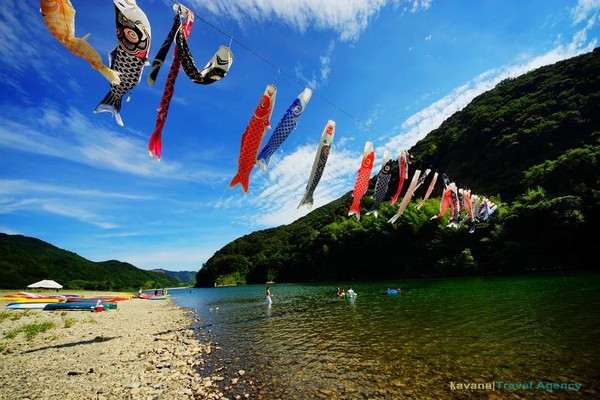
Photos and Text byKavanah
Located in western Kochi Prefecture, the Shimanto River is the longest river on Shikoku and the second-largest in terms of drainage area. Stretching 196 kilometers, it is known as "Japan's Last Pristine River." It is also recognized as one of the "Three Great Clear Streams of Japan," a "Selection of 100 Famous Waters," and part of the "100 Hidden Gems of Japan." The river’s 47 sunken bridges are another iconic sight, designated as a Tangible Cultural Property of Kochi Prefecture in 1993 and protected by the government.
For those who love traveling in Japan, the Shimanto River (四万十川) is a legendary destination. Its azure waters, stunning scenery, and the boost from the Japanese drama "Late Bloomer Sunflowers" make it a highly coveted spot. However, its remote location means visitors from Taiwan are relatively few, as it takes over two hours to reach from nearby tourist hubs like Kochi or Matsuyama on Shikoku.
In February 2012 (two years ago), I had planned a Shikoku castle tour featuring the legendary Ryoma Sakamoto and hoped to visit the long-dreamed-of Shimanto River. But due to time constraints, I had to give it up—my biggest regret from that trip. Last July (2013), while attending the Setouchi Triennale art festival, I revisited Shikoku and made sure to allocate ample time to finally explore the Shimanto River and fulfill my wish.
(Viewing Note: This post contains many photos, including some of legendary brilliance—please beware!)
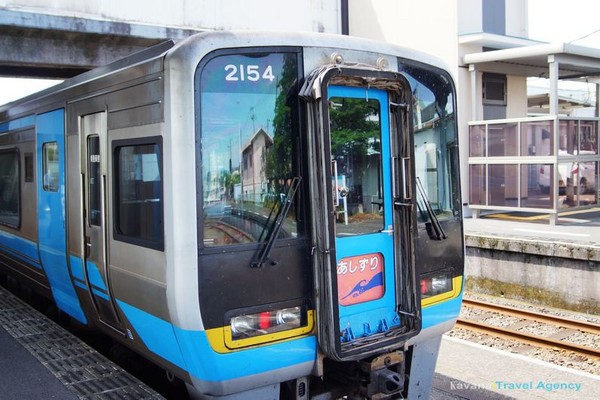
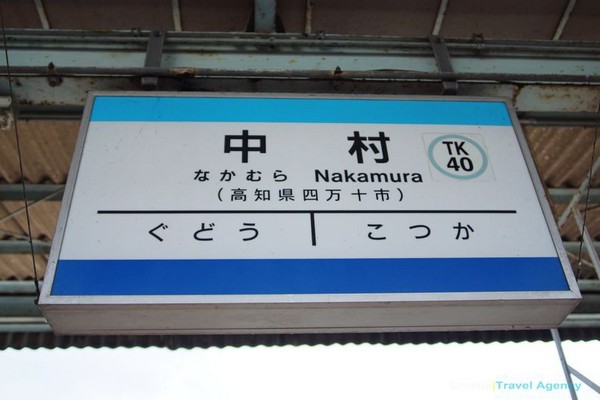
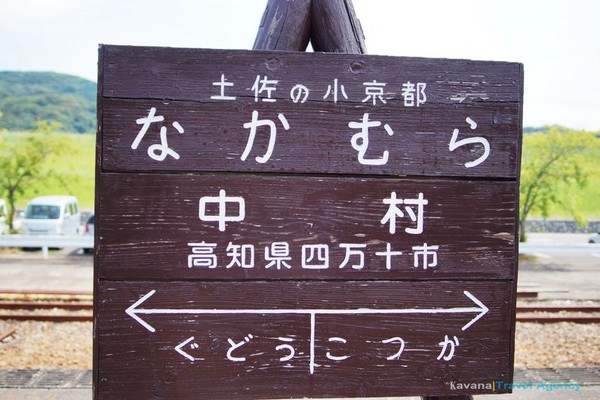
That morning, we took the Limited Express Shimanto No. 1 from Kochi and arrived at the Shimanto River’s gateway, Nakamura in Kochi Prefecture, after a 44-minute ride. The area was once a refuge for the Kyoto noble family Ichijō during wartime. They redesigned Nakamura based on Kyoto’s urban planning, earning it the nickname "Little Kyoto of Tosa."
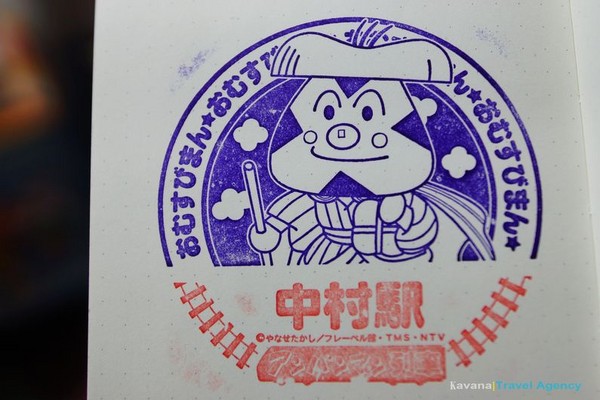
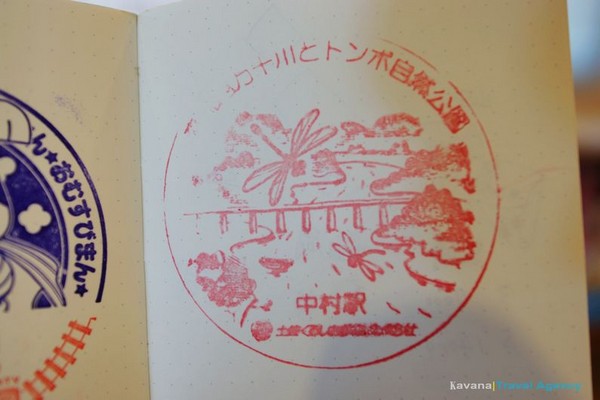
Many JR stations in Shikoku have stamp-collecting campaigns featuring Anpanman, but I could never figure out where to buy the official stamp books, so I ended up stamping on paper… After three trips to Shikoku, I’ve wasted so many stamp opportunities!! (Can someone tell me where to buy Anpanman stamp books?! Every time I see kids stamping with their little books, I want to snatch them away!)
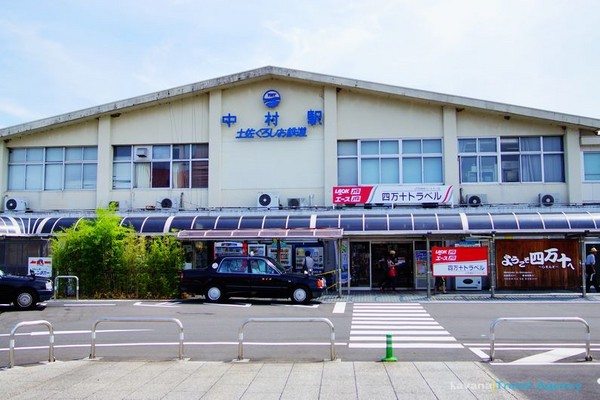
The exterior of Nakamura Station. Nakamura serves as the gateway to the Shimanto River, with many visitors starting their exploration here.
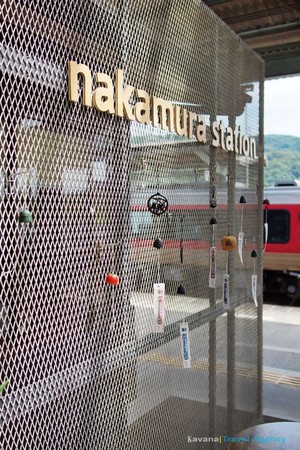
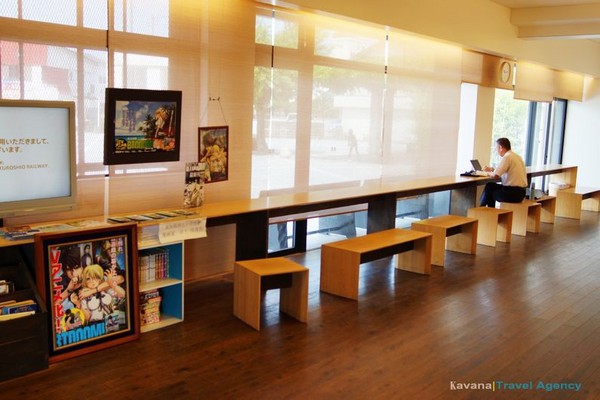
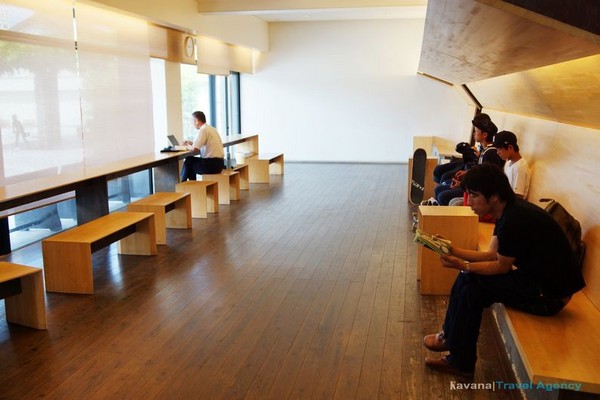
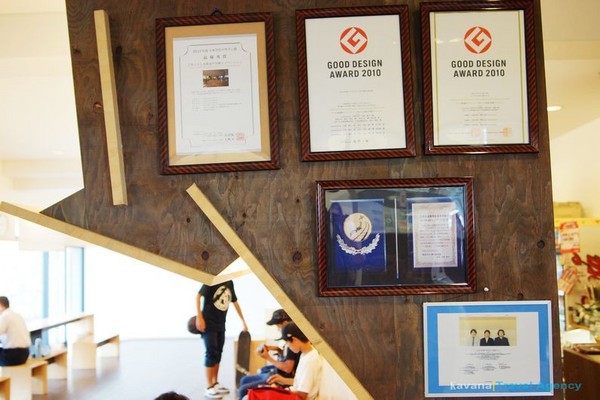
Though an old building, Nakamura Station’s passenger waiting room features a renovated facility that won a design award.
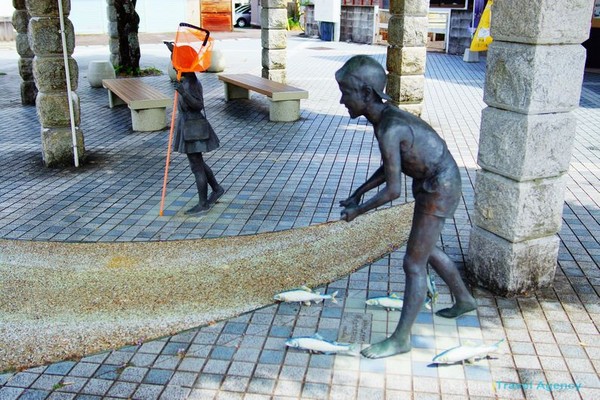
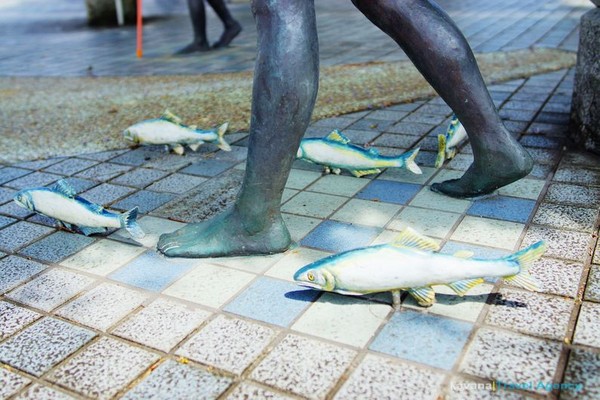
A sculpture in front of the station—depicting the clear stream, sweetfish, and children playing in the water.
Seeing these made us feel, "Ah~ we’re really at the Shimanto River now!"
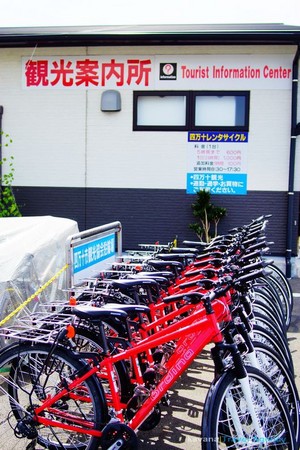
Following signs and a map, we found the tourist information center, located a short walk (10 minutes) from the station.
There are many ways to explore the Shimanto River: by car, bus, or bicycle. But I’ve always associated the Shimanto River with bicycles. Isn’t a bike ride the perfect way to experience it? After actually cycling through, I can confirm this idea is spot-on!! Cycling allows you to leisurely soak in the scenery at your own pace—it’s fantastic (though not ideal in scorching summer heat, like the 35–36°C day we rode in, which was almost unbearable). On such hot days, renting a car might be better. As for bus tours, I don’t recommend them—the intervals are long, and you can’t visit many spots in a day. Plus, you’re stuck admiring the scenery just through the bus window, which feels a bit of a waste.
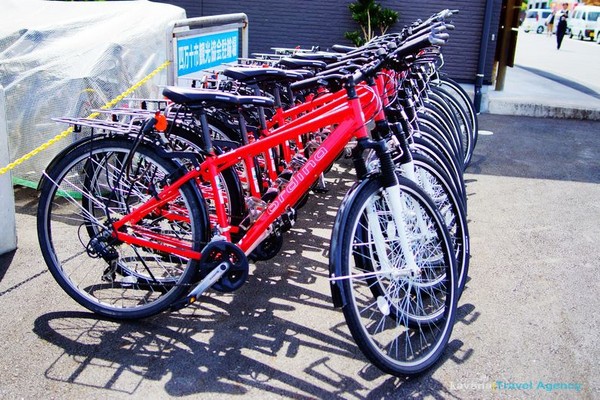
Rental bikes include ladies’ models and multi-speed mountain bikes. Given the many uphill sections, I strongly recommend the mountain bike to save energy (I can’t imagine how anyone rides a ladies’ bike up those slopes).
Rental prices—I recall the ladies’ bike was 600 yen for five hours, and the mountain bike was 1,000 yen for three hours.
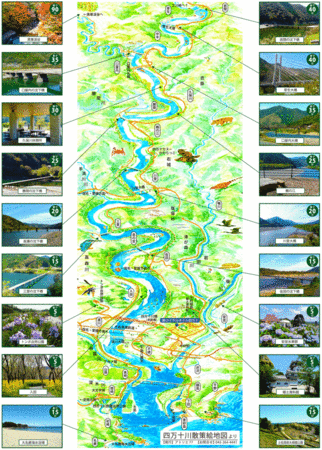
Shimanto River touring map, sourced from http://www.nrh-shimanto.co.jp/tizi1.htm
Our plan for the day was to cycle north along the Shimanto River. First, we rented bikes at the info center. The staff advised that we wouldn’t have time to visit all the major spots (my original plan was to reach the Iwama Sunken Bridge—which you can see at the very top of this map… even by car, it’s a 40-minute drive!). They suggested riding to the Kachiman Sunken Bridge instead. After getting the map and asking about the route, we were ready to set off.
Before departure, there was a small issue—one of our companions didn’t know how to ride a bike. We prepared for the worst, thinking she’d have to wait at Nakamura Station while we rode. But luckily, after ten minutes of practice, she got the hang of it and avoided being left behind.
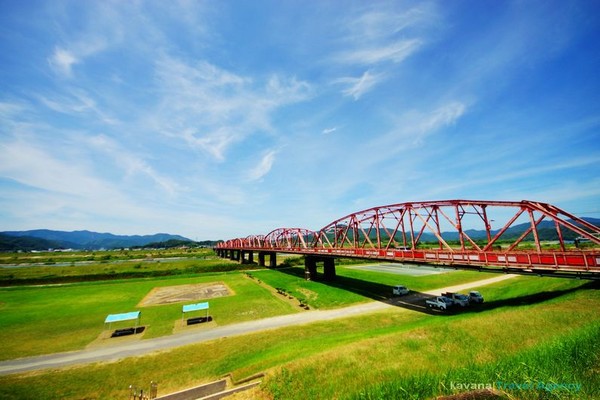
After buying water at a convenience store, we followed the map and slowly left Nakamura town, heading toward the Shimanto River. About fifteen minutes later, a bright red iron bridge appeared before us.
This is the "Shimanto River Bridge," with the Shimanto River flowing beneath it.
At the sight of this iron bridge, one of our friends immediately went full fangirl mode, singing and dancing with excitement. Turns out, this bridge was one of the filming locations for "Late Bloomer Sunflowers"—no wonder everyone got so giddy and started taking photos and jumping around.
But for me, who hadn’t seen the drama, my inner thought was:
Isn’t this just like the Xiluo Bridge?
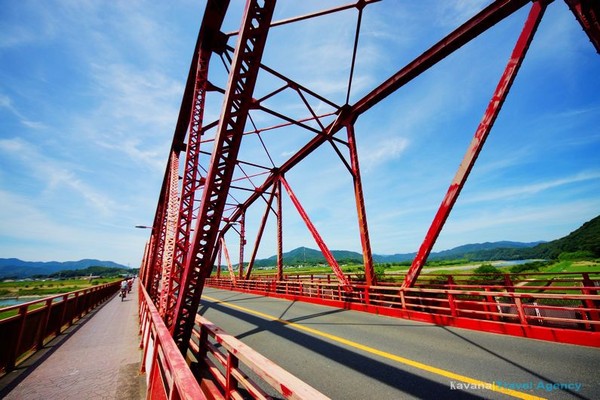
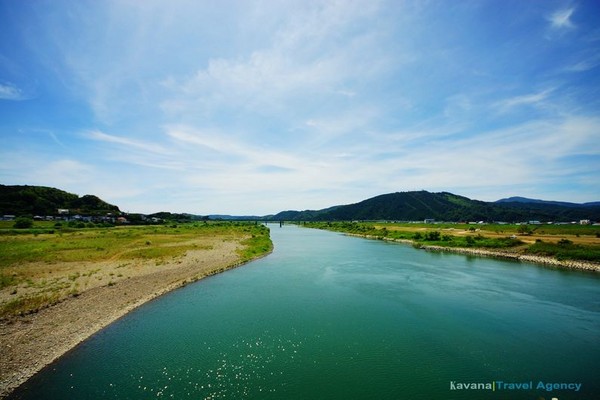
Looking at the Shimanto River from the bridge, you can see sunken bridges in the distance. Those short on time might consider just exploring around the Shimanto River Bridge.
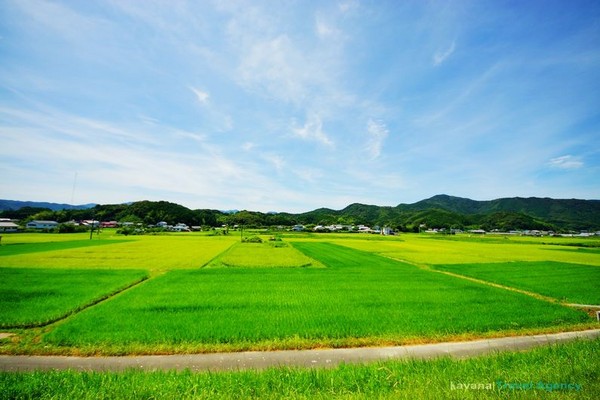
After crossing the Shimanto River Bridge, we cycled north along the embankment road. Enjoying the beautiful scenery and the gentle breeze—it was truly wonderful.
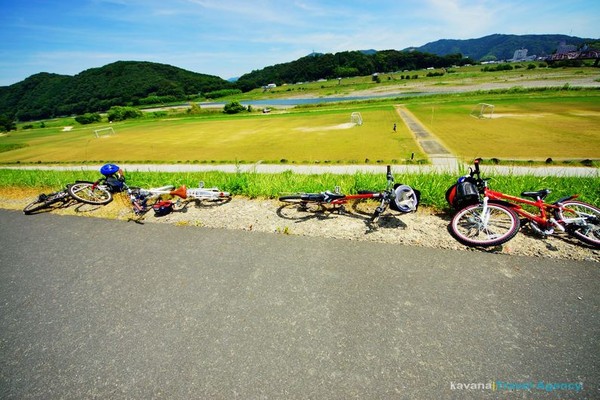
The advantage of cycling is that you can stop anytime you want. We stopped like this because the slope near the embankment was a bit steep, and we were worried the bikes might slide, so we just lay them flat on the ground.
Scenes along the way~
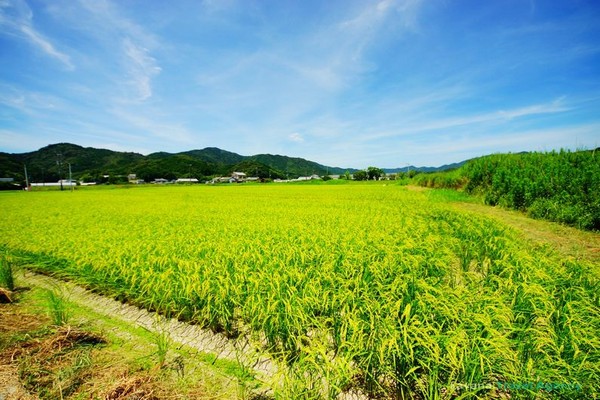
I couldn't resist getting off my bike to mimic Takeshi Kaneshiro's pose in front of a rice field heavy with crops..... Just a heads-up — that’s me, not Takeshi Kaneshiro (though you probably didn’t need the reminder)!
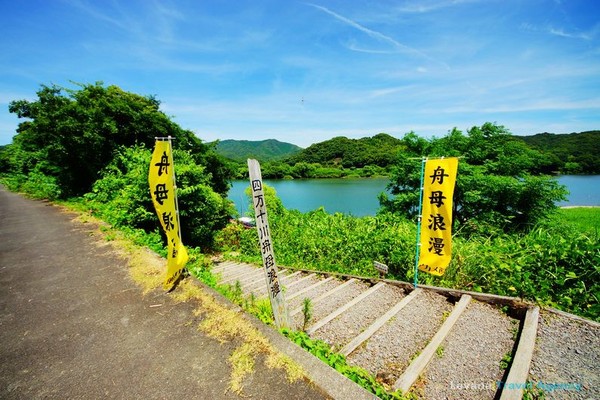
Taking a boat ride along the Shimanto River is also a fantastic way to enjoy the scenery here (now I kind of regret not doing it at the time — the view from the boat is absolutely stunning)!
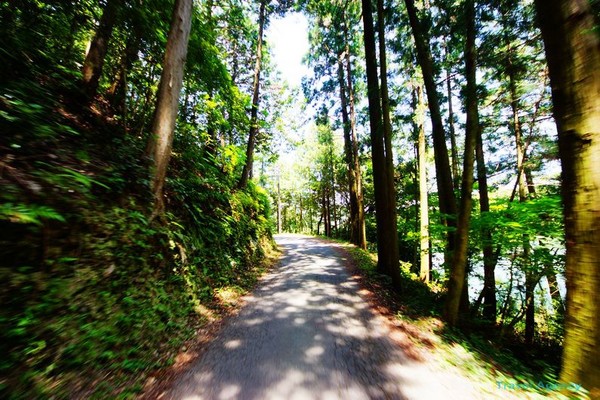
Time to climb uphill — Up we go!! Now shaded by the trees, it feels much cooler!
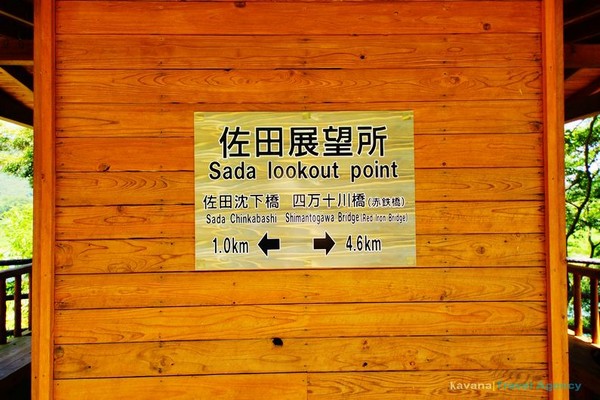
After riding for just over half an hour, we spotted the Sata Lookout. Seeing the Sata Lookout meant our first sunken bridge, the Sata Sunken Bridge, was just up ahead — Up!!
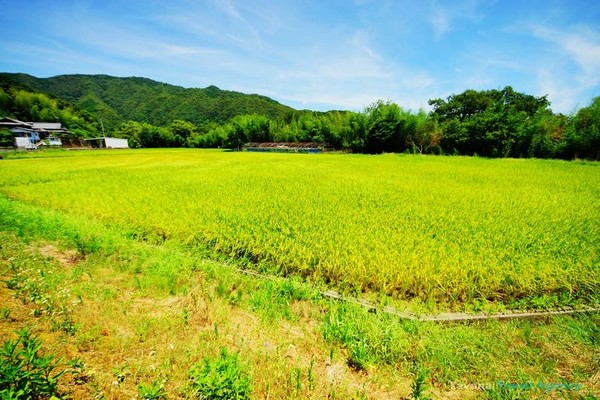
The scenery along the way was gorgeous. When we passed this particular rice field, a gust of wind blew through, making the rice stalks dance — it was truly beautiful!
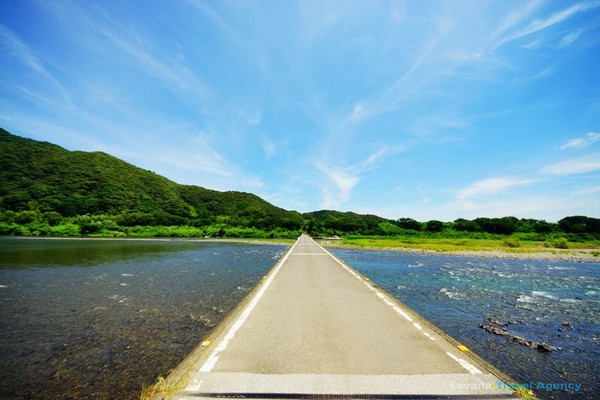
Another ten minutes or so of cycling later, we arrived at our first sunken bridge — the “Sata Sunken Bridge”! Finally seeing a sunken bridge, something I’d only ever seen on TV or in books, was incredibly moving!!!
This sunken bridge has no guardrails. It’s said that because the Shimanto River frequently experiences flooding, bridges like this one are designed without railings so floodwaters can pass through unobstructed. This helps prevent blockages in the flow and also better maintains the bridge structure.
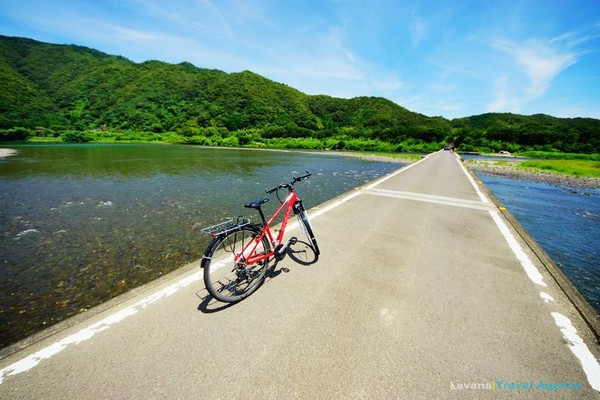
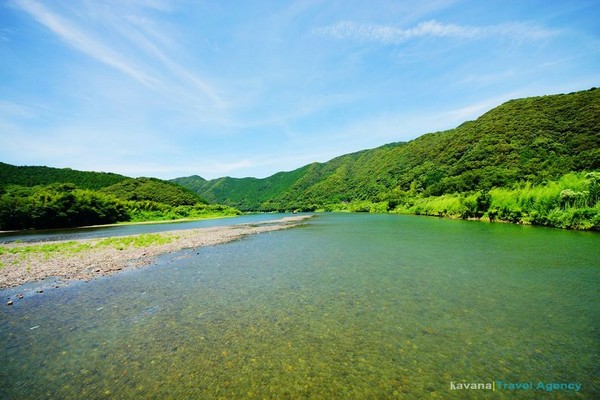
The water of the Shimanto River is truly crystal clear!! I could truly feel what the phrase “clear enough to see the bottom” really means~
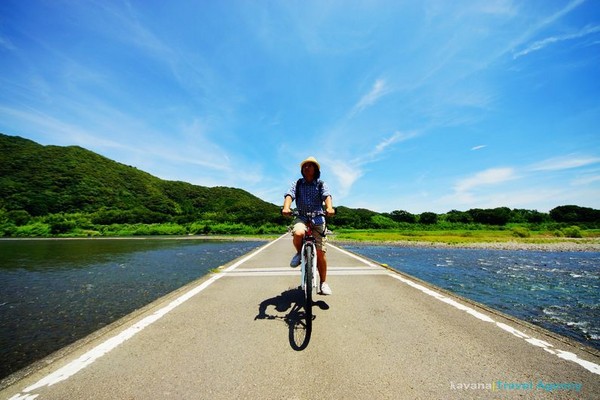
The beautiful sunken bridge and the clear stream made me want to take some idol-drama-style photos. Just a reminder — that’s me, not Toma Ikuta (nobody actually mistook me for him).
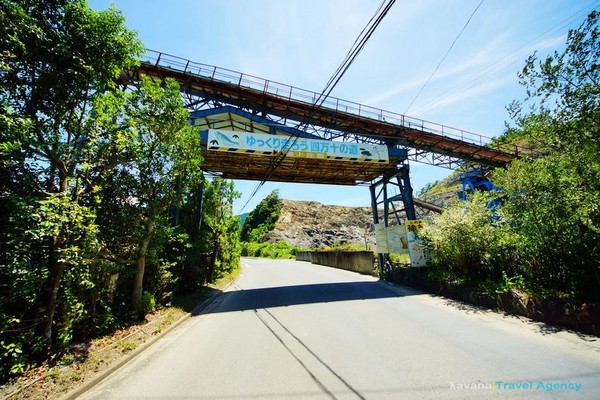
Leaving the Sata Sunken Bridge, we continued on toward the Sanri Sunken Bridge!! The road to the Sanri Sunken Bridge was all uphill!! The slope was steep and the journey was extremely tough!! As I pedaled, I started wondering if I had taken the wrong route (because we were climbing higher and getting farther from the river). Eventually, I decided not to turn back and kept pushing forward with great anxiety, fearing I’d wasted all that effort climbing this long uphill stretch.
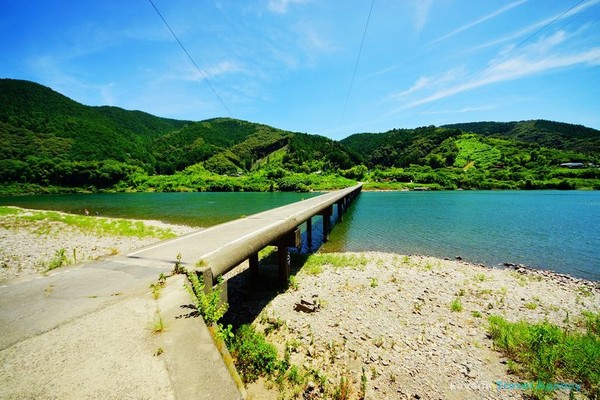
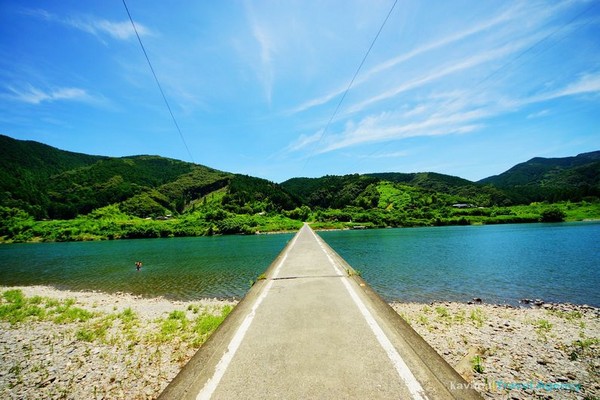
Finally, finally, after going through what felt like an Ironman-level challenge, we finally saw the Sanri Sunken Bridge!! So touching!!
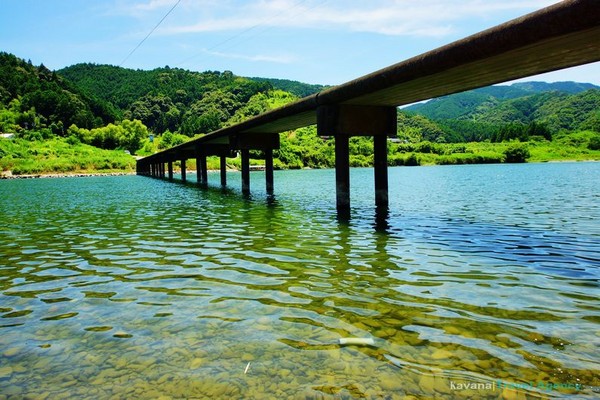
It’s said that the Shimanto River, including its tributaries, has a total of 47 sunken bridges. Most look quite similar in style, with the main difference being their lengths!
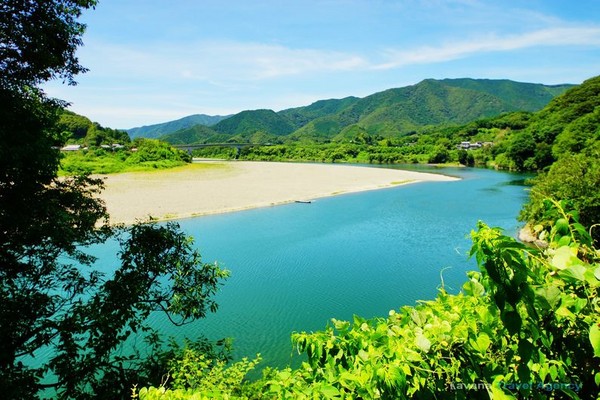
In the distance, crossing the Shimanto River, is the Kawanobori Bridge.
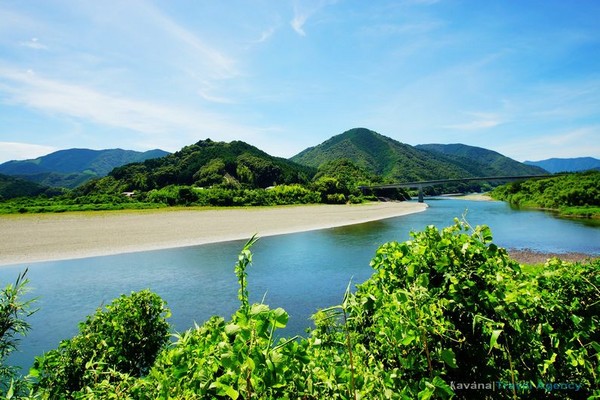
The scenery along the way was incredibly beautiful!! But wow, it was seriously scorching hot!! The temperature was over 36°C, and after cycling such a long way, it was almost unbearable!! The views were lovely, but I was gradually losing the heart to appreciate them~
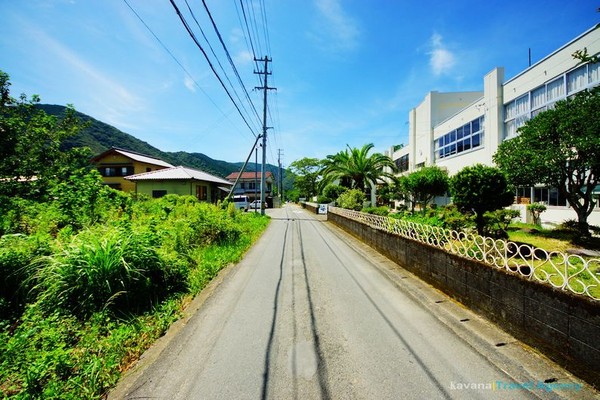
Thinking back now, I can’t believe how we managed to keep cycling through that small town we passed — we were pretty crazy to push through like that!
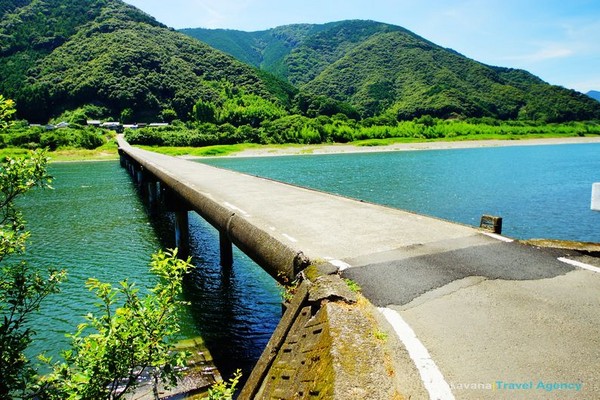
After nearly another half hour of cycling, we finally reached the third sunken bridge: the Takase Sunken Bridge.
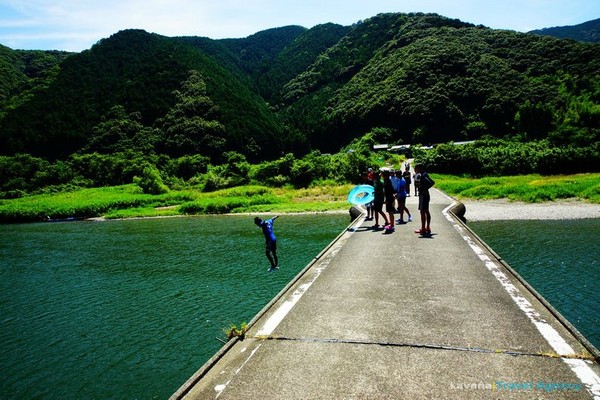
Just then, a group of junior high school students playing in the river jumped off the bridge into the water!! Oh my gosh!! That was amazing!!!!!!
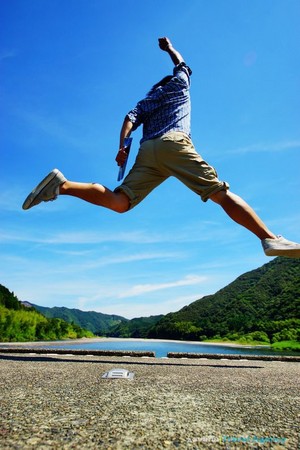
So I immediately did the same thing.... and jumped...
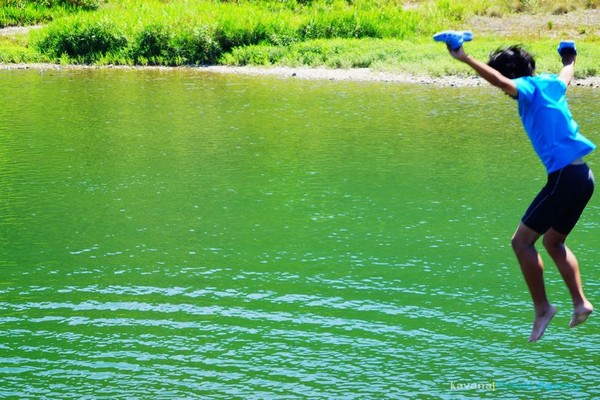
...into the water (though our body types were totally different — no one would’ve believed it was the same jump!)
I really, really wanted to jump in!!!! It was just so hot!! But I didn’t want to ride all the way back to Nakamura completely soaked!!
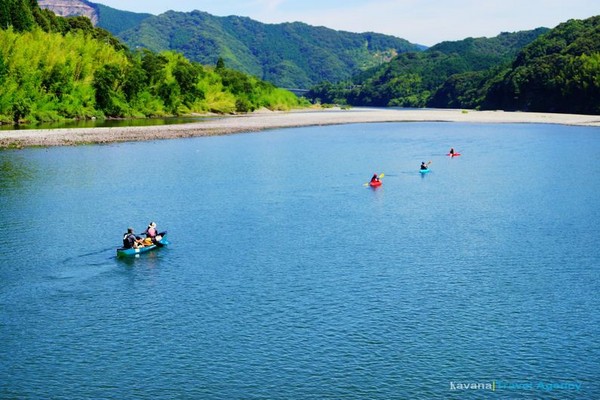
Paddling a canoe to explore seems even more poetic and picturesque~
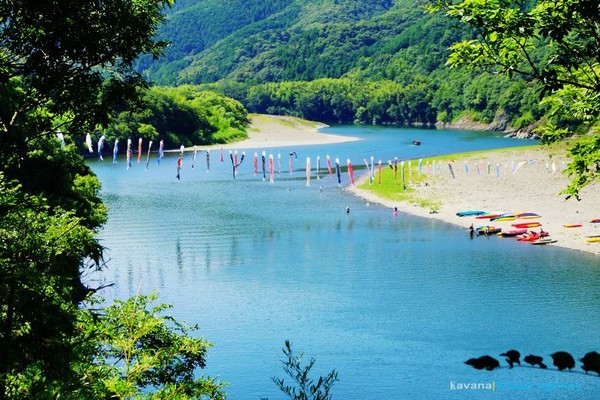
On the way from the Takase Sunken Bridge to the Kachiman Sunken Bridge, we spotted carp streamers stretching across the Shimanto River!! It’s said this was also a filming spot for the drama “Late-Blooming Sunflowers”!
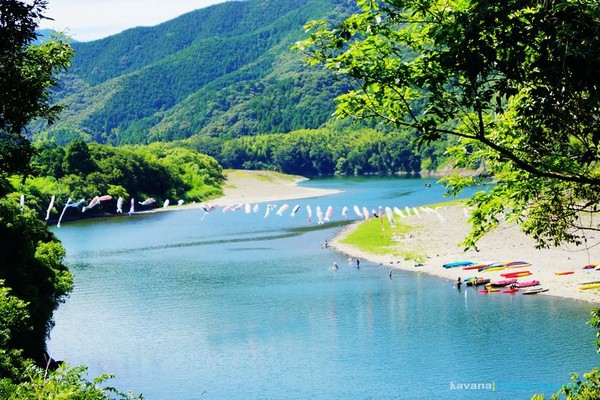
I think that drama must be really good, because the normally listless aunties around us suddenly started dancing with joy when they saw the carp streamers....
Since we were on the left bank of the Shimanto River at the time — and the left bank is at a higher elevation — we had to get to the right bank to get a closer look at the carp streamers. We decided to circle around for now and check it out on our way back when we’d be on the right bank.
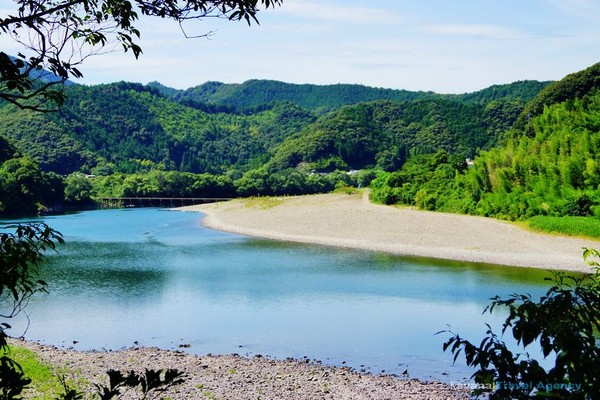
Finally, finally, FINALLY!!! We saw our destination — the Kachiman Sunken Bridge!!!!
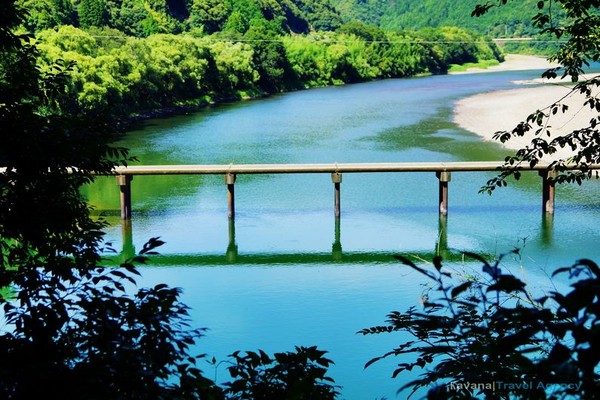
I really love this angle of the Kachiman Sunken Bridge~
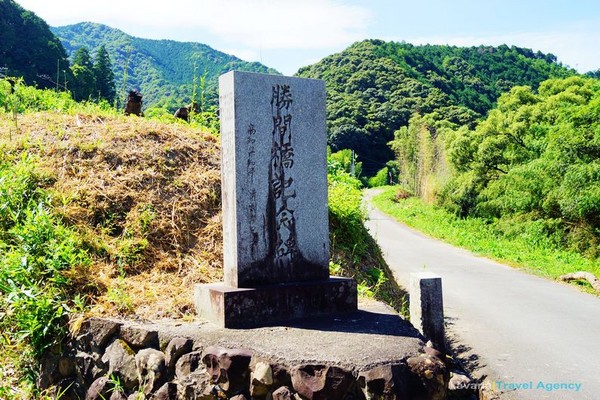
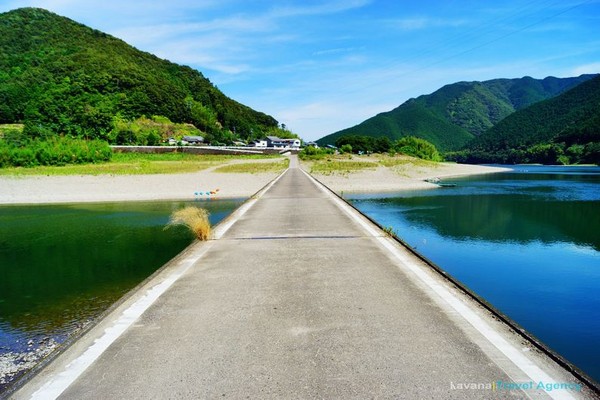
According to Google Maps, the distance from Nakamura to the Kachiman Sunken Bridge is about 20 kilometers!! Seeing this bridge made me really happy — because it meant we could finally turn around and head back!! (We still had to cycle another 20 km on the way back... In total, we actually cycled 40 km!!!!)
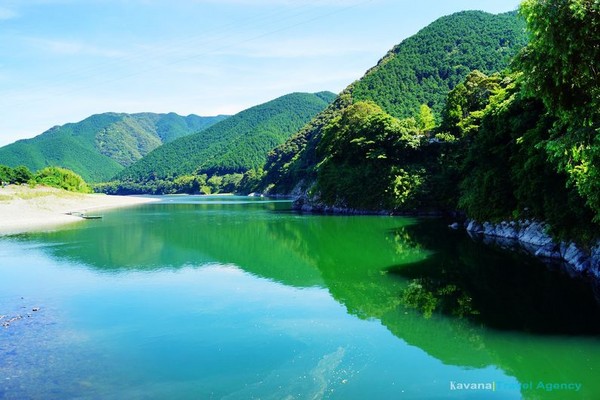
The scenery was truly beautiful — all that cycling was totally worth it!
It’s said that the most beautiful sunken bridge on the Shimanto River is the Iwama Sunken Bridge. Many posters of the Shimanto River feature it... but it’s just too far away!! There was no way we could visit it on this day...
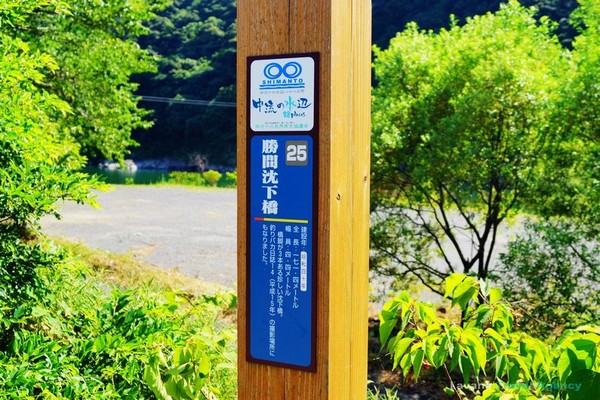
On the way back, we cycled along the right bank. To be honest, the right bank isn’t very bike-friendly — it’s better suited for driving. But since we wanted to see the carp streamers, we just kept pedaling downward!!
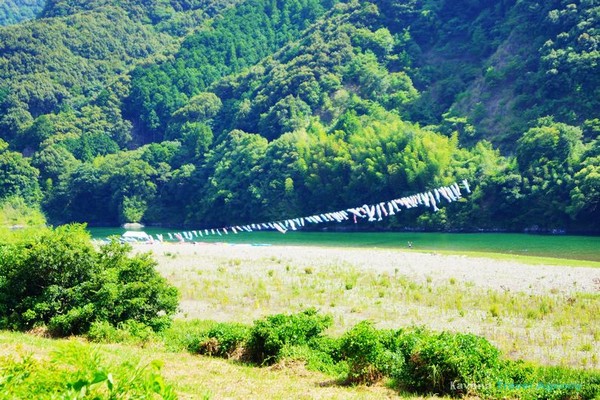
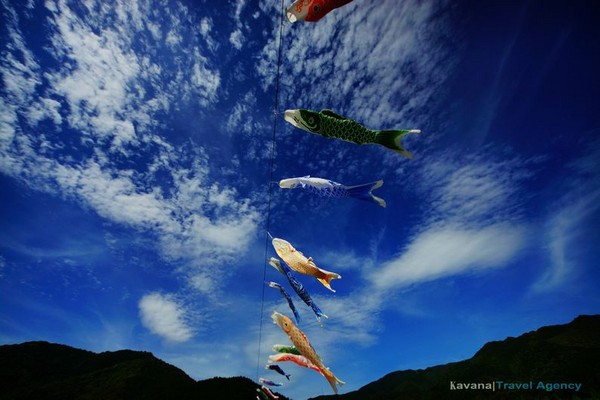
After twenty minutes of cycling, we finally spotted the carp streamers flying up high!
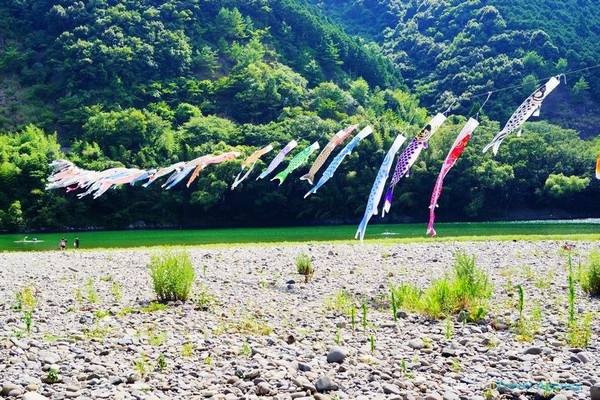
We parked our bikes and dashed toward the river!!!!!
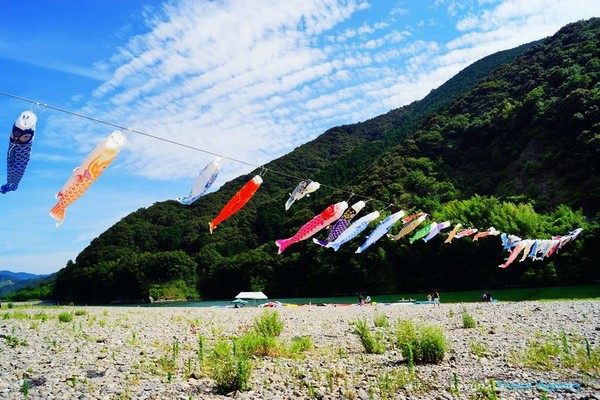
The carp streamers dancing in the sky under the blue sky and white clouds were truly so beautiful that they made us forget our fatigue!
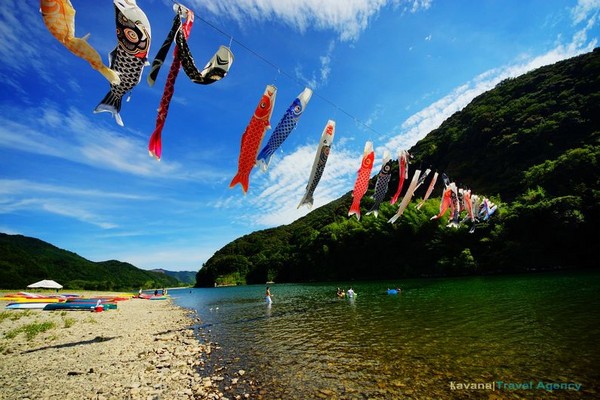
For Japanese people, families with boys hang carp streamers on their roofs on May 5th. It’s said that the reason carp streamers are hung here is because 40 years ago, former members of the local baseball team mentioned feeling a bit lonely after growing up and no longer seeing carp streamers... When the local residents heard about this, they started hanging carp streamers here so that boys who’ve grown up can still see the streamers flying in the sky. Over time, hanging carp streamers along the Shimanto River has become a tradition.
Next came the long, 20-kilometer ride back. One of our companions was exhausted and showed signs of heatstroke, so the other two stayed with her and cycled slowly... I, on the other hand, pedaled at full speed, flying all the way back to Nakamura!!! (Luckily, the ride back was mostly downhill!)
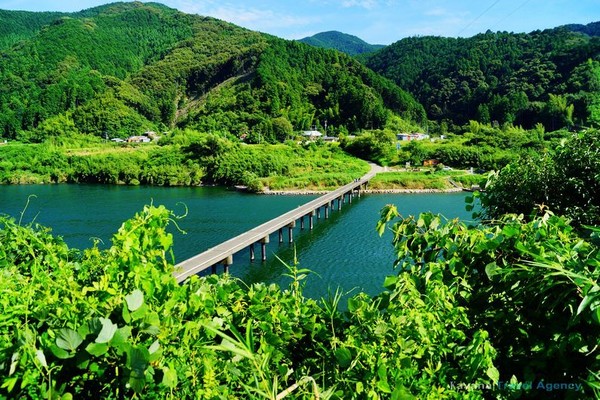
On the way back, we passed Sada Suspension Bridge. It felt like it had been ages since we rode by here at noon.....
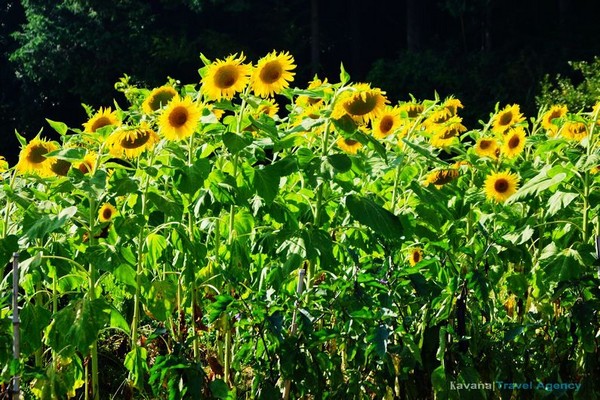
The sunflowers we saw near Nakamura!!! Wow!!!! There were actually sunflowers!!!!
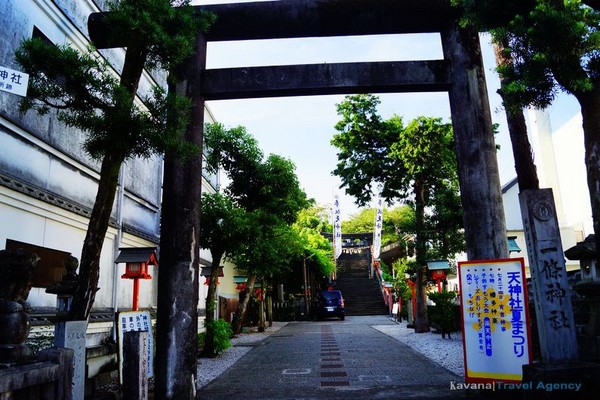
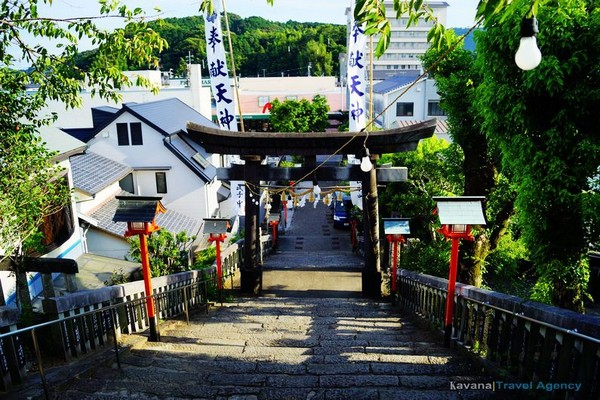
Since I’m into castles, after returning to Nakamura, I took a detour to visit Ichijō Shrine, which was built on the site of the former Nakamura Castle. The Ichijō family produced a famous Sengoku-period warlord—Ichijō Kanesada. I’m not sure if he offended the game company Koei or if he was really that weak, but in Nobunaga’s Ambition, his stats are shockingly low!!! That’s why he left such a deep impression on me!
Ichijō Kanesada was defeated by Chōsokabe Motochika in the Battle of the Shimanto River in July 1575 (the third year of Tenshō). He fled to the Seto Inland Sea and passed away ten years later in 1585. From then on, the Ichijō family lost control over Nakamura.
After leaving Ichijō Shrine, we saw many posters and petitions in the shopping street hoping for a sequel to the movie "Late Bloomer Sunflowers."
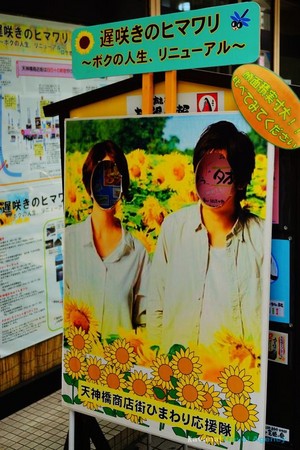
There were also life-sized cutouts where you could pose as the main characters.
We finally finished this 40-kilometer journey along the Shimanto River!!! The trip was not only long but also extremely hot—it was tough going for sure. But seeing the beautiful scenery made it all totally worth it. Even now, it remains a wonderful memory!
A second life begins in Kyoto.
Kavana @ Kyoto – Free Stay.
Share
This article is published by HowToTrip. Sharing and reposting are welcome — please credit the source.
Article URL: https://www.howtotrip.net/views-21433
Related Articles
- Shaoxing's "Grandpa Gourd" hangs the gourds back up: "If there are too many people, we'll interact less — just take a quick look from afar"
- Chinese authorities announce "reciprocal adjustment" to Japan visa fees — single-entry visa jumps from 2,250 to 16,750 yen!
- The "health stones" carried by a traveler were found to have radiation levels exceeding safety limits by a thousand times, potentially endangering fellow passengers on the same flight. Customs issues warning!
- Shenzhen Airport Issues Late-Night Notice: Unidentified Aerial Object Detected, Causing Widespread Flight Delays!
- “They only said it cost money after I opened the box and washed it!” 200g of grapes sold for 60 yuan on a high-speed train—12306 responds!
- Can't buy an airline ticket? Denied exit? Blocked from boarding? A large number of Chinese tourists have mysteriously become "discredited individuals"
- Adverse weather and economic fluctuations impact Colombia's coffee market
- Beach bathing area responds to 2 yuan/30 seconds fee for freshwater foot rinsing: Clearly priced!
- Taking off with an improperly closed cabin door? Wing malfunction? Multiple flights made emergency returns mid-journey!
- Experience the gifts of nature! A countdown of the world’s ten most stunning coastlines