Incheon’s “Foodie” Signature Beef Bone Soup – A Local Delicacy So Popular You Can’t Even Get a Seat on Weekdays
Text & Photos /A Newlywed in Korea
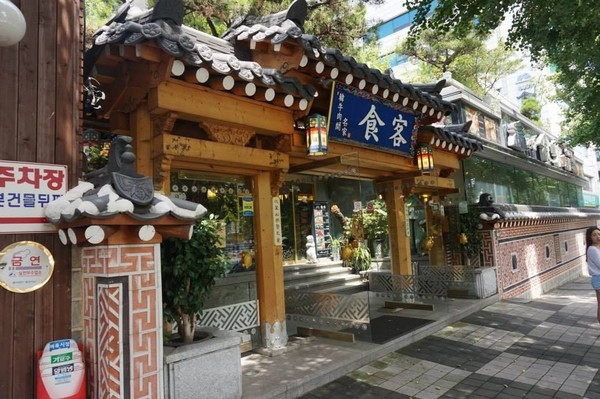
Located in Incheon, the Korean beef specialty restaurant Foodie is an immensely popular eatery in the city. Even during regular meal times on weekdays, it’s hard to get a seat, and on weekends, the place is packed with people waiting in long queues — most of them here for the signature beef bone soup.
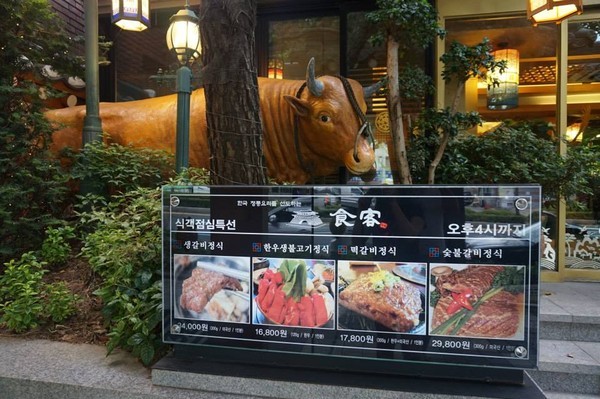
As soon as you step into the entrance, you’ll see a large, lifelike yellow ox at the front door. Its eyes are so vivid that they create the illusion of looking back at you.
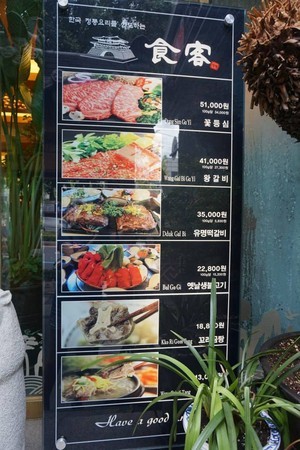
▲ The menu signboard erected at the entrance provides reference for diners.
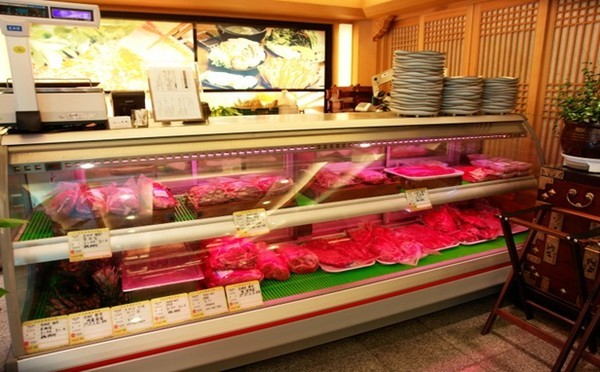
▲ (Photo from the internet) In many Korean beef specialty restaurants, there are large refrigerators where customers can choose their preferred cuts, which are then weighed and priced, and the staff will bring the sliced meat to your table.
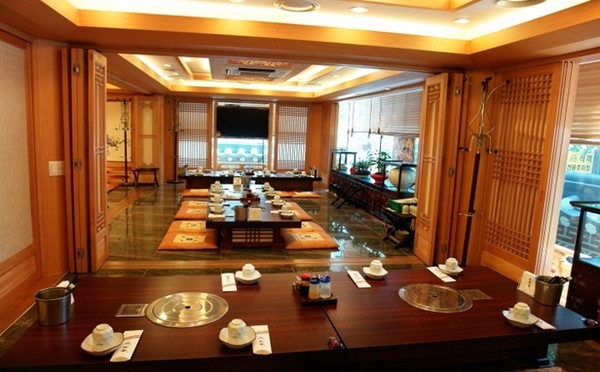
▲ (Photo from the internet) The restaurant offers both traditional floor seating and chairs for customers to choose from.
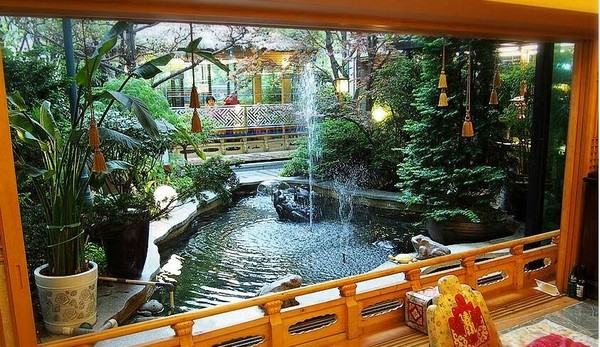
▲ (Photo from the internet) From indoors, you can also see the landscaped pond in the courtyard.
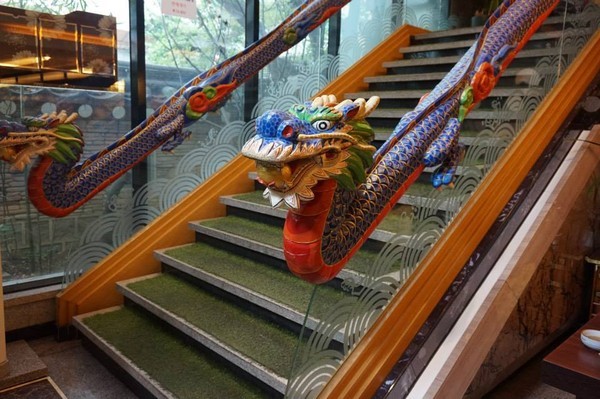
▲ The handrail leading to the second floor is designed in the shape of a dragon, which also symbolizes nobility and power in Korea.
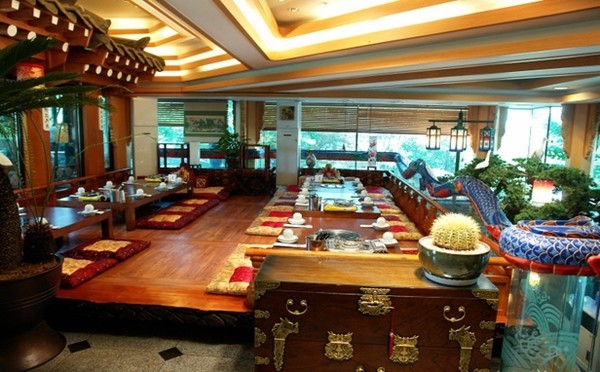
▲ Seating area on the second floor.
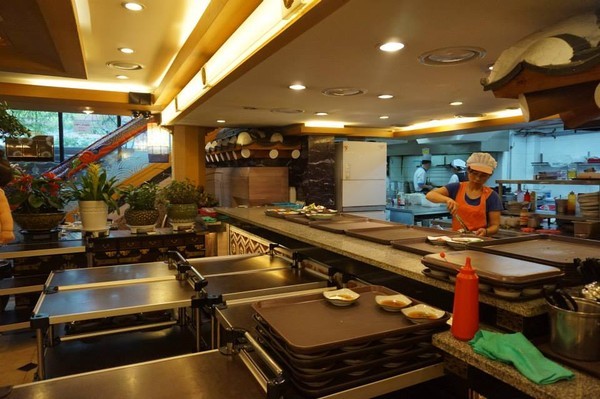
▲ The restaurant uses an open kitchen, allowing diners to see the chefs preparing meals, which adds to the sense of reassurance while eating.
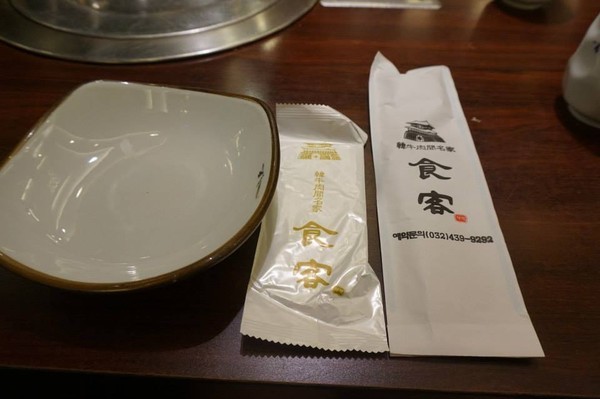
▲ Chopsticks and spoons are packaged in special paper bags, giving off a refined and clean impression.
In Korean dining culture, when you order a main dish, the restaurant usually provides several free side dishes. Some places even serve side dishes that are tastier than the main courses, making customers come specifically for the sides. Personally, I think the side dishes make all the difference. If a restaurant’s side dishes aren’t delicious, the main courses usually aren’t great either. The more authentic and flavorful the side dishes, the better — that’s the golden rule for winning customers’ hearts.
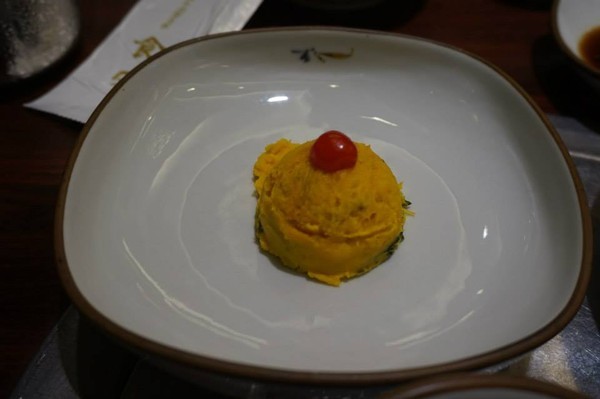
▲ Pumpkin salad. The steamed pumpkin is cooled but still retains a soft, fluffy texture — sweet without being cloying.
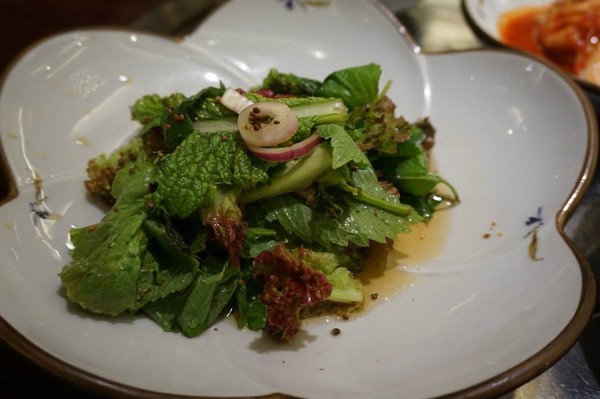
▲ Sesame leaf and lettuce salad. Based on chilled sesame leaves and lettuce, mixed with sour yuzu juice, the sweet and sour flavor pairs well with the subtle spiciness of the sesame leaves.
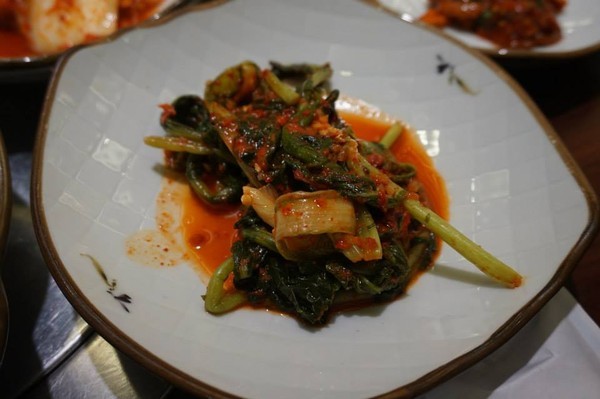
▲ Radish leaf kimchi. The radish leaves pickled with chili powder aren’t as bitter as expected — instead, they’re refreshing.
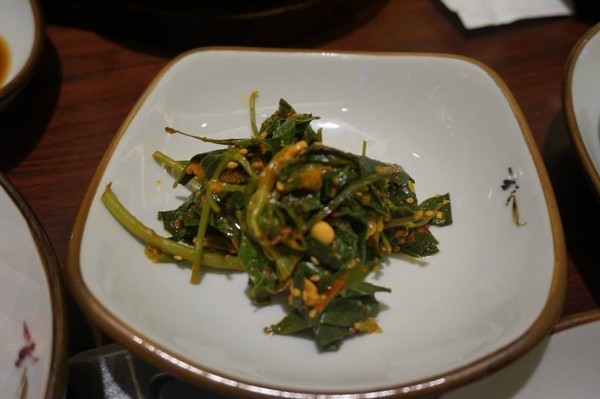
▲ Pickled vegetables. Vegetables pickled with rice bran retain their natural sweetness and crispness.
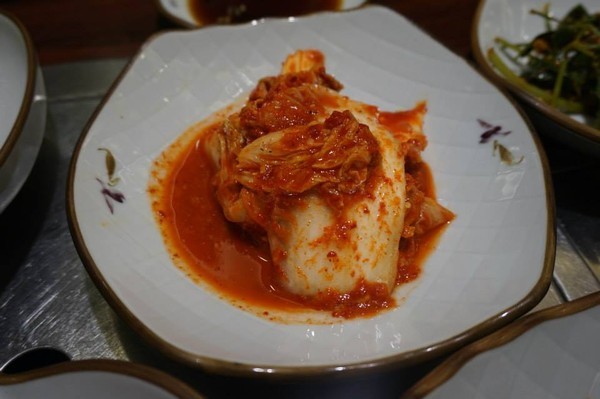
▲ Kimchi. Spicy yet slightly tangy, this kimchi is both tasty and pairs perfectly with rice.
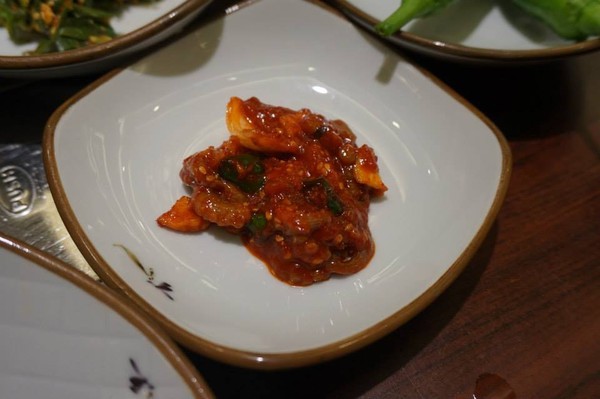
▲ Spicy pickled octopus. Made by marinating raw octopus with spicy sauce, it has a salty, fragrant, and chewy texture that gets more addictive the more you eat.
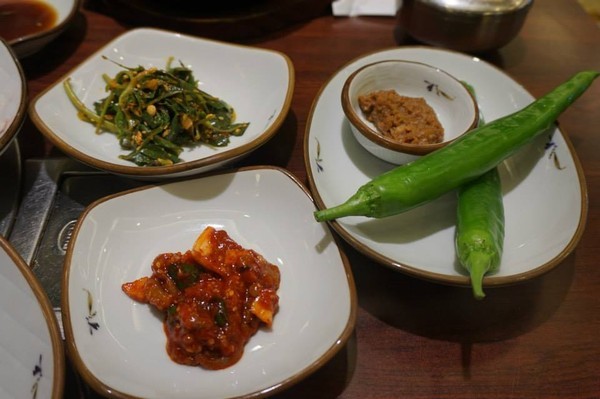
▲ Pair the green chili pepper on the right with the doenjang (Korean soybean paste) beside it — spicy with a hint of bitter saltiness, this is a favored Korean way of eating.
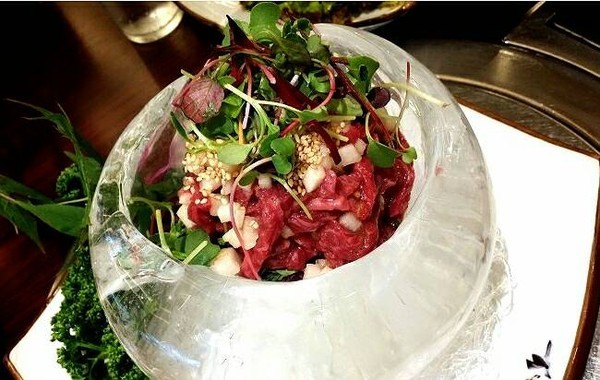
▲ (Photo from the internet) Beef tartare salad. The beef stored in an ice bowl remains chilled for a long time, keeping it fresh, tender, and elastic. The sweet aroma of the pear complements the beef, enhancing its umami.
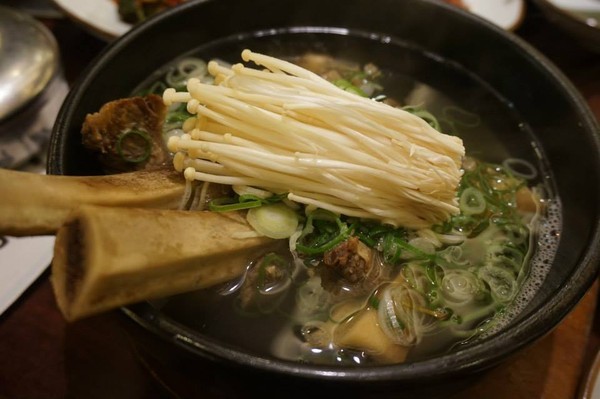
▲ Beef rib bone soup ┍8,900. This broth is simmered for hours, repeatedly filtered to remove impurities, and then stewed with various Chinese herbs, filling the air with an enticing aroma. The soup is richly sweet and mellow.
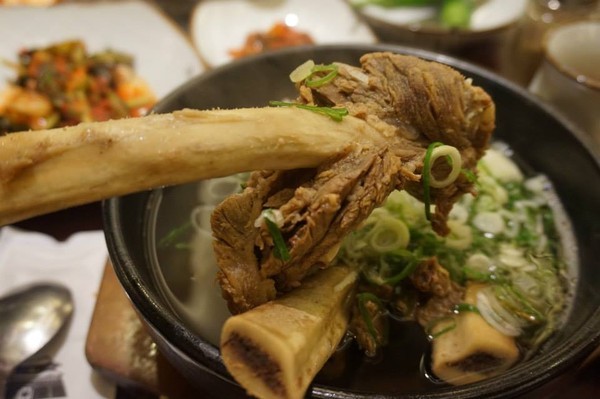
▲ The hearty, tender pieces of beef rib meat taste similar to bone marrow meat, but with even more elasticity and fragrance.
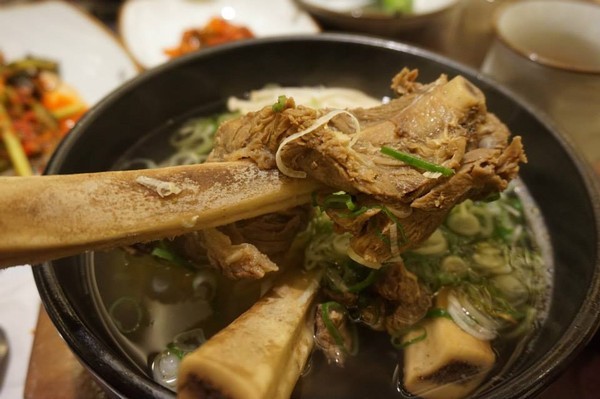
▲ After coming to Korea for over two years, this was my first time trying beef rib bone soup. There was so much meat that I was really full afterward — and I couldn’t even finish it all. This shows how generous the portions are. You truly get what you pay for — no cutting corners here.
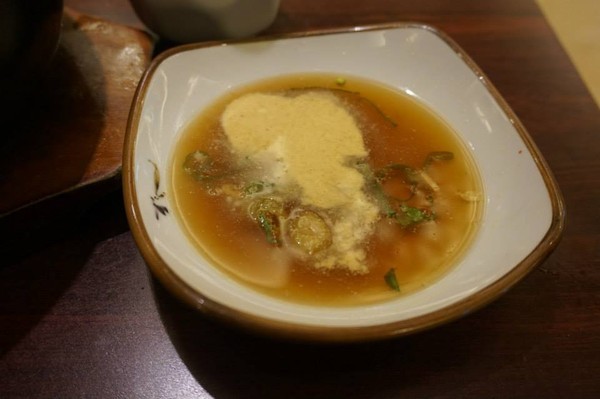
▲ Mix yellow mustard with soy sauce to dip the beef rib meat. It cuts through the richness and stimulates the appetite.
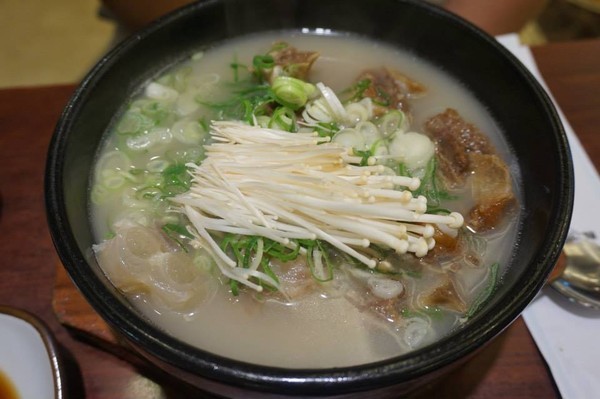
▲ Oxtail soup, packed with collagen. Compared to the refreshing beef rib bone soup, oxtail soup has a richer, more aromatic broth, somewhat similar to seolleongtang (Korean ox bone soup), but with a slight difference: due to the high collagen content, it can feel a bit greasy toward the end. This soup is recommended for those who prefer bold flavors.
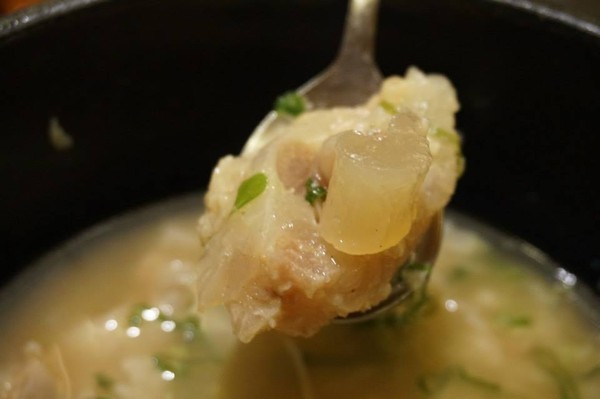
▲ The texture is similar to that of tender beef tendons — I kept having the illusion that I was eating beef tendons.
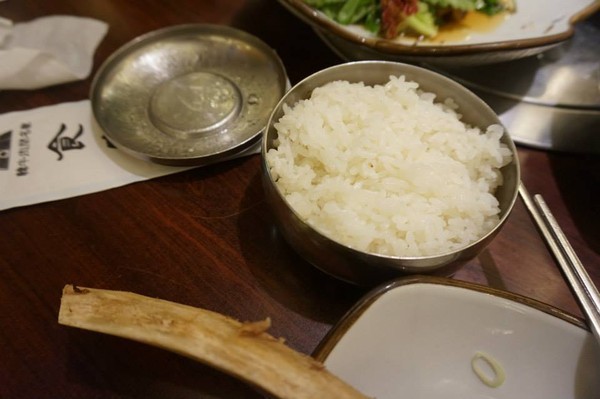
▲ Korean white rice is more moist and sticky, and mixing it with the soup doesn’t feel out of place at all.
The eatery, a specialty beef shop, crafts exquisite traditional Korean dishes from various cuts of beef, fully satisfying meat-loving gourmets. The side dishes also showcase traditional essence, with thoughtfully prepared dishes that blend tradition with modernity—making it a restaurant that preserves classic cuisine while innovating to suit contemporary tastes. Most notably, it offers customers a comfortable setting with scenic views. In addition to Korean-style décor, the space features numerous green plants and garden elements, giving diners the illusion of eating outdoors.

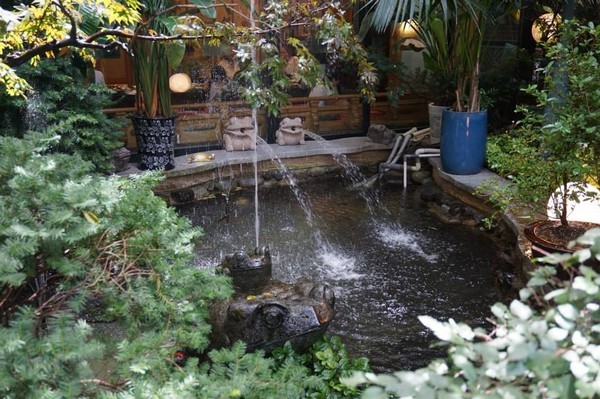
▲ In the small pond in the backyard, a frog-shaped fountain and fish swimming leisurely in the water attract the attention of children, many of whom watch with great interest.
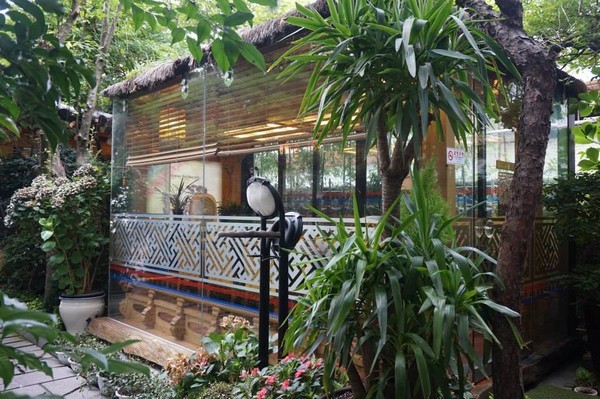
▲ The backyard also has private rooms where customers can enjoy their meals while taking in the view of the pond—a truly relaxing experience.
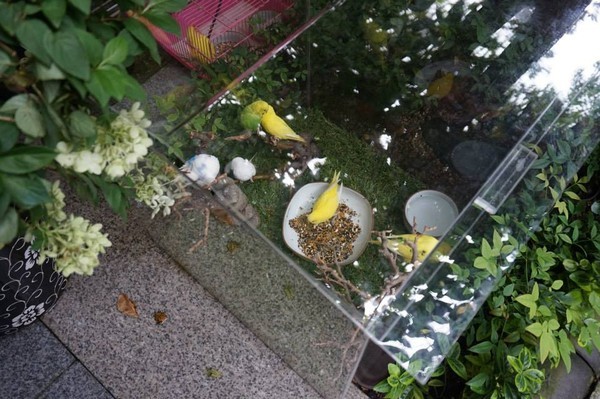
▲ The adorable parrots raised by the shop are not confined to cages but are occasionally let out for customers to admire. These well-trained birds obediently perch on the wooden counter and do not fly around, ensuring they don’t disturb diners.
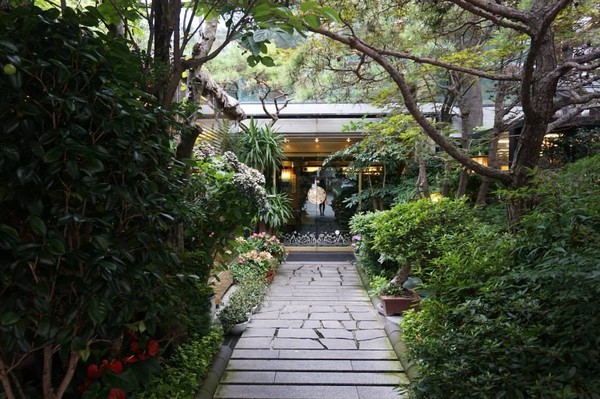
▲ If you enter from the parking lot, you’ll walk along a pathway directly into the backyard—I really love this feeling, as it feels as natural and relaxing as visiting an old friend’s traditional home.
This eatery excels both in food and ambiance. The rich, aromatic beef bone soup is unforgettable, and diners can enjoy the soothing sound of flowing water while watching fish swim in the pond, creating a truly relaxing and comfortable dining environment. The thoughtful details that enhance the visual experience have quietly earned this restaurant a spot on my list of favorite places to revisit.
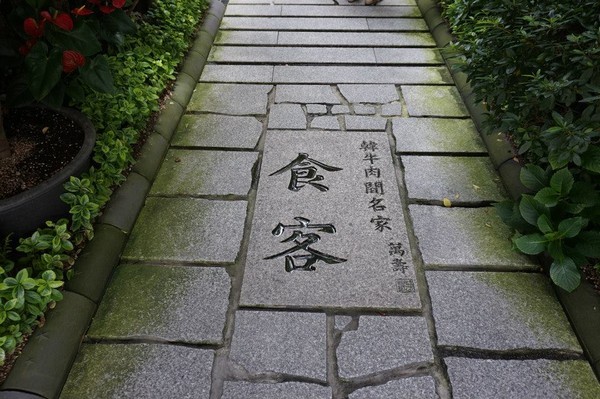
▲ Although Incheon isn’t a major tourist area, it hides many local delicacies known only to residents. To truly understand a country’s food culture, one must visit the restaurants favored by locals to taste unforgettable regional flavors.
How to get there
Address: 皑? 赛湃6迟 953-1
Business Hours: 10am–11pm (open year-round)
Phone: 032-439-8844 / 010-3858-1365
Share
This article is published by HowToTrip. Sharing and reposting are welcome — please credit the source.
Article URL: https://www.howtotrip.net/views-18415
Related Articles
- Shaoxing's "Grandpa Gourd" hangs the gourds back up: "If there are too many people, we'll interact less — just take a quick look from afar"
- Chinese authorities announce "reciprocal adjustment" to Japan visa fees — single-entry visa jumps from 2,250 to 16,750 yen!
- The "health stones" carried by a traveler were found to have radiation levels exceeding safety limits by a thousand times, potentially endangering fellow passengers on the same flight. Customs issues warning!
- Shenzhen Airport Issues Late-Night Notice: Unidentified Aerial Object Detected, Causing Widespread Flight Delays!
- “They only said it cost money after I opened the box and washed it!” 200g of grapes sold for 60 yuan on a high-speed train—12306 responds!
- Can't buy an airline ticket? Denied exit? Blocked from boarding? A large number of Chinese tourists have mysteriously become "discredited individuals"
- Adverse weather and economic fluctuations impact Colombia's coffee market
- Beach bathing area responds to 2 yuan/30 seconds fee for freshwater foot rinsing: Clearly priced!
- Taking off with an improperly closed cabin door? Wing malfunction? Multiple flights made emergency returns mid-journey!
- Experience the gifts of nature! A countdown of the world’s ten most stunning coastlines