No need to fly to Korea—you can make authentic Andong jjimdak (braised chicken) at home yourself!
Text and photos byA Korean New Bride
Andong jjimdak is a simple yet time-consuming chicken dish. The cooking steps aren’t particularly difficult, and they bear some resemblance to the red-cooked chicken my mother-in-law loves to make by stir-frying chicken with soy sauce. However, due to differences in cooking methods and steps, the flavor isn’t entirely the same as that of Andong jjimdak. When I searched online for Chinese recipes, I found many shared versions that seemed to lean toward a Taiwanese style. When I first tried cooking following those, the result ended up closer to the Taiwanese version—essentially the red-cooked chicken my mother-in-law makes. Although the flavors were similar, it lacked the authentic Korean taste.
Later, after consulting Korean websites and asking skilled home cook friends, I was able to correct some of the mistaken methods. So what this Korean new bride wants to share with everyone now is authentic Andong jjimdak made according to Korean online recipes.
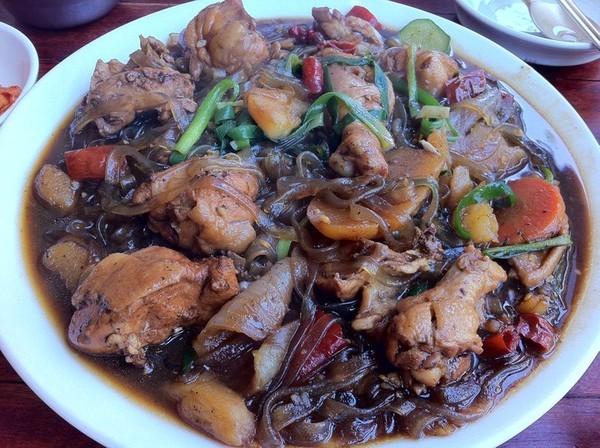
Korea’s famous comfort food—Andong jjimdak—originated in the Andong region of North Gyeongsang Province. There are various theories about its origins. One says that during the Joseon Dynasty, under the class system, the yangban (nobility) and middle class lived inside the city walls in an area called “Paechi” (pronounced similarly to Andong), while the commoners lived outside in an area called “??chi.” The braised chicken dish that spread from inside the city came to be called “Paechi jjimtang” (city/Andong-style braised chicken).
Another widely circulated story is that chicken specialty shops in Andong’s old market developed Andong jjimdak as a way to compete with Western-style fried chicken. Today, Andong Market also offers a variety of other chicken dishes, such as grilled chicken, garlic chicken, and beer chicken, earning it the reputation of a delicious “jjimdak street” (?chi?han). If you’re visiting Korea and want to try Andong jjimdak, you can choose<凤雏>the restaurant opened by singer Seven,<烈凤辣鸡>or these two popular spots in Korea. But if you can’t travel to Korea but still crave it, you can refer to this recipe shared by this Korean new bride and try making it at home.
This Korean new bride is sharing the method based on her own experience following a Korean recipe and actually cooking it, hoping everyone can enjoy authentic Korean-style Andong jjimdak. Although I took photos of each step, to preserve the authentic Korean flavor, most of the images in this post will be sourced from Korean recipes. (Recipe source)
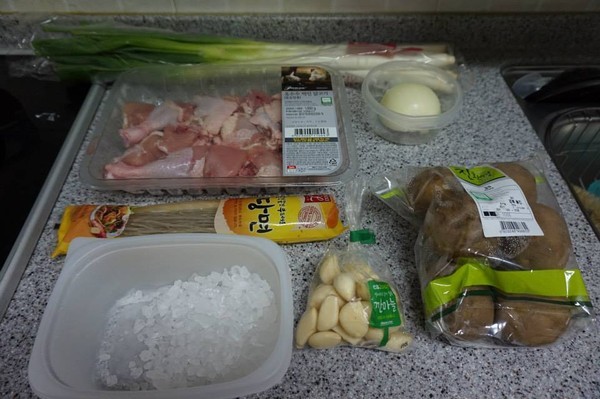
<<材料: (2人份)>>
Bone-in chicken: 500g
Onion: 1 medium-sized
Potatoes: 2
Carrots: 1/2
Green onions: 1 stalk
Long green chili: 1
Korean chili pepper (Cheongyang): 1/2
Korean sweet potato starch noodles (dangmyeon): 1 small bunch
Broth: Made from kelp stock
White sesame seeds: 1 tsp (lightly toasted)
Minced garlic: 1 tsp
Black pepper: To taste
Sugar: To taste (using brown sugar will darken the chicken and enhance coloring)
<<备料>>
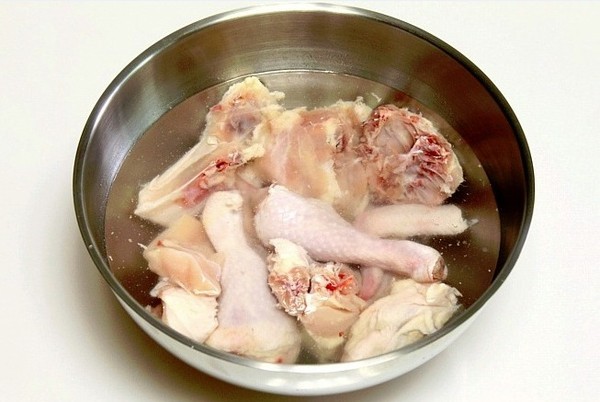
▲ Soak the chicken in water for 20 minutes to remove impurities. It’s best not to stir-fry or pre-boil the chicken, as the meat may become too tough.
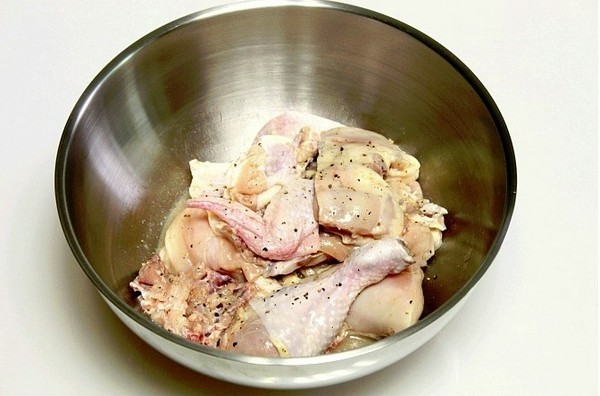
▲ Marinate the chicken with minced garlic and black pepper. My method is to marinate the chicken the night before and let it sit in the fridge overnight to absorb the flavors.
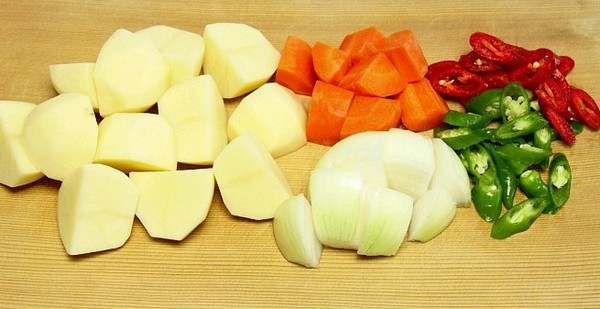
▲ Cut the onion, potatoes, and carrots into chunks; slice the Cheongyang pepper/red chili and green onions diagonally. (You can optionally add cucumber based on personal preference. If you don’t eat spicy food, you can reduce the amount of chili.)
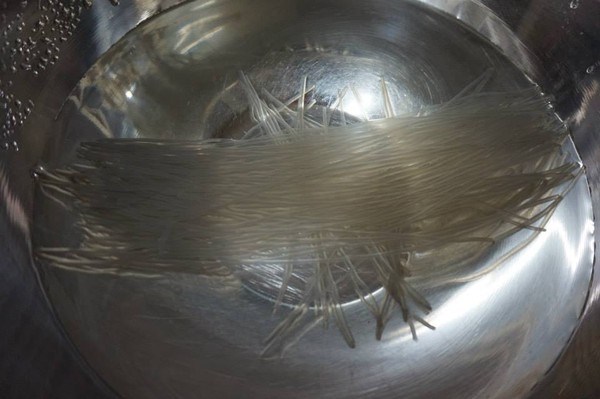
▲ Soak the Korean sweet potato starch noodles in water to soften them beforehand.
<<作法>>
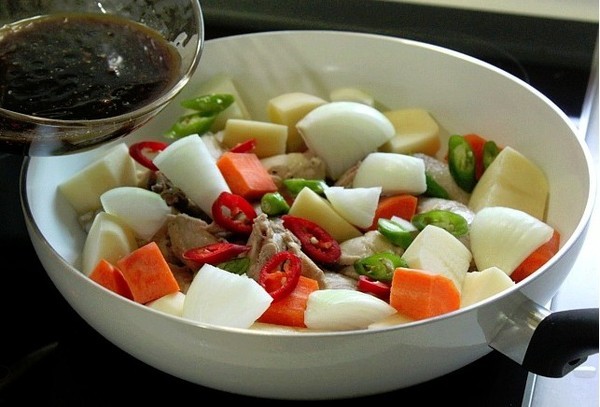
▲ 1. Place the chicken, onion, potatoes, carrots, green onions, and chili in a pot, then pour in a sauce made by mixing soy sauce and sugar.
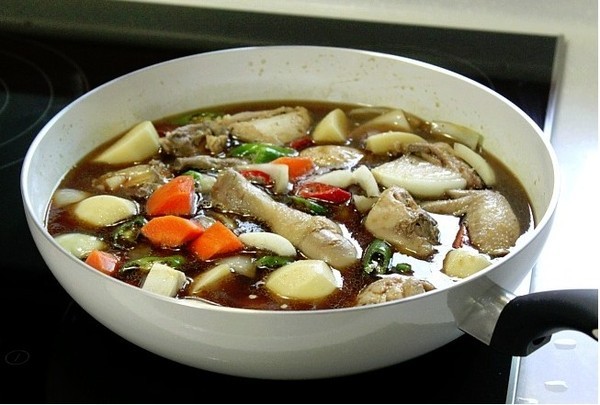
▲2. Add about 150–200 mL of dashi stock made from kelp (adjust the amount as needed, just enough to cover the chicken), and simmer together.
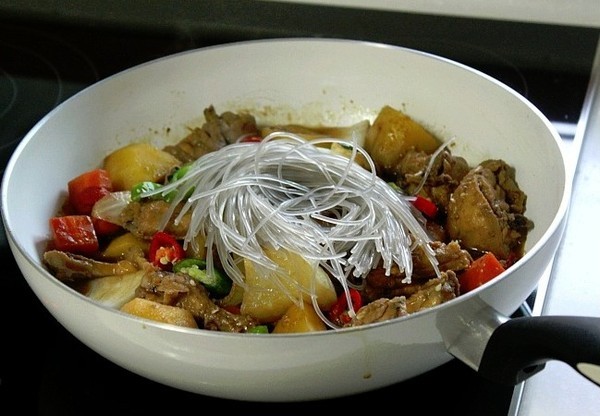
▲3. Simmer over medium heat for about 20–30 minutes until the liquid is reduced to about one-third, then switch to low heat. Add the soaked vermicelli and stir-fry until it absorbs the broth. (Remember to stir frequently with chopsticks to prevent burning or sticking.)
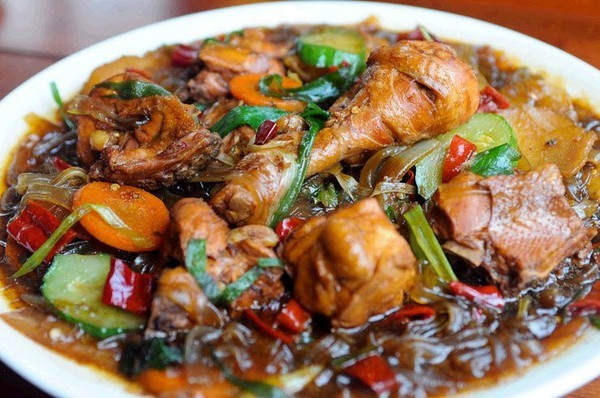
▲4. Finally, plate the dish and sprinkle with sesame seeds before serving.
※For more exciting content, please see【Korea’s New Bride’s Kitchen】
Share
This article is published by HowToTrip. Sharing and reposting are welcome — please credit the source.
Article URL: https://www.howtotrip.net/views-16117
Related Articles
- Shaoxing's "Grandpa Gourd" hangs the gourds back up: "If there are too many people, we'll interact less — just take a quick look from afar"
- Chinese authorities announce "reciprocal adjustment" to Japan visa fees — single-entry visa jumps from 2,250 to 16,750 yen!
- 旅客携带的“保健石”核辐射超标千倍,同机人员或遭殃!海关提醒!
- 深圳机场深夜通报!出现不明升空物,航班大面积延误!
- “拆盒洗了才说要钱!”高铁200克葡萄卖60元,12306回应!
- 买不了机票?出境被拒?登机被拦?一大波中国游客莫名成了“失信人”
- 不利天气和经济波动影响哥伦比亚咖啡市场
- 海边浴场回应冲脚淡水收费2元/30秒:明码标价!
- 舱门没关好就起飞?机翼出现问题?多个航班途中紧急折返!
- 感受大自然的馈赠!盘点世界十大唯美海岸线