Launched in 2020: London’s Driverless Metro Looks Like a Space Capsule
By Rita
The “subway” is a highly relied-upon mode of transportation for urban dwellers, but it actually originated in London, UK — it has been in operation since 1863, boasting a history of over a hundred years. The London Underground is quite iconic, but those who have actually ridden it may find that, compared to the bright and clean Taipei Metro, the London Underground is rather run-down.
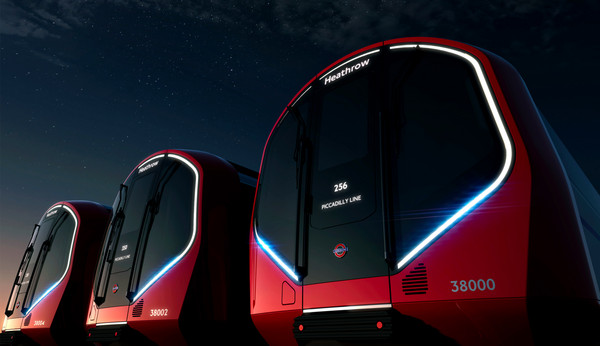
▲ London’s upcoming 2020 “driverless metro” (Photo /Priestmangoode official website)
In the 21st century, modern technology has enabled drones to take to the skies — will these “old and narrow ‘tubes’” also soon be phased out by the times? According to a CNNreport, a new subway model with a “futuristic” design will be introduced around 2020. It will be adriverlesssubway.
Transport for London stated that the current population of London is approximately 8.4 million, and is expected to grow to 10 million by 2030. Compared to current train models, this new type of train will increase passenger capacity by 60%, with Bakerloo and Central lines accommodating up to8,000 to 12,000people per hour.
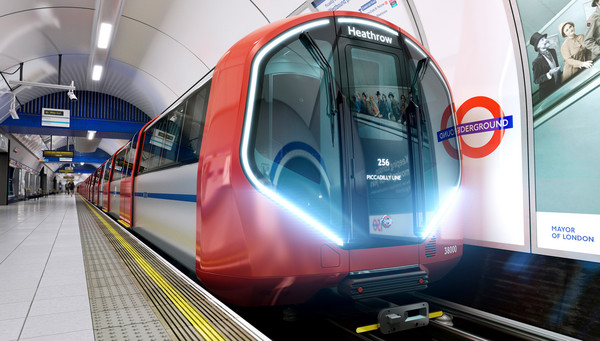
▲ Simulated image of the future London metro carriages, featuring a sleek design resembling a “space capsule” (Photo /Priestmangoode official website)
“The lifespan of the trains themselves is also a major challenge. We’re concerned about the age of their materials, not what materials will make the train look cool. Interestingly, some designs may look very avant-garde, but they can quickly become outdated,” said Priestman, head of Priestmangoode, the firm behind the metro’s design.
Currently, the Underground still operates trains from different eras. Priestman and his team drew inspiration from some older elements to innovate — for example, the London Underground logo, color scheme, and font have all been preserved. The simulated carriage design presented now features a sleek, space capsule-like look.
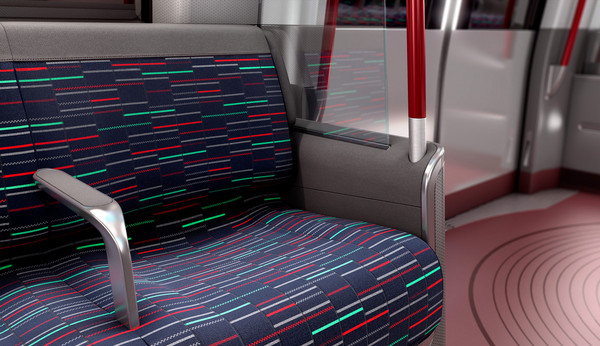
▲ The previous seating layout has been retained, though slightly smaller (Photo /Priestmangoode official website)
In fact, integrating new designs into the old system is more challenging than building an entirely new one, as certain existing limitations must be overcome. “The subway tunnels are actually very narrow, so the trains themselves are confined to a very small space,” and “we also had to make the internal componentslighter, while still creating enough room for the air cooling system,” Priestman explained.
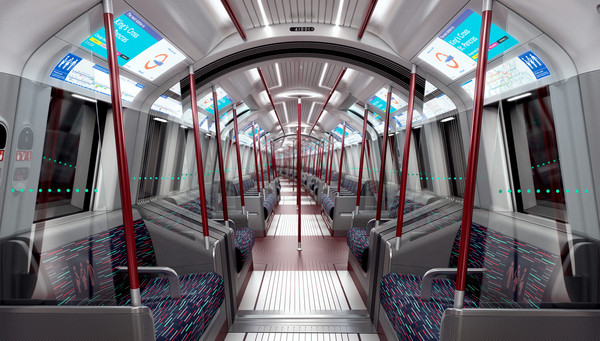
▲ This seating design helps alleviate passenger congestion during peak hours (Photo /Priestmangoode official website)
The brand-new metro is highly anticipated. Travelers interested should keep a close eye on the latest updates.
Share
This article is published by HowToTrip. Sharing and reposting are welcome — please credit the source.
Article URL: https://www.howtotrip.net/views-16017
Related Articles
- Shaoxing's "Grandpa Gourd" hangs the gourds back up: "If there are too many people, we'll interact less — just take a quick look from afar"
- Chinese authorities announce "reciprocal adjustment" to Japan visa fees — single-entry visa jumps from 2,250 to 16,750 yen!
- The "health stones" carried by a traveler were found to have radiation levels exceeding safety limits by a thousand times, potentially endangering fellow passengers on the same flight. Customs issues warning!
- Shenzhen Airport Issues Late-Night Notice: Unidentified Aerial Object Detected, Causing Widespread Flight Delays!
- “They only said it cost money after I opened the box and washed it!” 200g of grapes sold for 60 yuan on a high-speed train—12306 responds!
- Can't buy an airline ticket? Denied exit? Blocked from boarding? A large number of Chinese tourists have mysteriously become "discredited individuals"
- Adverse weather and economic fluctuations impact Colombia's coffee market
- Beach bathing area responds to 2 yuan/30 seconds fee for freshwater foot rinsing: Clearly priced!
- Taking off with an improperly closed cabin door? Wing malfunction? Multiple flights made emergency returns mid-journey!
- Experience the gifts of nature! A countdown of the world’s ten most stunning coastlines