Japanese netizens list 5 grievances: "Refusing Taiwanese in Asakusa" — Taiwan netizens: Japanese do it too

▲ Senso-ji Temple Kaminarimon Gate. (Photo / fromAsakusa Check-in fan page)
Online research team / comprehensive report
Are Taiwanese people’s manners really getting worse?
A well-known blogger recently published an articletitled “‘Refusing Taiwanese in Asakusa’ – Secrets Taiwanese Don’t Know”stating that many restaurants in Asakusa have privately agreed not to welcome Chinese people, including Taiwanese, and even bluntly stating that “Taiwanese people are troublesome..”Click here for the original article link.
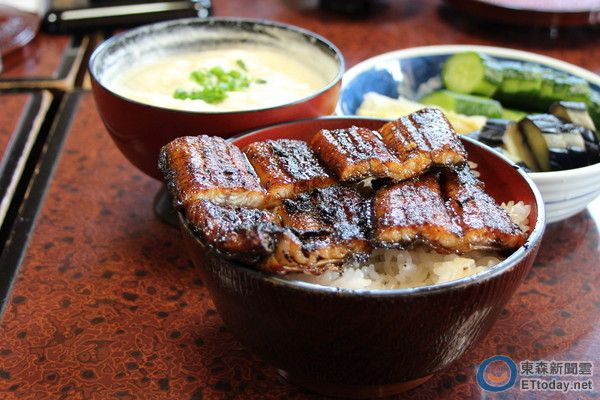
The blogger said the content of the article came from a personal experience related by a Japanese company president she knows, who visited a famous eel restaurant in Asakusa one day. During the meal, five tourists speaking with a Taiwanese accent entered the restaurant wanting to eat. Although there were available seats, the owner refused to serve them, citing “no seats.”
%The photo shows the scene where the owner refused to serve the group speaking with a Taiwanese accent. The image is for illustration only. (Photo / by reporter Huang Shiyuan)
The company president, puzzled, asked the owner why. The owner replied: “Taiwanese people are troublesome. Recently, restaurants in the Asakusa area have all privately agreed not to welcome tourists from Taiwan, Hong Kong, and mainland China (Chinese).” She then listed five reasons why Chinese visitors are considered unwelcome guests:
1. A group comes into the shop but only orders one portion of unagi rice
The owner explained that many Chinese tourists often don’t order one portion per person, but seats at famous Asakusa eateries are very limited. If two people only order one dish, it means zero revenue for one seat. While Japan doesn’t have strict rules on minimum orders, the owner said serving just one person can lead to long waits for others, and recently, complaints in the area about crowding have been high. “It really makes things difficult for us,” she added. “Recently, the atmosphere has become quite tense.”
2. Chatting for a long time after eating, even though there’s a long line outside...
In famous Japanese restaurants, it’s not a place for chatting but for eating. With limited seating and customers waiting outside, the shop considers table turnover rates and the consideration for others, hoping customers will leave promptly after finishing their meals.
3. Making reservations but not showing up or being late
News of Taiwanese tourists frequently no-showing has been making headlines lately. The article states, “This absolutely cannot be done,” because other Japanese customers waiting at the restaurant get worried, and no-shows also mean lost revenue. Japanese people trust Chinese tourists, but they’ve been disappointed many times.
4. Speaking loudly and talking on the phone
Japanese restaurants are not noisy places; they’re meant for quietly enjoying a meal.
5. Taking a long time to photograph food, and taking photos of the restaurant that include other customers, violating their privacy
While it’s understandable that tourists want to take pictures of delicious food, for Japanese people, eating food while it’s hot is a matter of courtesy, and secretly photographing others is considered a crime in Japan, which could land you in a police station.
Further reading~Does eating loudly mean it tastes good? 9 taboos and 7 rules you must know when traveling in Japan
The article sparked fierce debates between netizens with opposing views. Some said that when going abroad, one should respect local customs and adapt to the host country’s culture. They added that Taiwanese people often bring with them an attitude of “I’m rich so I’m the boss,” cultivated over time, as well as bad habits such as making reservations and not showing up — so it’s no surprise they’re disliked.
But other netizens pointed out that they’ve also seen Japanese tourists in Taiwan ordering one dish for a group, or even seen groups of Japanese people sitting on the street drinking beer and laughing loudly, showing that it’s not only Taiwanese people who do these things.There’s no need to think “Japanese people are all so wonderful” and lump all Taiwanese together unfairly..
The blogger also updated on the evening of the 10th, stating that the purpose of writing this article was not to belittle Taiwan while praising Japan. Of course, Japanese people also have their issues, but the intention was to explain that differences in culture lead to different dining habits.For some more traditional, non-tourist-oriented establishments, this can be bothersome and may result in them turning away customers. The post serves as a reminder for travelers to be mindful of their own etiquette when abroad..Click here for the original link.

▲ Five reasons why an Asakusa restaurant refused Taiwanese customers. (Photo / Screenshot from Lin’s personal blog)
Share
This article is published by HowToTrip. Sharing and reposting are welcome — please credit the source.
Article URL: https://www.howtotrip.net/views-15628
Related Articles
- Shaoxing's "Grandpa Gourd" hangs the gourds back up: "If there are too many people, we'll interact less — just take a quick look from afar"
- Chinese authorities announce "reciprocal adjustment" to Japan visa fees — single-entry visa jumps from 2,250 to 16,750 yen!
- The "health stones" carried by a traveler were found to have radiation levels exceeding safety limits by a thousand times, potentially endangering fellow passengers on the same flight. Customs issues warning!
- Shenzhen Airport Issues Late-Night Notice: Unidentified Aerial Object Detected, Causing Widespread Flight Delays!
- “They only said it cost money after I opened the box and washed it!” 200g of grapes sold for 60 yuan on a high-speed train—12306 responds!
- Can't buy an airline ticket? Denied exit? Blocked from boarding? A large number of Chinese tourists have mysteriously become "discredited individuals"
- Adverse weather and economic fluctuations impact Colombia's coffee market
- Beach bathing area responds to 2 yuan/30 seconds fee for freshwater foot rinsing: Clearly priced!
- Taking off with an improperly closed cabin door? Wing malfunction? Multiple flights made emergency returns mid-journey!
- Experience the gifts of nature! A countdown of the world’s ten most stunning coastlines