Top 5 Must-Visit Winter Hot Springs in Northern Taiwan
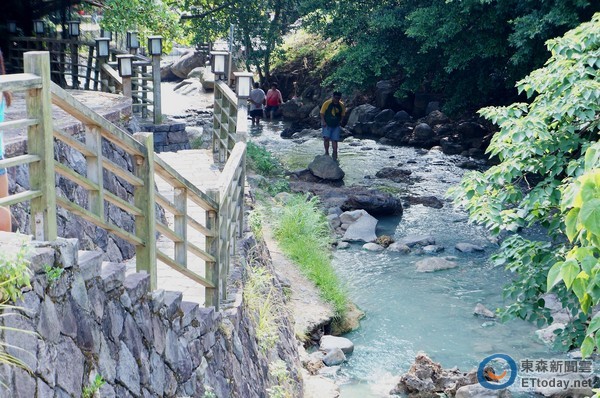
▲Hot springs are a top winter activity for travelers, offering relaxation for both body and mind. (Photo / File)
Travel Center / Comprehensive Report
Winter is the prime time for soaking in hot springs, and there’s nothing more blissful than letting warm, comforting thermal waters wash away your tiredness. Many people have enjoyed hot springs, but do you know how many hot spring spots there are in Taiwan? There are 128 locations with hot spring activity. Aside from the Datun Volcano Group in the north—where thermal waters formed through volcanic activity yield sulfate springs—most other hot spring regions mainly feature carbonate springs. The five most popular hot spring areas in the northern part of Taiwan are Jiaoxi Hot Springs, the Xinbeitou Hot Spring Area, the Shamao Mountain Hot Spring Area, the Jinshan Hot Spring Area, and Wulai Hot Springs.
1. Jiaoxi Hot Springs
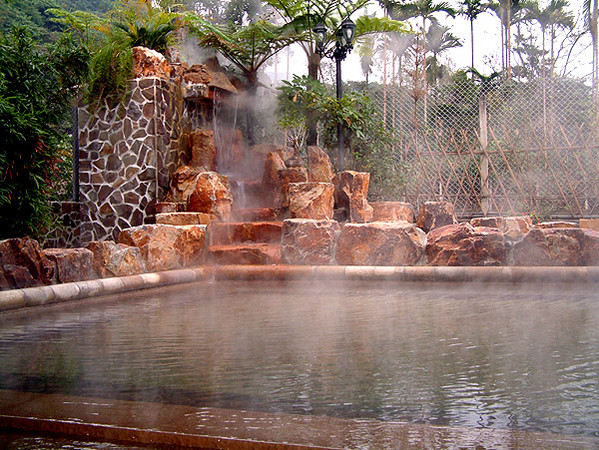
▲Yilan County’s Jiaoxi Township is famous for its hot springs—it’s a must-visit when traveling to Yilan. (Photo / Courtesy of Yilan County Government Cultural Affairs Bureau)
Jiaoxi Hot Springs in Yilan is one of the rare hot springs located on flat land in Taiwan. In addition to containing sodium, magnesium, calcium, potassium, and carbonate ions, the water also includes phenol elements, which are beneficial for skin and gastrointestinal health. Whether used for bathing or processed into drinkable mineral water, it offers significant health benefits.
2. Xinbeitou Hot Spring Area
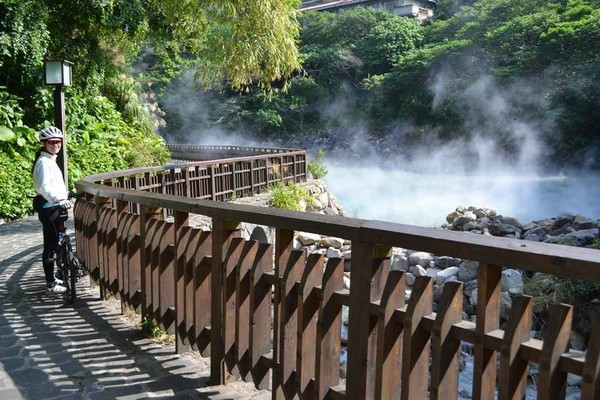
▲Beitou Geothermal Valley is one of the sources of Beitou Hot Springs and was known as “Sulfur Spring Jade Mist” during the Japanese colonial period. (Photo / Screenshot fromTaipei Travel Net)
The Xinbeitou Hot Spring Area refers to the hot springs around Beitou Geothermal Valley, near the Xinbeitou MRT Station. Depending on the source, the waters are divided into three types: white sulfur, blue sulfur, and iron sulfur. White sulfur springs are mainly found on the west side of the Yangjin Highway, around the Shiba Fen Dahuangzui area. These springs have a mild sulfur smell and, due to their bicarbonate content, can enhance lung capacity—but should not be used for more than 20 minutes. The blue sulfur springs of Beitou Geothermal Valley were highly praised by the Japanese as a therapeutic and precious type of hot spring, with the radioactive element "radium" helping to boost immunity and activate human cells. Iron sulfur springs are found in the Shuangchongxi Valley area and contain iron minerals that offer slight relief for skin diseases, rheumatism, and neuralgia.
3. Shamao Mountain Hot Spring Area
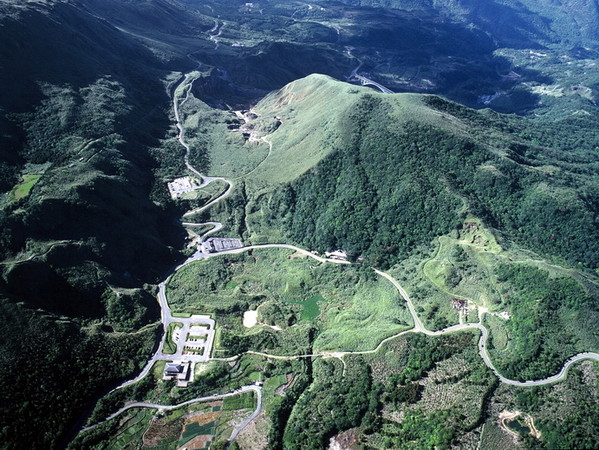
▲Cold Water Pit in the Shamao Mountain Hot Spring Area. (Photo / Screenshot fromYangmingshan National Park)
The Shamao Mountain Hot Spring Area is located near Yangde Boulevard, close to the Tianmu area. Besides being well-known for its hot springs, the area also features local specialties such as wild vegetables. Among its famous soaking spots are Cold Water Pit Hot Springs and Machang Hot Springs. Cold Water Pit has relatively low temperatures, around 40°C, and also offers a free public hot spring bath for visitors.
4. Jinshan Hot Spring Area
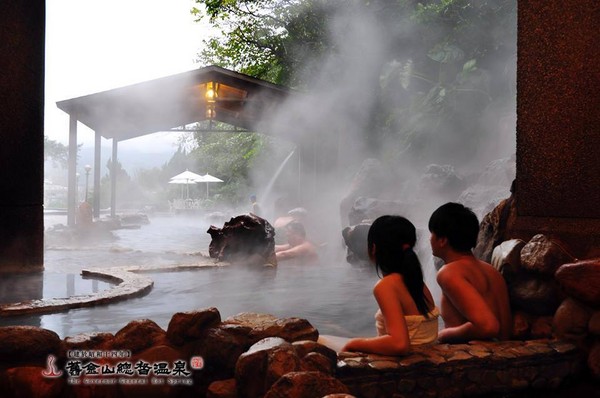
▲The Old San Francisco Governor Hot Spring in the Jinshan Hot Spring Area attracts many visitors with its offshore hot springs. (Photo / Screenshot fromOld San Francisco Governor Hot SpringOfficial Page)
The Jinshan Hot Spring Area refers to the hot springs in the Jinshan and Wanli districts, mainly including Jinbaoli Hot Springs, Huanggang Hot Springs, and Jiatai Hot Springs. The area offers diverse spring types, such as neutral carbonate springs, acidic sulfur springs, alkaline sulfur springs, and white sulfur. It also features the extremely rare “offshore hot springs,” making it particularly suitable for those with sensitive skin.
5. Wulai Hot Springs
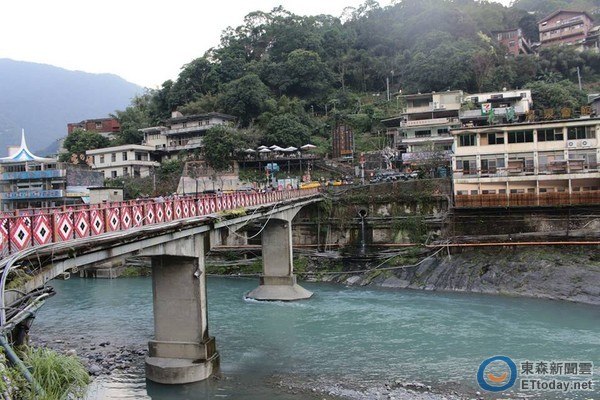
▲Wulai Hot Springs originate from the valley and boast clear, drinkable water. (Photo / Reporter Cai Wenjun)
Wulai Hot Springs are located in the valley of Wulai Village. The water is crystal clear and potable, classified as weakly alkaline sodium bicarbonate springs. Sodium bicarbonate springs are also known as “beauty springs” for their skin-moisturizing effects. Since the hot spring sources in Wulai are at a lower elevation, pipelines and pumps are needed to transport the water uphill—an unusual but fascinating sight.
Share
This article is published by HowToTrip. Sharing and reposting are welcome — please credit the source.
Article URL: https://www.howtotrip.net/views-14486
Related Articles
- Shaoxing's "Grandpa Gourd" hangs the gourds back up: "If there are too many people, we'll interact less — just take a quick look from afar"
- Chinese authorities announce "reciprocal adjustment" to Japan visa fees — single-entry visa jumps from 2,250 to 16,750 yen!
- The "health stones" carried by a traveler were found to have radiation levels exceeding safety limits by a thousand times, potentially endangering fellow passengers on the same flight. Customs issues warning!
- Shenzhen Airport Issues Late-Night Notice: Unidentified Aerial Object Detected, Causing Widespread Flight Delays!
- “They only said it cost money after I opened the box and washed it!” 200g of grapes sold for 60 yuan on a high-speed train—12306 responds!
- Can't buy an airline ticket? Denied exit? Blocked from boarding? A large number of Chinese tourists have mysteriously become "discredited individuals"
- Adverse weather and economic fluctuations impact Colombia's coffee market
- Beach bathing area responds to 2 yuan/30 seconds fee for freshwater foot rinsing: Clearly priced!
- Taking off with an improperly closed cabin door? Wing malfunction? Multiple flights made emergency returns mid-journey!
- Experience the gifts of nature! A countdown of the world’s ten most stunning coastlines