Japan’s Tastiest Shochu Origins: 5 Must-Visit Free Distillery Tours in Kyushu
Reported and photographed by reporter YouT□ / Kyushu
What’s your first impression when you think of Japanese alcohol? Various types of locally produced sake can be found across Japan, but the Kyushu region is particularly renowned for “shochu.”<酎)”著名。使用米、?菌、甘薯等原料所制成之烧酒,在不同区域的工厂,自然衍生出其不同的风味。若要问起烧酒之所以吸引日本人的主要原因,性格强烈的九州男儿,可能会这样比喻:“入口烫辣,落入喉间却有回甘滋味,就像我老婆,呛中带有柔情,这就是烧酒的滋味啊!”
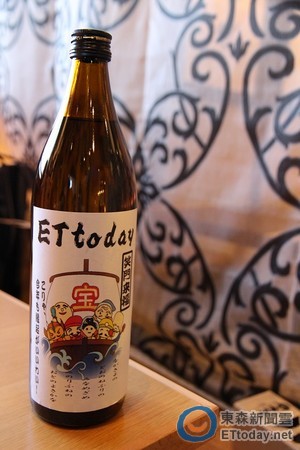
▲ Kyushu is best known for producing shochu.
The primary step in making shochu is koji cultivation, which involves steaming rice, sprinkling it with koji mold, and then controlling the temperature to grow the mold. After koji cultivation is complete, water, yeast, and the mold are placed in a jar to ferment into “moromi,” or the first mash. Then, high-starch sweet potatoes are added to shape the shochu flavor. The starch content of the sweet potatoes affects the mold’s saccharification and the yeast fermentation, eventually forming the second mash. This mash is then distilled to evaporate the alcohol, water, and aromatic components, yielding the original sweet potato shochu—the base for most shochu produced by Kyushu distilleries.
Shochu production in Kyushu dates back to the 15th–16th centuries, initially using the crisper-tasting black koji mold. However, because the brewing process often left brewers covered in grime, around 20 years ago, production shifted to using white koji mold. In recent years, though, Kyushu has revived the traditional method of using black koji mold, and the refreshing taste has once again won the affection of locals. This time,ETtoday ETToday News Cloud specially visited southern Kyushu—Miyazaki, Kagoshima, and other areas—to select five recommended shochu distilleries. Aside from viewing the brewing process and equipment, visitors can also enjoy tasting sessions. Travelers interested in something beyond the usual tourist spots might want to embark on a unique Kyushu shochu journey.
● ETtoday ETToday News Cloud reminds you: Don’t drink and drive. Don’t drive after drinking.
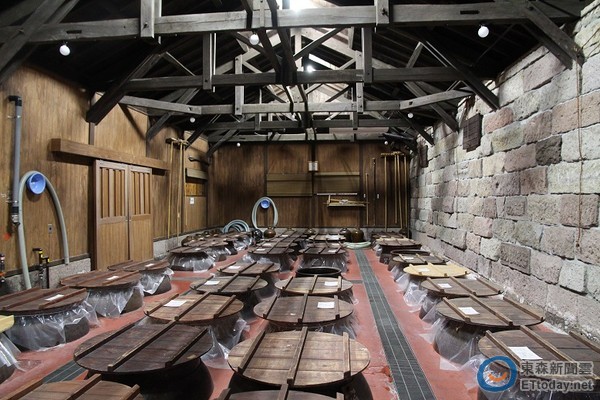
% Originally used only wooden barrels at the main brewery.
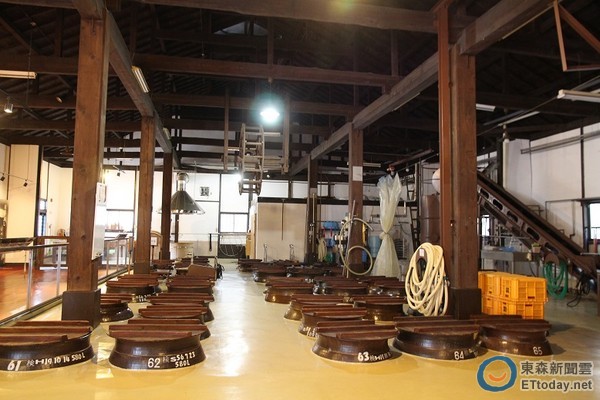
Ayasekita International Natural Brewery Learning Center
Opened on November 13, 2014, the learning center primarily aims to offer free shochu tours. Construction of the interior cost 1.3 billion yen, and it originally mainly produced soba (buckwheat) shochu. The center introduces the connection between Ayase’s local ecology and brewing. A 90-minute tour is available for reservation between 10 AM and 3 PM. There’s also a free 30-minute unlimited tasting session where you can sample various flavors of beer produced at the factory. With lodging facilities nearby, it’s also known as a “theme park for alcohol.”
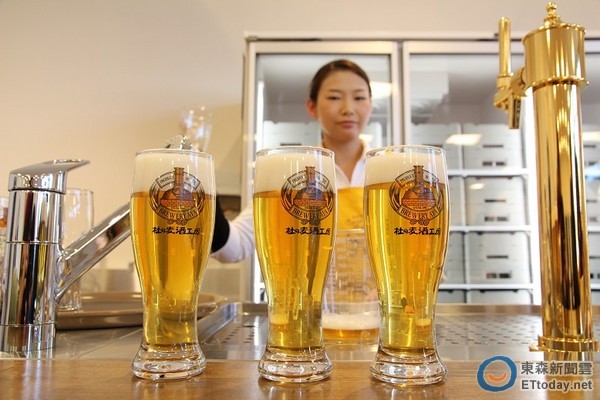
▲ Free 30-minute tasting of all kinds of alcohol at the venue.
Address: 1795-1, Mame-Shimizuke, Minamimata, Ayabe, Ayase, Miyazaki Prefecture
Phone: 0985-77-3737
Business hours: 9:30–16:30
Factory tour and tasting: Free
Kirishima Brewery
Highly visible across Japan, Kirishima Brewery was established in 1916, with 99% of its production being sweet potato shochu. It uses locally grown Kyushu sweet potatoes and nearby natural water. It was the first distillery in Kyushu to abandon traditional brewers and instead focus on mass production and automation. Kirishima Brewery operates four plants and can produce 160,000 bottles of shochu per day, making it Japan’s top-selling shochu producer.
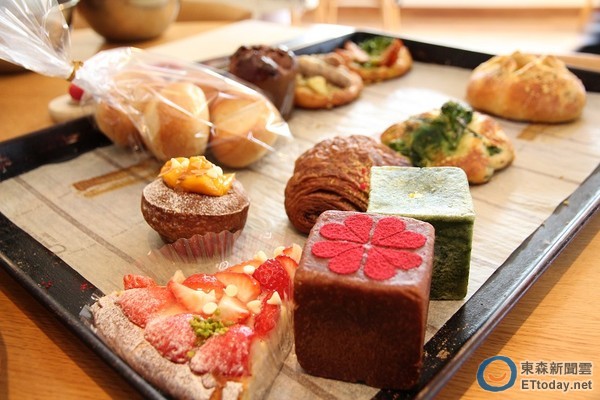
In addition to shochu, Kirishima Brewery produces an astonishing 640 tons of lees daily due to its massive output. This has led to the creation of a bakery that uses the lees and a power generation system that recycles waste lees. The bread has a rich aroma and satisfying texture, making it a highly recommended product during your visit.
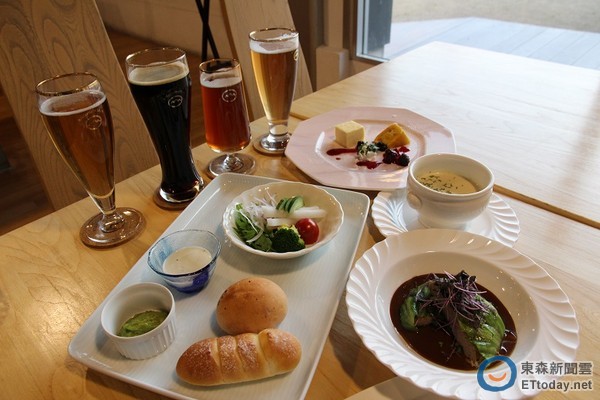
▲ Seasonal bakery products developed in-house are also very popular with visitors.
Address: 5480, Shihitamachi, Miyakonojo, Miyazaki Prefecture
Phone: 0986-21-8111
Business hours: 2 sessions daily, 11:30–, 14:00–
Satsuma Shuzo Chuo
Kagoshima’s largest and oldest brewery, founded in the fifth year of the Meiji era, uses purely handcrafted fermentation jars. Its main operating season is autumn, when sweet potatoes are abundant. Local sweet potatoes from Southern Satsuma are used. Aside from brewing, the brewery retains displays of fermentation jars, and the interior is full of design flair, also showcasing various creative alcohol packaging designs.
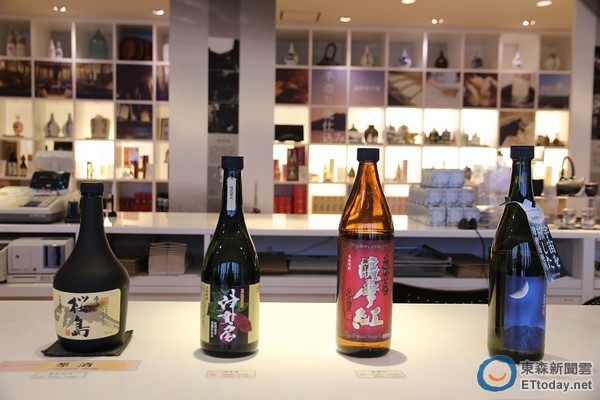
▲ The alcohol display area inside the venue features stylish design.
Address: 3-27, Minami 1-chome, Kagoshima-shi, Kagoshima Prefecture
Phone: 891-0122
Business hours: 10:00–15:30
Workshop experience & tasting: Free
Kawazu Distillery “Meiji?”
During Japan’s early famines, Kagoshima avoided starvation by cultivating large quantities of sweet potatoes, earning them the nickname “Satsuma-imo.” This local distillery embodies rustic regional charm, using clay models to showcase the sake-making process and the history of the brewery. Thanks to its rich-flavored sweet potato shochu, Kagoshima has received WTO certification—samples are available at this distillery.
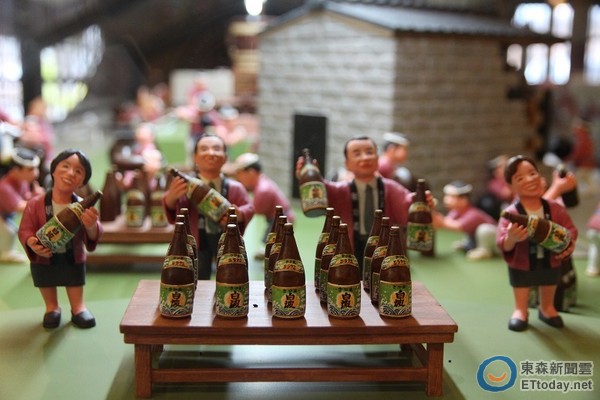
▲%The production process of sweet potato shochu is displayed using clay models.%
Address: 26, Kamimotocho, Makurazaki City, Kagoshima
Phone: 0993-72-1231
Genkai Research Institute
Specializing primarily in koji production, about 80% of the koji used by breweries across Japan comes from here. Although this institute does not sell sake, it has developed several types of shochu that only visitors on guided tours can sample. The institute is also famous for its puffs made using koji—crisp on the outside, soft and richly flavored inside, with limited daily production. Many Japanese consider it “the most delicious puff in all of Japan.”

▲About 80% of the koji used by breweries across Japan comes from here.
Address: 876-15, Fumoto, Mizoguchi, Kirishima City, Kagoshima
Phone: 0955-58-3101
Business hours: 10:00–17:00
《ETtoday Eastday News Cloud》 reminds you: Don’t drink and drive, and don’t drive after drinking.
Share
This article is published by HowToTrip. Sharing and reposting are welcome — please credit the source.
Article URL: https://www.howtotrip.net/views-14023
Related Articles
- Shaoxing's "Grandpa Gourd" hangs the gourds back up: "If there are too many people, we'll interact less — just take a quick look from afar"
- Chinese authorities announce "reciprocal adjustment" to Japan visa fees — single-entry visa jumps from 2,250 to 16,750 yen!
- The "health stones" carried by a traveler were found to have radiation levels exceeding safety limits by a thousand times, potentially endangering fellow passengers on the same flight. Customs issues warning!
- Shenzhen Airport Issues Late-Night Notice: Unidentified Aerial Object Detected, Causing Widespread Flight Delays!
- “They only said it cost money after I opened the box and washed it!” 200g of grapes sold for 60 yuan on a high-speed train—12306 responds!
- Can't buy an airline ticket? Denied exit? Blocked from boarding? A large number of Chinese tourists have mysteriously become "discredited individuals"
- Adverse weather and economic fluctuations impact Colombia's coffee market
- Beach bathing area responds to 2 yuan/30 seconds fee for freshwater foot rinsing: Clearly priced!
- Taking off with an improperly closed cabin door? Wing malfunction? Multiple flights made emergency returns mid-journey!
- Experience the gifts of nature! A countdown of the world’s ten most stunning coastlines