A village you must visit in your lifetime! The “S”-shaped terrain of Andong Hahoe Village is hailed as having an excellent feng shui layout.
Reported by Chen Tzu-yin / South Korea
Exploring traditional hanok houses across Korea offers a glimpse into historic memories, but Hahoe Village in Andong, a UNESCO World Heritage Site, possesses a magical charm that feels like traveling back in time. As a local guide puts it: “Visiting Andong without coming to Hahoe Village is like not visiting Andong at all.” This makes travelers on the only rural bus heading into the village even more eager to explore.
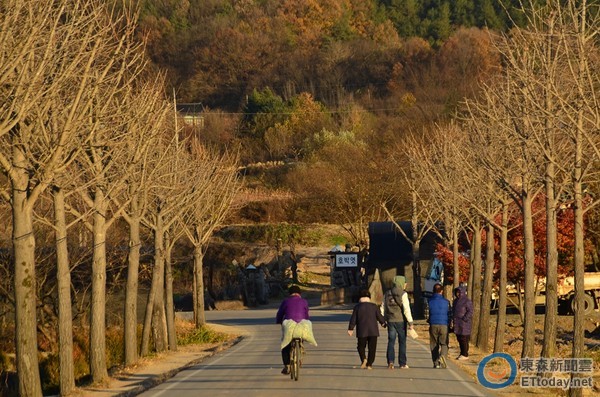
▲%纪ㄍ?踊卮宓奈ㄒ蝗肟诩把赝痉缇岸既萌擞凶谷胧惫馑淼赖母惺堋#ㄍ迹?钦叱伦艘魃悖┘/strong>
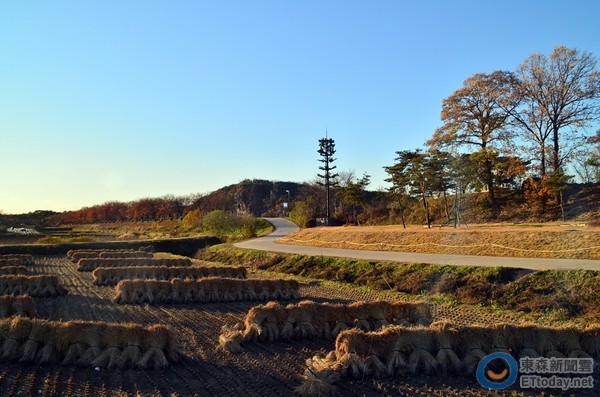
As the sun sets, Hahoe Village is bathed in a picturesque glow, offering even a touch of warmth in the cold winter. The village has been known since the Joseon Dynasty as the “best place to live.” According to guides, this is because a tributary of the Nakdong River forms a rare “S” shape around the area, flowing back on itself, while to the east, the “Hwasan” mountain range extends in a series of hills all the way to the west side of the village. Hence, there's also a saying: “The meeting of mountain and water forms a Taiji pattern or a lotus floating on water.” Koreans believe that Hahoe Village’s natural environment boasts an exceptionally good geographical feng shui layout.
Compared to some modern-planned hanok villages, what makes Andong Hahoe Village truly precious is that its residents have lived here for generations since the Joseon era. From a high vantage point, you can see the beautiful sight of thatched roofs gathered together, instantly making you feel as if you’ve fallen into a time tunnel, where past and present blur. Guides explain that Hahoe Village has had about 130 generations since the Joseon period, currently consisting of 458 buildings and 250 residents.
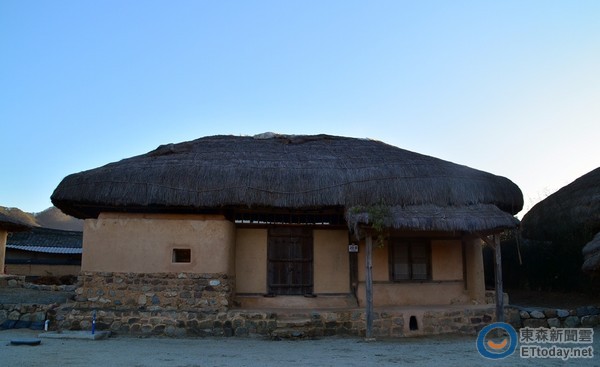
▲ Ancient buildings passed down through the Joseon Dynasty are the most treasured sights of Hahoe Village. (Photo / Reported by Chen Tzu-yin)

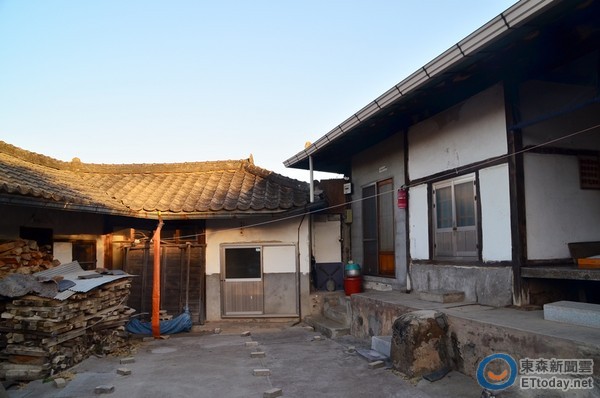
▲ Wandering through the village lanes, searching for memories from the Joseon era.
Strolling through Hahoe Village, you might spot an elderly woman riding her bicycle home or catch a glimpse of a housewife preparing a meal by a low cottage. Travelers feel like they’ve stepped into a TV drama scene, freely exploring the ancient village. There are also several hanok houses where visitors can experience staying overnight. If time allows, staying here would surely be an unforgettable memory.
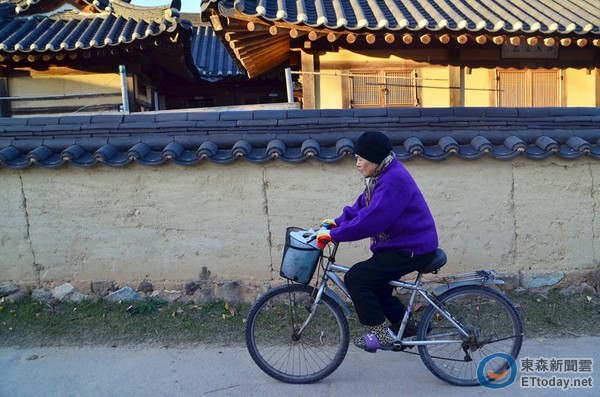
▲ A resident riding their bicycle home.
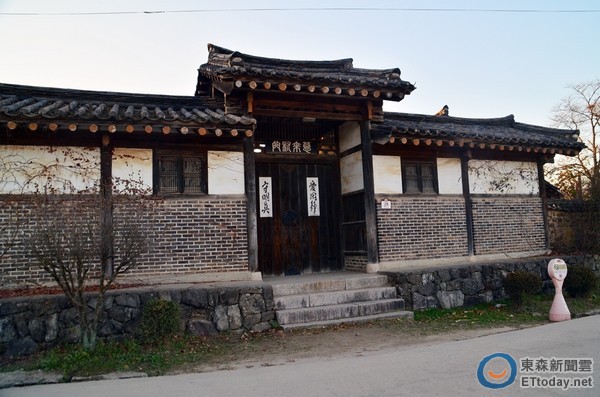
▲%妓娲Χ际敲篮玫娜思一?妗#ㄍ迹?钦叱伦艘魃悖┘br />
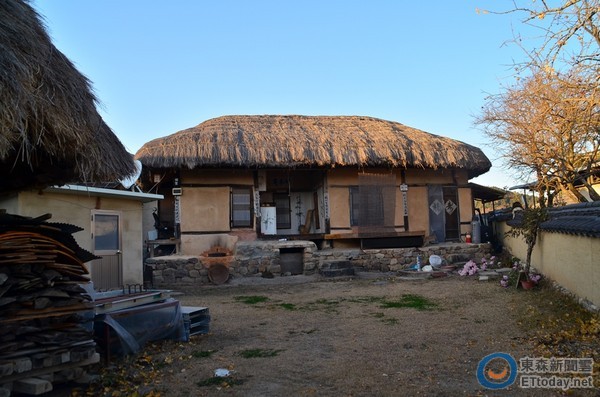
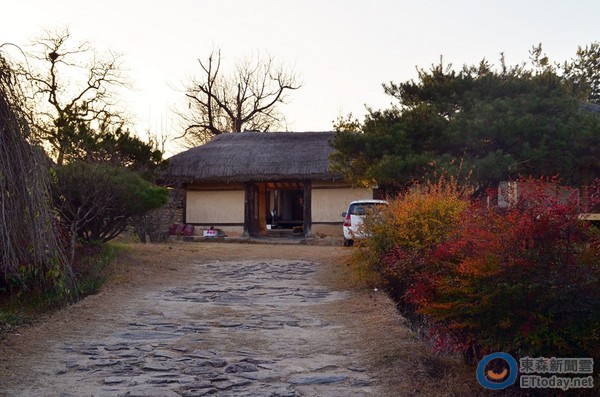
Perhaps it’s the blessing of feng shui, perhaps it’s the prestige of being a World Heritage Site—but what makes Hahoe Village precious isn’t just its status as an ancient settlement, but also the shared sense of cultural heritage. The reporter visited during sunset, walking along the only path into the village (which indeed gives the feeling of stepping onto a road through time), and looked out at Hahoe Village embraced by Hwasan Mountain, quietly existing in serenity like a hidden paradise. It’s a view well worth visiting.
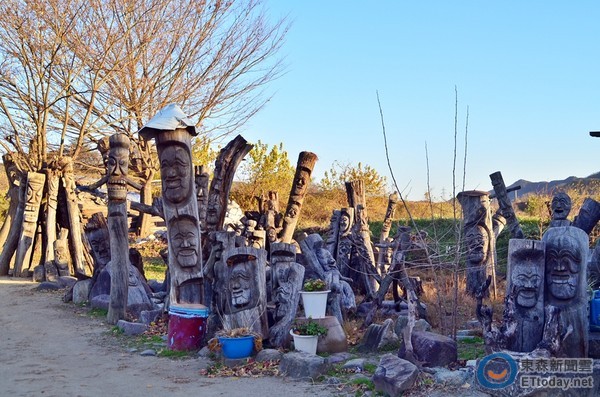
▲ The area has a tradition of “masks.” (Photo / Reported by Chen Tzu-yin)
※ Hahoe Village is also famous for its Byeolsin Exorcism Mask Dance, a traditional performance held by locals during the New Year to pray for the entire village’s wellbeing and a bountiful harvest throughout the year. During the mask dance performances, villagers wear vividly expressive masks and act out plays through dance, making it lively and entertaining. In recent years, due to increased tourism, mask dance performances are also held every weekend from March to November.
Share
This article is published by HowToTrip. Sharing and reposting are welcome — please credit the source.
Article URL: https://www.howtotrip.net/views-13857
Related Articles
- Shaoxing's "Grandpa Gourd" hangs the gourds back up: "If there are too many people, we'll interact less — just take a quick look from afar"
- Chinese authorities announce "reciprocal adjustment" to Japan visa fees — single-entry visa jumps from 2,250 to 16,750 yen!
- The "health stones" carried by a traveler were found to have radiation levels exceeding safety limits by a thousand times, potentially endangering fellow passengers on the same flight. Customs issues warning!
- Shenzhen Airport Issues Late-Night Notice: Unidentified Aerial Object Detected, Causing Widespread Flight Delays!
- “They only said it cost money after I opened the box and washed it!” 200g of grapes sold for 60 yuan on a high-speed train—12306 responds!
- Can't buy an airline ticket? Denied exit? Blocked from boarding? A large number of Chinese tourists have mysteriously become "discredited individuals"
- Adverse weather and economic fluctuations impact Colombia's coffee market
- Beach bathing area responds to 2 yuan/30 seconds fee for freshwater foot rinsing: Clearly priced!
- Taking off with an improperly closed cabin door? Wing malfunction? Multiple flights made emergency returns mid-journey!
- Experience the gifts of nature! A countdown of the world’s ten most stunning coastlines