Top 3 Must-Visit Hot Springs in Southern Taiwan! Boasting the World’s Only Three Clay Mineral Springs
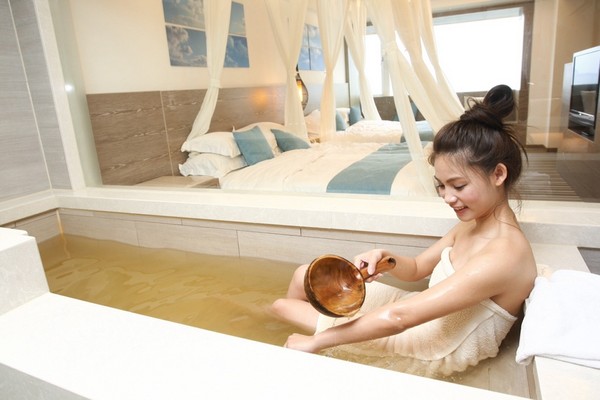
▲ People use hot spring baths for beauty, wellness, and to relieve fatigue. (Photo / Reporter Chen Rui Zhong)
Tourism Center / Comprehensive Report
This winter has been slow to turn cold, with the chill only setting in around January and February. Seize the last bit of winter atmosphere—have you taken a hot spring bath this year? Taiwan has about 128 natural hot spring sources. Since the Japanese colonial period, the culture of soaking in hot springs has flourished across the island. While the southern part of Taiwan is generally warmer, there are still plenty of hot spring enthusiasts, with many even considering it a health ritual. There are three famous hot springs in southern Taiwan—how many have you tried?
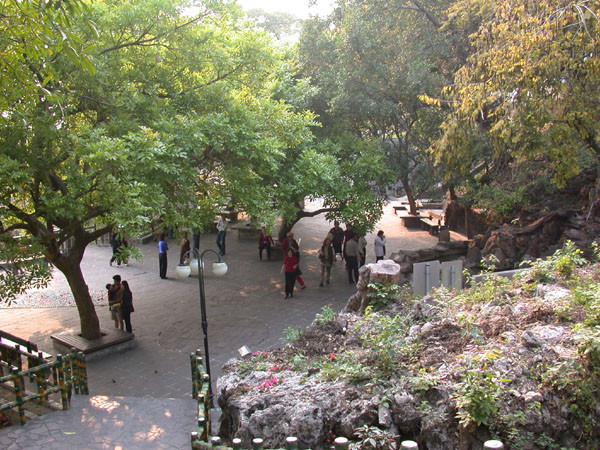
▲ Guanziling Hot Spring Area. (Photo / Sourced fromTainan City Government Tourism BureauWebsite)
Guanziling Hot Spring Area
Located at Zhen’ao Mountain in Baihe Township, Tainan City, Guanziling is known as the “Black Hot Spring” because its mineral-rich waters mix with mudstone particles, salt, and other minerals underground, giving the water its distinctive black color when it emerges.
It is said that Guanziling Hot Spring was developed during the Guangxu era of the Qing Dynasty and was discovered by the Japanese troops stationed there at the time. Over time, people came to recognize the value of clay mineral hot springs, and it eventually became one of the favorite hot springs of the Japanese royal family.
There are only three places in the world with clay mineral hot springs, and Guanziling is one of them—highlighting just how rare and precious it is. The mud-colored spring water is suitable for bathing but not drinking. Rich in minerals, soaking in it not only leaves your skin smooth and helps with beauty, but also offers certain antibacterial benefits.
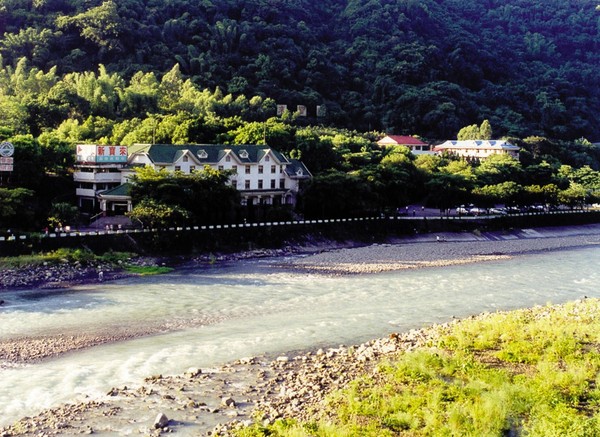
▲ Baolai Hot Spring. (Photo / Sourced fromTourism Bureau, Ministry of Transportation and CommunicationsWebsite, same below)
Baolai and Bulao Hot Springs
The hot spring sources of Baolai and Bulao, located in Liouguei District, Kaohsiung, are not far apart. The entire Baolai-Bulao hot spring area has about 20-plus hot spring hotels. Baolai Hot Spring is concentrated mainly around Zhongzheng Road in Baolai Village, while Bulao Hot Spring, being more remote, retains a more pristine natural landscape.
During the Japanese colonial period, Baolai was covered in vast virgin forests filled with valuable trees such as cypress, beech, and camphor. Its abundant natural resources led Japanese officials to praise it as a “fairyland on earth,” which is also the origin of its current name, Baolai.
Bulao Creek was originally an unnamed small stream, nicknamed “Hot Water Creek” due to its year-round high temperature. Later, locals noticed that soaking in the creek left their skin feeling smooth and youthful, leading to its name Bulao, meaning “eternally youthful.”
The waters of the Baolai-Bulao Hot Spring area are clear, colorless, and odorless—suitable for both bathing and drinking. They are known to invigorate the body, enhance beauty, and are now among the most popular destinations in the Liouguei travel area.
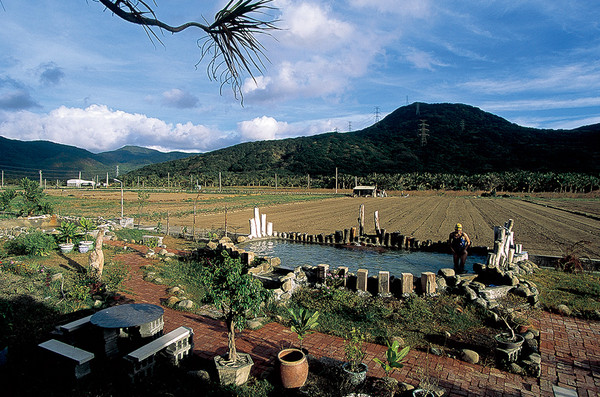
▲ Sihchong Hot Spring.
Sihchong Hot Spring
Sihchong Hot Spring is located in Checheng Township, Pingtung County, with its source originating from Shimu Mountain. Surrounded by mountains, it forms a stunning landscape of hills and waters. Known in ancient times as “Chu Tang” (Emerging Springs) due to its natural underground hot spring sources, it was listed among Taiwan’s Four Famous Springs along with Beitou, Shamao Mountain, and Guanziling after the founding of the Republic of China.
In 1950, Sihchong was renamed “Hot Spring Village.” The spring here is a sodium bicarbonate type, clear, odorless, and leaves the skin smooth without stickiness, earning it the reputation of “Beauty Spring” for its skin-enhancing properties.
Share
This article is published by HowToTrip. Sharing and reposting are welcome — please credit the source.
Article URL: https://www.howtotrip.net/views-13489
Related Articles
- Shaoxing's "Grandpa Gourd" hangs the gourds back up: "If there are too many people, we'll interact less — just take a quick look from afar"
- Chinese authorities announce "reciprocal adjustment" to Japan visa fees — single-entry visa jumps from 2,250 to 16,750 yen!
- The "health stones" carried by a traveler were found to have radiation levels exceeding safety limits by a thousand times, potentially endangering fellow passengers on the same flight. Customs issues warning!
- Shenzhen Airport Issues Late-Night Notice: Unidentified Aerial Object Detected, Causing Widespread Flight Delays!
- “They only said it cost money after I opened the box and washed it!” 200g of grapes sold for 60 yuan on a high-speed train—12306 responds!
- Can't buy an airline ticket? Denied exit? Blocked from boarding? A large number of Chinese tourists have mysteriously become "discredited individuals"
- Adverse weather and economic fluctuations impact Colombia's coffee market
- Beach bathing area responds to 2 yuan/30 seconds fee for freshwater foot rinsing: Clearly priced!
- Taking off with an improperly closed cabin door? Wing malfunction? Multiple flights made emergency returns mid-journey!
- Experience the gifts of nature! A countdown of the world’s ten most stunning coastlines