Spice Up Your Life?! 9 Must-Try Local Malaysian Dishes
Reported and photographed by Huang Shiyuan / Kuala Lumpur
Due to geographical and historical factors, Malaysian culture and language blend Indian, Chinese, and indigenous elements—especially in food, where you’ll find many familiar-yet-unfamiliar dishes, as well as authentic favorites loved by traditional Malays. A standout is Nasi Lemak (coconut rice), arguably the dish that best represents Malaysia. Beyond Nasi Lemak, there are many other delicious and distinctive Malaysian dishes. Eastern News Cloud has compiled a list of 9 local specialties. If you get the chance to visit Malaysia, these are must-tries.
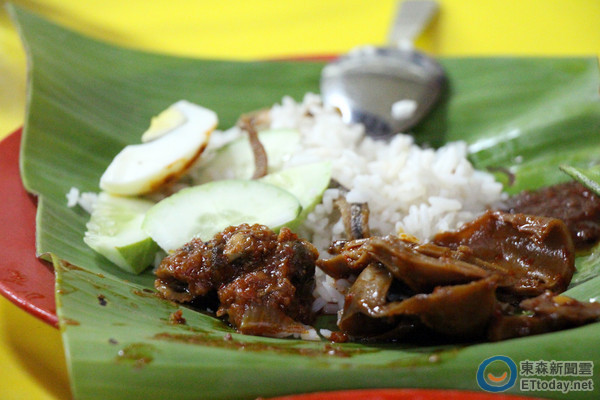
1. Spicy Devil (Spicy Nasi Lemak)
When it comes to Nasi Lemak, its defining feature is the fiery red sambal (chili paste)—every household has its own unique version. Because it’s so spicy, this dish is humorously nicknamed “Spicy Devil” (a play on words) by the Chinese community. Local guide Alan says that if you can handle spice or aren’t afraid of it, you must try “Spicy Devil” in Malaysia. Its sweet-and-spicy flavor is guaranteed to win you over. Nasi Lemak is primarily a rice dish, cooked with coconut milk, giving off a subtle coconut aroma. It’s always served with fried anchovies, peanuts, and eggs, along with other ingredients based on family (or personal) preferences—such as beef, chicken, pork (most Malays don’t eat pork)—and every restaurant offers different variations. Nasi Lemak is like Taiwan’s braised pork rice; many Malaysians working abroad crave it upon returning home.
Besides “Spicy Devil,” Malaysian-born Chinese Ermei and local Chinese-speaking guide Alan list 8 other must-try local dishes: Bak Kut Teh, Roti Tisu, Blue Rice, Rojak (Up Nor), LAKSA (Laksa), Cendol, Char Kway Teow, and Hokkien Fried Noodles.
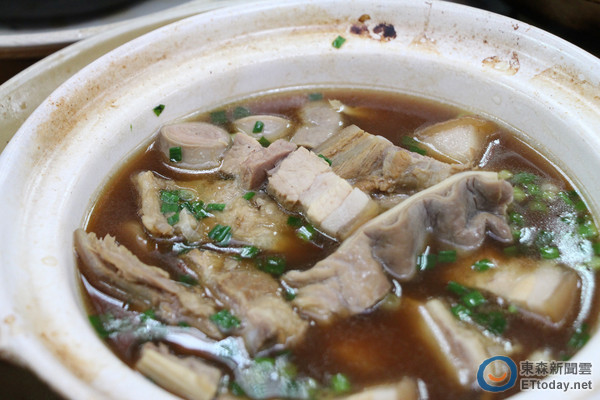
2. Bak Kut Teh
When people think of Bak Kut Teh, many associate it with Singaporean cuisine, but Ermei says the truly delicious version comes from Malaysia (its birthplace)—rich in flavor, whether you prefer the dry or soup version. Bak Kut Teh isn’t tea, nor does it contain actual tea leaves; here, “tea” refers to Chinese herbs, so the dish has a strong herbal aroma. Early Chinese immigrants in Malaysia, mostly miners, used meaty pork ribs and Chinese herbs to stew a nourishing meal. Over time, both the ingredients and herbal recipes have improved significantly.
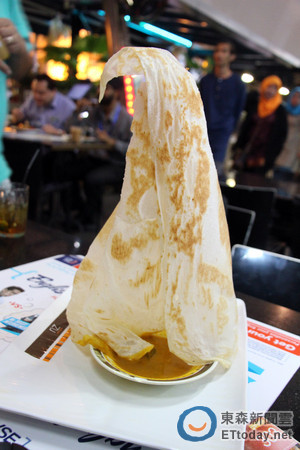
3. Roti (Roti Tisu)
It’s more like a crispy flatbread than just bread. Roti is a staple Malaysian street snack, enjoyed any time—breakfast, lunch, dinner, or even as a tea-time treat. Shaped like a cone, skilled vendors can stretch it over a meter tall. How to eat it? Just tear off a piece and dip it in the accompanying sauce, usually curry. Because it’s as thin as tissue paper, some call it “Tissue Bread” or “Roti Tisu.”

4. Blue Rice
Blue Rice is part of Peranakan cuisine, featuring unusually pale blue grains (the blue comes from butterfly pea flowers). Precious Old China restaurant manager Zheng Xiongcai explains that the flowers are picked, dried for 3–4 days, then soaked overnight in hot water before cooking. The next day, the filtered blue flower water is mixed into steamed rice. Since the rice is cooked with coconut milk, Blue Rice carries not only floral notes but also a subtle coconut fragrance.

5. Rojak (Up Nor)
Rojak can be considered either a snack or a salad—it’s hard to categorize for Malaysians, as it’s a childhood staple. In Malay, “Rojak” means “a mix of many things.” Different regions use different ingredients, typically including fruits, potatoes, cucumbers, pineapples, radishes or yams, and even deep-fried dough sticks (yes, really). It’s then drizzled with a sauce made of shrimp paste, sugar, chili, and lime juice, sprinkled with crushed peanuts. The flavors are complex—sweet, salty, sour, spicy, and sometimes slightly bitter. Some fall in love at first bite; others avoid it entirely.
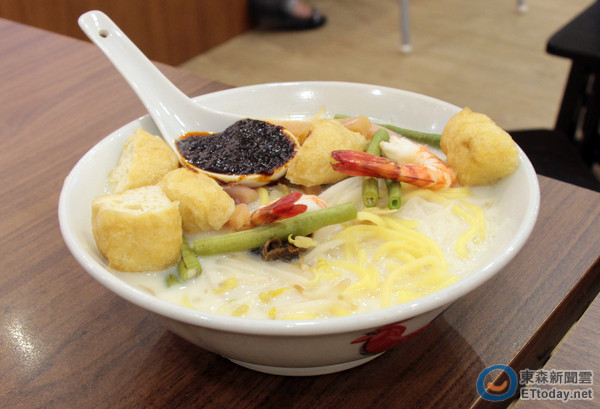
6. Laksa (Laksa)
Laksa is another iconic Malaysian noodle dish, though preparation and flavors vary by ethnicity and region. This version is Asam Laksa, with a tangy broth made from mackerel or sardines, mildly sour and seasoned with a spoonful of spicy shrimp paste. Uniquely, it uses two types of noodles—thick and thin—which should be mixed before eating.
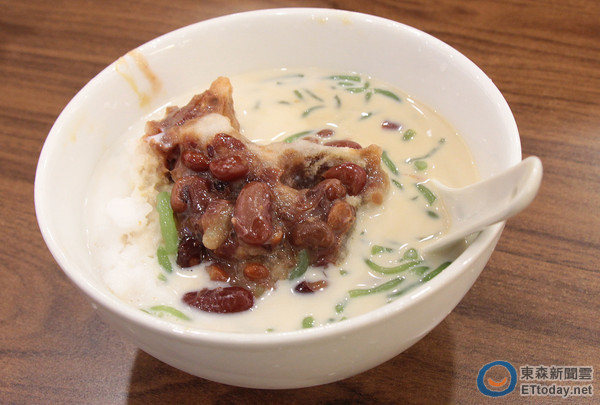
7. Cendol
Cendol is a beloved Malaysian dessert and icy treat enjoyed since childhood. The green rice flour jelly strips have a chewy texture, and when paired with coconut milk and palm sugar syrup, the sweetness is never cloying.

8. Char Kway Teow
Thanks to Malaysia’s large Teochew community, this dish has been passed down through three generations of Chinese immigrants. Originally “Teochew Stir-Fried Flat Noodles,” it’s now a uniquely Malaysian favorite. At many eateries, you’ll find it on the menu.
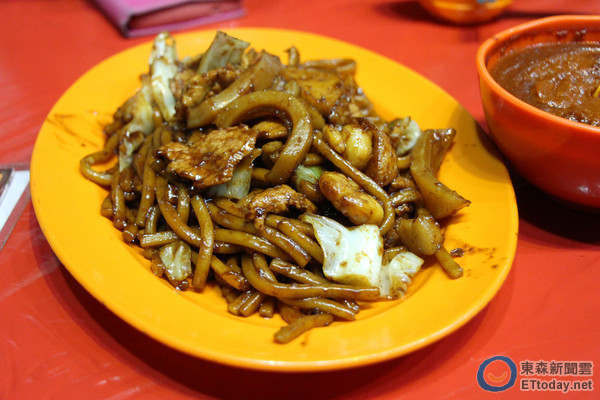
9. Hokkien Fried Noodles
Hokkien Fried Noodles is a traditional Kuala Lumpur Chinese noodle dish and one of the city’s iconic foods. As the name suggests, its cooking style originates from Fujian, China. Made with yellow noodles, shrimp, dark soy sauce, pork slices, squid, cabbage, and more, it’s stir-fried and then topped with Malaysia’s beloved sambal chili sauce. It’s widely available at roadside stalls and noodle shops.
Of course, Malaysian cuisine offers much more than these dishes—the above are just highlights. Malaysian food tends to be spicy, diverse, and distinctly different from Taiwanese flavors. Spice lovers, you might just fall for Malaysia’s sweet-and-spicy delights.
Share
This article is published by HowToTrip. Sharing and reposting are welcome — please credit the source.
Article URL: https://www.howtotrip.net/views-12606
Related Articles
- Shaoxing's "Grandpa Gourd" hangs the gourds back up: "If there are too many people, we'll interact less — just take a quick look from afar"
- Chinese authorities announce "reciprocal adjustment" to Japan visa fees — single-entry visa jumps from 2,250 to 16,750 yen!
- The "health stones" carried by a traveler were found to have radiation levels exceeding safety limits by a thousand times, potentially endangering fellow passengers on the same flight. Customs issues warning!
- Shenzhen Airport Issues Late-Night Notice: Unidentified Aerial Object Detected, Causing Widespread Flight Delays!
- “They only said it cost money after I opened the box and washed it!” 200g of grapes sold for 60 yuan on a high-speed train—12306 responds!
- Can't buy an airline ticket? Denied exit? Blocked from boarding? A large number of Chinese tourists have mysteriously become "discredited individuals"
- Adverse weather and economic fluctuations impact Colombia's coffee market
- Beach bathing area responds to 2 yuan/30 seconds fee for freshwater foot rinsing: Clearly priced!
- Taking off with an improperly closed cabin door? Wing malfunction? Multiple flights made emergency returns mid-journey!
- Experience the gifts of nature! A countdown of the world’s ten most stunning coastlines