Authentic Eastern Taiwan Tribal Flavors – Traditional Bunun Cuisine Filled with Gratitude and Blessings

Text & Photos by /25 Degrees of Blankness
"Uninan" means gratitude and blessings in the Bunun language. It represents the thanks of Wang Meihua and her husband from the Uninan Workshop for enduring life’s hardships, overcoming numerous challenges, and returning to their hometown to reconnect with their roots and cultural heritage.
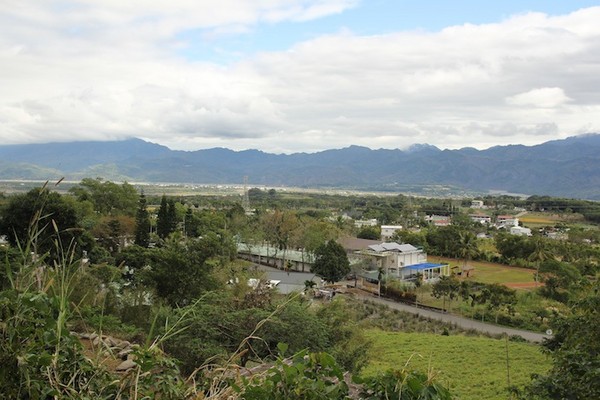
On my way to the Uninan Workshop in Yanping Township, I thought of my Bunun friend Zhiyun, a singer I hadn’t seen in a while. I wondered how he was doing—was he still drinking as much? The colorful leaves on the mountains of Yanping were dazzling, a sight that reminded me of Zhiyun’s always slightly tipsy singing.
Wang Meihua and her husband originally grew tea in Lishan, but the venture didn’t go well, so they decided to return to their ancestral home in the Bunun area of Taitung. Back in the tribe, they learned about Bunun culture from the elders, hoping to preserve and pass it on. Eventually, they founded the Uninan Workshop. Encouraged and supported by many, they named it after the Bunun word for “gratitude.” No wonder those three words resonate so deeply.
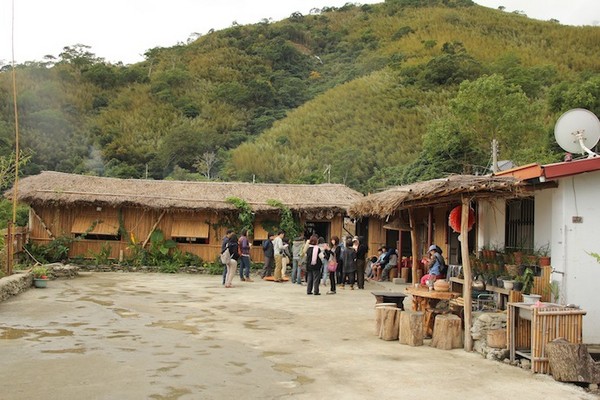
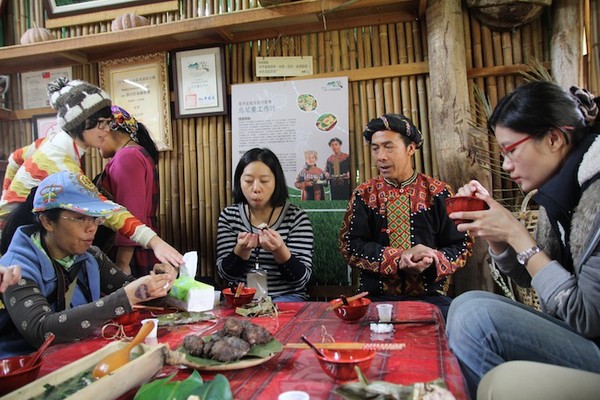
When we arrived at Uninan, the hosts welcomed us in the traditional Bunun way of reporting one’s achievements. Everyone stated their name and shouted together in this ceremonial fashion, echoing through the mountains.
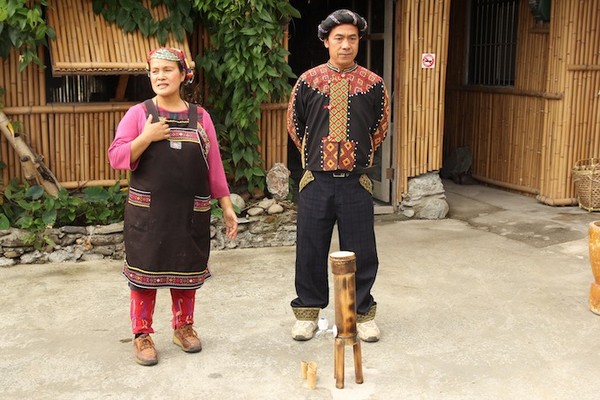
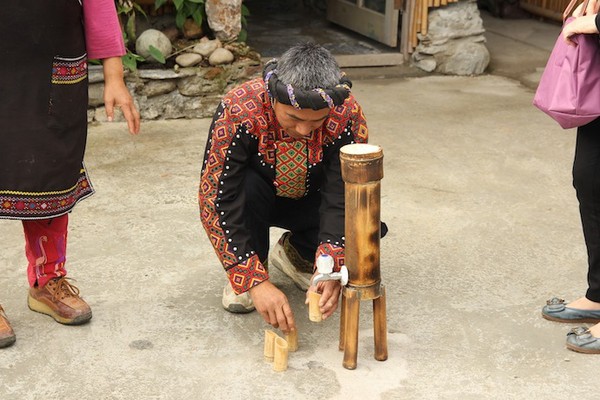
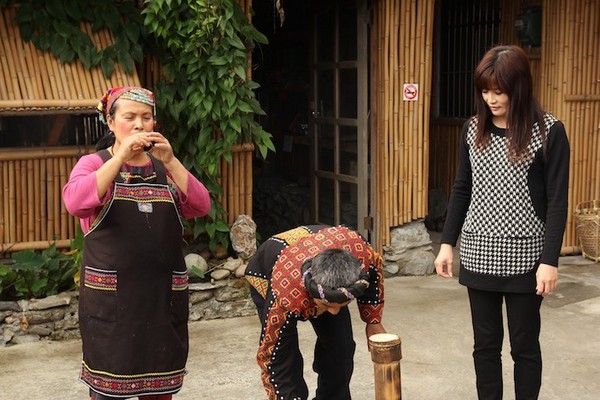
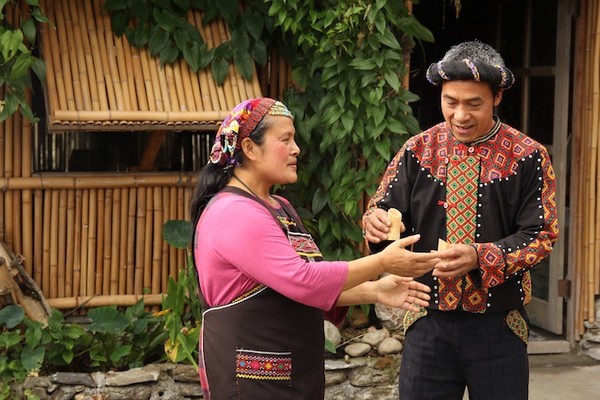
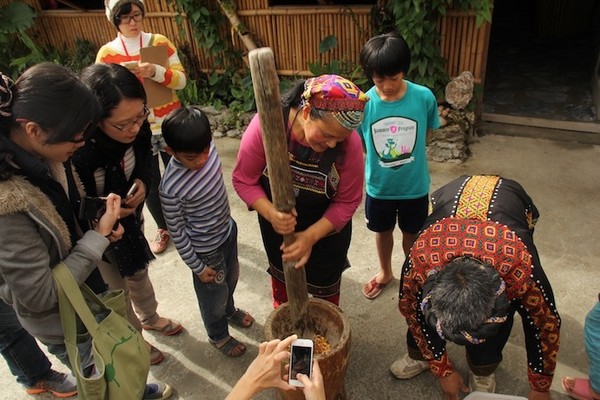
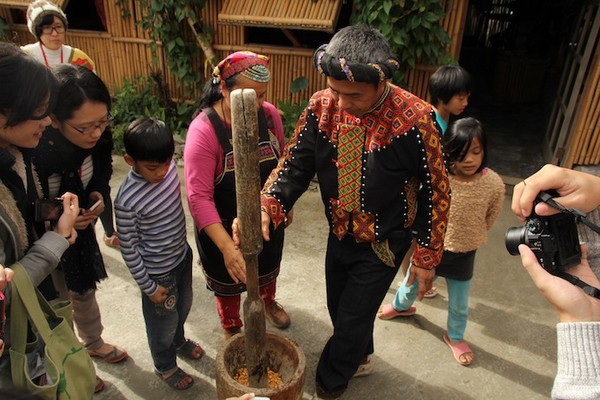
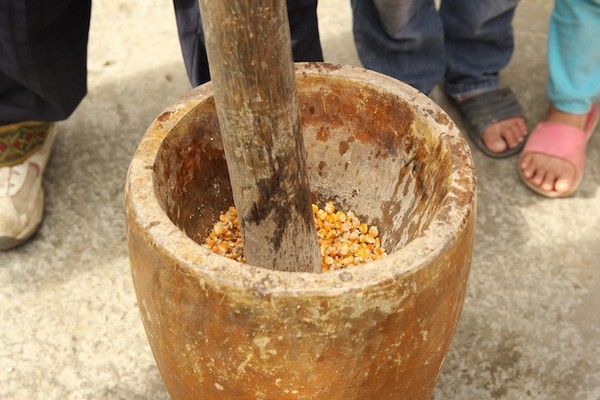
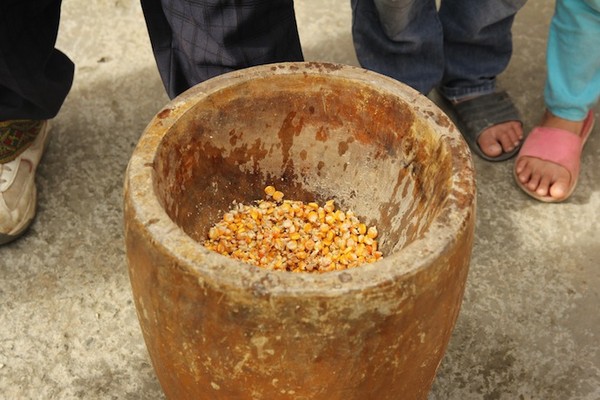
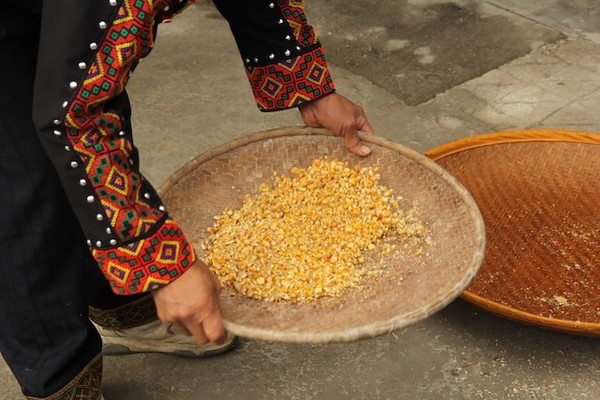
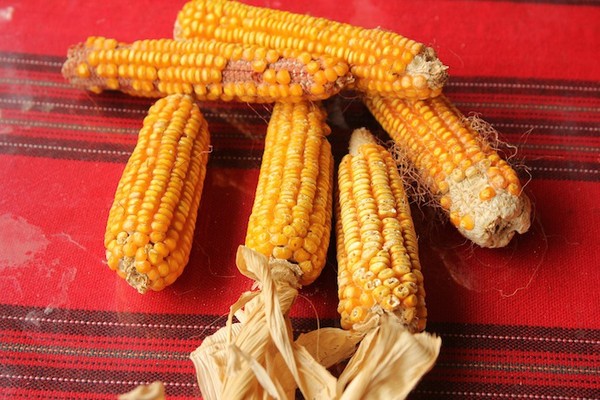
Next, they taught us how to pound corn—not millet, but corn. This is part of the Bunun traditional diet, and it definitely requires some skill. The result of our pounding would be part of the meal we’d enjoy later.
Sister Meihua has four adorable children—some biologically hers, others not. They chatted cheerfully with me as we headed up to their mountain vegetable garden to pick the greens for our upcoming meal. While the adults busied themselves with harvesting, I stayed with the kids. They told me how much they loved the Bunun tradition of reporting achievements and sang it for me several times. I found myself wanting to learn it too.
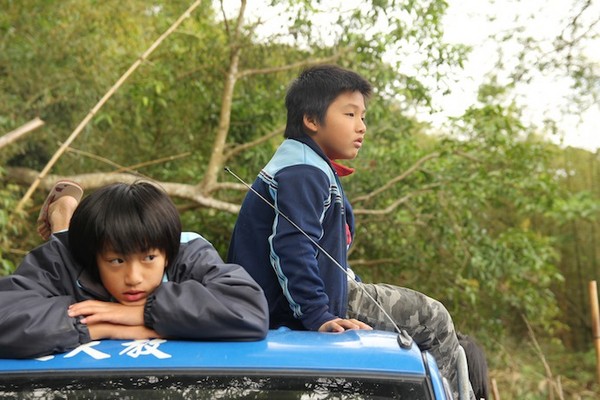
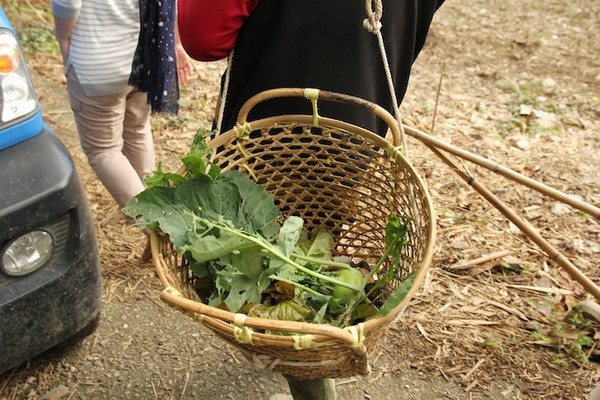
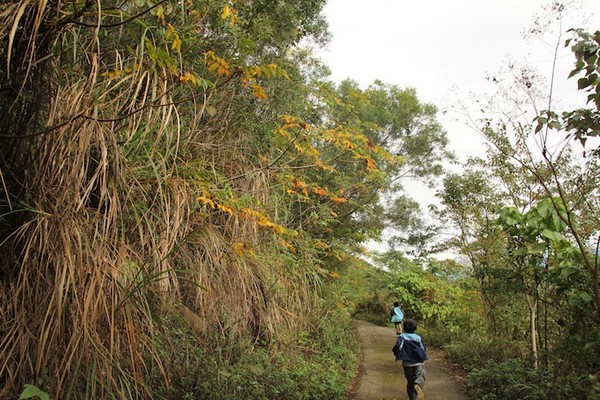
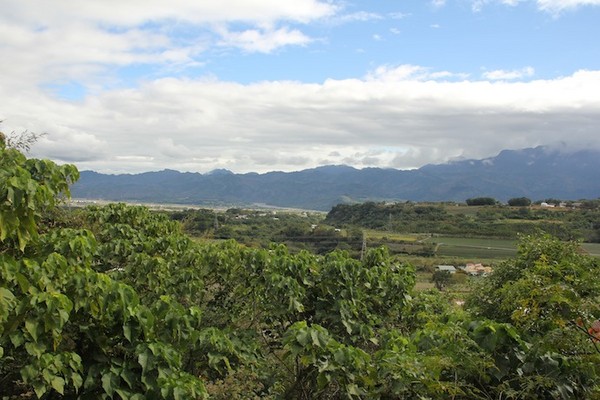
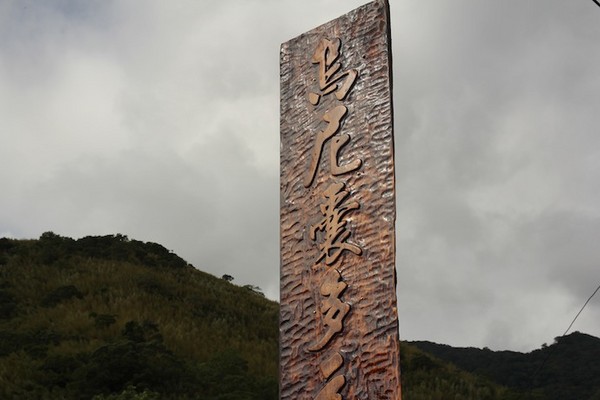
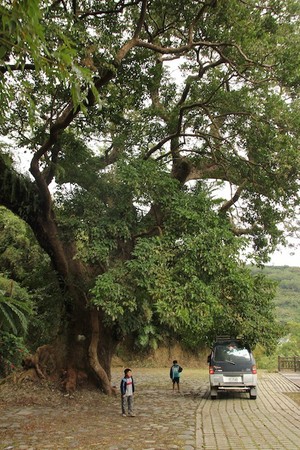
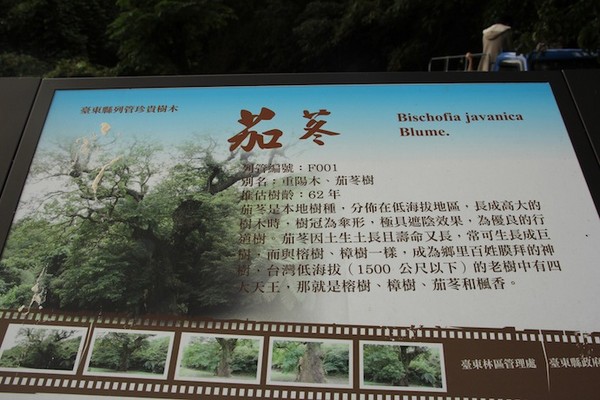
On the way down the mountain, instead of taking the car with the others, I ran down with the four kids. We stopped by an old tree mistakenly labeled as a “eggplant tree.” This massive tree must have been hundreds of years old, yet the sign only said 62. The owner said the great tree once saved many tribal members during a major flood.
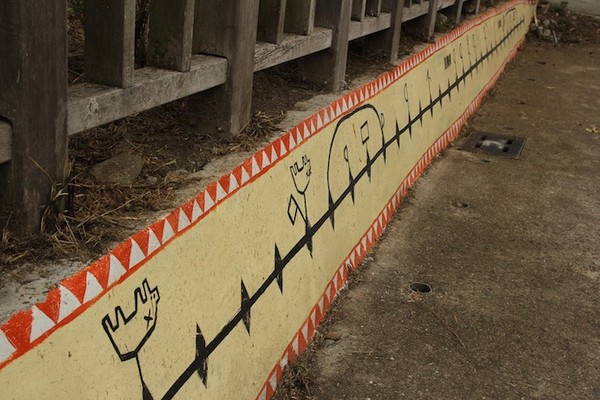
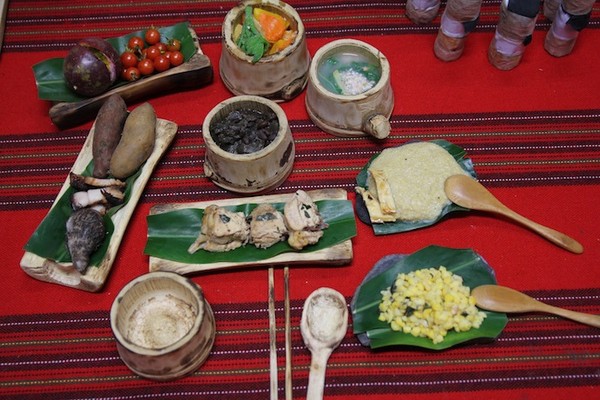
Drawing on Bunun culture and dietary traditions, Wang Meihua created a special set menu she presented at the Third Local Produce Dining event—“Eight-Part Harmony in Memory of Father.” The emotionally resonant name honors the eight-part harmony her father and elders once sang in her childhood—a UNESCO-recognized, heavenly sound.
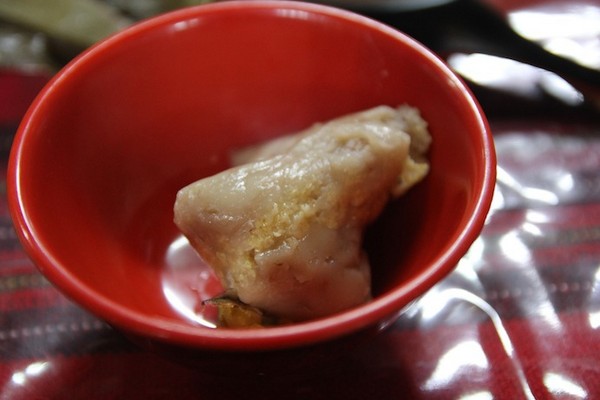
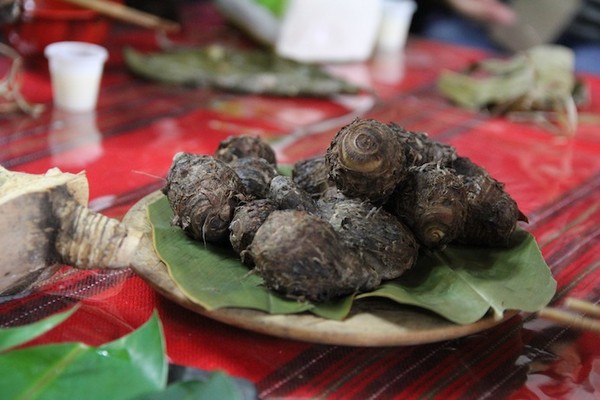
The set menu includes eight traditional Bunun dishes: millet pork lard salted fish rice, leek-flavored boiled salt chicken, sweet potato head roast meat, along with healthy options like pumpkin silk, tree bean pickled vegetable pork rib soup, and nightshade peanut soup. And, of course, there’s millet wine. Each dish is rich in Bunun flavor. Since most of the vegetables are homegrown, they require minimal preparation, allowing the natural, sweet flavors to shine.
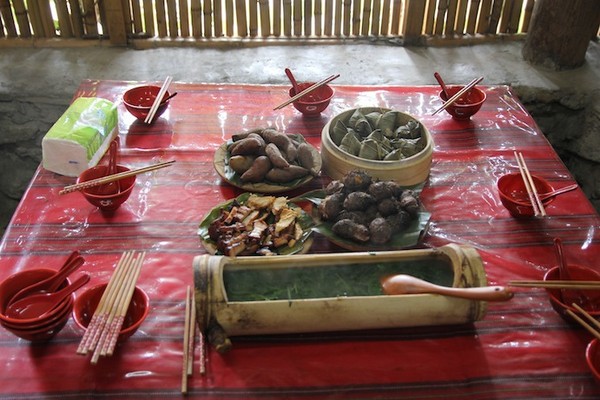
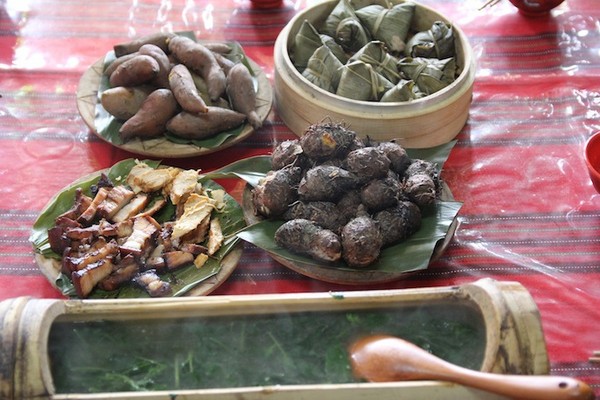
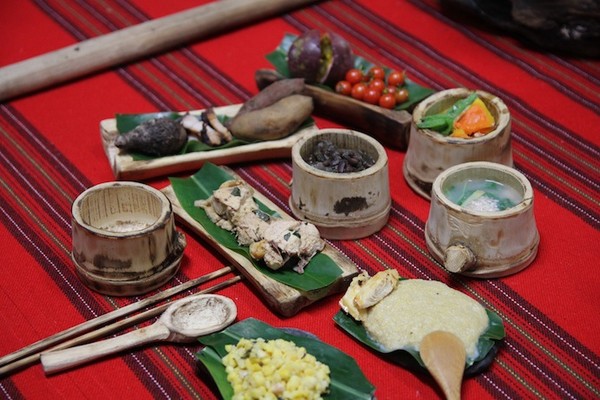

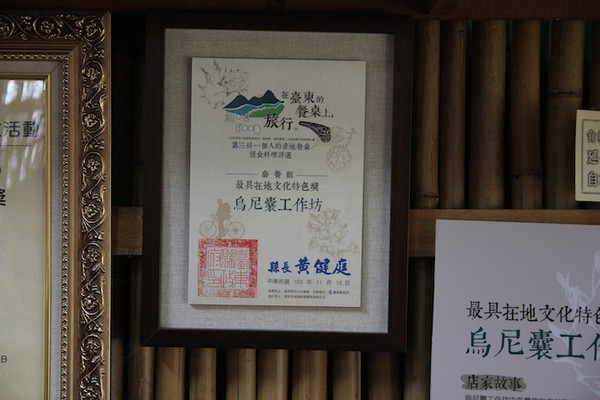
This meal not only has a beautiful name and presentation—it tastes amazing too. Many of the wild greens are rarely seen in everyday meals, and the cooking methods are unique. It’s a refined example of indigenous cuisine.
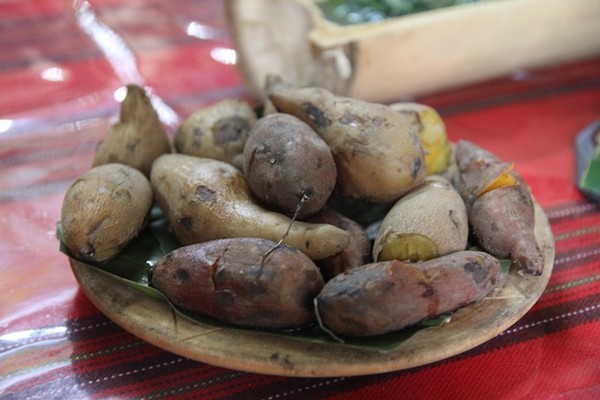
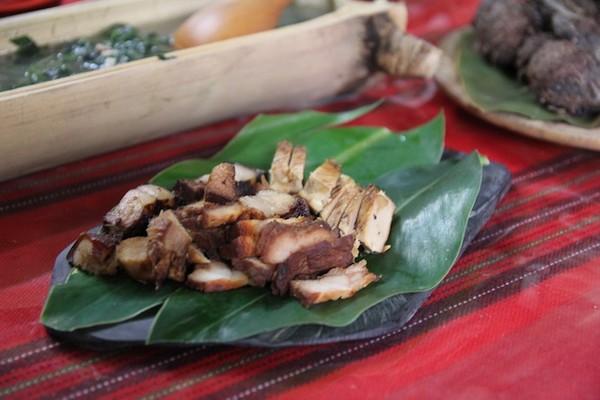
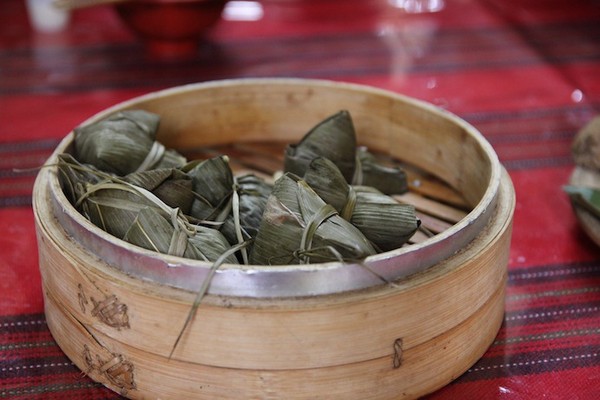
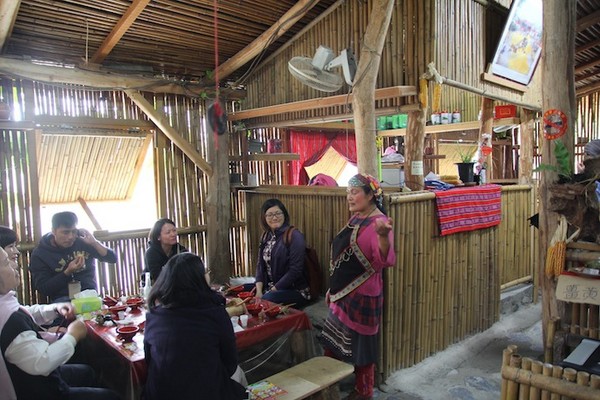
Before leaving, a little boy I had been chatting with asked if the video I took of them performing the achievement report would be put online. I assured him it definitely would.
That boy and his sister are the grandchildren of Sister Meihua. Their parents work in western Taiwan, leaving them in the care of their grandparents in Taitung. Knowing how many indigenous children are separated from their parents, I couldn’t help but think about how much they must miss them during the ride back.
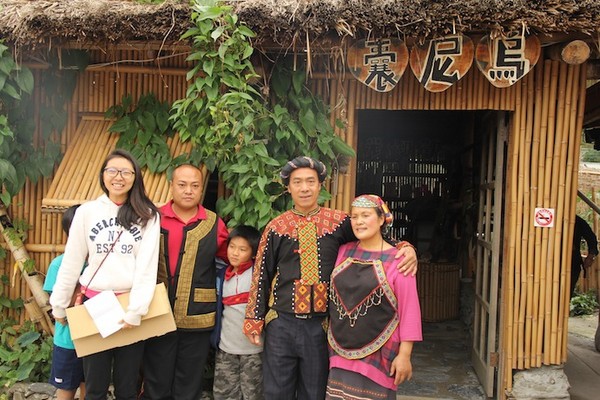
Uninan Workshop
Business Hours: 11:00–19:00
Contact: (089)550730 / 0933495730 (Wang Meihua)
“In Memory of Father – Eight-Part Harmony” Set Menu: NT$380 (Reservation required)
Address: No. 82, Lane 5, Taiping Rd., Yongkang Village, Yanping Township
25 Degrees of Blankness
Blog、Facebook Fan Page
Share
This article is published by HowToTrip. Sharing and reposting are welcome — please credit the source.
Article URL: https://www.howtotrip.net/views-12521
Related Articles
- Shaoxing's "Grandpa Gourd" hangs the gourds back up: "If there are too many people, we'll interact less — just take a quick look from afar"
- Chinese authorities announce "reciprocal adjustment" to Japan visa fees — single-entry visa jumps from 2,250 to 16,750 yen!
- The "health stones" carried by a traveler were found to have radiation levels exceeding safety limits by a thousand times, potentially endangering fellow passengers on the same flight. Customs issues warning!
- Shenzhen Airport Issues Late-Night Notice: Unidentified Aerial Object Detected, Causing Widespread Flight Delays!
- “They only said it cost money after I opened the box and washed it!” 200g of grapes sold for 60 yuan on a high-speed train—12306 responds!
- Can't buy an airline ticket? Denied exit? Blocked from boarding? A large number of Chinese tourists have mysteriously become "discredited individuals"
- Adverse weather and economic fluctuations impact Colombia's coffee market
- Beach bathing area responds to 2 yuan/30 seconds fee for freshwater foot rinsing: Clearly priced!
- Taking off with an improperly closed cabin door? Wing malfunction? Multiple flights made emergency returns mid-journey!
- Experience the gifts of nature! A countdown of the world’s ten most stunning coastlines