Handmade noodles, every bowl a story—each bite carries the taste of longing.
Text & Photos /25°C of Emptiness
As I listened to the elderly lady rolling out the dough while singing an old Shanxi folk song, her weathered voice filled with loneliness seemed to melt into homesickness the moment I took that first bite. That taste of homesickness, spanning thousands of miles, reached my tongue and settled in my heart. I realized my eyes had grown misty. I asked the elderly lady, “Do you miss home? Do you want to go back?”
She replied, “Of course I do. It gets lonely sometimes. But Chihshang has become my home now.”
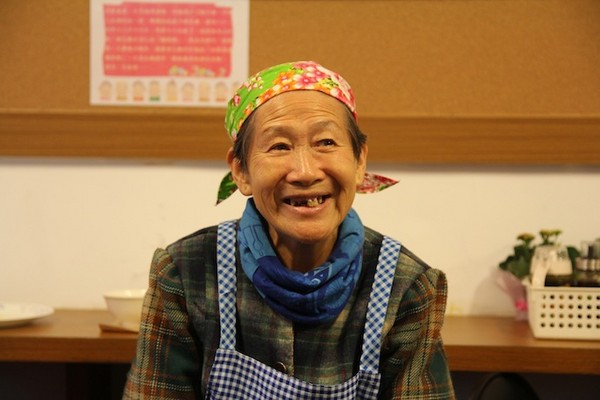
The story of Yang Xinghua, the elderly Shanxi lady, is one shaped by history. She left Shanxi and came to Chihshang 20 years ago because her husband, Pan Wen-tai, was an Amis tribesman from Chihshang. After World War II, Pan Wen-tai was conscripted to fight in Shanxi during the Chinese Civil War. Once the war began, he couldn’t return. There, he met Yang Xinghua from Shanxi, married her, and started a family. Decades passed in the blink of an eye.
It wasn’t until over 20 years ago, when cross-strait family visits were allowed, that Pan Wen-tai returned to his hometown in Chihshang. After going back to Shanxi, he told Yang Xinghua, “Let me go back to Taiwan to reunite with my family, okay?” Though Yang Xinghua found it hard to let go of her attachment to her homeland, she chose to fulfill her husband’s wish. She embarked on her husband’s journey home, which also became her own journey away from home. When she first arrived in Chihshang, Taitung, having never been to Taiwan before, she was shocked to find that the rural areas here were far more backward than she had imagined Taiwan to be.
The elderly lady from mainland China opened her shop not long ago.
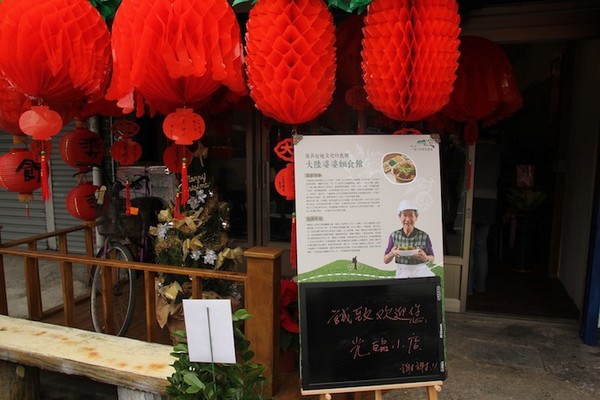
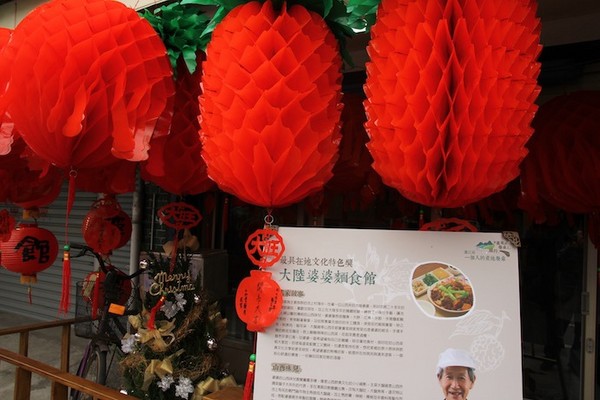
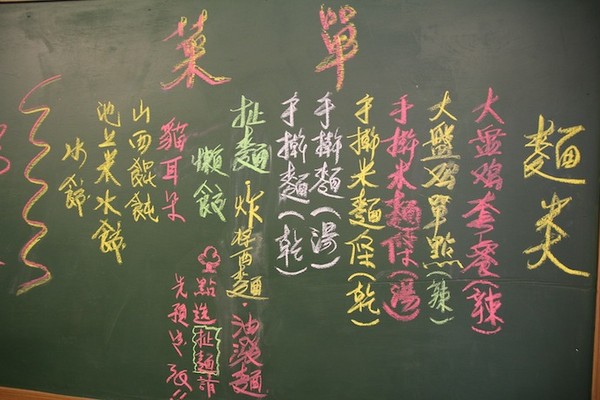
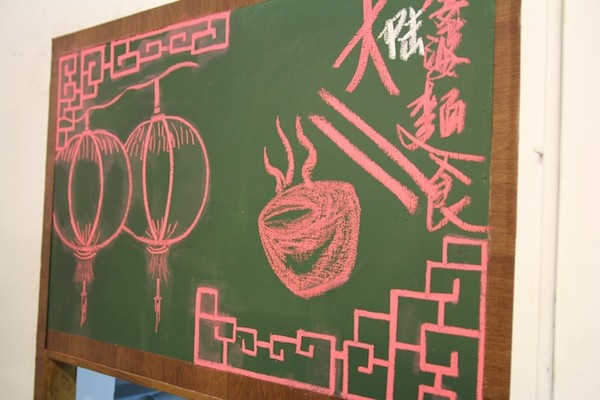
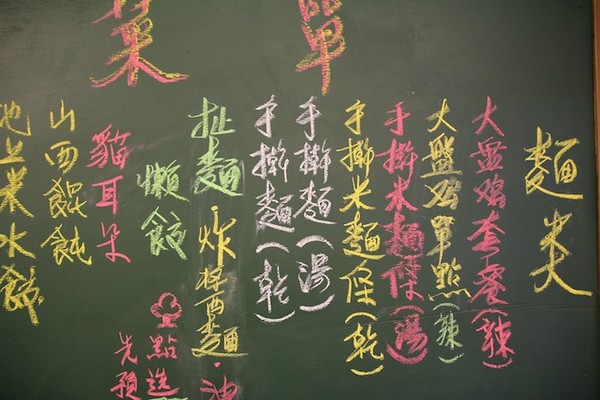
Since then, the family has settled in Chihshang. Yang Xinghua began using the skills she learned back home, making northern-style steamed buns, mantou, and flower rolls. Every afternoon, she would ride her bicycle into town, becoming a beloved fixture for many regular customers. Little did they know that these treats were also her way of easing homesickness. There’s even a story behind the handwritten chalkboard in her shop...
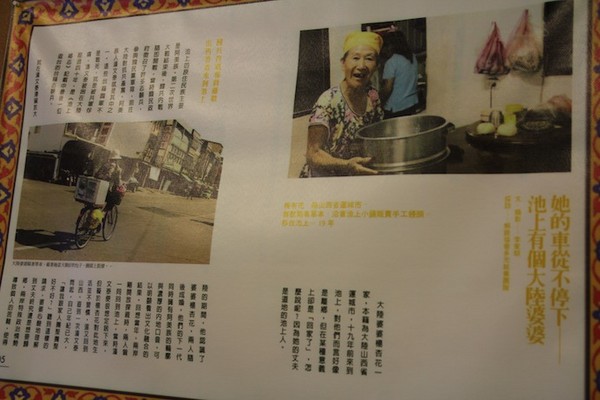
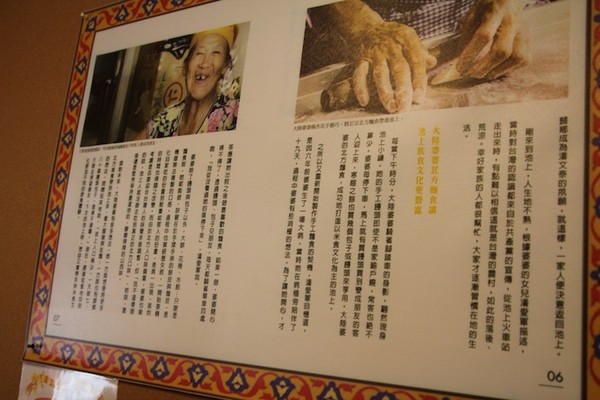
A few years ago, the elderly lady fell seriously ill. To encourage her, her daughter suggested that if she recovered, they should open a noodle shop—something she had dreamed of for years: sharing the traditional noodles of Shanxi with the people here in her husband’s hometown. The elderly lady said that if she didn’t do it, others might never know what real Shanxi flavors taste like.
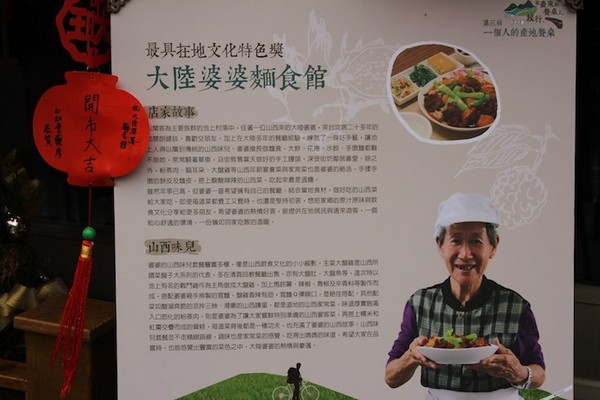
In December 2014, the Shanxi Elderly Lady’s Noodle Shop finally opened. Recently, she participated in the third Longitudinal Valley Farm-to-Table event organized by Jinhetang and won the award for Most Locally Cultural Characteristic. I know that although she isn’t Taiwanese and doesn’t cook traditional Taiwanese dishes, her story is precisely why she deserves this honor.
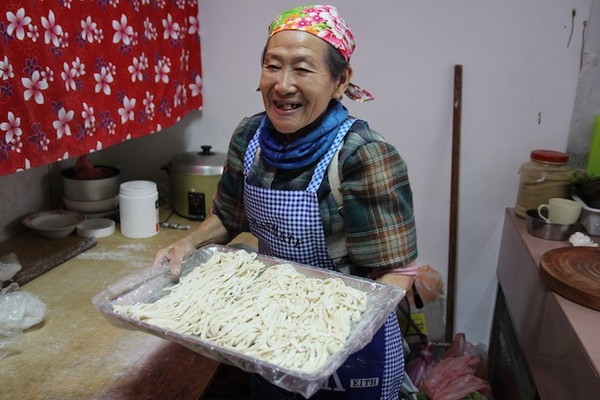
I stepped into the kitchen, where the elderly lady cheerfully rolled out noodles while chatting with me brightly.
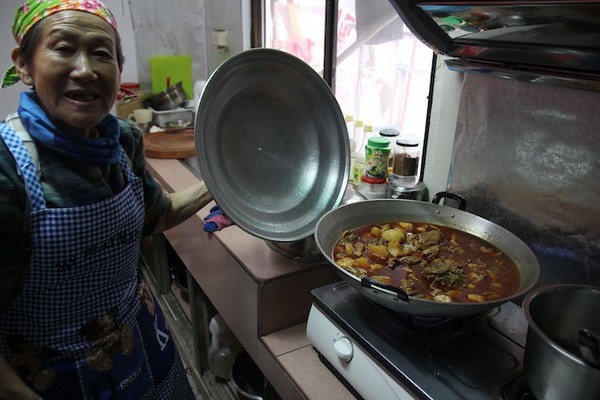
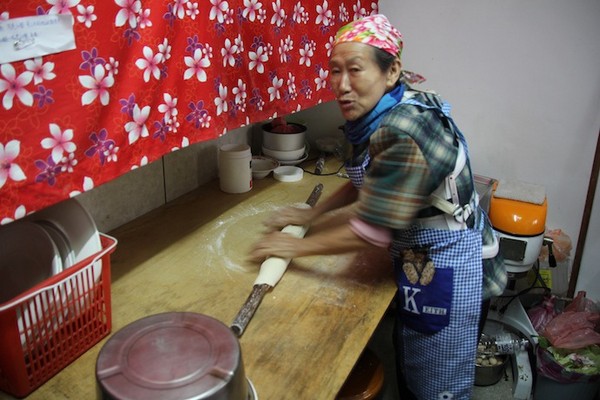
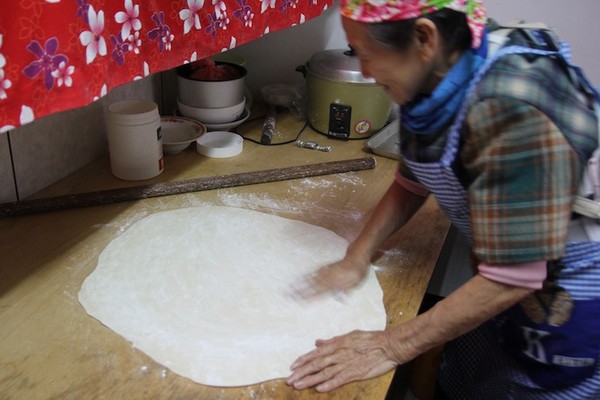
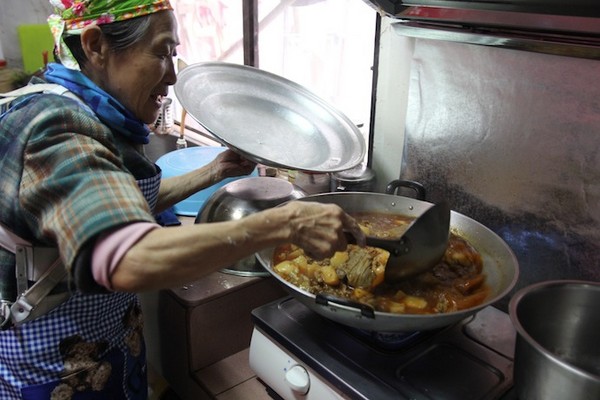
Her movements were incredibly nimble.
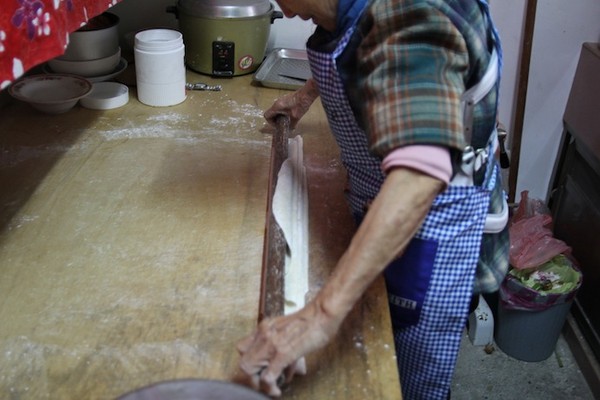
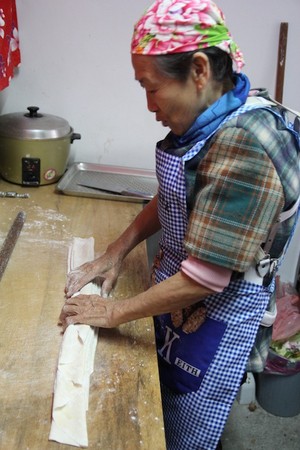
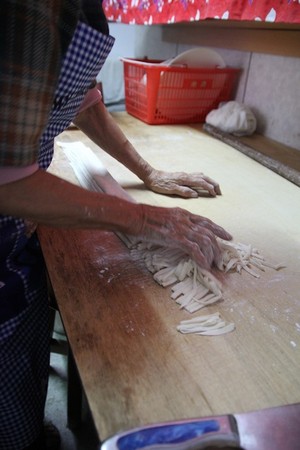
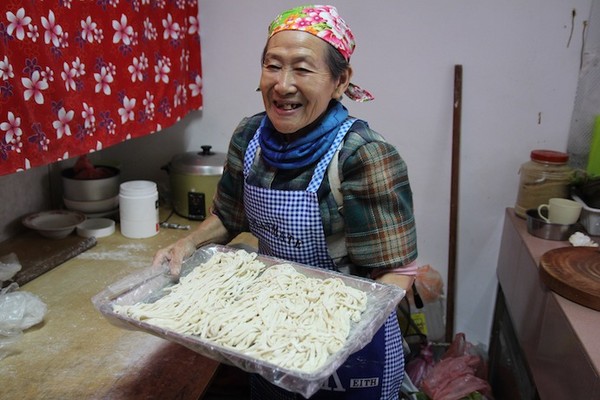
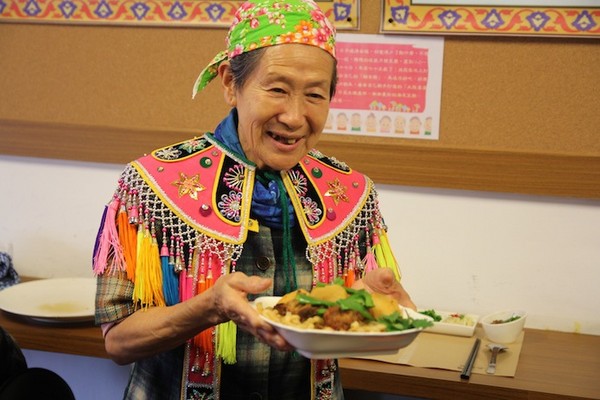
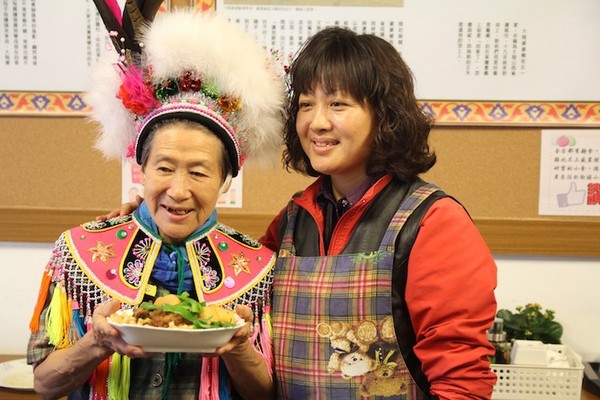
This was the award-winning set meal.
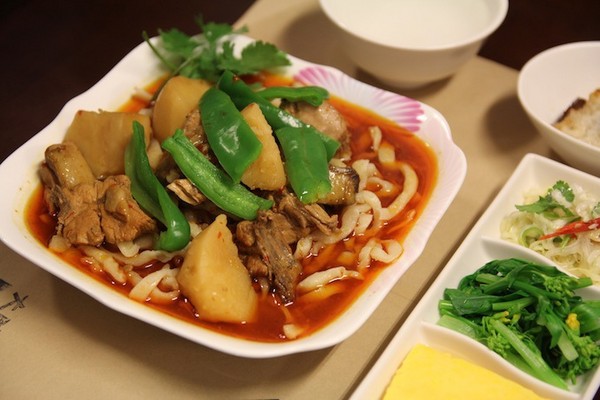
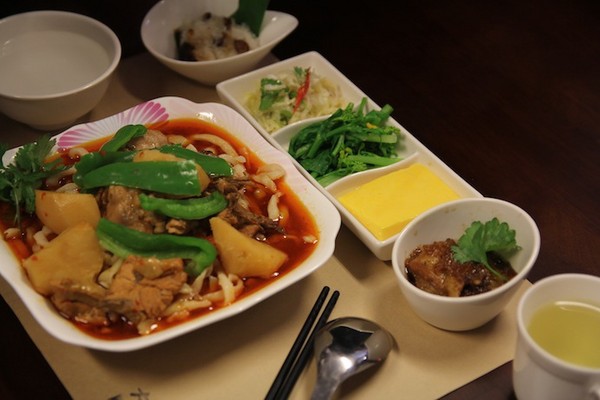
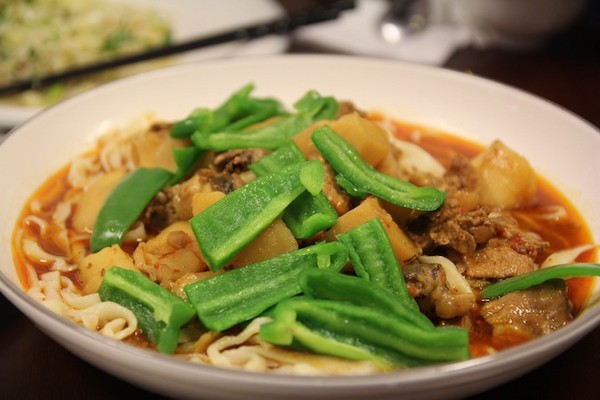
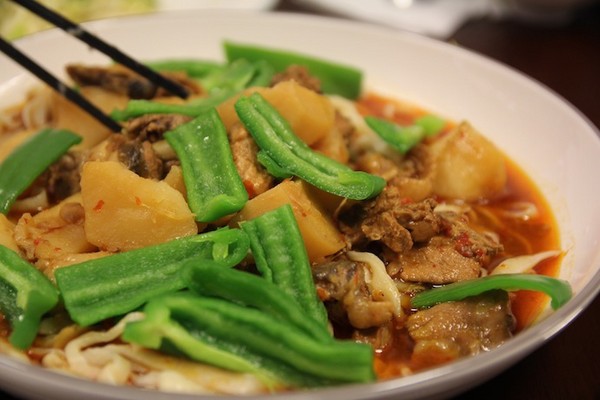
The texture of the noodles, hand-rolled by the elderly lady, carried every bite of her longing for her homeland. That day, we tried the traditional Shanxi dish—Dapanji noodles—where spicy broad bean sauce was cooked with delicious Chihshang free-range chicken, infusing the spice into the chicken and potatoes. Paired with handmade noodles, it was impossible to stop eating.
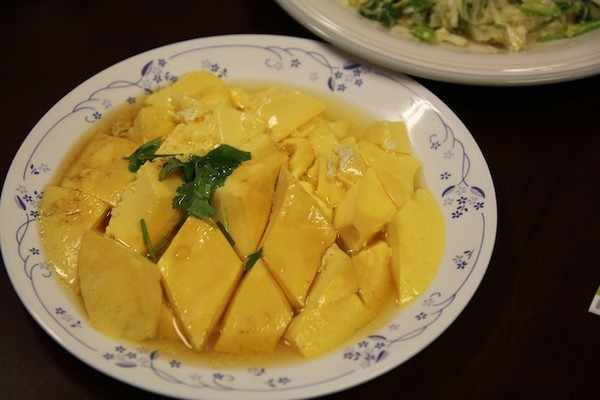
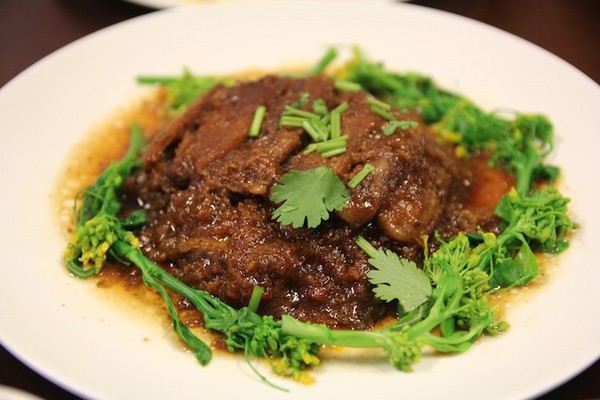
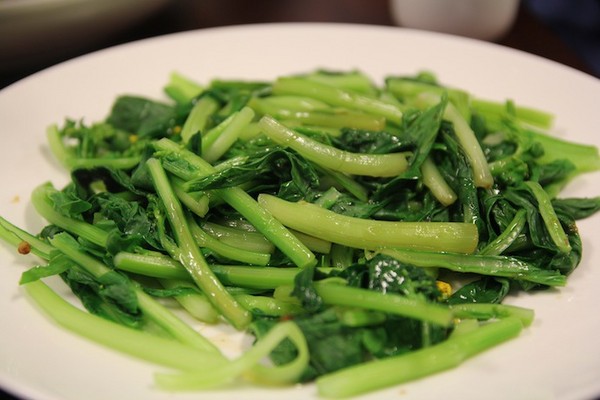
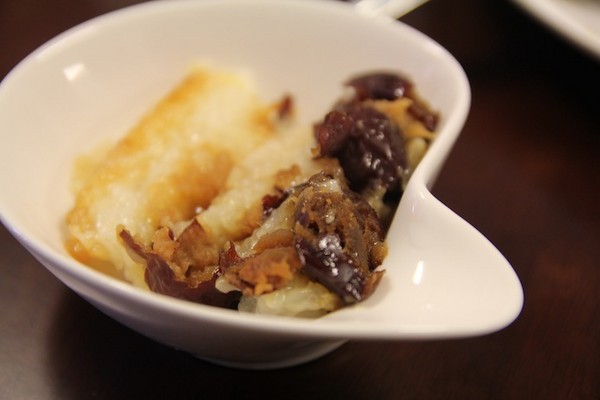
Other appetizers, like three-shredded cold dish, steamed pork with rice flour, and steamed eggs, were equally delicious. The meatball soup and the post-meal dessert, Jin Gao, each embodied the spirit of traditional Shanxi cuisine. The elderly lady painted the flavors of her homeland dish by dish. We glanced at the handwritten chalkboard menu and saw so many other dishes we’d never heard of but were eager to try.
After the meal, the cheerful elderly lady chatted happily with us. She was adorable and charming. In the end, she even took out an Amis tribal costume she had sewn herself and modeled it for us. She said she joins the dancing during Amis festivals. Her daughter stood nearby, with the distinctive large, watery eyes of the Amis people, yet spoke Mandarin with a Shanxi accent. Though it seemed amusing, it carried untold stories between the two sides of the strait.
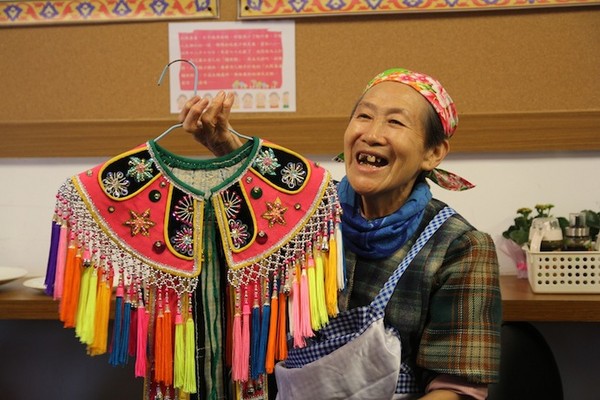
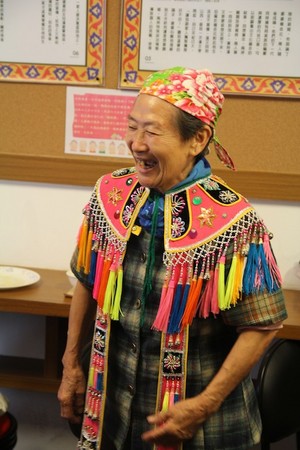
The daughter, who looked Amis, spoke with a Shanxi accent.
What is homesickness? As we ate each bite of the Shanxi elderly lady’s noodles, we knew these flavors were homesickness. Every dish was a longing for her homeland in Shanxi, for her husband, and for the land of Chihshang that she could no longer bear to leave.
No. 27, Qingfu Road, Chihshang Township, Taitung
08 986 2970
The elderly lady sang “Shanxi Has Beautiful Scenery,” her song telling her story.
Zhao Jing
They Say Shanxi Has Beautiful Scenery
Lyrics by: Qiao Yu
Music by: Zhang Dichen
(They Say Shanxi Has Beautiful Scenery)
(The land is fertile, waters are clear, grains fragrant)
(Point left to Mount Taihang)
(Point right to Mount Lüliang)
Standing high above
Looking up ahead
See how the Fen River flows…
Rushing by my little village
Apricot blossoms bloom in Apricot Blossom Village
When youths are in their prime
More and more detailed lyrics at ※ Mojim.com – Mirror Lyrics Website
Men fear no hardship, come what may
Women can grow all kinds of blooms
With ambition in their hearts, people never age
Look at that grey-haired granny…
Standing tall with back straight, she looks seventeen or eighteen
Men fear no hardship, come what may
Women can grow all kinds of blooms
With ambition in their hearts, people never age
Look at that grey-haired granny…
Standing tall with back straight, she looks seventeen or eighteen
25°C of Blankness
Blog、Fan Page
Share
This article is published by HowToTrip. Sharing and reposting are welcome — please credit the source.
Article URL: https://www.howtotrip.net/views-12438
Related Articles
- Shaoxing's "Grandpa Gourd" hangs the gourds back up: "If there are too many people, we'll interact less — just take a quick look from afar"
- Chinese authorities announce "reciprocal adjustment" to Japan visa fees — single-entry visa jumps from 2,250 to 16,750 yen!
- The "health stones" carried by a traveler were found to have radiation levels exceeding safety limits by a thousand times, potentially endangering fellow passengers on the same flight. Customs issues warning!
- Shenzhen Airport Issues Late-Night Notice: Unidentified Aerial Object Detected, Causing Widespread Flight Delays!
- “They only said it cost money after I opened the box and washed it!” 200g of grapes sold for 60 yuan on a high-speed train—12306 responds!
- Can't buy an airline ticket? Denied exit? Blocked from boarding? A large number of Chinese tourists have mysteriously become "discredited individuals"
- Adverse weather and economic fluctuations impact Colombia's coffee market
- Beach bathing area responds to 2 yuan/30 seconds fee for freshwater foot rinsing: Clearly priced!
- Taking off with an improperly closed cabin door? Wing malfunction? Multiple flights made emergency returns mid-journey!
- Experience the gifts of nature! A countdown of the world’s ten most stunning coastlines